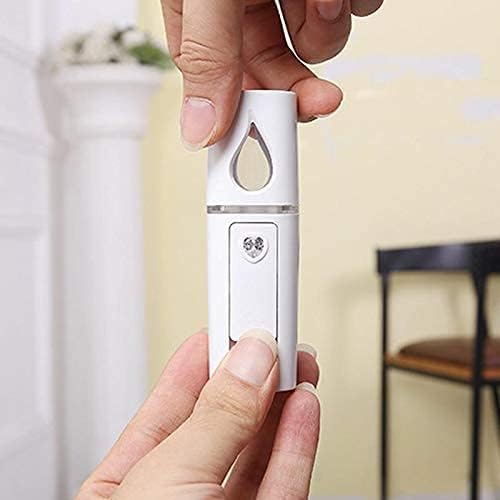
A portable mist sprayer is a small rechargeable device that turns water into a mist fine enough to settle on skin without leaving it wet. Held a few inches from the face for a few seconds, it takes the edge off heat, refreshes makeup rather than disturbing it, and gives dry skin a moment of relief.
This guide explains how a portable mist sprayer works, what water to put in it, how to use one so it actually helps rather than leaving your skin drier, how it fits into a skincare routine, and how to keep the nozzle clear. The WLD Store pick for Saudi Arabia is described in full below.
What a portable mist sprayer actually does
Two things happen when a fine mist lands on skin. The first is evaporative cooling: as those tiny droplets evaporate they draw heat away from the surface, which is why a few seconds of mist feels disproportionately refreshing on a hot day.
The second is a brief increase in surface moisture. Water sitting on skin raises the immediate hydration of the outer layer, which is why skin looks plumper and feels more comfortable straight after misting.
The important nuance, and the thing most product descriptions skip, is that water alone evaporates again. If you mist and do nothing else, the water leaves and can take a little of your skin’s own moisture with it. Used correctly, a portable mist sprayer is the first step of a two-step process rather than the whole routine.
That is not a criticism of the device, it is simply how skin works. Mist, then seal with a moisturiser or a facial oil while the skin is still slightly damp, and the benefit lasts. This one habit is the difference between a gadget and a genuinely useful tool.
Where a portable mist sprayer earns its place
Hot, dry climates are the obvious case for a portable mist sprayer. In somewhere like Riyadh, Jeddah or Dammam, moving between fierce outdoor heat and heavily air-conditioned interiors is hard on skin, and both extremes dry it out. A portable mist sprayer is a fast way to reset in between.
Air conditioning is the underrated villain. Cooling air removes humidity from it, so an air-conditioned office is a dry environment even when it feels comfortable. A few seconds of mist every couple of hours makes a noticeable difference across a working day.
Travel is another strong use. Aircraft cabins are extremely dry, and a small rechargeable device that needs no aerosol propellant is far easier to carry than a bottle of spray. A portable mist sprayer is also useful in a car, at a desk or in a gym bag.
Makeup wearers use them differently: a light mist can settle powder and reduce a chalky look. Keep it light, since the aim is a barely-there veil rather than anything you can see landing.
How the technology works
Most portable mist sprayer designs use ultrasonic atomisation. A tiny plate vibrates at a frequency far above hearing and breaks water into droplets measured in microns, which is why the output looks like a soft cloud rather than a spray.
Droplet size is the whole point. Larger droplets from a pump-action bottle sit on the surface, run and disturb makeup. The very fine output of a good portable mist sprayer settles evenly and feels dry to the touch almost immediately.
Because there is no pump and no propellant, the device is quiet. Silent operation is genuinely useful if you intend to use it at a desk or in a shared space, and it is one of the practical advantages over an aerosol.
The trade-off is that ultrasonic plates are sensitive to what you put through them. Anything with oil, alcohol or dissolved solids will foul the plate, which is why water choice matters far more than people expect.
What to look for in a portable mist sprayer
They are all small and most look similar. Four things separate one you use daily from one that ends up in a drawer.
Mist fineness
The finer the output, the more useful the device. A coarse spray leaves visible droplets that run and smudge; a true nano mist disappears into the skin. This is the single quality that determines whether a portable mist sprayer feels premium or cheap in use.
Tank size and runtime
Small tanks are the norm because the whole point is portability. What matters is whether the tank holds enough for a day out rather than a single use, and whether it is easy to refill without a funnel.
Runtime per charge is the other half. A device that needs charging every second day gets forgotten, so a portable mist sprayer that runs a week of light use between charges is far more likely to stay in your bag.
Charging and connector
USB charging is standard and convenient, because it means the same cable that charges everything else works here. Check where the port sits and whether it is protected, since a charging port next to a water tank is a design detail worth getting right.
Size, weight and lid
It has to fit a pocket or a small bag and it has to not leak in one. A secure cap over the nozzle is the difference between a device that travels well and one that dampens everything around it. Try opening a portable mist sprayer one-handed before deciding it suits daily use.
The WLD Store pick: Portable Mist Sprayer
These are the details WLD Store publishes for this product:
- Product: Portable Mist Sprayer, a mini facial mister and moisturiser
- Brand: WLD
- Categories: Beauty & Personal Care, Skin Care
- Described as: a nano facial mister using fine mist technology, for refreshing skin in seconds
- Power: USB rechargeable, with silent operation
- Intended for: skincare routines, travel, and hot dry conditions across Riyadh, Jeddah and Dammam
- SKU: WLD-KSA-0131-(KD-KD0239)
- Availability: available across Saudi Arabia through secure checkout
Silent operation and USB charging are the two practical details there. Both are what make a portable mist sprayer something you use at a desk rather than something you keep for special occasions. Full images and current options are on the Portable Mist Sprayer product page.
Which water to use
This is the most important maintenance decision you will make, and it takes ten seconds to get right.
Distilled or purified water is the best choice. It contains almost no dissolved minerals, so nothing is left behind on the atomising plate when the water evaporates. A portable mist sprayer run on distilled water will keep working far longer than one run on anything else.
Tap water works but shortens the life of the device, especially where water is hard. Minerals build up as a white crust on the plate and the mist gradually weakens until it stops.
Bottled mineral water is worse than tap water, not better. The name is a clue: it is full of exactly the dissolved minerals you are trying to avoid.
Toners, essences, oils and alcohol-based products should not go anywhere near it unless the maker explicitly says otherwise. Oils coat the plate, alcohol can damage seals, and thicker liquids simply will not atomise.
If you want the benefit of a toner, mist with plain water first and apply the toner afterwards. That gets you both without risking the device.
How to use it properly
- Hold it far enough away. Roughly fifteen to twenty centimetres from the face. Too close and you get a wet patch rather than an even veil.
- Keep it brief. Three to five seconds is plenty. Soaking the skin is counterproductive, because more water simply means more evaporation.
- Close your eyes. Obvious, but worth saying, and keep it away from the eye area itself.
- Seal it in. Apply moisturiser while the skin is still very slightly damp. This is the step that turns a portable mist sprayer from a pleasant sensation into an actual benefit.
- Do not overdo it. Two or three times a day is sensible in dry conditions. Misting every twenty minutes without sealing can leave skin drier than when you started.
- Empty it if you will not use it for a while. Standing water in a warm bag is not something you want to spray on your face a week later.
Fitting it into a skincare routine
In the morning, mist after cleansing and before serum or moisturiser. Damp skin absorbs the next product more readily, and it means you are not applying moisturiser to a dry, tight surface.
Through the day, a portable mist sprayer is a top-up rather than a routine step. Use it when you come in from the heat, after a long stretch in air conditioning, or before reapplying sunscreen.
In the evening, it is most useful as part of removing the day: a mist after cleansing, then whatever your night routine is. It is not a replacement for cleansing and does not remove anything on its own.
If you use active ingredients such as retinoids or acids, apply them to dry skin as directed rather than damp skin, since damp application can increase irritation. Mist before cleansing or well after those steps instead.
Cleaning, charging and care
Empty after each day of use. Do not leave water standing in the tank overnight if you can help it. Fresh water every time is both more hygienic and better for the device.
Rinse the tank weekly. A rinse with clean water and a shake dry is usually enough. Avoid soap inside the tank unless you can rinse it out completely.
Descale if the mist weakens. A short soak with a mild vinegar and water solution, only where the maker permits it, dissolves mineral build-up on the plate. Rinse thoroughly afterwards.
Never touch the plate with anything hard. A cotton bud is the roughest thing that should go near it. Scratching the atomising surface is the one failure that cannot be undone.
Charge before it dies completely. Small lithium cells prefer partial charges to being run flat, and a portable mist sprayer stored empty for months should be topped up occasionally.
Store it dry and capped. Emptied, dried and with the cap on, it will survive a bag far better than one thrown in half full.
Long-term ownership
These are small devices with two consumable parts: a battery and an atomising plate. Knowing how each ages tells you whether a problem is worth fixing.
The plate is the part that decides the useful life. Fed distilled water and rinsed regularly, it can keep producing a fine mist for years. Fed hard tap water and left standing, it can scale up within months. Almost every portable mist sprayer that stops working has a fouled plate rather than a failed motor.
Batteries in devices this size are small, and they lose capacity gradually over a few hundred charge cycles. Because a portable mist sprayer is used in short bursts, most people never reach that point, but a device stored flat for a year may not recover.
Seals are the third wear item. Repeated opening and closing eventually loosens a cap, and a mister that leaks in a bag stops being carried. Check the cap fit occasionally rather than discovering the problem through a damp handbag.
None of these parts is usually replaceable, which is worth accepting before you buy. Treat a portable mist sprayer as a device with a life measured in years rather than decades, and get the most out of it by being careful about water from day one.
Common problems and quick fixes
- The mist has become weak or patchy. Mineral build-up on the plate is the usual cause. Descale gently, rinse, and switch to distilled water from then on.
- It sprays droplets instead of mist. Either the plate is fouled or the tank is nearly empty. Refill first, then clean if the problem persists.
- It stops after a few seconds. Many devices have an automatic cut-off to protect the plate. That is a feature, not a fault, and pressing again is fine.
- It will not charge. Check the cable and the port for moisture before assuming the battery has failed. Water in the charging port is common with any portable mist sprayer and usually just needs drying out.
Using it in extreme heat
In very high temperatures, misting is best combined with shade and airflow. Evaporation is what cools you, and moving air accelerates it dramatically, which is why a mist plus a fan feels far cooler than mist alone.
Do not treat a portable mist sprayer as a heat-safety device. It is a comfort tool. Real protection from extreme heat means shade, drinking water, loose clothing and limiting time outdoors, and no amount of misting substitutes for those.
Keep the device itself out of direct sun. A sealed plastic tank left on a car dashboard gets hot enough to be unpleasant to use and is not good for the battery.
If you are outdoors for long periods, mist the back of the neck and the wrists as well as the face. Those areas cool efficiently and it avoids over-wetting the face.
Who should skip it
People with a diagnosed skin condition should ask their doctor or dermatologist before adding anything new, including something as simple as water. A portable mist sprayer is not a treatment and should not replace prescribed care.
If you live somewhere humid, the benefit is much smaller. Mist evaporates slowly in humid air, so the cooling effect is weaker and skin is unlikely to be dehydrated by the environment in the first place.
And anyone hoping to replace moisturiser will be disappointed. Water is not an occlusive; it does not hold itself in place. The device works with your existing products rather than instead of them.
Buying checklist
- Is the mist genuinely fine, or is it a small spray bottle with a motor?
- Does the tank hold enough for a day out, and can you refill it without a funnel?
- How long does a charge last under the use you actually plan?
- Is the nozzle capped securely enough to travel in a bag?
- Can you clean the tank and descale the plate easily?
Those five decide whether a portable mist sprayer becomes a daily habit. Mist fineness and cap security account for most of the difference in real use.
Other Beauty and Personal Care picks at WLD Store
Three more from the WLD Store range in Saudi Arabia:
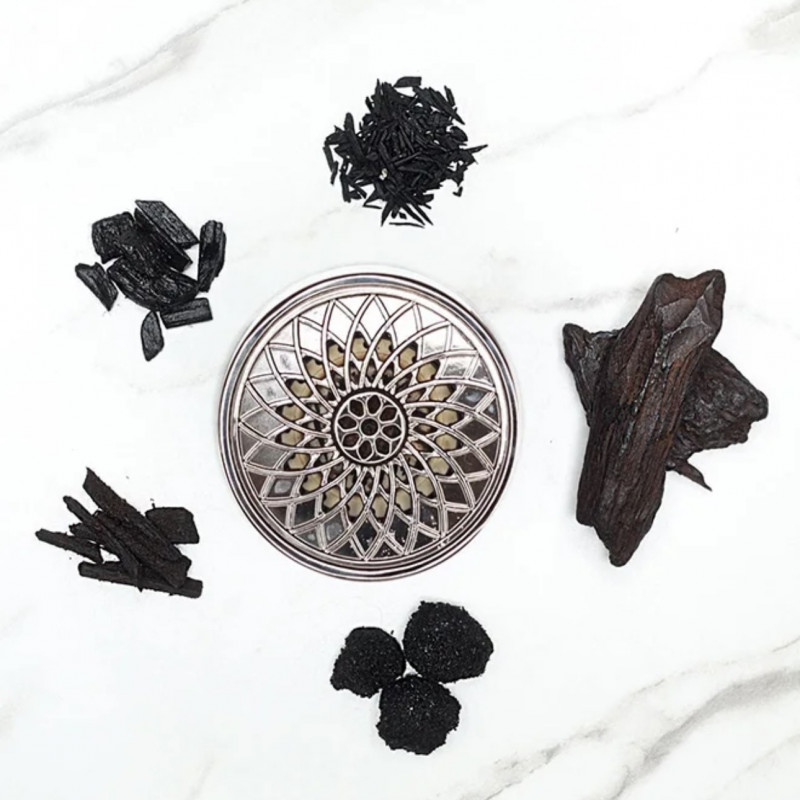
Smart Electric Bakhoor Burner — an electric burner for bakhoor, if you want the room to feel as fresh as your skin does.
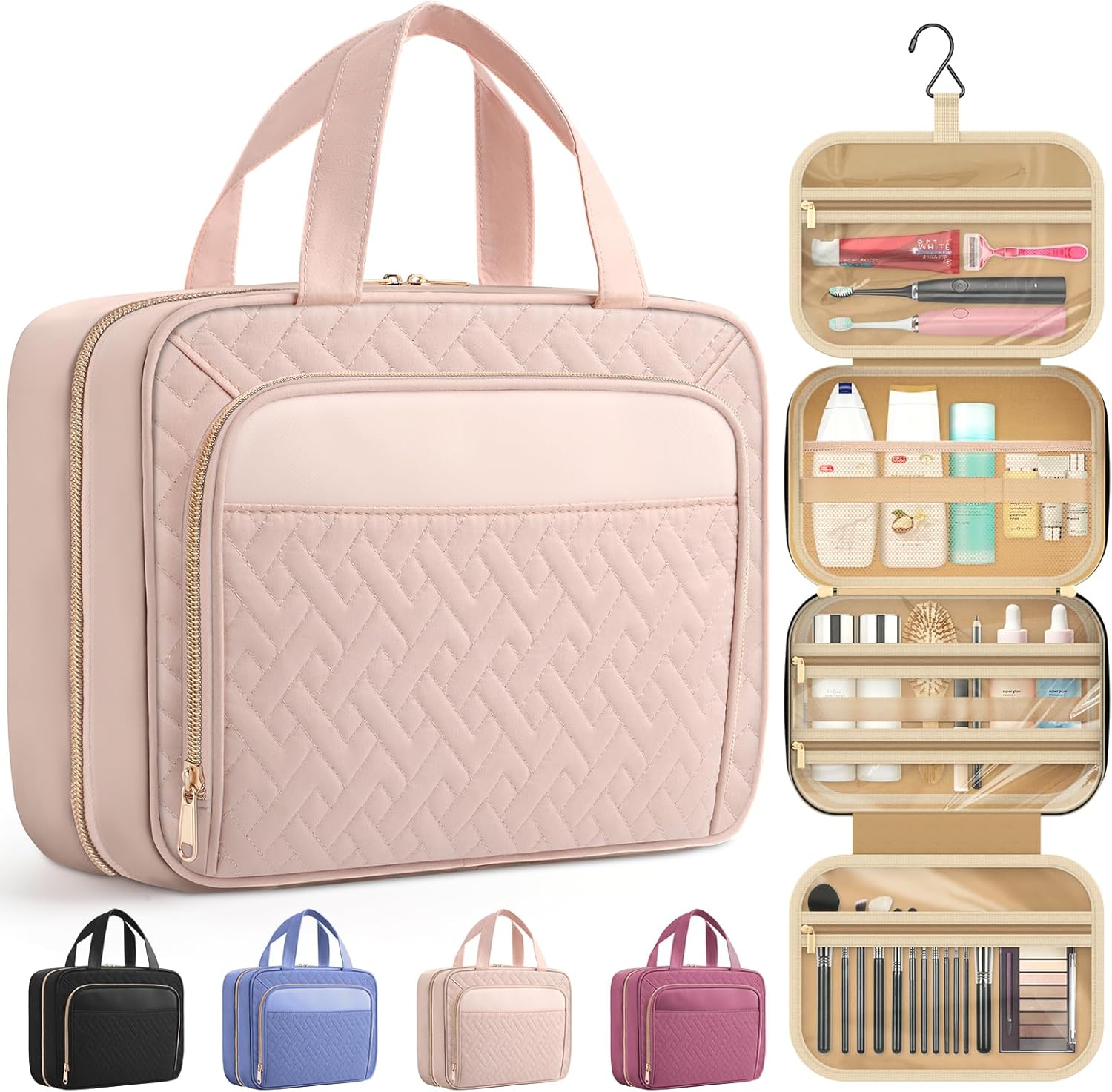
Large Travel Cosmetic Bag — a generously sized bag, which is where a mister and the moisturiser that follows it should both live.
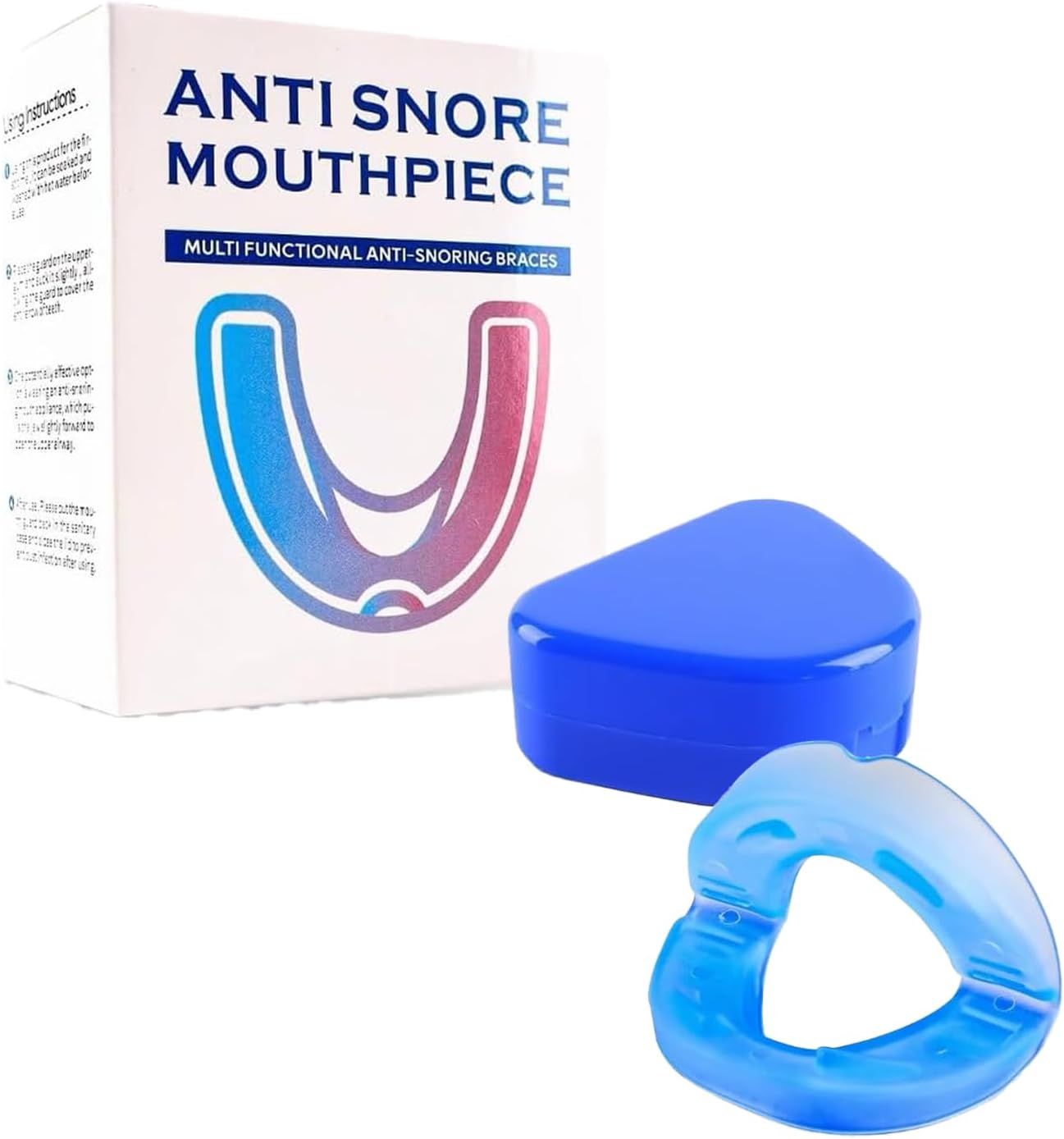
Anti-Snore Mouthpiece — a different corner of the personal care range, aimed at the night rather than the day.
Everything else is at the WLD Store shop.
Frequently asked questions about a portable mist sprayer
Can I put toner or rose water in a portable mist sprayer?
Only if the maker specifically says so. Ultrasonic plates are designed for plain water, and anything containing oils, alcohol or dissolved solids will foul the plate and weaken the mist permanently.
Will it ruin my makeup?
A genuinely fine mist should not, and a light pass can help powder settle. Hold it further away than you think, keep it brief, and do not mist to the point where droplets are visible on the skin.
Does misting actually hydrate skin?
It raises surface moisture briefly. To keep that benefit, apply a moisturiser while the skin is still slightly damp, otherwise the water evaporates and the effect is short-lived.
How often can I use one?
Two or three times a day is sensible in dry or air-conditioned conditions, always followed by moisturiser. Constant misting without sealing can leave skin feeling drier rather than better.
What water should I put in it?
Distilled or purified water. Tap water works but leaves mineral deposits that shorten the life of a portable mist sprayer, and bottled mineral water is the worst option of the three.
Is it safe to take on a plane?
Rules vary by airline and airport, and liquids in cabin baggage are restricted. Empty the tank before you travel and refill after security, which sidesteps the question entirely.
The short version
Use distilled water, hold it a hand’s width away, mist for a few seconds, and always follow with moisturiser while the skin is damp. Empty and dry it between uses, descale the plate when the mist weakens, and keep it out of direct sun.
The WLD Store option described above is the Portable Mist Sprayer, a USB rechargeable nano facial mister with silent operation, available across Saudi Arabia through secure checkout. Browse the rest in the Skin Care section. For why a fine mist cools so effectively, the English Wikipedia article on the evaporative cooler explains the principle well.


Add comment