A good terry cotton mattress cover is the cheapest insurance a bed will ever get. A mattress gets used every single night for years, and it is one of the hardest things in a house to clean once something soaks into it. This guide explains what a terry cotton mattress cover actually does, how the fabric and the waterproof backing work together, and how to pick a size that stays put instead of bunching up at 2am. You will also find fitting steps, washing advice that protects the waterproof layer, four common problems with quick fixes, a short buying checklist and answers to the questions shoppers ask most.
Why a terry cotton mattress cover matters more than people expect
A mattress is used more hours per week than any other item in the house, and it is the item you cannot throw in a machine. Sheets get washed, pillow covers get washed, but the mattress stays exactly where it is. Anything that gets past the sheet settles into the foam or fibre fill and stays there. That is the gap a terry cotton mattress cover closes.
The damage that actually ruins mattresses is rarely dramatic. It is slow: body moisture on warm nights, a damp towel left on the bed, hair oil, a leaking water bottle, spilled medicine, a child who is still learning. None of that ruins a mattress on day one. It builds up, and by the time a mark shows on the surface the layers underneath have already absorbed it.
Humid homes have a second problem. Moisture that cannot escape turns into a smell, and a smell inside a mattress is close to impossible to remove because you cannot rinse it out. A cover with a breathable waterproof film keeps liquid sitting on the surface while still letting vapour move through, so the mattress underneath stays dry.
Then there is the allergy question. Mattresses collect shed skin, and shed skin feeds house dust mites, a common trigger for morning sneezing and itchy eyes. A washable barrier means the layer where all of that collects can go through the laundry instead of living on the bed for years.
What makes a good terry cotton mattress cover
Folded in a bag, every protector looks the same. The differences appear after a month of real use, and they come down to five things.
The terry cotton top layer
Terry cloth is the same loop-pile fabric used for bath towels. Those loops create a soft, slightly textured surface with a lot of surface area, which is exactly why terry absorbs so well. On a bed that matters twice over: small amounts of moisture are pulled away from the sleeper rather than pooling on a slick surface, and the fabric does not feel like plastic under a fitted sheet. A terry cotton mattress cover is usually what people move to after trying a cheap vinyl protector and hating the crinkle.
The waterproof layer underneath
The waterproofing in a terry cotton mattress cover is a thin film bonded to the back of the fabric. You should not see it or feel it from the sleeping side. Its job is simple: hold liquid above the mattress long enough for you to notice and strip the bed. A good bond survives repeated washing. A poor one starts lifting at the corners, and the cover stops working exactly where spills tend to run.
Size, depth and the fitted skirt
This is where most disappointment comes from. A king size cover has to match the width and length of your bed and the depth of the mattress. Measure from the top surface down to the base, and add a little if you sleep on a topper. A deep elasticated skirt grips the sides and holds the sheet flat; a shallow skirt rides up during the night and bunches under your back.
Breathability and noise
Two complaints kill a protector: it sleeps hot, and it rustles. Both come from the backing. A breathable film lets water vapour pass while still blocking liquid, and a soft terry face muffles whatever small sound the film makes. If you are a light sleeper, these two things matter more than any other feature on the list.
Washing and everyday practicality
A cover you cannot wash easily is a cover you will take off once and never put back. Machine washable is not a bonus feature here, it is the entire point. Check that it can be washed at a normal temperature and dried without heat damage to the film, because drying is what decides how many years it stays waterproof.
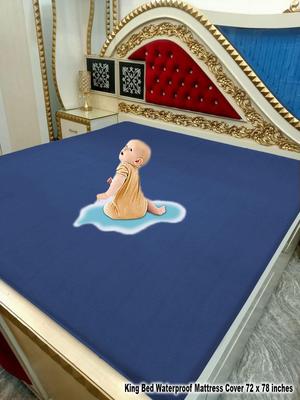
The WLD Store pick: Waterproof Terry Cotton Mattress Cover
If you would rather not compare a dozen listings, this is the terry cotton mattress cover WLD Store carries in its Home and Kitchen range.
- Product: Waterproof Terry Cotton Mattress Cover, sold as a king size bed protector.
- Fabric: a soft terry cotton top with a waterproof layer behind it, so spills, stains and dust stay off the mattress itself.
- Size: made for king size beds.
- Washing: machine washable, so it goes through an ordinary laundry cycle.
- Category: Home and Kitchen.
- Brand: WLD.
- SKU: WLD-PK-0009-(MK-210752).
- Availability: available across Pakistan through secure checkout.
Full listing and details: Waterproof Terry Cotton Mattress Cover at WLD Store.
How to fit a terry cotton mattress cover and get the best from it
Fitting takes five minutes, but a few habits decide whether a protector works for years or ends up folded in a cupboard.
- Wash it before the first night. A first wash softens the loops and drops the packing creases so the cover lies flat.
- Strip the bed completely. Remove the fitted sheet and any topper, then vacuum the mattress surface before the terry cotton mattress cover goes on. Whatever you leave underneath stays trapped there.
- Start with two opposite corners. Hook the skirt over one corner, then its diagonal opposite, then the remaining two. Working diagonally keeps the fabric centred.
- Smooth from the middle outwards. Push wrinkles towards the edges with your palms instead of tugging at the elastic.
- Put the fitted sheet back on top. The cover is a barrier, not a bedsheet. Sheets take the daily wear and get washed weekly; the layer underneath is washed far less often.
- Check the corners after a week. If the same corner keeps popping off, the depth is wrong for your mattress rather than the cover being faulty.
One practical tip: if a child is toilet training or someone at home is unwell, a second terry cotton mattress cover earns its place quickly. Stripping a wet bed at three in the morning is far less miserable when a dry replacement is already folded in the cupboard.
Care and maintenance
The waterproof film is the part that ages, and heat is what ages it. Almost every care rule for a terry cotton mattress cover comes back to keeping temperatures sensible.
- Wash warm or cool, not on the hottest setting, with ordinary detergent.
- Skip fabric softener. Softener coats terry loops and cuts how much they absorb, which is the opposite of what you bought them for.
- Do not bleach. Bleach attacks the cotton fibres and the bond between fabric and film.
- Dry low or line dry. A hot dryer is the fastest way to turn a waterproof layer brittle. Drying in shade protects the colour as well.
- Never iron the backing. There is no reason to iron a protector, and a hot plate will melt the film in seconds.
- Deal with spills the same day. Blot first, then wash, so nothing dries into the pile.
How often should it be washed? Every couple of months suits an adult bed with sheets changed weekly, and more often in hot weather or if anyone at home has allergies. Wash it alone or with towels, because zips and hooks from other laundry snag terry loops.
Common problems and quick fixes
- It slides off the corners. Nearly always a depth mismatch rather than a fault. Re-measure the mattress including any topper, and use elastic sheet grippers under the corners as a temporary fix.
- The bed feels warm at first. Give it one wash and a few nights. A new terry cotton mattress cover has a stiff pile that traps air; washing opens the loops and the surface starts breathing properly.
- A faint smell after washing. That is trapped damp in the backing. Line dry it completely, backing side out, before it goes anywhere near the bed. A partly damp protector should never go back on a mattress.
- Liquid got through anyway. Check where. If it ran off the side and down the mattress edge, the cover worked but the volume beat it. If it came through the middle, the film has been damaged, usually by a hot dryer or an iron.
Buying checklist: five questions before you order
- Have I measured, or am I guessing? Bed sizes vary between manufacturers. Width, length and depth all matter before you pick a size.
- Do I want absorbency, or only a shield? A terry cotton mattress cover gives you both, while a plain laminated sheet only blocks.
- How will it feel through a sheet? If a protector changes how the bed feels, nobody keeps it on.
- Does it suit my laundry routine? Machine washable is the baseline; drying instructions are what decide its lifespan.
- Do I need a spare? Homes with small children, pets or an unwell family member do better with two, so the bed is never left bare.
Other Home and Kitchen picks at WLD Store
If you are sorting out the house anyway, these three are worth a look alongside the terry cotton mattress cover.
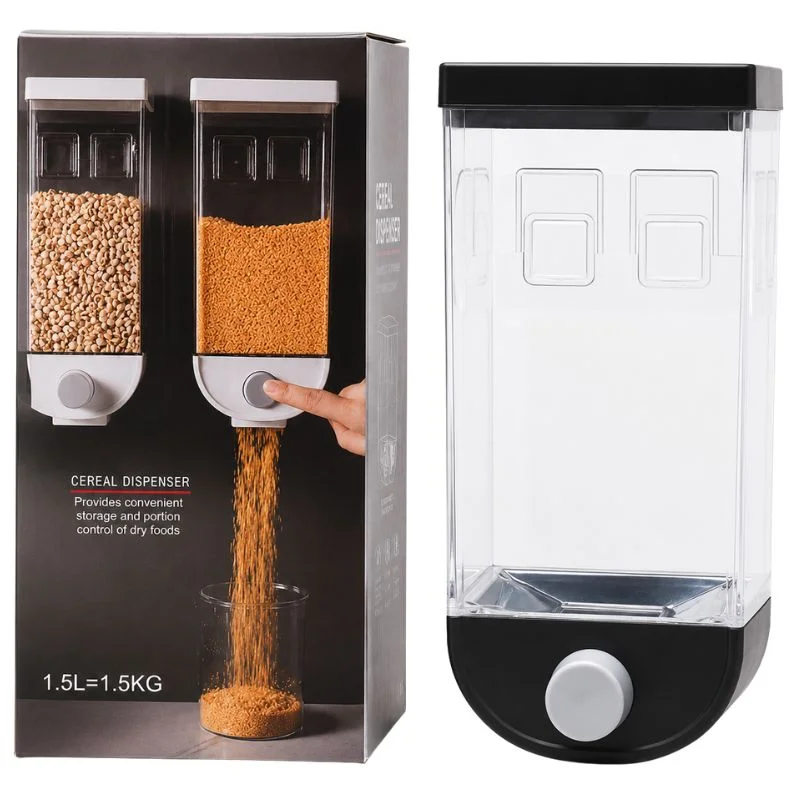
Wall Mounted Cereal Dispenser 1.5L gets dry goods off the counter and onto the wall.
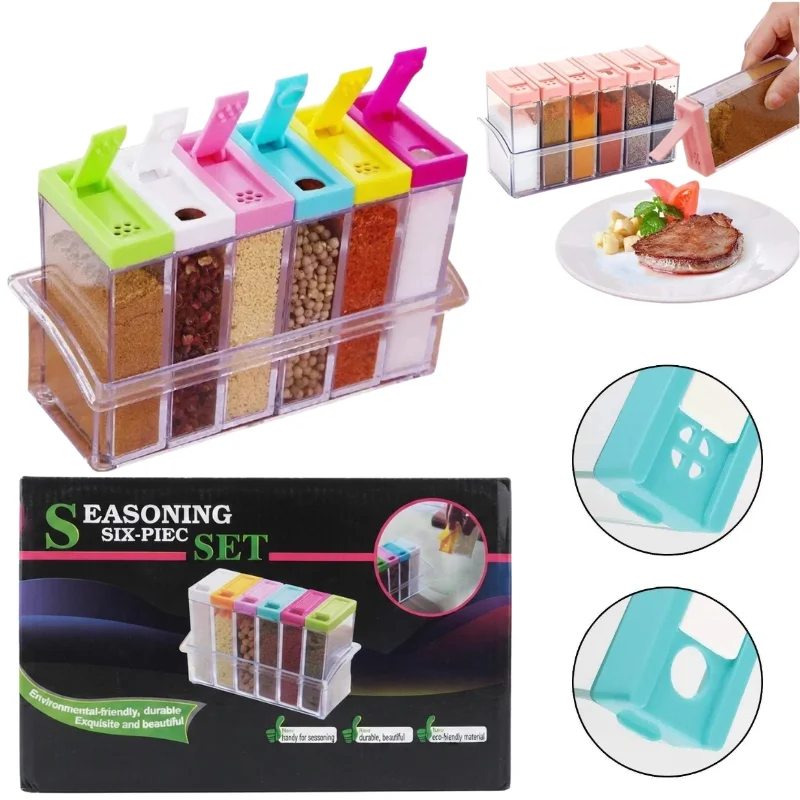
Spice Jars Dispenser Set of 6 brings matching jars to a shelf that has none.

Portable Blender Bottle for shakes made at the desk instead of the kitchen.
Terry cotton mattress cover vs a quilted protector pad
These two sit side by side on most shelves and get confused constantly. A quilted protector pad is a thin padded layer that lies on top of the mattress like a very slim topper, usually held on by elastic corner straps. A terry cotton mattress cover is a fitted, sheet-style layer with a towelling face and a skirt that wraps down the sides, so it stays put and shields far more of the mattress than the top face alone.
The practical difference is what each one is trying to do. A quilted pad is mostly about feel: a little more softness on a firm mattress. A terry cotton mattress cover is mostly about protection from spills, sweat and toddler accidents, and about keeping a mattress you paid real money for in the condition you bought it. If your complaint is comfort, buy the pad. If your complaint is mess, buy the cover.
Laundry pushes the decision further. Quilted pads are bulky, slow to dry and awkward in a small machine, so most households own one and wash it rarely. A terry cotton mattress cover behaves much more like a large bath towel, which means owning two and rotating them is realistic. On a bed that sees regular accidents, two covers in the cupboard are worth more than almost any other upgrade you can make to that bed.
You can run both together. The order matters: pad first, then the terry cotton mattress cover over it, then the fitted sheet. Putting the waterproof layer underneath the pad defeats the whole arrangement, because the pad absorbs the spill long before the barrier ever meets it, and a soaked quilted pad is exactly the thing you were trying to avoid washing.
Who should think twice before buying one
Not every bed needs one, and it is more useful to say so than to pretend the product suits everybody.
- Very hot sleepers on memory foam. Foam already holds heat, and any additional layer adds a little more. Cotton towelling breathes far better than bare plastic sheeting, but if you already wake up too warm, live with one for a week before buying a second.
- Mattresses under a warranty that restricts covers. A small number of manufacturers specify what may be fitted over the mattress. Read the warranty card before ordering rather than after a claim.
- Households that will not actually wash it. The entire point of a terry cotton mattress cover is that it takes the punishment instead of the mattress. Left unwashed for a year it stops being protection and simply becomes the dirty layer.
- Unusually deep or unusually shallow mattresses. Measure the depth before you order. A skirt that is too shallow pings off a corner in the night; one that is far too deep bunches into ridges under the sheet.
- Anyone hoping it will fix a sagging mattress. It will not. A cover protects a surface; it cannot restore support that has already gone.
For most other beds, including children’s rooms, guest rooms, rented flats and any mattress you would rather not replace early, a terry cotton mattress cover is among the cheapest pieces of insurance in the house. It is worth buying before you need it rather than the morning after the accident that sent you looking for one.
Frequently asked questions about the terry cotton mattress cover
Is a terry cotton mattress cover the same as a mattress topper?
No, and the two are often confused. A topper is thick padding that changes how firm the bed feels. A terry cotton mattress cover is a thin protective layer that changes nothing about comfort and everything about what reaches the mattress. You can use both together, with the protector on top of the topper so the topper is protected too.
Will it make the bed feel hot?
A breathable protector should not, once it has been washed. Terry is a natural cotton pile that moves moisture away from the skin, and the film behind it is designed to pass vapour while blocking liquid. Heat complaints usually come from thick laminated plastic sheets rather than from a terry cotton mattress cover.
Do I still need a fitted sheet on top?
Yes. The sheet is what you sleep against and what gets washed every week. The protector sits underneath it, doing a different job, and lasts much longer because the sheet takes the daily friction.
How often should the cover be washed?
Every one to two months is a sensible rhythm for most beds. Wash sooner after any spill, during hot humid spells, or if someone in the house has dust allergies. Frequent gentle washes are kinder to the waterproof layer than rare hot ones.
Does it help with dust mites and allergies?
It helps by giving you something washable in the place where skin flakes and dust would otherwise collect. A terry cotton mattress cover is not a medical treatment, and it will not do anything about dust already inside the mattress, but it does stop new build-up from reaching the fibres.
Can I use it on a mattress that is already stained?
Yes. It will not remove an old stain, but it stops that stain from getting worse and keeps everything new on a washable surface. Vacuum the mattress and let it air fully in daylight before you fit the cover, so nothing damp is sealed in.
The short version
A mattress is a long purchase and a terry cotton mattress cover is a short one, which is what makes the trade so obvious. Measure your bed, pick the right depth, wash it before use, keep it away from hot dryers, and the mattress underneath stays in the condition it was in on the first night. You can see this one on the product page, or browse the rest of the range in the Home & Kitchen section.




Add comment