A pantry cabinet organizer earns its place by solving a problem every kitchen has: the air above your tins. A standard shelf is tall enough for a cereal box, so storing anything shorter leaves a band of unusable space that adds up to a surprising fraction of the cupboard. This guide covers how to measure properly, what to look for in materials and adjustability, where to put which foods, and how to load a rack safely. It also covers the multi-tier model WLD Store lists for households in Saudi Arabia.
Why kitchen cabinets waste so much space
Cabinet shelves are built to one height because manufacturing to one height is cheap. Your food is not one height, so most shelves end up half empty vertically while looking completely full from the front.
The second problem is depth. Deep shelves swallow items at the back, and anything you cannot see may as well not exist. Most households discover duplicates and expired stock the first time they empty a deep cupboard properly.
The third is stacking. When there is no structure, tins get stacked, and a stack has to be dismantled to reach the bottom one. That friction is what turns a tidy cupboard into a jumbled one within a fortnight.
A pantry cabinet organizer addresses all three by adding tiers, bringing rear items into view and removing the need to stack. That is the whole idea, and it is why such a simple product makes such a visible difference.
What a pantry cabinet organizer actually fixes
The obvious benefit is capacity. Splitting one tall gap into two or three usable levels can add a substantial amount of storage without changing a single cupboard.
The less obvious benefit is visibility, and it matters more day to day. Stepped tiers let you see the labels of items at the back, which means you buy what you actually need and use what you already own before it expires.
There is a speed benefit too. Cooking is faster when everything has a fixed home, because you stop hunting. A pantry cabinet organizer imposes that structure without requiring anyone in the household to be especially tidy.
Finally, there is a cleaning benefit. Lifting a rack out is much easier than removing forty individual items, so shelves actually get wiped rather than being wiped around.
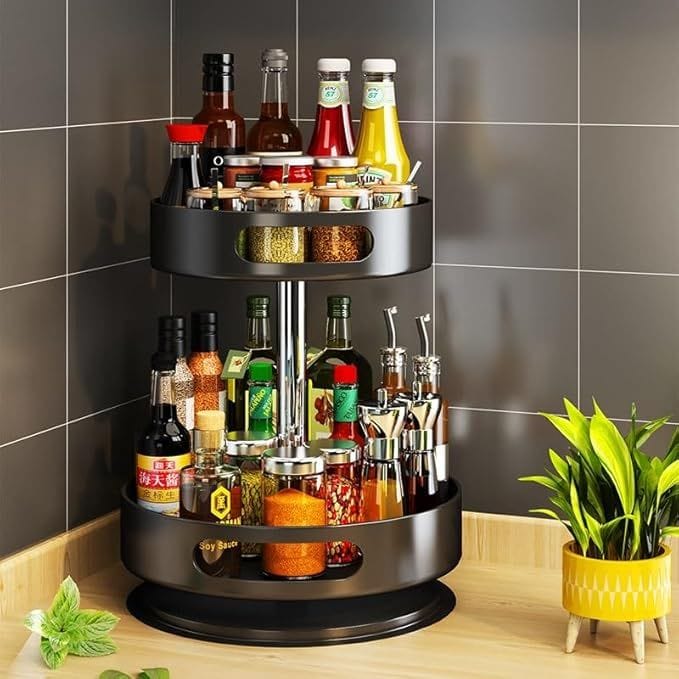
What makes a good pantry cabinet organizer
Five things decide whether a rack becomes permanent or gets quietly removed after a month.
Correct dimensions
This is where most purchases go wrong. Width, depth and, above all, height have to suit the specific cupboard, and a rack that is two centimetres too tall simply cannot be used.
Measure the internal height at the shallowest point, since cabinet interiors often have a lip or a hinge plate that steals space at the front. A pantry cabinet organizer that fits on paper but fouls a hinge is a return waiting to happen.
Material and finish
Coated steel wire is strong for its weight, easy to clean and lets you see what is on the shelf below. Plastic is lighter and quieter but flexes under heavy tins. Bamboo and wood look better in an open pantry but need more care around moisture.
Whatever the material, check the finish for chips. Any exposed metal in a humid kitchen is where rust starts, and rust near food storage is not something to tolerate.
Adjustability
Adjustable width or height is worth paying for, because kitchens change. A rack that expands lets you move it to a different cupboard later instead of buying another one.
The WLD Store listing describes the model below as having a durable, adjustable design intended to suit different kitchen layouts, which is the flexibility to look for.
Tier spacing and depth
Check the gap between tiers against what you actually store. Spice jars need very little height; sauce bottles and tall cans need considerably more. A rack with generous spacing is more flexible even if it offers fewer levels.
Depth matters too. A tier deeper than about twenty centimetres starts to hide things at the back again, which defeats the purpose.
Stability and feet
A loaded rack should not rock. Look for wide feet or non-slip pads, since a rack that slides when the door closes will eventually tip its contents.
The WLD Store pick: Pantry Cabinet Organizer
These are the details stated in the WLD Store listing, reported exactly as written with nothing added.
- Product: Pantry Cabinet Organizer, described as a multi-tier storage rack.
- Category: Home & Kitchen, also listed under Kitchen Tools.
- Brand: WLD.
- SKU: WLD-KSA-0027-(KD-KD0178).
- Intended places: the listing names pantries, cabinets and shelves.
- Intended contents: the listing mentions canned goods, spices, bottles and jars.
- Design: described as durable and adjustable to suit different kitchen layouts.
- Availability: sold across Saudi Arabia through secure checkout.
The Pantry Cabinet Organizer product page carries the full specification and current availability, and is the authoritative source if any detail changes.
How to measure for a pantry cabinet organizer
Five minutes with a tape measure prevents the most common disappointment in this category.
- Measure internal height, not shelf spacing on a diagram. Measure from the shelf surface to the underside of the shelf above.
- Measure at the front and the back. Cabinets are rarely perfectly square, and the smaller figure is the one that matters.
- Check for obstructions. Hinge plates, door catches and pipe boxing all steal usable width.
- Measure your tallest item. If a bottle you use daily will not fit under a tier, the layout is wrong before you start.
- Allow clearance for the door. Some cabinet doors intrude when closed, and a rack sitting flush to the front edge will foul them.
- Write the numbers down. Comparing a listing against remembered measurements is how people end up with the wrong size twice.
The one-hour reset that makes a pantry cabinet organizer work
Fitting a rack into a full cupboard rarely helps, because the underlying problem is what is in there rather than how it is stacked. One focused hour fixes that permanently.
Start by emptying the cupboard completely onto a table. This feels excessive and it is the step that does most of the work, because you cannot decide what to keep while half of it is hidden at the back.
Sort into four piles: daily, weekly, occasional and expired. Be honest about the third pile, since it is usually much larger than people expect and it is what has been eating the good shelf space.
Wipe the shelf, fit the pantry cabinet organizer and load the daily pile first, at eye level and at the front. Then the weekly pile, then the occasional items high or at the back.
Finish by writing a shopping note of anything you thought you had and did not. That list is the direct financial return on the hour, and it is usually enough to cover the cost of the rack itself.
Loading a pantry cabinet organizer: what goes where
Where things live matters as much as the rack itself, and a few principles hold in almost every kitchen.
Put daily items at eye level and in the front row. Rice, oil, coffee, tea and whatever your household reaches for every morning should never require bending or moving something else.
Put heavy items low. Large tins, glass jars and bottles belong on the bottom tier or on the shelf itself, both because a top-heavy pantry cabinet organizer is unstable and because dropping a heavy jar from shoulder height is genuinely dangerous.
Put rarely used items high or at the back. Celebration ingredients, bulk spares and seasonal items do not deserve prime space, however much they cost.
Group by use, not by type. Everything for making breakfast in one zone beats separating tins from packets, because that is how people actually cook.
Leave the front row of each tier as the working row. Reaching past one item to get another is the friction that eventually undoes any system, so anything used daily should be grabbable with one hand while the other holds a pan.
Finally, accept that the layout will need one revision. After a fortnight of real cooking you will know which two items are in the wrong place, and moving them then is what makes the arrangement stick for years.
A zoning system that survives a busy household
Any organisation system fails if it depends on one person maintaining it. These habits make a layout self-sustaining.
- Give every zone a clear boundary. One tier for baking, one for breakfast, one for tinned goods. Ambiguity is what causes drift.
- Label the front edge. A small label tells everyone else in the house where something belongs without being asked.
- Rotate stock front to back. New purchases go behind the old ones, so nothing expires unnoticed at the rear.
- Keep one tier deliberately empty. A shopping trip needs somewhere to land, and a completely full pantry cabinet organizer collapses into chaos the moment it overflows.
- Do a two-minute reset weekly. Pushing things back into their zones once a week prevents the hour-long tidy later.
- Check dates monthly. Doing it on a fixed day is far more reliable than doing it when you remember.
Pantry cabinet organizer load limits and safety
This gets ignored until something falls, so it is worth covering plainly.
Every rack has a load limit, and tins are heavier than people estimate. A tier packed with large cans can weigh a considerable amount, and the failure mode is usually a bent shelf rather than a dramatic collapse.
Keep the weight low. Loading the top tier of a pantry cabinet organizer with heavy glass raises the centre of gravity and makes the whole assembly easy to tip when someone reaches past it.
Watch the cupboard shelf as well as the rack. Older particleboard shelves sag over time, and a heavy rack concentrated in the middle accelerates that. If a shelf is already bowed, spread the load or reinforce it before adding more.
Finally, think about children. A rack at low level is a ladder to a curious toddler, and glass jars at that height are a hazard. Keep breakables above reach and consider a cupboard catch where relevant.
Pantry cabinet organizer care and cleaning
- Wipe spills immediately. Sugar and oil are the two that turn into a permanent film if left.
- Lift the rack out monthly. Wipe both the rack and the shelf beneath it; this is the main practical advantage over storing items loose.
- Dry it fully before reloading. Trapped moisture under a rack is how mould starts in a closed cupboard.
- Inspect the coating. Touch up or retire any rack where the coating has chipped and bare metal is showing.
- Check the feet. Non-slip pads harden and fall off over time, which is usually the first sign of a wobble.
- Keep it away from the cooker. Heat and grease shorten the life of any finish and make cleaning much harder.
Pantry cabinet organizer problems and quick fixes
- It rocks when loaded. Uneven feet or an uneven shelf. Add felt or rubber pads under the low corner.
- Items still get lost at the back. The tier is too deep. Turn the rack sideways, or use it for taller items you can see over.
- It slides forward when the door closes. Add non-slip matting under the feet, which also protects the shelf.
- A tier is bowing. It is overloaded. Move heavy tins to the shelf itself and keep light packets on the rack.
Where else a pantry cabinet organizer works
The same wasted vertical space exists in most cupboards in a home, so a rack bought for the kitchen often ends up solving a different problem entirely.
Under the sink is the most common second home. Cleaning bottles are tall and awkward, and a rack that lifts smaller items clear of the plumbing recovers a cupboard most people had written off.
Bathroom cabinets benefit too. Small bottles, tubes and packets stack badly and topple constantly, and tiers let you see everything at once. Choose a fully coated or plastic rack here, since humidity is much higher than in a kitchen.
Wardrobes and linen cupboards are worth considering for folded items, bags and shoes, where a single tall shelf is otherwise almost impossible to use efficiently.
Garages, storerooms and craft cupboards are the fourth option. A pantry cabinet organizer holding paint tins, tools or supplies works exactly as it does with food, and the visibility benefit is the same.
If you are unsure where a spare rack should go, put it in whichever cupboard you find yourself rummaging in most often. That is where the wasted space is costing you time.
Pantry cabinet organizer versus baskets and drawer inserts
Different problems need different answers, and buying the wrong one wastes both money and space.
Pull-out baskets are excellent for deep cupboards because they bring the back to you. They cost more, often need fitting, and they do not add vertical levels, so the wasted airspace stays wasted.
Drawer inserts solve a different problem entirely: dividing a shallow horizontal space so items stop sliding around. They are unrelated to the vertical waste in a tall cupboard.
A pantry cabinet organizer is the right answer when the wasted space is vertical and the items are small: tins, jars, packets and spices. It needs no fitting and can be moved to another cupboard whenever your kitchen changes. For background on how food storage rooms developed, Wikipedia has an article on the pantry.
Pantry cabinet organizer buying checklist
- Have you measured internal height at the narrowest point? This is the single most common mistake.
- Is it adjustable? Adjustable racks survive a kitchen rearrangement.
- Does the tier spacing suit your tallest daily item? Check bottles, not just tins.
- Is the material right for your kitchen? Coated steel for humidity, wood for looks, plastic for light loads.
- Where will the heavy items go? Plan for weight low and light items high.
Other Home & Kitchen picks at WLD Store
If you are working through the kitchen and the wider home, these three items from the same part of the range are worth a look.
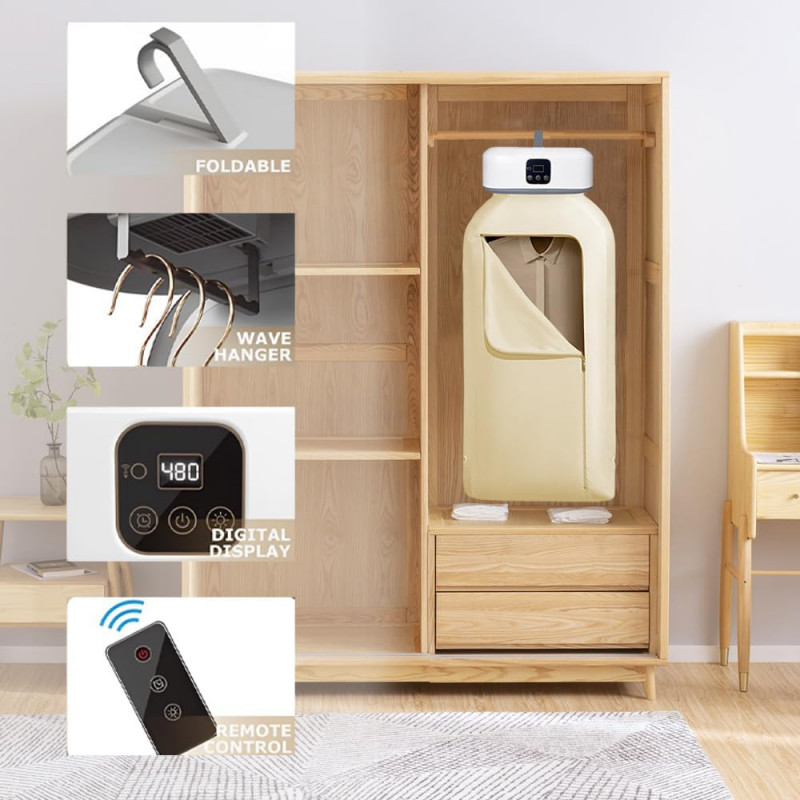
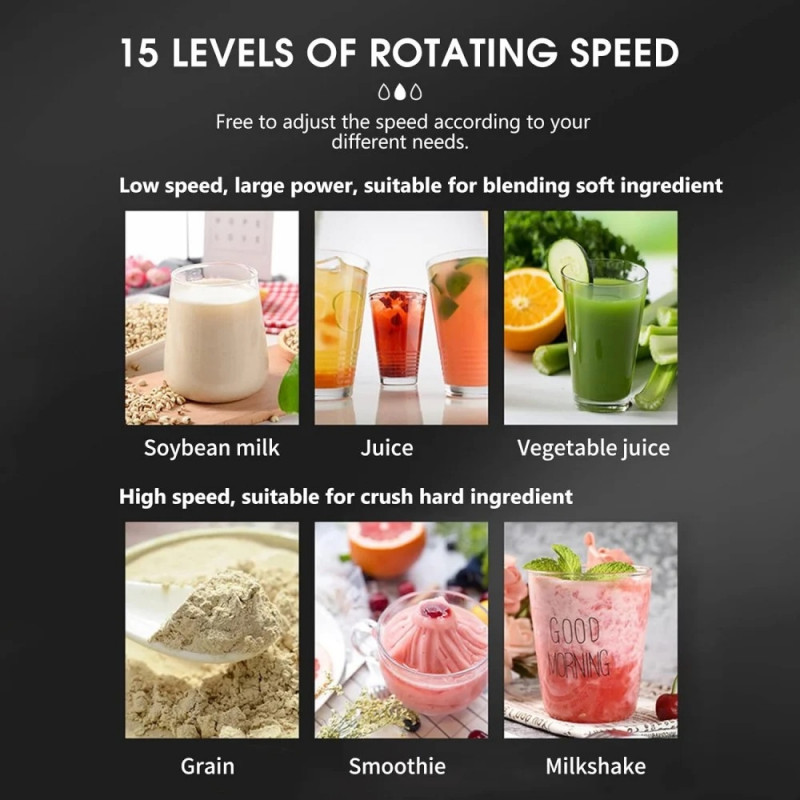
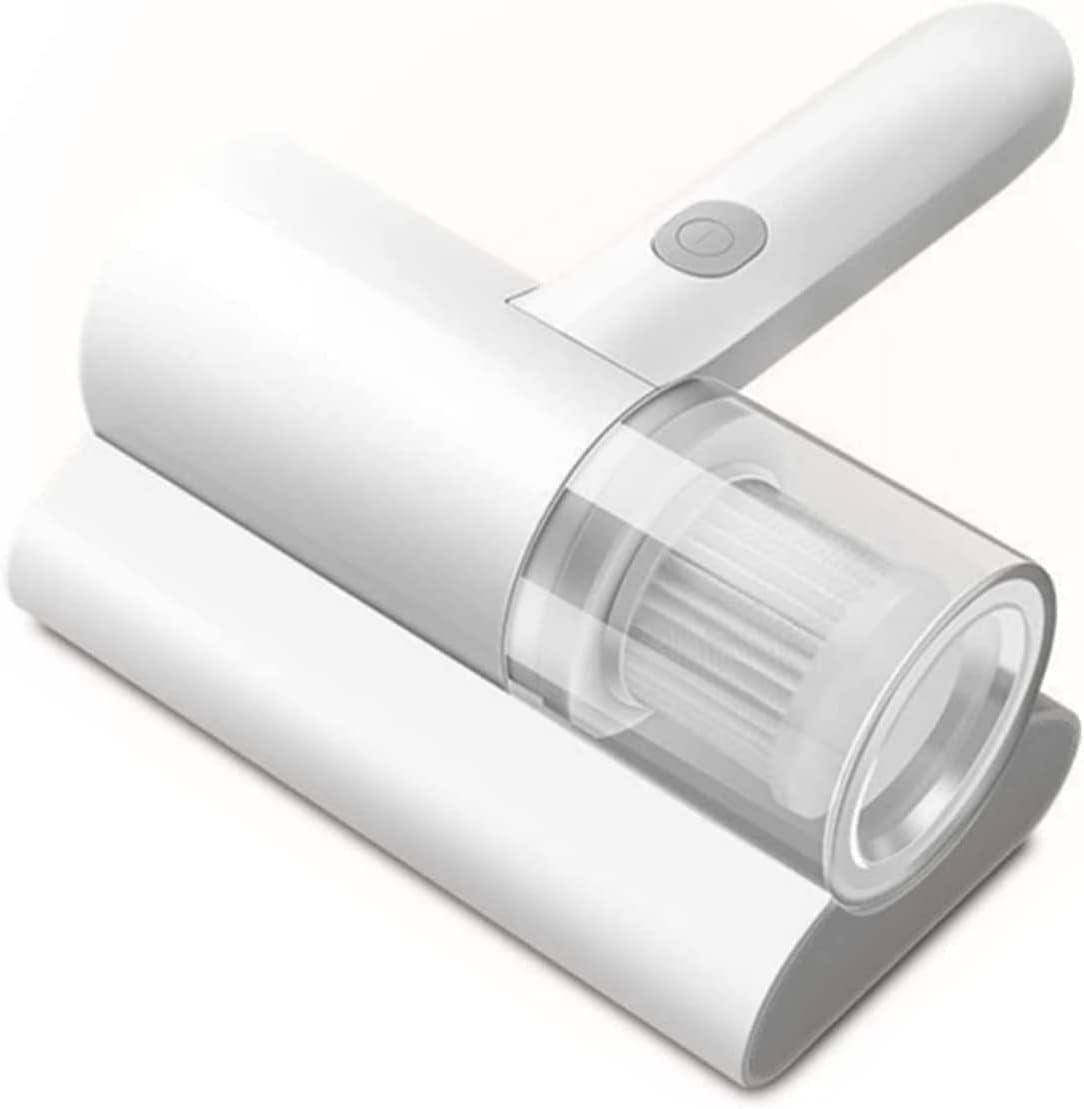
The foldable clothes dryer tackles laundry space, the smart blender is a countertop staple, and the dust and mite vacuum covers the cleaning side of the same tidy-home project.
Frequently asked questions about the pantry cabinet organizer
What size pantry cabinet organizer should I buy?
Measure the internal height of your cupboard at its narrowest point, then the usable width and depth, and choose a rack smaller than all three. Height is the measurement people get wrong most often.
Can a pantry cabinet organizer go in a fridge or bathroom?
Coated steel and plastic racks generally cope with both. Check the finish is fully sealed, because chipped coatings rust quickly in damp conditions, and avoid untreated wood in a fridge or a shower room.
How much weight can a tier hold?
It varies by design and material, and the limit is lower than most people assume once tins are involved. Keep heavy glass and large cans on the bottom tier or on the shelf itself.
Will a pantry cabinet organizer fit a deep cupboard?
It will fit, but a very deep cupboard still hides things behind the rack. Either combine it with a pull-out basket at the back, or turn the rack so you can see along the tiers.
How do I stop a pantry cabinet organizer sliding?
Non-slip shelf matting under the feet solves it almost every time, and it protects the shelf surface as well. Check the factory-fitted pads periodically, as they harden and drop off with age.
Is it worth buying more than one?
Often yes. Most kitchens have two or three cupboards with the same wasted airspace, and matching racks keep the layout consistent, which makes the whole system easier for a household to maintain.
A pantry cabinet organizer is a small purchase with an unusually visible result, provided you measure the cupboard properly, keep heavy items low and leave a little room for the next shopping trip. If your cupboards have that band of wasted air above the tins, see the Pantry Cabinet Organizer listing, or browse the wider range in the Kitchen Tools section.





Add comment