A smart electric mop exists because traditional mopping is two chores pretending to be one: pushing a wet cloth around, and then wringing it out by hand. Powered spinning heads take over the scrubbing motion, and a well-designed bucket takes over the wringing, which is why the category has grown so quickly. This guide explains how the mechanism works, which floors genuinely suit it, what to put in the water, and the electrical safety points that matter when a motor meets a wet floor. It also covers the model WLD Store lists for Saudi Arabia.
What a smart electric mop actually changes
The first change is effort. A traditional mop only cleans as hard as you push, so the tired end of a session is always the least effective part. A powered head applies the same scrubbing motion from the first room to the last.
The second change is your hands. Wringing a cloth by hand means touching dirty water repeatedly, and a bucket system that spins or presses the pad dry removes that entirely. The WLD Store listing describes an easy-bucket system intended to keep hands dry.
The third is reach. A rotating head follows the floor rather than being dragged across it, which generally makes edges, corners and the strip beside a kickboard easier to clean than with a flat mop head.
The fourth is time. Most households find that a smart electric mop shortens the job rather than improving the result dramatically, and for a daily or every-other-day chore, shorter is what makes it sustainable.
How a smart electric mop spinning head works
The principle is simple. One or two circular pads are driven in rotation, so the pad does the scrubbing motion while you simply guide the unit across the floor.
Rotation matters because dirt sits in the texture of a floor rather than on top of it. A pad moving in circles crosses each groove from several directions in a single pass, which lifts more than a pad moving in one straight line.
Twin counter-rotating pads add a second effect: the two heads pull against each other, so the unit tends to glide rather than wander. That is what makes a smart electric mop feel light despite the motor and water it carries.
The pads themselves do most of the actual work. Microfibre traps fine particles in its structure instead of pushing them ahead of the head, which is why pad condition matters more than motor power on any powered mop.
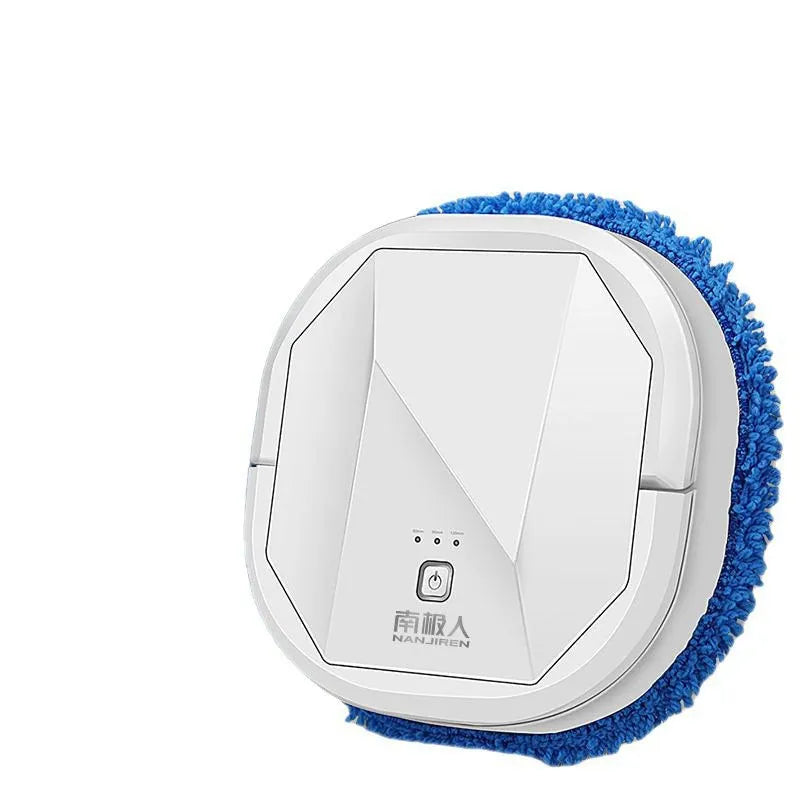
What makes a good smart electric mop
Five factors separate a unit that gets used twice a week from one that gets used twice.
Head design and rotation
Look at the head shape and how it moves. A round or twin-round head handles open floor quickly; a head that tapers towards the front reaches into corners better. The listing for this model describes a 360 degree spinning head intended to reach corners.
Also check the height of the head. A low-profile head slides under furniture and radiators, which is exactly where floors go longest without attention.
Water and cleaning solution delivery
How water reaches the floor changes the whole experience. A separate bucket keeps the unit light and lets you rinse thoroughly; an onboard tank is more convenient but adds weight to your arms.
Whatever the system, the important quality is control. Too much water on a floor is the most common cause of streaks, slow drying and damage to sensitive surfaces.
Weight, balance and handle
Total weight matters less than where that weight sits. A unit balanced near the head feels light in the hand; one with weight up the shaft feels heavy after ten minutes.
Check the handle length against the tallest person who will use it. Mopping with a handle that is too short means bending, and a smart electric mop that hurts your back will not be used.
Pads and replacements
Pads are consumables. Before buying, confirm that replacements are actually available, because a mop with no spare pads becomes useless the moment the originals wear out.
Having two sets is genuinely useful. It lets you wash one while using the other, and clean pads make far more difference to results than any other variable.
Power source
Check how the model you are looking at is powered, since this varies across the category and it changes how you use it. Corded units never run out mid-job but restrict your range; rechargeable ones are freer to move but need charging before a large clean.
The WLD Store pick: Smart Electric Mop
These are the details stated in the WLD Store listing, reported exactly as written with nothing added.
- Product: Smart Electric Mop, described as a self-spinning floor cleaning system.
- Category: Home & Kitchen, also listed under Home Appliances.
- Brand: WLD.
- SKU: WLD-KSA-0153-(KD-584123).
- Head: the listing states a 360 degree spinning head that reaches corners.
- Operation: described as scrubbing, wringing and cleaning with minimal effort.
- Bucket: the listing describes an easy-bucket system that keeps hands dry.
- Availability: sold across Saudi Arabia through secure checkout.
The Smart Electric Mop product page carries the full specification and current availability, and is the authoritative source if any detail changes.
Which floors suit a smart electric mop
This is the section that decides whether the purchase is a success, and it is the one most buyers skip.
Ceramic and porcelain tile is the ideal case. It is hard, sealed and textured enough that rotation genuinely helps, and it tolerates water without complaint. Given how common tile is across Saudi homes, this covers most floors.
Sealed natural stone such as marble or granite is usually fine with a damp pad and a neutral cleaner. Avoid anything acidic, including vinegar and many bathroom cleaners, because acid etches stone permanently.
Vinyl and sealed concrete generally work well. Laminate needs more care: the joints between planks are the weak point, so use the mop barely damp and never leave standing water.
Solid and engineered wood needs the most caution. Some finishes tolerate a barely damp microfibre pad and some do not, so follow the flooring manufacturer’s guidance rather than the mop’s marketing. Unsealed wood, unsealed stone and untreated cork should not be wet-mopped at all.
What to check when your smart electric mop arrives
Twenty minutes of checks on the first day is worth more than any review, because faults are much easier to raise inside the first week.
- Run it dry on a small area first. Confirm the head spins evenly and quietly before water is anywhere near it.
- Fit and remove a pad twice. Pads that are difficult to change will not get changed, and that is what ruins results over time.
- Check the handle at full extension. Any wobble at the joint gets worse with use, and it is the most common weak point on a smart electric mop.
- Test the water or bucket system. Look for leaks around seals and the fill cap while everything is still clean and dry.
- Clean one small, hidden area of floor. Behind a door is ideal, so any unexpected reaction to your finish stays out of sight.
- Weigh it in your hands. If it already feels heavy after two minutes, it will feel much heavier across a whole apartment.
Keep the packaging until these checks are done, since it makes a return straightforward and usually carries the model details you will need if you order replacement pads later.
How to use a smart electric mop properly
- Sweep or vacuum first. Grit turns a rotating pad into sandpaper and scratches the floor. This step is not optional.
- Wring the pad well. Damp, not wet, is the target. Excess water causes streaks and slow drying.
- Work in sections. Clean an area, then move on, rather than wandering. This stops you walking on floor that is still wet.
- Move slowly. The pad needs contact time. Rushing simply spreads dirt around.
- Rinse the pad regularly. A saturated pad stops absorbing and starts redistributing.
- Finish at the door. Plan the route so you end where you can leave the room without stepping on wet floor.
What to put in the water of a smart electric mop
Cleaning solution matters more than most people think, and the wrong choice can damage a floor that the mop itself would never have harmed.
Less is more. Excess detergent leaves a film that attracts dirt, so floors cleaned with too much product get dirty faster than floors cleaned with plain warm water.
Match the product to the floor. Neutral pH cleaners suit almost everything. Acidic cleaners damage stone, and strongly alkaline products can dull some sealed finishes over time.
Never mix cleaning products. Combining bleach with acidic or ammonia-based cleaners can release genuinely dangerous gases, and a mop bucket is exactly the kind of place people mix things absent-mindedly.
Finally, check whether the manufacturer of your smart electric mop restricts what can go in the tank or bucket. Some designs are damaged by thick or foaming products, and that damage is usually not covered by any warranty.
Smart electric mop safety around water
This deserves its own section because it involves mains electricity and wet floors in the same room.
Never immerse the motor housing, the handle electronics or the charging port. Only the pads and the parts specifically described as washable should go anywhere near a bucket.
Unplug or power down before changing pads or clearing anything from the head. A rotating head that starts unexpectedly while your fingers are near it is a real risk, not a theoretical one.
Inspect the cable on any corded model before each use, and stop using it immediately if the insulation is damaged. Keep charging bases well away from wet areas, and dry your hands before touching a plug.
Finally, remember that a freshly mopped floor is slippery. Keep children and anyone unsteady on their feet out of the room until it is dry, and put a warning out if you are cleaning a shared or communal space.
A cleaning routine that actually sticks
The best appliance in the world fails if the routine around it is unrealistic, and floor cleaning is where good intentions collapse fastest.
Split the job by traffic rather than by room. Entrances, kitchens and hallways collect most of the dirt and deserve attention two or three times a week; bedrooms and guest rooms rarely need more than a weekly pass.
Keep a smart electric mop where the high-traffic floors are. An appliance stored in a distant cupboard gets used far less often than the same appliance kept in the utility room next to the kitchen.
Batch the preparation. Vacuum the whole house first, then mop, rather than alternating room by room. It sounds trivial and it removes most of the stopping and starting that makes the job feel long.
Wash pads with the towels rather than as a separate load, and keep the second set ready on the shelf. Clean pads waiting to go is the single habit that keeps a smart electric mop performing like it did in the first week.
Smart electric mop care and pad maintenance
- Wash the pads after every use. Dirt left in microfibre hardens and scratches, and a dirty pad simply moves grime around.
- Skip fabric softener. It coats the fibres and destroys the absorbency microfibre depends on.
- Dry pads fully before storing. A damp pad left on the head smells within a day and can mark a floor.
- Empty and rinse the bucket every time. Standing dirty water is unpleasant and grows bacteria quickly in a warm climate.
- Check the head for hair and threads. Anything wound around a drive shaft strains the motor.
- Store it upright and dry. Leaving weight on the pads compresses them permanently.
Smart electric mop problems and quick fixes
- Streaks after mopping. Too much water or too much detergent. Wring harder and reduce the product.
- The head stops spinning freely. Hair wrapped around the drive. Power down and clear it before using it again.
- The floor still feels sticky. Detergent residue. Do one pass with plain warm water and clean pads.
- Dirt smears rather than lifting. The pad is saturated or worn. Swap to a clean pad, and replace pads that no longer feel plush.
Smart electric mop versus flat mops and robot mops
Three options cover most homes, and each is genuinely better at something.
A flat mop with a spray bottle is cheap, light, silent and has nothing to break. It relies entirely on your arm for scrubbing, which is fine for light maintenance cleaning and tiring for anything more.
A robot mop wins on effort, because it requires none at all. It also applies very little pressure, so it maintains a floor that is already clean rather than dealing with a kitchen after cooking.
A smart electric mop sits between them: real scrubbing pressure with far less physical work than a manual mop, and you stay in control of where it goes. It is the practical middle choice for tiled homes with regular traffic. For general background on the tool itself, Wikipedia has an article on the mop.
Who a smart electric mop suits
A little honesty saves a lot of disappointment.
It suits large tiled homes best, where the floor area is genuinely tiring to clean by hand and the surface is water-tolerant. It also suits anyone with wrist, shoulder or back problems who finds the wringing motion difficult.
It suits households with pets and children, where floors need frequent attention rather than an occasional deep clean.
It suits very small apartments less well. If your entire floor area is a few square metres, a flat mop does the job in the time it takes to set up anything powered.
It suits homes floored mostly in unsealed wood or delicate materials poorly. In those cases the correct tool is a dry method plus spot cleaning, and no smart electric mop changes that.
Smart electric mop buying checklist
- What is your floor made of, and is it sealed? This decides everything else.
- Are replacement pads available? Pads are consumables, not accessories.
- Is the handle long enough for the tallest user? Bending defeats the purpose.
- Bucket or onboard tank? Lighter in the hand, or fewer trips across the room.
- Where will it be stored and charged? Away from wet areas, upright, and out of the sun.
Other Home & Kitchen picks at WLD Store
If you are working through the house, these three items from the same part of the range cover related jobs.
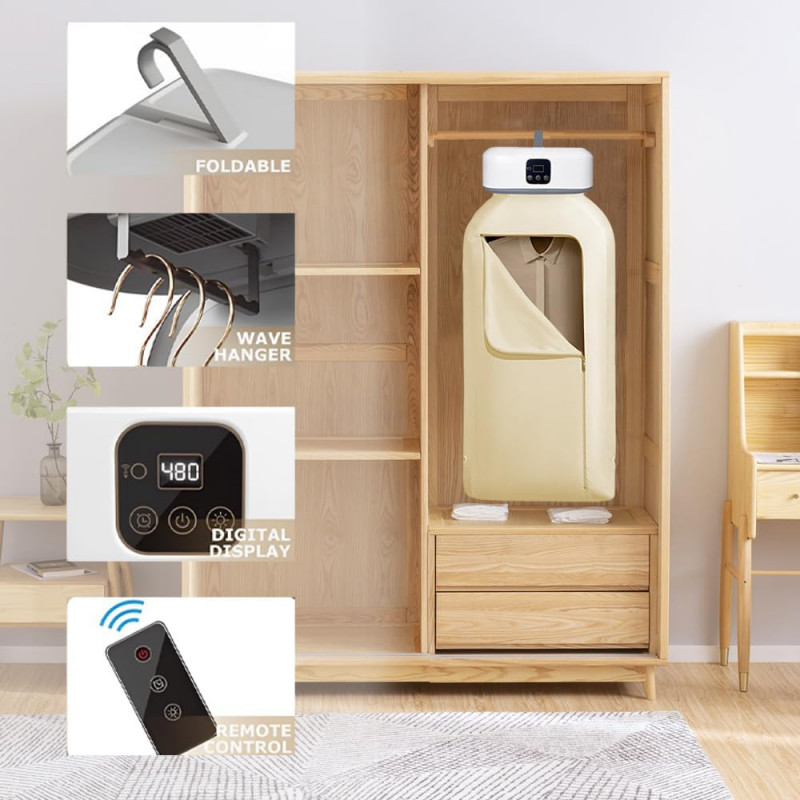

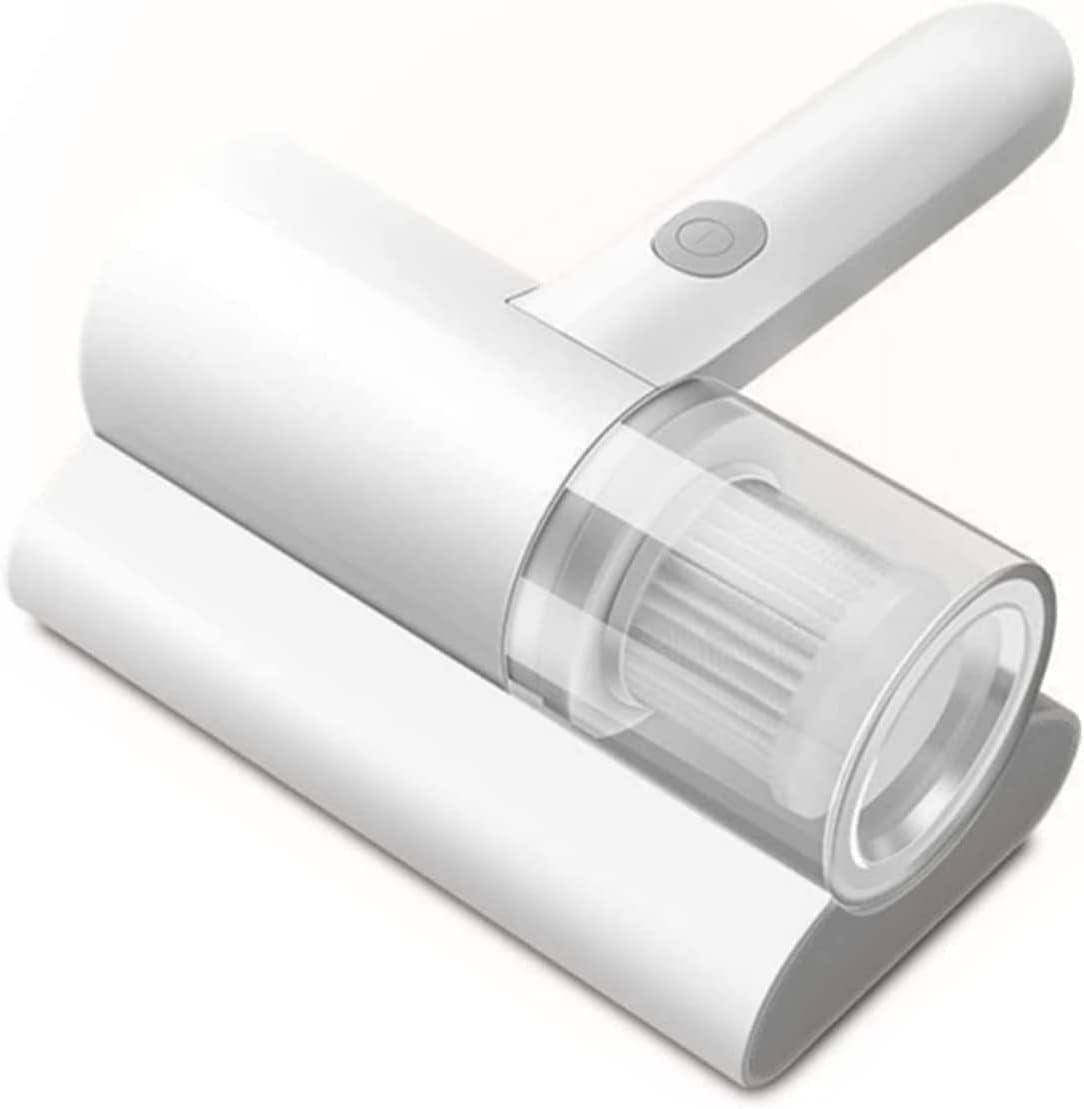
The dust and mite vacuum handles the soft surfaces a mop cannot, the foldable clothes dryer covers laundry, and the smart blender is a separate kitchen staple.
Frequently asked questions about the smart electric mop
Can a smart electric mop be used on wooden floors?
Only if the wood is properly sealed, and then only with a barely damp pad and no standing water. Follow the flooring manufacturer’s guidance, and never wet-mop unsealed wood, cork or untreated stone.
Do I still need to sweep before using a smart electric mop?
Yes, always. Loose grit caught under a rotating pad acts like an abrasive and can leave fine scratches on tile and especially on softer sealed surfaces. Sweeping or vacuuming first takes a minute and protects the floor.
Why does my floor look streaky afterwards?
Almost always too much water, too much detergent, or a saturated pad. Wring the pad harder, reduce the amount of cleaner and finish with a pass of plain warm water on clean pads.
How often should I replace the pads?
When the microfibre stops feeling plush or stops absorbing properly, which depends entirely on use and washing. Keeping two sets and rotating them makes both last considerably longer.
Is a smart electric mop safe to use around water?
It is designed for wet floors, but the motor housing, electronics and any charging port must stay dry. Power the unit down before changing pads, and never immerse anything except the parts described as washable.
Can it replace a vacuum cleaner?
No. Mopping deals with residue and marks on hard floors; vacuuming removes loose debris and works on carpets and upholstery. The two tools are complementary rather than alternatives.
A smart electric mop is a sensible upgrade for a tiled home where floors need frequent attention, provided you sweep first, keep the pad damp rather than wet and treat the electrical parts with the respect any appliance near water deserves. If that describes your home, see the Smart Electric Mop listing, or browse the wider range in the Home Appliances section.




Add comment