A smart blender earns its counter space by replacing three or four jobs at once: the morning smoothie, the soup that needs no straining, the ice that has to be crushed for a cold drink, and the dry spices that used to go to a grinder. This guide is about picking one and then actually getting good results from it. You will find what speed settings are for, why the jar matters as much as the motor, the loading order that stops a blender from stalling, cleaning that takes thirty seconds, a fault list, a buying checklist and six common questions answered plainly.
What a smart blender is really for
Most kitchens already own something that spins. The reason a full-size blender still earns its place is that it does the heavy work the small gadgets cannot: crushing ice, breaking down fibrous vegetables, and turning nuts and grains into something fine rather than gritty.
The difference is torque, not just speed. A weak motor slows down the moment it meets resistance, which is why cheap machines leave a layer of unblended pulp at the bottom and heat the contents while trying. A stronger motor holds its speed under load, and that is what produces a smooth texture instead of a lumpy one.
The word blender covers a wide family of machines, from immersion sticks to personal bottles to full jug models. A smart blender in the jug format is the general-purpose member of that family, and it is the one worth owning if you can only own one.
There is also a time argument. Anything you can do in a smart blender in thirty seconds tends to take five to ten minutes by hand, and the results are more consistent. That gap is what turns a healthy plan into a habit that actually survives a working week.
What to look for in a smart blender
Specifications on a box rarely tell you how a machine behaves. These are the things that decide whether you enjoy using it.
Speed range, and what all those settings are for
People see a long speed list and assume it is marketing. In practice a wide range is genuinely useful because different foods need different treatment. Low speeds fold and stir without splashing, which suits thick mixtures and anything you do not want aerated. Middle speeds handle soft fruit and cooked vegetables. High speeds are for ice, hard seeds and getting a smoothie truly smooth. A 15-speed smart blender simply gives you finer control between those extremes instead of the blunt choice between slow and violent.
The jar and its strength
The jar takes more abuse than any other part. Ice hits the walls at speed, hot soup expands, and the base is where the seal has to survive both. A reinforced jar is not a luxury feature, it is what stops the machine becoming a one-season purchase. Check how the jar meets the base and how easily it lifts off, since that is the part you handle every single time.
Blade design
Sharpness matters less than shape. Blender blades work by creating a vortex that pulls food down into the cutting zone. Blades set at different angles keep that circulation going so nothing stays parked in a corner. If your current machine needs a spoon to push food down repeatedly, that is a circulation problem rather than a power problem.
Stability and noise
A heavy base and grippy feet stop a loaded jug walking across a worktop. Weight is a good sign in this category, not a bad one. Every powerful blender is loud at full speed, so a smart blender with usable lower speeds is easier to live with early in the morning.
Cleaning
The machine you clean easily is the machine you use daily. Wide jar openings, a base you can wipe, and simple controls without deep crevices all matter. If cleaning takes longer than blending, the appliance quietly migrates to a cupboard.
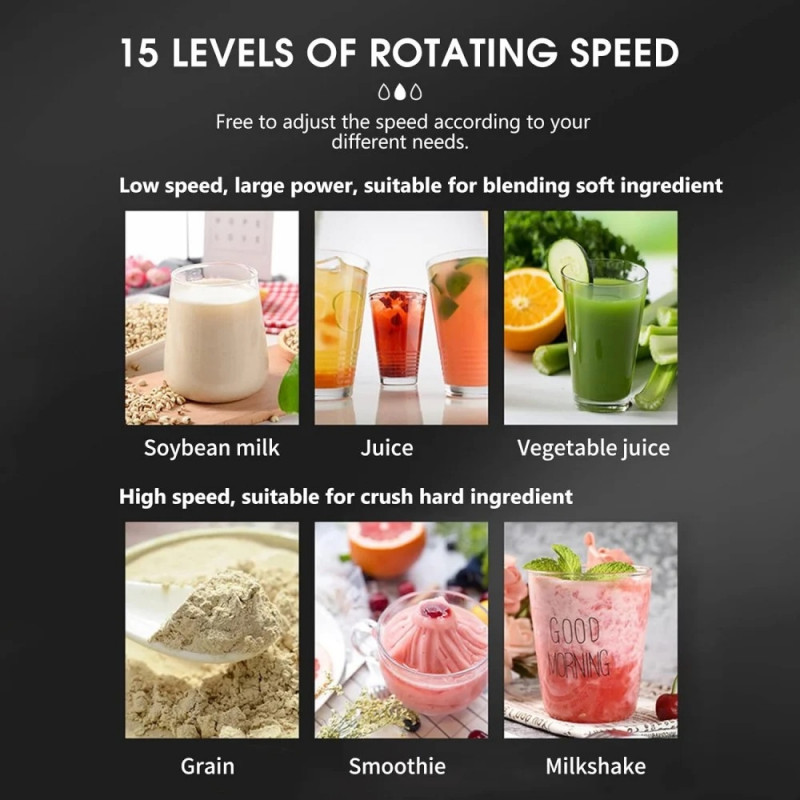
The WLD Store pick: Smart Blender 15-Speed
Here is the smart blender WLD Store lists, described as a heavy-duty high-power kitchen model.
- Product: Smart Blender 15-Speed, a heavy-duty high-power kitchen blender.
- Speeds: 15 settings, so you can match the speed to the ingredient.
- Jar: reinforced, which is the part that matters when ice is involved.
- Jobs it is listed for: smoothies, juices, ice crushing and grinding, in seconds.
- Power: the listing describes it as commercial-grade power for a home kitchen.
- Categories: Home and Kitchen, Kitchen Tools.
- Brand: WLD.
- SKU: WLD-KSA-0149-(M5-S-0235).
- Availability: available across Saudi Arabia through secure checkout.
Full details on the listing: Smart Blender 15-Speed at WLD Store.
How to get better results from a smart blender
Technique matters more than most people expect. The same ingredients can produce a silky drink or a lumpy one depending only on the order they went into the jar.
- Liquids first, always. Water, milk or juice go in before anything solid. Liquid at the bottom lets the blades start spinning freely and pulls everything else down.
- Soft before hard. Yoghurt, banana and cooked vegetables next, then hard items such as frozen fruit and ice on top. Loading in reverse is the single most common cause of a stalled jar.
- Start low, then climb. Begin at a low speed for a few seconds to break everything up, then move up. Starting at full power on a packed jar just spins a cavity around the blades.
- Do not overfill. Leave headroom. Contents expand as air is whipped in, and a jar filled to the brim leaks around the lid.
- Pulse for texture. Short bursts give you salsa, chunky soup or crushed rather than powdered ice. Continuous running turns everything into a puree eventually.
- Let hot things cool a little. Steam builds pressure under a sealed lid. Give hot soup a few minutes off the heat and never fill the jar more than halfway with it.
- Work in batches for dry grinding. Small amounts of spices or grains grind far more evenly than a jar packed to the top.
Care and maintenance
A blender that is rinsed straight after use will outlast one that gets scrubbed once a week.
- Clean it immediately. Fill the jar a third with warm water, add a drop of dish soap, run it for twenty seconds, then rinse. That handles most loads with no scrubbing at all.
- Never put the motor base in water. Wipe it with a damp cloth and dry it. Water and motor housings do not mix.
- Dry the jar upside down. Trapped moisture around the blade seal encourages smells.
- Check the seal periodically. A perished gasket is the usual cause of leaks from the base, and it is a small part to replace.
- Do not run it empty. Spinning blades with nothing to cut heats the seal and wears the bearings for no benefit.
- Respect the duty cycle. Long continuous runs heat any motor. Give a smart blender a rest between heavy batches rather than running it for minutes on end.
Turmeric and other strong spices will stain plastic over time. A paste of baking soda left in the jar for ten minutes lifts most discolouration without scratching.
Common problems and quick fixes
- The blades spin but nothing moves. An air pocket has formed. Stop, add a little more liquid, and restart on a low speed to rebuild the vortex.
- It leaks from the base. The jar is not seated properly or the gasket is worn or misaligned. Remove the blade assembly, check the seal sits flat, and reassemble firmly.
- The motor slows down and smells warm. The load is too thick or the run is too long. Switch off, thin the mixture, and work in smaller batches with pauses.
- Smoothies come out gritty. Usually seeds or fibrous skins that need longer at the top speed, or a jar overfilled so ingredients never reach the blades.
Buying checklist: five questions before you order
- What will I blend most? Daily smoothies with frozen fruit demand more from a machine than the occasional soup.
- Do I need ice crushing? If yes, jar strength and motor power stop being optional extras.
- Where will it stand? Measure the height under your wall cupboards with the jar in place, not just the base.
- Who else will use it? Clear, simple controls matter in a shared kitchen more than a long feature list.
- How quickly can I clean it? A smart blender that rinses in thirty seconds gets used every day; one that needs dismantling does not.
Other home picks at WLD Store
Three more useful items from the WLD Store range.
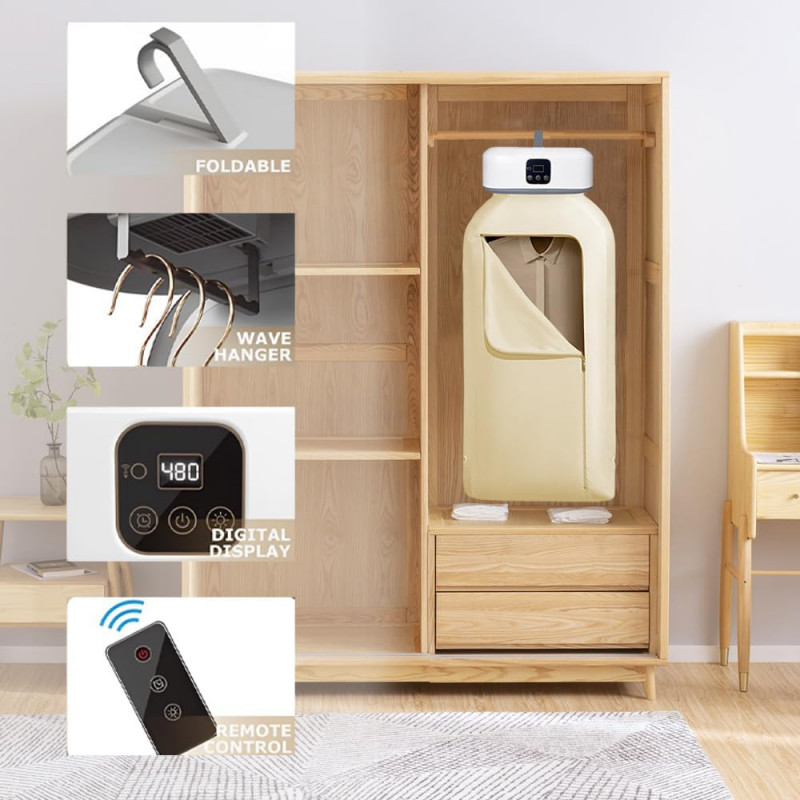
Foldable Electric Clothes Dryer for laundry that has to dry indoors.
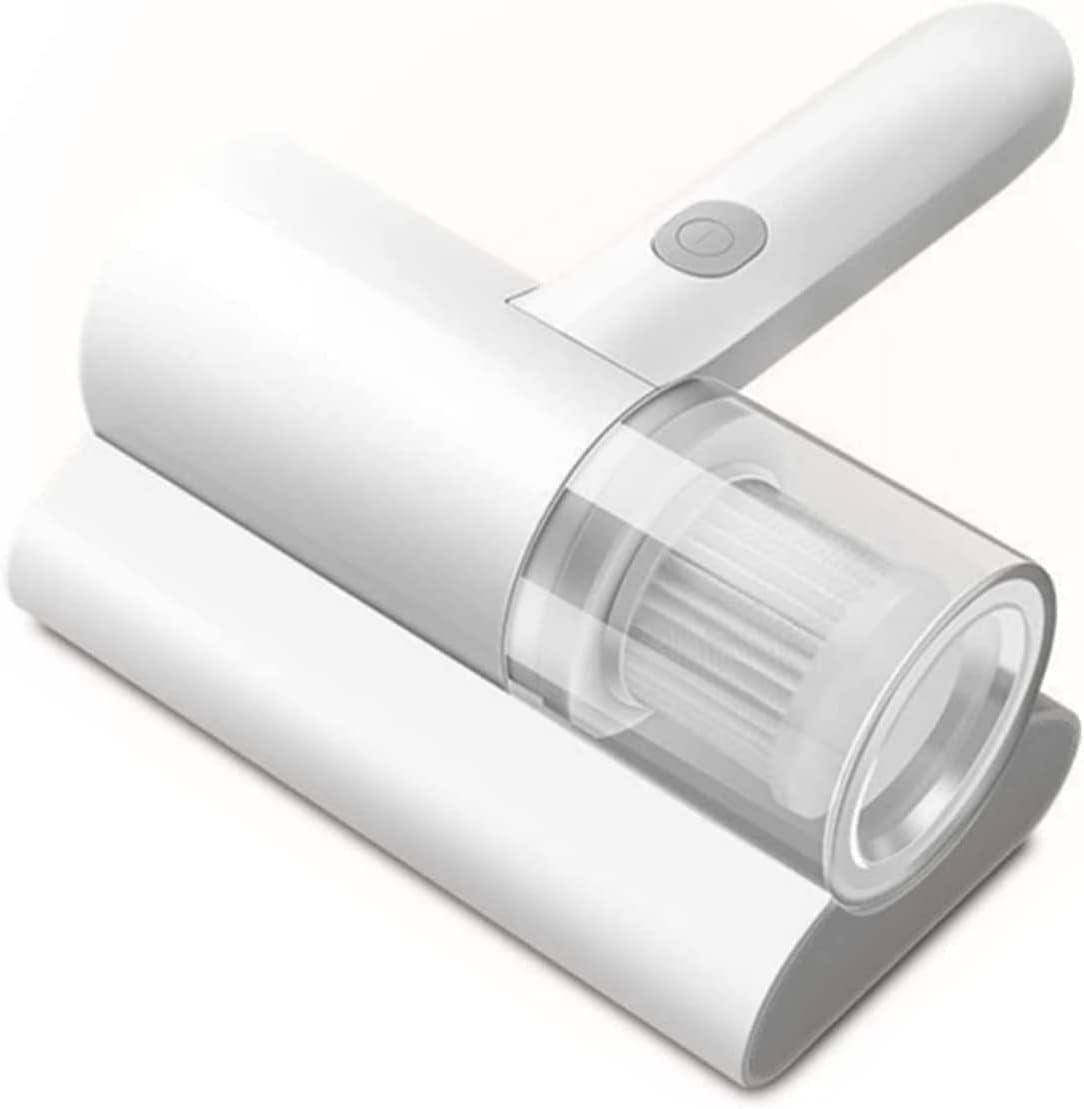
Dust and Mite Vacuum Cleaner for mattresses and upholstery.

Pet Hair Remover Roller for fur on clothes and furniture.
A week with a smart blender: what it quietly replaces
The easiest way to judge whether a machine deserves counter space is to count the jobs it takes over. Across an ordinary week, a smart blender tends to absorb several small tasks that each used to need their own tool or their own ten minutes.
Breakfast is the obvious one. Fruit, milk or yoghurt and a handful of oats become a drink in under a minute, which is faster than most people can assemble a bowl of cereal and wash up afterwards. For anyone who leaves the house early, that is the difference between eating and not eating.
Then there is soup. Blending a cooked vegetable soup directly to a smooth texture removes the need for straining or pressing through a sieve, and it works with whatever is left in the vegetable drawer at the end of the week.
Dry work is the part people forget. A smart blender that is rated for grinding handles spices, coffee for a cafetiere, breadcrumbs from stale bread, and nuts for baking. Grinding whole spices shortly before cooking makes a bigger difference to flavour than almost any other kitchen habit.
Cold drinks in hot weather are the fourth job. Crushed ice, fresh juice and blended fruit are exactly the sort of thing you stop making when it takes effort, which is why keeping a smart blender out on the worktop rather than in a cupboard changes how often it gets used.
Add batch cooking to that list and the picture is complete: sauces, marinades, batters and dips all come from the same jar. None of these tasks is impressive on its own, but together they explain why a smart blender is usually the first appliance people replace when it fails, rather than the first they abandon.
Smart blender vs a food processor vs a stick blender
Three appliances get bought for overlapping reasons and then disappoint people for the same one: each was asked to do the job of a different machine. A smart blender is built around a tall, narrow jug and a fast blade that pulls food down into a vortex. That shape is exactly what makes it excellent with liquids and poor with dry, stiff mixtures.
A food processor is the opposite. It has a wide, shallow bowl, a slower blade and a set of discs, so it slices, shreds, grates and kneads. Ask it for a smooth drink and you usually get something grainy that leaks past the lid. Ask a smart blender to chop onions evenly and you get onion water. Neither result is a fault in the machine; it is geometry.
A stick or immersion blender is the third option and the one most people underrate. It goes straight into the pot, so there is no transferring hot soup into a jug and no jug to wash afterwards. What it cannot do is crush ice, mill anything dry, or reach the genuinely silky texture a smart blender produces with a proper vortex and a few seconds at high speed.
If you can only own one, the honest answer depends on what you actually cook. Smoothies, shakes, chutneys, soups, batters, purees and ground spice mixes all point clearly to a smart blender. Pastry, coleslaw, dough and large volumes of evenly chopped vegetables point to a processor. A household that makes soup often and drinks rarely is usually better served by a stick blender and the money saved.
What a smart blender will not do, and who should skip one
A blender is a genuinely useful machine, but many returns come from expectations that nobody set correctly at the start.
- It is not a juicer. A smart blender keeps the fibre in the glass; a juicer removes it. If you want clear juice you will still be straining the result through a cloth, and at that point a juicer is the right purchase.
- It will not knead dough. Stiff mixtures jam against the blade and stall the motor. Bread and chapati dough belong in a processor or in your hands.
- It does not chop neatly. Anything you want in visible, even pieces, such as salad, garnish onions or vegetables for a stir fry, should be done with a knife.
- It is not silent. Any blade turning at speed makes noise. If an early-morning smoothie would wake a sleeping household, plan around that rather than hoping otherwise.
- It rewards liquid. A smart blender running with too little liquid spins an air pocket around the blade and heats up while achieving nothing. Add a splash of water or milk and the problem disappears.
The people who get least from a smart blender are those who cook mostly dry dishes, or who already own a working processor and really wanted a chopper. The people who get most are households making drinks, soups, baby food, chutneys or ground spice mixes on a regular basis. That is the point at which a smart blender stops being a gadget in a cupboard and becomes the machine you reach for daily.
Frequently asked questions about the smart blender
What makes a blender smart rather than basic?
In everyday use it comes down to control and consistency: a usable range of speeds, a motor that holds its pace under load, and a jar built for what the motor can do. A smart blender gives you the settings to match the food instead of forcing every ingredient through the same treatment.
Do I really need fifteen speeds?
You will not use all fifteen every day, but the range is what lets you stop at the right texture. Chunky salsa, pourable soup and a fine smoothie are three different points on that scale, and a machine with only two settings makes you choose between them badly.
Can it crush ice without damaging anything?
Ice crushing is listed among the jobs this model is made for, which is why the reinforced jar matters. Add a little liquid with the ice, start low and build up, and use pulses rather than a long continuous run. Dry ice-only loads are harder on any machine.
Can I blend hot soup in it?
Carefully. Let the soup cool for several minutes, fill the jar no more than half, start on the lowest speed, and allow steam to escape rather than sealing everything tight. Pressure from steam, not heat, is what causes hot liquid to blow a lid off.
How is this different from a personal blender bottle?
A bottle blends one drink where you are standing and travels with you. A full-size smart blender handles family quantities, thicker mixtures, hard ingredients and dry grinding. Many kitchens end up with both, using each for what it is good at.
Why does my drink separate after a few minutes?
That is normal for fresh juice and thin smoothies, not a fault. Separation happens when there is little fat or fibre to hold the mixture together. Blend a little longer, add something like banana or yoghurt for body, and drink it soon after making it.
The short version
Pick for the motor and the jar, then use the speeds properly. Liquids at the bottom, hard items on top, start slow, build up, and rinse the jar the moment you pour. Do that and a smart blender stays on the counter instead of moving into a cupboard after a month. You can see this model on its product page, or browse the wider range in the Kitchen Tools section.



Add comment