A clothes drying rack is one of those quiet, unglamorous purchases that changes how a household runs. Laundry stops piling up, delicate fabrics stop shrinking, and a small corner of the home does the work a bulky machine used to do. This guide covers everything worth knowing before you buy a folding 3-tier clothes drying rack in Saudi Arabia: how the tiers actually affect drying speed, which frame materials survive daily humidity, how much laundry one rack really holds, and the small habits that cut drying time in half.
Why a clothes drying rack still beats a tumble dryer for daily laundry
Tumble dryers are fast, but speed comes from heat — and heat is what damages fabric. Cotton shrinks a little with every hot cycle, elastic in waistbands loses its stretch, printed shirts crack along the design, and fine abaya or thobe fabric loses the smooth finish that made it look expensive. Air drying on a rack is slower by the clock but far gentler, and clothes keep their shape and colour for years longer.
There is a cost argument too. A dryer is one of the most power-hungry appliances in a home; a clothes drying rack uses nothing at all. In an apartment where every riyal of the electricity bill is visible, that difference adds up quietly month after month.
Space is the third reason. A vertical clothes drying rack turns roughly half a square metre of floor into three full lines of hanging space. That is the whole point of the tiered design: it borrows height instead of floor area, so a small laundry corner or balcony can handle a full machine load.
Finally there is hygiene. Drying garments spread out on an open frame lets air move around each piece instead of trapping damp between folded layers, which is exactly what creates that musty smell people blame on the detergent. Drying racks have been used for this reason for centuries — the modern version simply folds flat and rolls away.
What separates a good clothes drying rack from a bad one
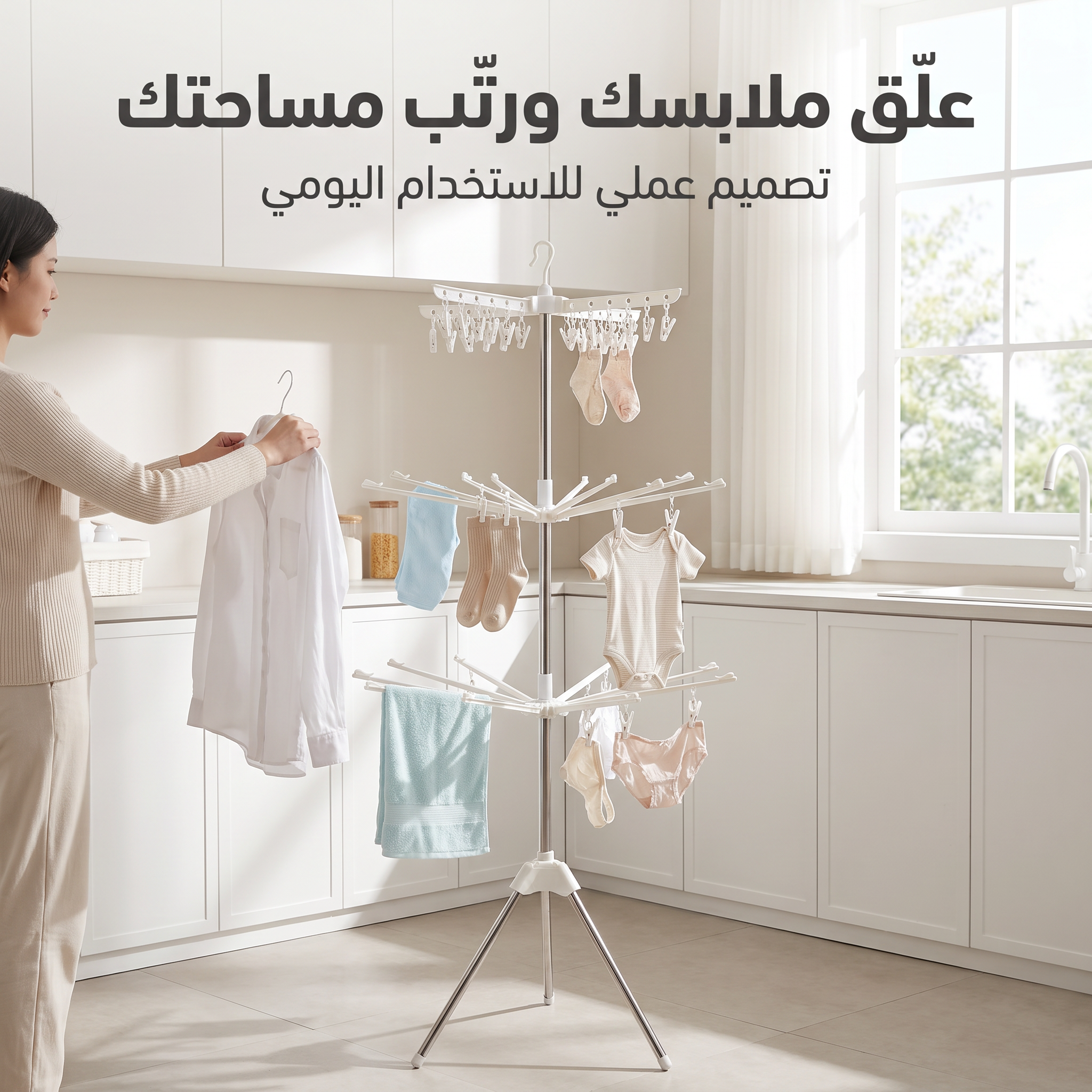
Racks look similar in photos and behave very differently in a real home. These are the details that decide whether you keep it for years or quietly retire it to a storeroom.
Frame material
This is the single biggest quality difference. Painted mild steel looks fine in the box, but the coating chips at the joints, moisture reaches the metal, and rust marks transfer straight onto white laundry. Stainless steel resists that corrosion by composition rather than by coating, which is why a stainless clothes drying rack survives daily wet loads while a painted one does not.
Tier spacing
Three tiers only help if they are far enough apart. If a long shirt hung on the top rail rests on the rail below, you have not gained drying space — you have created a damp sandwich. Look for spacing that clears a standard shirt or trouser length, and remember that the top tier of a 3-tier clothes drying rack always dries fastest because warm air rises.
Wheels and mobility
A loaded rack is heavier and more awkward than people expect. Castors let you roll it from the laundry area to a bright window in the morning and back out of sight in the evening, without lifting a wet load. This one feature is the difference between a rack you actually use and one that stays parked in an inconvenient spot.
A genuine fold-flat design
The rack should collapse to a flat panel a few centimetres thick that slides behind a door or beside a wardrobe. If folding requires tools or two people, it will simply never be folded.
Stability under load
A wide base and locking joints matter far more than the advertised maximum load figure. A wet towel load shifts the centre of gravity high, so the frame has to stay rigid rather than flex.
The WLD Store pick: foldable 3-tier stainless steel drying rack
The clothes drying rack we list at WLD Store was chosen against exactly that checklist: a rust-resistant folding three-layer frame with wheels that saves space and moves easily. It is deliberately simple equipment rather than a gadget, which is what you want from something that has to work every week for years.
- Category: Home & Kitchen
- Frame: rust-resistant stainless steel that folds flat for storage
- Layout: three drying layers on one compact footprint
- Mobility: wheels for easy repositioning between rooms
- Delivery: available across Saudi Arabia including Riyadh, Jeddah and Dammam
- Payment: secure online payment at checkout
You can see current pricing and full photos on the product page for this clothes drying rack.
How much laundry does a 3-tier clothes drying rack hold?
As a working rule, one full washing-machine load of everyday clothing fits comfortably across three tiers when items are given space. In practice that means roughly:
- Top tier: heavy items — towels, jeans, thick trousers — because airflow is strongest there.
- Middle tier: shirts, thobes, dresses and anything that benefits from hanging straight.
- Bottom tier: smaller pieces such as socks, underwear and children’s clothing.
Bulky bedding is the exception. A duvet cover or heavy blanket should get a tier of its own, folded over once at most, or it will stay damp in the middle for a day.
How to dry clothes faster on a rack
Airflow does more of the work than temperature. A few habits make a visible difference to drying time:
- Give each piece space. Overlapping garments can double drying time; a rack that is 80% full dries far faster than one packed to capacity.
- Shake each item before hanging. This removes creases and opens the weave so air can pass through.
- Use the spin cycle properly. A higher spin speed removes more water in the machine, which is free drying time.
- Position for airflow. Near a window, a fan or an air-conditioning outlet beats the middle of a closed room every time.
- Rotate thick items once. Turning jeans or towels halfway through exposes the folded sections.
- Do not dry indoors with the windows shut. The moisture has to go somewhere; ventilation prevents condensation on walls.
Care and maintenance
A clothes drying rack asks for very little. Wipe the frame with a dry cloth after heavy loads so water does not sit in the joints. Fold it away only when it is completely dry — storing it damp is the one habit that shortens its life. Every few months, check the locking joints and tighten anything that has loosened; two minutes of attention keeps the frame rigid for years. Avoid leaving a loaded rack in direct sun for days at a time, which is hard on both fabric colour and the finish.
Common problems and quick fixes
- Clothes still damp after a day: the rack is overloaded or the room has no airflow. Halve the load and open a window.
- Rack wobbles: a joint has loosened, or the floor is uneven. Tighten the joints and check the castor locks.
- Marks on white laundry: almost always rust from a chipped painted frame — one more reason to choose stainless steel.
- Rack takes up too much room: it is being stored open. A fold-flat rack should live behind a door between laundry days.
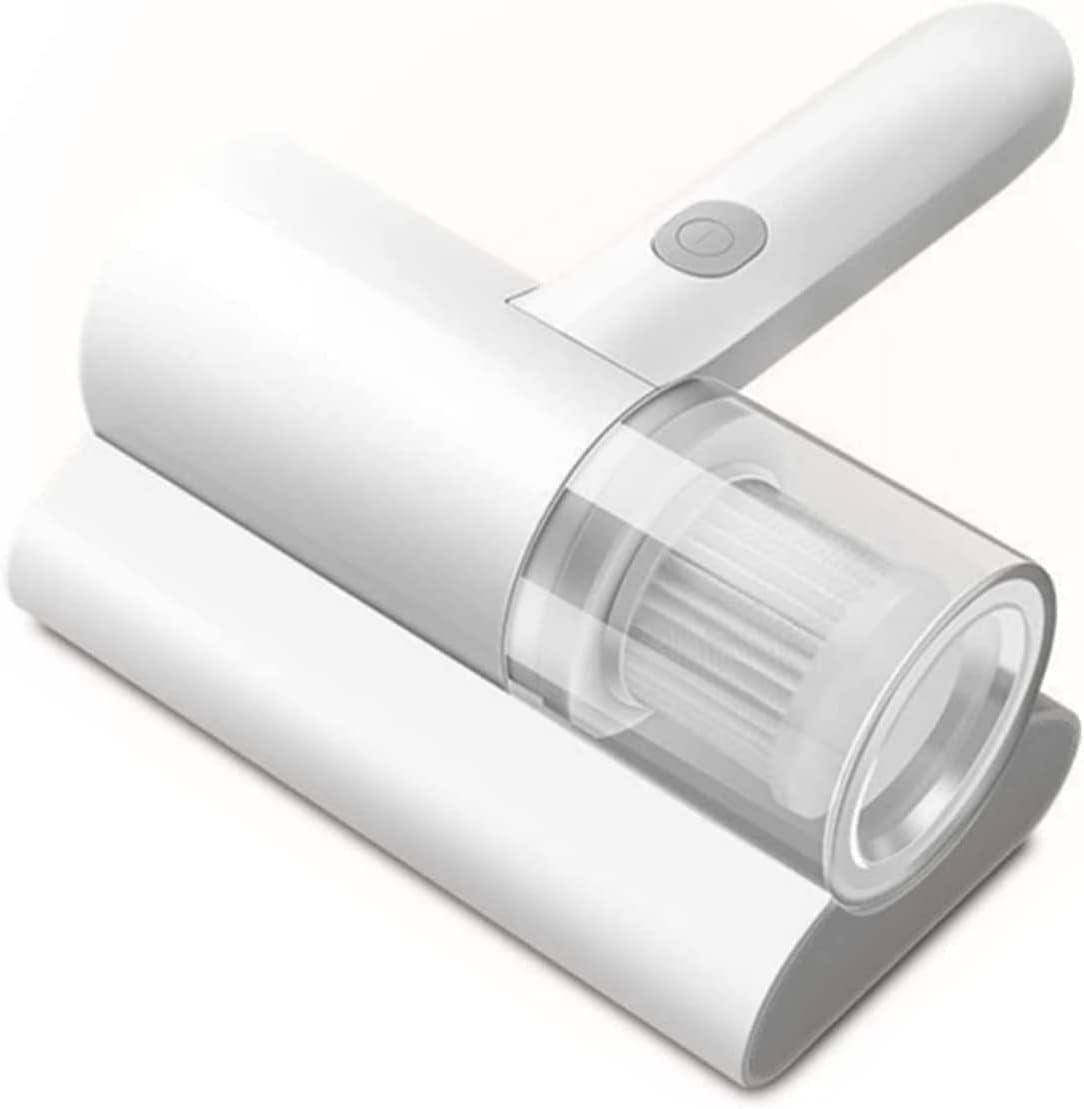
Other home essentials at WLD Store
If you are setting up a laundry corner, these are worth a look alongside the rack:


Frequently asked questions about a clothes drying rack
Is a clothes drying rack better than a balcony line?
They work together. A rack covers the days when dust, weather or privacy make the balcony impractical, and in summer it moves indoors into the air conditioning at no extra cost.
Will a stainless steel clothes drying rack rust?
Stainless steel resists rust far better than painted steel. Keeping the joints dry between uses is enough protection in normal home conditions.
Does a folding rack really store flat?
Yes. A three-tier folding rack collapses to a flat panel a few centimetres thick that fits behind a door or beside a wardrobe.
Can I use it for delicate fabrics?
That is exactly where a rack is strongest. Delicates, wool and printed fabrics all last longer air dried than tumble dried.
How long do clothes take to dry on a rack?
With good airflow and a proper spin cycle, light clothing is usually dry within a few hours and heavier items overnight.
Where can I buy this clothes drying rack in Saudi Arabia?
It is listed at WLD Store with delivery across the Kingdom — see the product page for current pricing, or browse more home essentials in Home & Kitchen.
Where to put a clothes drying rack in a small apartment
Placement decides how fast laundry dries and how much the rack annoys everyone else in the house. Four spots work well in most Saudi apartments.
Beside a window in the main room. Daylight and moving air do most of the work here, and the rack folds away before guests arrive. This is usually the fastest-drying position in winter.
Under an air-conditioning outlet. Air conditioning dehumidifies as it cools, so the airflow under a split unit dries laundry surprisingly quickly in summer without adding heat to the room.
In the laundry area with the door open. Convenient, but only if air can escape — a closed utility room simply recycles the same damp air and drying stalls.
On a shaded balcony. Ideal in spring and autumn. Avoid harsh direct sun on coloured fabric for hours at a time; shade plus breeze beats full sun for anything you care about.
Wherever it goes, leave a hand’s width of clearance around the frame. A clothes drying rack pushed flat against a wall loses airflow on one entire side.
Drying rack, electric airer or tumble dryer — which do you actually need?
These three solve overlapping problems at very different costs, and most homes end up with two of them.
A folding clothes drying rack costs the least, uses no electricity and handles a full machine load. The trade-off is time: several hours for light clothing, overnight for heavy items. For daily family laundry it is the workhorse.
An electric or heated airer speeds that up in humid weather or during rain, at modest power use. It is a useful second device rather than a replacement, especially for households with small children.
A tumble dryer is the fastest and the most expensive to buy and run, and it is the hardest on fabric. It earns its place for towels and bedding in winter, not for everything.
Households that mix the first two get dry clothes almost as fast as a dryer, at a fraction of the running cost and with far less wear on the clothes themselves.
A five-minute buying checklist
Before you order any clothes drying rack, walk through these five questions:
- Will it fit folded? Measure the gap behind your door or beside the wardrobe first. If the folded rack does not fit there, it will live in the middle of a room.
- Is the frame stainless or painted? Painted frames are cheaper and will eventually mark laundry with rust. Stainless steel is the buy-once option.
- Do the tiers clear a full-length shirt? If not, the lower tiers are only useful for small items.
- Does it move when loaded? Wheels matter more than most buyers expect, because a wet load is heavy and awkward.
- How does it lock open? Positive locking joints keep the frame rigid; friction-only hinges sag as the rack ages.
A rack that passes all five is likely to still be in daily use in five years, which is the real measure of value for a piece of equipment this simple.
How long should a clothes drying rack last?
A stainless steel rack that is folded away dry and occasionally tightened should last many years of weekly use — there is nothing in it to wear out except the joints and castors. What kills racks early is almost always avoidable: storing them wet, overloading one tier until the frame bends, or dragging a loaded rack across a floor instead of rolling it. Treated normally, this is a buy-once item, which is exactly why the frame material is worth paying attention to at purchase time.
Laundry habits that make any rack work better
- Wash smaller loads more often. A rack dries one load beautifully and two loads badly.
- Use the highest safe spin speed. Water removed by the machine is water the rack does not have to evaporate.
- Hang shirts on hangers from the top rail. They dry faster, keep their shape and often need no ironing at all.
- Turn dark clothes inside out. This protects colour if the rack sits in bright daylight.
- Fold and put away as soon as items are dry. Clothes left on a rack for days pick up dust and lose the point of drying them carefully.
None of this is complicated, and together these habits mean a simple three-tier clothes drying rack keeps up with a family’s laundry without ever needing a machine.
Drying knitwear, delicates and awkward items on a clothes drying rack
Most laundry advice quietly assumes shirts and towels. The items that actually get ruined are the awkward ones: a wool jumper, a wired bra, a swimsuit, a pair of canvas shoes. A clothes drying rack handles these far better than a line or a machine drum, because you control exactly how each piece sits.
Knitwear should never hang. Wool and cotton knits stretch under their own wet weight, and a hanger or a peg leaves permanent shoulder bumps. Lay the jumper flat across two or three bars instead, pushed gently back into shape while it is still damp. A flat position on the middle tier of a clothes drying rack also keeps it clear of drips from the tier above.
Bras and swimwear keep their shape longer when the weight is spread. Hang them over a bar by the band rather than by one strap, which pulls the elastic out of line over time. Silk and viscose behave the same way: support the weight along a bar, never from a single point.
- Wool and cashmere: flat, reshaped while damp, out of direct sunlight.
- Bras and swimwear: over a bar by the band, cups facing upwards.
- Jeans and heavy cotton: over the top bar by the waistband, legs held open.
- Canvas shoes: soles up on an end bar, laces out, insoles removed and dried separately.
- Caps and beanies: flat, stuffed lightly with a dry towel to hold their shape.
Bedding is the one thing a compact clothes drying rack struggles with. A double sheet draped in one thick fold traps moisture in the middle and can still be damp a day later. Fold it in a wide zigzag across several bars instead, so air reaches both faces, and turn it once halfway through.
Indoor humidity: using a clothes drying rack in winter without damp problems
Every load you dry indoors releases roughly a bucket of water into the air. In summer that leaves through an open window. In winter, in a closed room, it condenses on the coldest surface it can find, usually a window reveal or an outside wall, and that is where mould begins.
The answer is not to stop using a clothes drying rack. It is to give the water somewhere to go. Open a window on the same side of the room for fifteen minutes at the start of the load and again when it is nearly dry. A small gap with the door shut moves more moisture outside than a wide-open door into the rest of the home.
Where you stand the clothes drying rack matters as much as ventilation. Keep it off the coldest wall and away from curtains and upholstered furniture, which soak moisture up and hold it. A hallway or a spare room with the door closed and a window cracked open is usually a better choice than the bedroom you will sleep in that night.
If you run a dehumidifier or an extractor fan, put the clothes drying rack in the same room and close the door. A dehumidifier working in a small closed space beside a full clothes drying rack is genuinely efficient, while the same machine in an open-plan room is mostly wasted effort. Empty the tank before the load rather than after, because a full tank stops the machine early.
Two habits cut drying time and damp risk at once: spin the load at the highest speed the fabric allows, and never load the clothes drying rack tighter than the airflow can cope with. The slowest air in the room is the damp air trapped between two shirts that touch.






Add comment