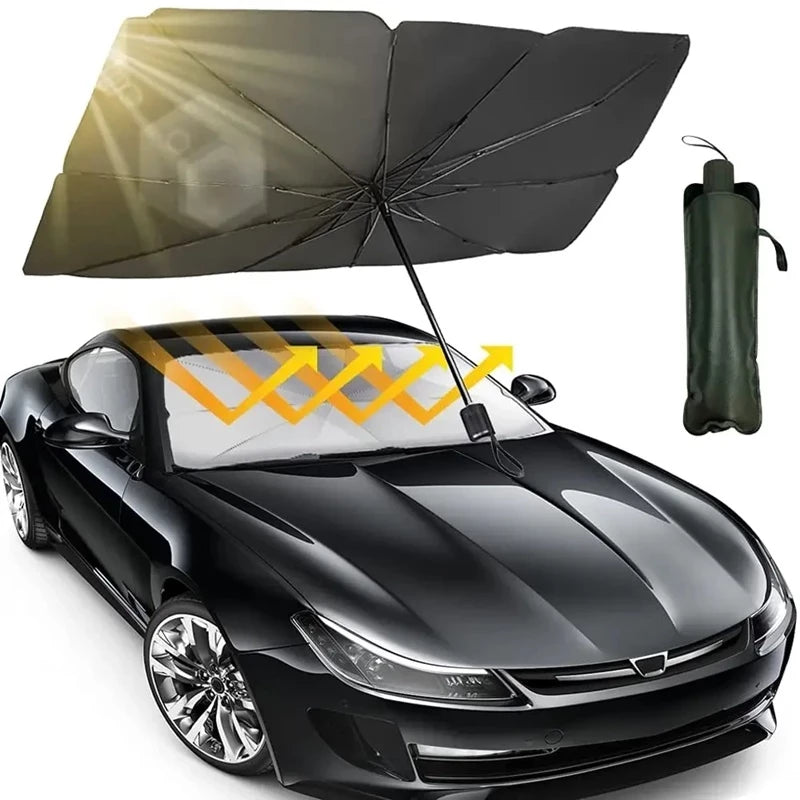
A car windshield umbrella is one of the cheapest ways to stop a parked car from turning into an oven. It opens like an ordinary umbrella, presses flat against the inside of the glass, and blocks sunlight before it ever reaches the dashboard. Folding shades have been around for decades, but the umbrella style has quietly become the default because it collapses into a slim sleeve instead of a bulky rectangle.
This guide covers how a car windshield umbrella actually works, what separates a well-built one from a flimsy one, how to fit it to your vehicle, and how to keep it usable for years. It also covers the habits that shorten the life of a car windshield umbrella, plus the questions shoppers ask most often before buying.
Why a car windshield umbrella matters in a hot climate
Glass is transparent to short-wave sunlight but far less transparent to the long-wave heat that surfaces radiate back. That mismatch is why a sealed car keeps warming long after you have parked. Sunlight passes in, the dashboard and seats absorb it, and the heat cannot easily escape. A car windshield umbrella interrupts the very first step of that chain.
The cabin is only part of the story. The dashboard is usually the hottest surface in the car because it sits directly under the largest sheet of glass. Repeated heating cycles make plastics brittle, dull the finish and eventually cause the surface to crack. Blocking the light is far cheaper than replacing a dashboard, which is the main reason a car windshield umbrella earns its place.
Steering wheels suffer for the same reason. A dark polyurethane rim under direct sun can become genuinely uncomfortable to hold, which is unsafe as well as unpleasant during the first minute of a drive. Owners who use a car windshield umbrella consistently report that they can grip the wheel immediately instead of steering with fingertips.
There is a fuel and comfort angle too. Air conditioning works hardest during the first few minutes after you start the engine, because it has to pull the whole cabin down from its peak temperature. Start from a lower peak and the system reaches a comfortable setting sooner. Over a summer of daily parking, that adds up.
There is a freshness angle that rarely gets mentioned. Interior plastics release more volatile compounds as they get hotter, and that is a large part of the stale, faintly chemical smell you meet when opening a car that has baked all afternoon. Keeping the peak temperature down keeps that smell down with it.
What makes a good car windshield umbrella
Almost every model looks the same in a photograph. The differences show up after a few weeks of daily folding and unfolding, so it helps to know which details matter before you choose.
Reflective outer surface
The face that points at the glass should be silver or light coloured so it reflects rather than absorbs. A dark shade still blocks light from reaching your dashboard, but it heats up itself and then radiates that warmth into the cabin. Reflectivity is the single biggest performance difference between two shades of the same size.
Rib count and rib material
Ribs are what hold the canopy flat against curved glass. Too few ribs and the panel sags in the middle, leaving a hot stripe across the dashboard. Ribs should spring back to shape when you flex them, not stay bent. A car windshield umbrella with springy, evenly spaced ribs keeps full contact with the windscreen for far longer.
Canopy layers
Cheaper shades are a single coated sheet; better ones bond a reflective outer face to a softer inner layer. That extra layer does two jobs. It adds a little insulation, and it stops the reflective coating being scuffed by the ribs every time you fold. If you can compare two models on only one detail, compare how the canopy feels between finger and thumb.
Fold and sleeve design
The whole point of the umbrella format is storage. Check that the canopy folds down without fighting you and that the sleeve is slightly wider than the folded bundle. A tight sleeve is the most common reason people stop using a shade: if putting it away is a struggle, it ends up loose in the boot.
Size and coverage
Coverage matters more than raw dimensions. You want the opened canopy to reach close to the A-pillars on both sides and to sit high enough to cover the strip under the rear-view mirror. A car windshield umbrella that is slightly too large can be tucked behind the sun visors; one that is too small leaves permanent gaps.
Edge finish and stitching
Run a finger around the hem. Bound edges with even stitching survive being pushed against glass and trim; raw or heat-cut edges fray within a season. The tips where the ribs meet the canopy take the most stress, so reinforced tips are a good sign of a car windshield umbrella built to last.
The WLD Store pick: Car Windshield Umbrella
WLD Store lists this model as a foldable sun shade aimed squarely at hot-weather parking. Here is exactly what the product listing states, with nothing added:
- Category: Automotive, listed under Car Accessories.
- Brand: WLD. SKU: WLD-KSA-0100-(KD-084).
- Foldable design that deploys in seconds.
- Listed at 99% UV protection, described as keeping the interior up to 30 degrees Celsius cooler.
- Stated to fit most sedan and SUV windshields.
- Positioned to help prevent dashboard cracking and steering wheel overheating.
- Available across Saudi Arabia, including Riyadh and Jeddah, with secure checkout.
You can read the current listing, see the photographs and check availability on the Car Windshield Umbrella product page. If you want the background behind the UV figure, the general reference on ultraviolet radiation is a good neutral starting point.
How to fit and use a car windshield umbrella
Fitting one takes under a minute once you have done it twice. The sequence below gives the flattest, most stable fit in a normal sedan or SUV.
- Park, switch off, and fold both sun visors up out of the way for now.
- Open the canopy fully outside the car if space allows, then bring it in through the driver door at an angle.
- Rest the closed end against the base of the windscreen, then let the canopy rise until it meets the glass.
- Slide the top edge behind the sun visors and flip the visors down to pin it in place.
- Push the outer tips gently towards the A-pillars so the canopy sits flat rather than bowed.
- Check the rear-view mirror area last; that gap is where most heat sneaks through.
Removal is the same steps in reverse. Lift the visors, pull the canopy away from the glass, collapse it while it is still inside the car, and slide it into its sleeve. Doing this without twisting is what keeps a car windshield umbrella true to shape.
Where you park changes how much it helps
A shade only works on the light that reaches it, so parking choice and shade choice go together. In an open lot at midday the windscreen takes the most direct load, and a car windshield umbrella gives its biggest single improvement. That is the scenario the product is designed for.
In an underground or multi-storey car park the benefit is much smaller, and you can reasonably leave the shade in its sleeve. Where people get caught out is the half-shaded spot: a tree or wall covers the car at nine in the morning and leaves it fully exposed by one in the afternoon. Fitting a car windshield umbrella there is still worth the thirty seconds.
Direction matters as well. If you can choose, park nose-away from the strongest afternoon sun so the smaller rear glass takes the load instead of the large windscreen. Combine that with a car windshield umbrella and you have covered the two biggest openings without buying anything else.
Small habits that multiply the effect
A shade is one part of a routine. Two or three cheap habits stack on top of it, and together they make a bigger difference than any single product does alone.
Venting is the first. Leaving the front windows open by a finger width, where it is safe to do so, lets the hottest air at roof level escape instead of building up inside the cabin. Paired with a shade, the interior settles noticeably lower than either trick manages by itself.
Covering the wheel is the second. Even with the windscreen blocked, some light gets past the edges, and the rim is exactly where you notice it. A light cloth draped over the wheel costs nothing and works well.
The third is clearing the dashboard. Sunglasses, phone mounts, air fresheners and lighters all heat quickly, and some are genuinely damaged by it. Moving them to the glovebox before you leave takes five seconds and removes the risk entirely.
Finally, give the cabin a moment before you set the air conditioning to maximum. Open the doors for ten seconds to dump the hottest air, then run fresh air on a high fan for the first minute before switching to recirculation. The system then cools a smaller heat load and reaches your setting sooner.
Seasonal use and off-season storage
Most owners fit a shade daily from late spring through early autumn and then forget about it. That is reasonable, but the off-season is exactly when shades get damaged, because a folded canopy left loose under a seat gets crushed by shopping bags and shoes.
Before you put a car windshield umbrella away for the cooler months, open it fully, wipe both faces, and let it dry completely. Storing a slightly damp canopy in a sealed sleeve is how mildew spots appear. Once dry, fold it along its natural creases rather than forcing new ones.
Keep the sleeve somewhere flat, such as the boot floor or under the parcel shelf, and avoid stacking heavy items on top. A car windshield umbrella that spends winter compressed under a toolbox will not sit flat again in spring.
Who a car windshield umbrella is not for
It is worth being honest about the limits. If you almost always park in a covered garage or under a permanent canopy, the daily fit and removal is effort for very little gain. A simple dashboard cover, or nothing at all, may suit you better.
Vehicles with steeply raked, unusually wide windscreens, some sports cars and large vans among them, can be awkward to cover with a single canopy. Owners of those vehicles are usually better served by a custom-cut panel shade. Equally, if you cannot commit to fitting it every time, a car windshield umbrella left in the boot delivers nothing at all.
Umbrella shade versus accordion and roller shades
The accordion shade is the older format: a rigid folding panel that concertinas open. It is cheap and quick, but the folds create hard creases that eventually split, and it stores as a wide flat slab that has to go on the back seat or in the boot.
Roller shades mount permanently near the top of the glass and pull down like a blind. They are tidy and always available, but they add fixed hardware to the cabin and rarely cover the full width of the windscreen. A car windshield umbrella sits between the two: better coverage than a roller, far better storage than an accordion.
The real trade-off is deployment time. An accordion opens in a couple of seconds; an umbrella takes slightly longer because you are guiding a canopy into place. In exchange, a car windshield umbrella packs into a sleeve you can drop into a door pocket, which is why most people who switch do not switch back.
Care and maintenance
Shade fabric collects dust, and dust plus a hot windscreen equals fine scratches on the inside of your glass. A short cleaning routine solves that.
- Shake the open canopy outside the car every couple of weeks to release dust.
- Wipe the reflective face with a damp microfibre cloth and let it air dry fully before folding.
- Use plain water or a very mild soap solution; solvents dull reflective coatings permanently.
- Never machine wash or tumble dry a car windshield umbrella, as the ribs will deform.
- Check the rib tips each month and push any that have slipped back into their pockets.
- Store it in the supplied sleeve rather than loose, so the canopy is not abraded by boot carpet.
Treated this way, a car windshield umbrella typically survives several seasons. The parts that fail first are always the tips and the sleeve seam, and both are easy to inspect in a few seconds.
Common problems and quick fixes
- The canopy keeps sliding down the glass. The top edge is not tucked behind the visors. Raise it higher and flip both visors down onto it.
- There is a hot stripe across the dashboard. A rib has slipped or the canopy is bowed. Open it fully outside the car, reseat the tips, then refit.
- It will not go back into the sleeve. The canopy has been folded against its natural creases. Open it completely and let it collapse along the existing fold lines.
- The reflective face looks patchy. Usually dried dust, not coating loss. Wipe with a damp microfibre cloth and dry fully before storing.
None of these need tools, and none of them mean the car windshield umbrella is finished. Genuine end of life looks like a rib that snaps or a hem that has separated from the canopy.
Buying checklist
- Have you measured your windscreen at its widest point, and does the shade cover close to that width?
- Is the outward face reflective and light in colour rather than dark?
- Do the ribs spring back when flexed, and are the tips reinforced?
- Does the sleeve give the folded canopy a little room, or does it fight you?
- Will you realistically fit it every time you park, or is your usual spot already shaded?
Answer those five honestly and the decision usually makes itself. A car windshield umbrella is a low-cost item, but the wrong size is still money wasted.
Other Automotive picks at WLD Store
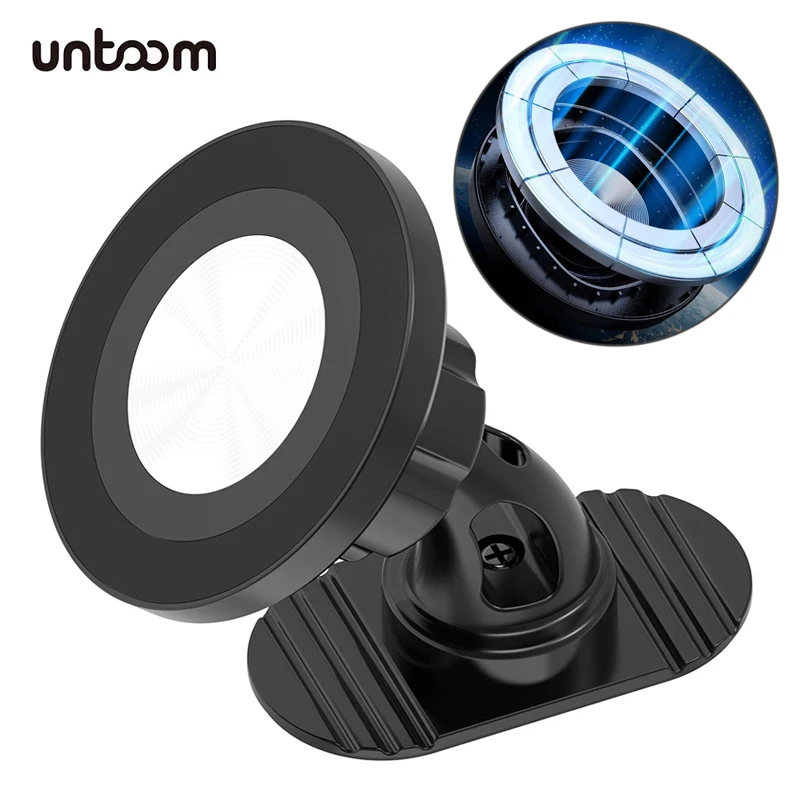
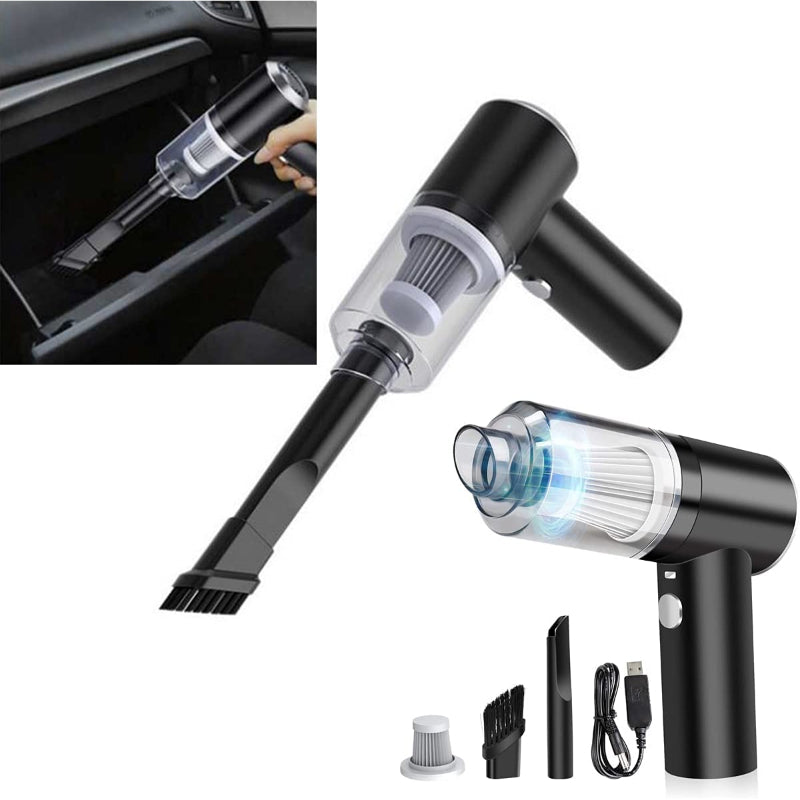
If you are already setting up the cabin, these three sit naturally alongside a car windshield umbrella.

Frequently asked questions about a car windshield umbrella
Does a car windshield umbrella really cool the cabin?
It lowers the peak temperature the cabin reaches while parked, which is a different claim from cooling a car that is already hot. The WLD listing states up to 30 degrees Celsius cooler for the interior. The practical effect most owners notice first is a dashboard and steering wheel they can touch straight away.
Will it fit an SUV as well as a sedan?
The WLD product listing states that it fits most sedan and SUV windshields. Very wide or steeply raked screens are the exception, so measure the widest point of your glass before ordering rather than assuming it will cover.
Can I leave a car windshield umbrella in place while driving?
No. It blocks the driver view completely and must be removed and stowed before the vehicle moves. Take it down as part of getting in, in the same way you would adjust the mirror or the seat.
Does it protect the seats and rear of the cabin too?
Partly. It covers the largest single opening, so it reduces the total light entering, but side and rear glass still let sun through. If the back seat is a particular concern, pair the shade with side window covers.
How long does one last?
With sensible folding and dry storage, several seasons is normal. Life is determined by handling rather than sun exposure, so the owners who get the least out of a car windshield umbrella are usually the ones forcing it into a tight sleeve.
Is it better than a windscreen cover fitted on the outside?
External covers block light before it touches the glass, which is thermally better, but they are exposed to wind, dust and theft, and they are slower to fit. For daily use in a car park, an interior car windshield umbrella is the more practical choice.
A shade is a small purchase that quietly protects a much larger one. If you park in the open through the summer, a car windshield umbrella is one of the easiest upgrades to justify. Check the current listing on the product page, or browse more car and home essentials in the Car Accessories section.


Add comment