A mini washing machine answers a problem that full-size laundry never solved: what to do with four items that need washing today. Running a full drum for a handful of baby clothes wastes water, power and time, and hand-washing delicates in a sink is tedious.
This guide explains how a mini washing machine works, which features actually matter, what belongs in it and what does not, where to set one up in an apartment, and how to keep it clean. There is a troubleshooting list, an honest comparison with a full-size drum, a buying checklist and six questions answered for shoppers in Saudi Arabia.
Why a mini washing machine makes sense
The economics of laundry are strange. A standard machine uses roughly the same water and electricity whether it is full or nearly empty, so small loads are the most expensive laundry you can do. Most households solve this by waiting until there is enough, which works until something is needed sooner.
A mini washing machine breaks that trade-off. Small loads get washed when they need washing, without the guilt of running a mostly empty drum. For baby clothes, gym kit and underwear, that immediacy is the whole point.
Apartments add a second reason. Not every flat has plumbing for a full machine, and shared laundry rooms are inconvenient at best. A compact unit that fills from a jug and drains into a bath gives a household its own laundry capability without any installation.
Then there is delicates. Wool, lace, silk-blend scarves and anything with structure survive a gentle mini washing machine cycle far better than they survive a full drum on any setting, and far more conveniently than they survive a sink.
How a mini washing machine cleans without harshness
Compact units use gentler mechanics than a full-size drum. Instead of tumbling clothes against a metal wall, most rely on turbulence: water is agitated so that it moves through the fabric rather than the fabric being thrown around.
Ultrasonic turbine designs take that further. High-frequency vibration creates rapid pressure changes in the water, and those pressure changes lift dirt out of fibres. The clothes barely move; the water does the work, which is why the approach is described as chemical-free cleaning.
The practical result is a mini washing machine that is kind to fabric. There is no drum edge to abrade a knit, no high-speed spin to stretch a shoulder seam, and far less mechanical stress overall. If you want the wider background on how domestic laundry equipment developed, the washing machine reference page covers the different mechanisms.
What makes a good mini washing machine
Compact laundry units vary more than their photographs suggest. Four attributes decide whether one becomes genuinely useful.
Size, weight and storage
The point of a mini washing machine is that it disappears when not in use. A foldable or collapsible body that stores in a cupboard is worth far more than a slightly larger capacity you will use twice a year.
Weight matters for the same reason. If carrying it to the bathroom feels like a chore, it will stay wherever it was last used, and a laundry appliance parked permanently in a living room defeats the purpose.

A quiet, efficient motor
These units are often used in the room where people are sitting, which makes noise a real consideration rather than a specification footnote. A quiet motor is the difference between running a load during the evening and waiting until nobody is home.
Energy use follows the same logic. A small motor moving a small volume of water draws far less than a full machine, and that gap is the main running-cost argument for owning a mini washing machine alongside a big one.
Handling the loads you actually have
Be realistic about what goes in. A compact unit is designed for baby clothes, underwear, socks, T-shirts and delicates. It is not designed for towels, jeans or bedding, and no listing that claims otherwise should be trusted.
Think in items rather than kilograms. A handful of small garments with room to move in the water is the correct load; packing it tight stops the turbulence circulating and nothing gets clean.
Filling and draining without plumbing
The best compact designs assume no plumbing at all. You fill from a tap, jug or shower head, and you drain through a hose into a bath, sink or floor drain.
Check the drain hose length before ordering. A short hose forces you to lift the whole unit to empty it, which is exactly when spills happen. A mini washing machine that drains by gravity from where it sits is much easier to live with.
The WLD Store pick: 2 in 1 Mini Washing Machine
WLD Store lists a compact two-in-one model. Here is precisely what the listing states, with nothing added:
- Product: 2 in 1 Mini Washing Machine, a compact portable washer sold under the WLD brand.
- Cleaning method: ultrasonic turbine technology that cleans clothes without chemicals.
- Design: lightweight and foldable, intended for apartments.
- Suited to: small loads and travel, including baby clothes, underwear and delicates.
- Motor: energy-saving and quiet.
- Category: Home & Kitchen, in the Home Appliances section.
- Availability: stocked for homes across Saudi Arabia, including Riyadh, Jeddah and Dammam.
- SKU: WLD-KSA-0086-(KD-079).
Images, current availability and secure checkout are on the 2 in 1 Mini Washing Machine product page.
How to run a load properly
A mini washing machine rewards a slightly different routine from a full-size drum. These steps cover a typical wash.
- Set it up on a level surface first. A bathroom floor or a bath edge works well. Uneven footing makes any washer walk and splash.
- Position the drain before filling. Get the hose where it needs to end up while the unit is still light. Moving a full washer is the main cause of spills.
- Fill with warm rather than hot water. Warm water dissolves detergent properly without stressing elastic or colour.
- Use far less detergent than you think. Small volumes of water need a fraction of a normal dose. Excess suds are the leading cause of poor rinsing.
- Load loosely. Items should float and move. A packed tub in a mini washing machine simply circulates water around the outside of a solid mass.
- Run, drain, then rinse. Drain the wash water fully, refill with clean water and run a short second cycle. This is the step that separates clean laundry from soapy laundry.
Wring gently by hand and hang immediately. Compact units are not built to spin clothes dry the way a full machine does, so plan on a drying rack.
What to wash and what to leave out
Matching the load to the machine is most of the skill.
Ideal loads are light and small: baby clothes, underwear, socks, tights, cotton T-shirts, handkerchiefs, face cloths, swimwear and light activewear. These have low mass when wet and let water circulate freely.
Delicates are the other strong use case. Knitwear, lace, embroidered items and anything with a hand-wash label do noticeably better in a mini washing machine than in a full drum, because there is no tumbling action to distort them.
Leave out anything heavy or bulky. Towels, jeans, hoodies, curtains and bed linen absorb enormous amounts of water, become far heavier than the tub is designed for, and block circulation entirely.
Also leave out anything with a heavy stain that really needs pre-treatment. Treat the stain by hand first, then let the machine handle the general wash. Ultrasonic action lifts ordinary soil well but is not a substitute for spot treatment.
Where to set it up in an apartment
Placement decides how often it gets used. The bathroom is the natural home because water in and water out are both a step away.
A bath edge or shower tray gives you a level surface, a drain and tolerance for splashes all at once. If the unit is compact enough, running it inside the bath itself removes any spill risk entirely.
A kitchen is the second-best option, using the sink for filling and draining. Keep a mini washing machine away from the cooking area, and never leave it running unattended on a worktop where the drain hose could shift.
Balconies work in mild weather and are useful when you want to hang the load immediately. Bring the unit inside afterwards, since sun and heat degrade plastic housings faster than anything else in Saudi Arabia.
Travelling with a mini washing machine
Portability is a genuine feature rather than marketing, and a few habits make it work.
Drain and dry completely before packing. A folded unit with water inside will smell within a day, and the fold lines trap moisture where you cannot see it.
Pack a small measured amount of detergent rather than a bottle. Sachets or a small sealed container avoid the worst luggage disaster, and a mini washing machine needs very little detergent anyway.
Check the power supply at the destination. Voltage and plug type vary, and confirming compatibility before you travel is easier than solving it in a hotel room.
Plan the drying, not just the washing. Washing is quick; drying a load of clothes in a hotel room takes overnight at least, so wash early in the evening rather than at bedtime.
Water temperature and fabric care
Temperature choice matters more in a small tub than in a large one, because there is less water to buffer the difference.
Warm water is the sensible default for almost everything a mini washing machine handles. It dissolves detergent fully, lifts body oils from underwear and activewear, and stays well below the point where elastic starts to relax.
Cold water is the right choice for anything brightly dyed or newly bought. Small volumes concentrate any colour that runs, so a first wash in cold water protects the rest of the load from a shirt that bleeds.
Avoid genuinely hot water entirely. Compact tubs are plastic, and repeated exposure to very hot water shortens their life while doing nothing useful for the light garments these units are designed to clean.
Sort by colour more strictly than you would for a full drum. With less water in circulation, a mini washing machine gives dye fewer places to disperse, so mixed loads show transfer sooner than you might expect.
Care and maintenance
A compact washer needs less maintenance than a full machine but more than most people give it.
Drain it completely after every use and leave the lid open to dry. Standing water is what makes any washer smell, and a small tub dries within an hour if air can reach it.
Wipe the inside with a dry cloth after draining. Detergent residue builds a film that traps odour, and removing it while the tub is still damp takes seconds.
Run an empty cycle with warm water and a little white vinegar once a month. Drain, then run a second cycle with plain water to rinse. This keeps the tub and hose fresh without any harsh product.
Check the drain hose for kinks and blockages regularly. A partially blocked hose slows draining, which is the first symptom people notice and the easiest thing to fix.
Store a mini washing machine folded, dry and out of direct sunlight. Heat is what makes plastic hinges brittle, and a unit stored on a hot balcony will crack long before its motor ever fails.
Common problems and quick fixes
- Clothes still feel soapy. Too much detergent, or the rinse cycle was skipped. Halve the dose and always run a separate rinse with clean water.
- The unit vibrates or moves. The surface is uneven or the load is unbalanced. Level the base and redistribute the items so weight is spread around the tub.
- Draining is slow. Check the hose for kinks first, then for lint blockage at the outlet. Both are far more common than a pump fault.
- A musty smell develops. Water has been left standing. Drain fully, run a vinegar cycle, rinse, and leave the lid open between uses from now on.
A mini washing machine compared with a full-size drum
These are complementary tools rather than competitors, and it helps to be clear about which does what.
A full machine wins decisively on capacity, on heavy items and on spin drying. Towels, bedding and jeans belong there, and nothing compact will change that.
A mini washing machine wins on small loads, on gentleness with delicates, on running cost per wash, and on being usable where there is no plumbing at all. It also wins on immediacy, since a small load can be washed the moment it is needed.
For most households the honest answer is that a compact unit supplements rather than replaces. Households genuinely without space for a full machine are the exception, and for them a mini washing machine plus a drying rack is a workable complete setup for one or two people.
Who should skip this
Large families doing daily volume laundry will find a compact unit frustrating. The tub is simply not sized for that pattern of use, and running it repeatedly is slower than one full cycle.
Anyone who mainly washes towels and bedding should also skip it. Those are exactly the items a mini washing machine handles worst, and the mismatch will be obvious on the first load.
Households that need clothes spun nearly dry may want to reconsider too. Compact washers are gentle, and gentleness and powerful spinning do not go together. If drying space is limited, that constraint matters.
Buying checklist
- What will I actually wash in it? List the items honestly, and check none of them are towels or jeans.
- Where will it be stored? Measure the cupboard, not just the floor space it uses while running.
- How does it fill and drain? Confirm it needs no plumbing and that the drain hose reaches your bath or sink.
- Is the motor quiet? This matters more than expected in an apartment where the unit runs in a shared space.
- Will I travel with it? If yes, weight and folded size outrank capacity every time.
Other home and kitchen picks at WLD Store
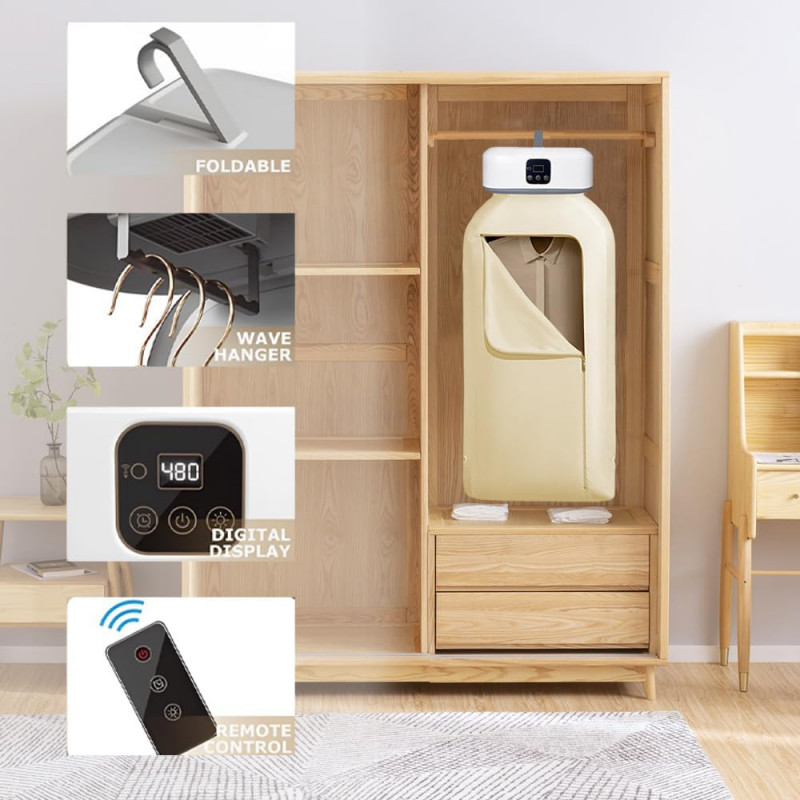
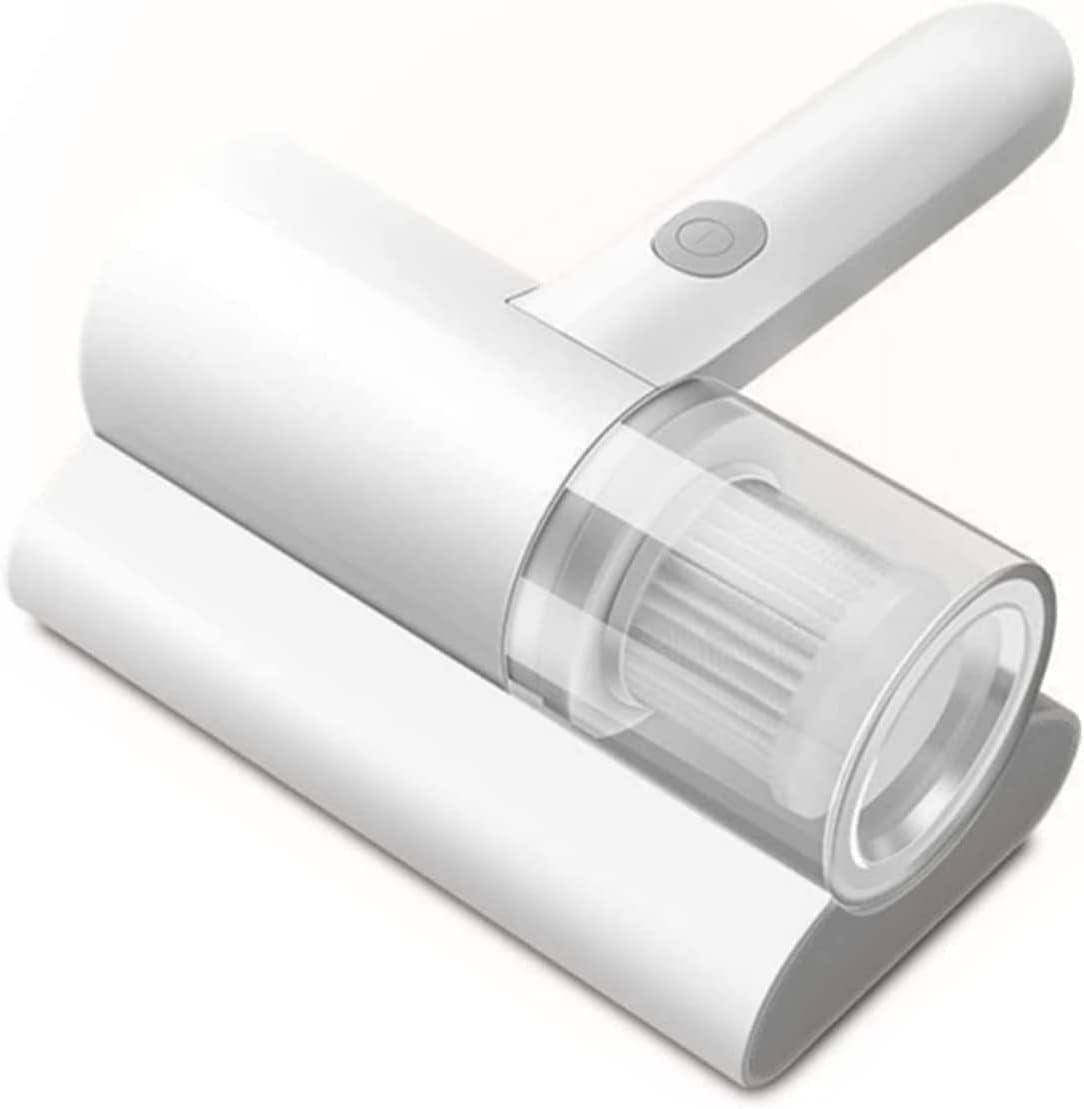
These related listings sit in the same Home & Kitchen range if you are browsing more widely.

Frequently asked questions about the mini washing machine
Does a mini washing machine need plumbing?
No. Compact units of this type are filled manually and drained through a hose into a bath, sink or floor drain. That is what makes them usable in apartments and rented accommodation with no laundry connection.
How much can it wash at once?
Think in small garments rather than kilograms. A handful of baby clothes, socks, underwear or light T-shirts with room to move freely in the water is the right load. Packing it tight stops the water circulating.
Can it wash towels or jeans?
No, and it is better to know that before ordering. Heavy items absorb far more water than the tub is designed to move, so they block circulation and come out barely cleaner than they went in.
Does it spin clothes dry?
Not to the extent a full-size drum does. Expect to wring items gently by hand and hang them straight away. A drying rack is a natural companion purchase for any mini washing machine.
How much detergent should I use?
Far less than a normal load: a small fraction of a standard dose. Excess suds are the single most common complaint, and they come from applying full-machine habits to a small volume of water.
Is it suitable for baby clothes?
Yes, and that is one of the most popular uses. Baby garments are small, light and need washing frequently in small quantities, which is exactly the pattern a mini washing machine is built for.
For small loads, delicates and apartment living, a mini washing machine solves a problem full-size laundry was never designed to handle. You can see the current listing on the 2 in 1 Mini Washing Machine page or browse more home appliances in the Home Appliances section, with secure checkout and availability across Saudi Arabia.




Add comment