An automatic toilet cleaner in this sense is not a machine that scrubs for you. It is a toilet brush paired with a self-cleaning holder: a sealed container that rinses and contains the head between uses instead of letting it drip into an open pot beside the pan. That one change fixes the least pleasant object in most bathrooms.
This guide covers why the traditional brush and open holder is such a poor design, what to look for in an automatic toilet cleaner, how to mount and use one, what to clean with, and how to keep the whole thing genuinely hygienic. It ends with a checklist and the questions people actually ask.
Why the traditional toilet brush is the problem
Think about what happens with a conventional brush. It is used, it is dripping, and it goes straight back into an open plastic pot that sits on the floor. Nothing rinses it, nothing dries it, and the pot collects everything that runs off.
That pot is the real issue. It stays permanently damp, it is out of sight, and almost nobody cleans it on any schedule. Warm, wet and undisturbed is the ideal condition for bacteria, and the smell that develops in a bathroom with no obvious source is very often coming from there.
The brush itself suffers too. Bristles that never dry go soft and splay, so they push water around rather than scrubbing. A brush that is two years old is usually doing a fraction of the work it did when new, which is why an automatic toilet cleaner is designed around containment and rinsing rather than around the bristles alone.
There is a splash issue as well. Lifting a dripping brush out of an open pot and carrying it to the pan spreads droplets across the floor and the pan’s outside surfaces. A sealed holder means the head is contained from the moment it leaves the water.
Finally, there is the visual problem. An open brush pot is the one item in a bathroom that always looks grim, no matter how clean the rest of the room is. A closed automatic toilet cleaner unit removes that entirely, which is a large part of why people buy one.
What makes a good automatic toilet cleaner
These units look similar in listings. The differences show up in daily use, and mostly come down to sealing, shape and mounting.
The seal on the container
This is the whole point of the product, so check it first. The head should sit fully inside a closed chamber, with the lid or collar meeting the body cleanly. A partial cover that leaves a gap around the handle keeps a little water in but lets odour straight out, which defeats the purpose of an automatic toilet cleaner.
Brush head shape
The head needs to reach under the rim, which is where most staining starts and where a flat round head cannot go. Look for an angled or hooked profile with bristles on the top surface, not just the sides. Silicone heads dry faster and hold less residue than nylon bristles, though they can feel less aggressive on stubborn marks.
Mounting options
Wall mounting keeps the base off the floor, which makes mopping far easier and stops the unit becoming a dust trap. Freestanding suits rentals and tiled walls you would rather not drill. A good automatic toilet cleaner supports both, so the decision is yours rather than the manufacturer’s.
Base stability
If you plan to use it freestanding, weight and footprint matter. A tall, narrow, light unit tips when the brush is withdrawn quickly, and a tipped container is the single messiest failure this product can have. Press the top of the unit gently; it should resist rather than rock.
Materials and finish
Bathrooms are humid, so anything that can corrode will. Plastic and stainless components are the norm, and a smooth external finish is far easier to wipe than a textured one. Avoid units with deep decorative grooves around the base, since those collect exactly what you are trying to eliminate.
Ease of emptying
The container of an automatic toilet cleaner has to be emptied and rinsed periodically, so check how that actually works before buying. A chamber that lifts out in one piece is quick; one that requires dismantling three parts will not get done as often as it should.
The WLD Store pick: Automatic Toilet Cleaner
WLD Store lists this as a self-cleaning toilet bowl brush. Everything below comes straight from the product listing:
- Category: Home and Kitchen, listed under Kitchen Tools.
- Brand: WLD. SKU: WLD-KSA-0095-(KD-153).
- Self-cleaning brush holder design.
- Sealed container described as preventing bacterial spread.
- Can be wall mounted or used freestanding.
- Deep cleaning brush head that reaches under the rim.
- Available across Saudi Arabia with secure checkout.
Photographs and current availability are on the Automatic Toilet Cleaner product page. For general background on the fixture itself and how rim design affects cleaning, the reference article on the flush toilet is a useful starting point.
Wall mounted or freestanding
Both work, and the right answer for an automatic toilet cleaner depends on your bathroom rather than on the product itself.
Wall mounting is the better hygiene option. Nothing sits on the floor, so mopping takes seconds and no dust or hair collects around a base. It also puts the unit at a height where emptying it does not involve crouching next to the pan.
The trade-offs are drilling and position. You need a wall that will take a fixing near the toilet, at a height where the brush clears the rim comfortably, and you need to be confident about pipework behind the tiles. Get that wrong and a wall-mounted automatic toilet cleaner becomes an expensive tiling repair.
Freestanding suits rented homes, tiled walls, and anyone who moves things around. It gives up the floor-clearance advantage but keeps the sealed container, which was always the main benefit. If you go freestanding, choose a position where the unit cannot be kicked and where the door does not swing into it.
Installing and using it
Setting up an automatic toilet cleaner takes a few minutes. These steps apply whichever mounting you choose.
- Unpack and rinse the brush head and container before first use.
- Decide on a position where the brush can be lifted straight out without hitting the pan or the wall.
- For wall mounting, check for pipes and cables, mark the height, and drill into tile or grout as your fixings require.
- For freestanding use, choose a spot clear of the door swing and any foot traffic.
- Add a small amount of water and cleaning solution to the base chamber if the design allows it.
- Use the brush under the rim first, then around the bowl, then the water line last.
- Rinse the head in the flushing water before returning it to the holder.
- Lower the head fully into the chamber so the seal closes properly.
- Flush once more and wipe the outside of the unit with the same cloth you used for the pan.
The rinse-before-returning habit is what makes the whole thing work. An automatic toilet cleaner is a containment system, not a magic one, and returning a heavily soiled head to the chamber simply moves the problem inside the housing.
Getting under the rim properly is the other habit worth building. Most visible staining begins there and works downwards, so thirty seconds of rim work is worth more than a minute of scrubbing the visible bowl.
A realistic cleaning routine
Consistency beats intensity in a bathroom, and a small weekly rhythm keeps an automatic toilet cleaner easy to live with.
- Quick brush round the bowl and under the rim twice a week, with no chemicals needed.
- A proper clean once a week using your usual toilet cleaner, left to dwell before brushing.
- Empty and rinse the container of the automatic toilet cleaner once a week alongside that clean.
- Wipe the outside of the unit whenever you wipe the pan, using the same cloth.
- Deep clean the chamber monthly, with the brush head removed and both parts left to dry.
- Inspect the bristles or silicone fins monthly and replace the head when they stay splayed.
Six small jobs, none longer than a minute or two. Skipping the weekly container rinse is the one that undoes everything else.
What to clean with, and what never to mix
The brush does the mechanical work; the cleaner does the chemical work. Most household toilet cleaners fall into two families, and the important thing is that they must never be combined.
Bleach-based cleaners are strong on stains and disinfection. Acid-based descalers are far better on limescale rings. Mixing bleach with an acidic product releases chlorine gas, which is genuinely dangerous in a small, poorly ventilated room. Use one, flush thoroughly, and only then consider the other.
Whatever you use, let it dwell. Almost every toilet cleaner works better if left for several minutes before brushing, and dwell time costs nothing. Apply it under the rim so it runs down over the surfaces, brush afterwards with the automatic toilet cleaner head, then flush.
Hard water and limescale
In hard water areas a stubborn ring forms at the water line, and no amount of brushing removes mineral deposit by force alone. Understanding that saves a lot of pointless scrubbing.
Limescale needs an acid to dissolve it, so a descaling product is the right tool. Lower the water level first where possible, apply the descaler directly to the ring, and give it real dwell time before brushing.
Once the ring is gone, prevention is mostly frequency. A brief brush at the water line every few days stops deposits establishing, and that is exactly the kind of small job an automatic toilet cleaner makes easy, because the brush is sealed, dry and pleasant enough to pick up.
Small bathrooms, guest cloakrooms and rentals
In a very small room, floor space is the scarcest resource, and an open brush pot occupies the worst part of it. Wall mounting an automatic toilet cleaner reclaims that corner entirely.
Guest cloakrooms have a different priority: appearance. A sealed unit simply looks better than an open pot, and in a room guests use it is one of the few visible signs of how the whole house is kept.
Renters should stay freestanding unless drilling is clearly permitted. The sealed chamber delivers most of the benefit on its own, and a freestanding unit moves with you when the tenancy ends.
Who it is not for
If your bathroom already has a built-in brush recess in the vanity unit, adding a second housing may simply crowd the space. The same applies where a wall-hung pan leaves very little floor beside it.
If nobody in the household will empty and rinse the container weekly, be realistic. A sealed chamber that is never emptied becomes exactly the thing it was designed to replace, only harder to see. In that situation a plain brush replaced regularly may genuinely serve better than an automatic toilet cleaner.
Compared with a plain brush or a disposable-head system
A plain brush and open pot is the cheapest option and needs no thought, but it gives up everything an automatic toilet cleaner offers. Its cost is hygiene and appearance, and it needs replacing more often because the bristles never dry.
Disposable-head systems clip a fresh pad on for each clean and throw it away afterwards. Hygiene is excellent and there is nothing to store wet, but you are buying refills forever and creating waste with every clean.
An automatic toilet cleaner sits between them: one brush that keeps working, contained and rinsed, with no consumables beyond an occasional replacement head. For most households that is the better balance, provided the weekly rinse actually happens.
Care and maintenance
An automatic toilet cleaner needs the same discipline you would apply to any bathroom item, which is not much.
- Empty, rinse and refill the container weekly; do not let old water sit.
- Remove the head monthly and let both parts dry completely before reassembly.
- Wipe the exterior whenever you clean the pan, including the underside of the lid.
- Check any wall fixings every few months and retighten if there is movement.
- Replace the brush head when the bristles stay splayed or the silicone fins soften.
- Avoid pouring neat bleach into the chamber of an automatic toilet cleaner, since it can degrade seals over time.
Treated this way the unit outlasts several conventional brushes, and the chamber never develops the smell that made you replace the last one.
Common problems and quick fixes
- There is still an odour. The container has not been emptied recently, or the head is being returned unrinsed. Do both weekly and the smell goes.
- The unit tips when you pull the brush out. Withdraw the handle vertically rather than at an angle, or move to wall mounting for a permanent fix.
- The brush will not reach under the rim. The head is being pushed rather than hooked. Angle the handle so the top surface of the head presses upward into the rim channel.
- Water pools around the base. The head is going back too wet. Shake it inside the pan and let it drip for a moment before lowering it into the chamber.
All four are habits rather than faults. An automatic toilet cleaner rewards a short routine and punishes an inconsistent one.
Buying checklist
- Does the chamber seal fully around the handle, or is there an open gap?
- Is the head shaped to hook under the rim rather than only scrub the bowl?
- Can it be both wall mounted and freestanding, so you can change your mind later?
- Does the container lift out easily enough that you will actually rinse it weekly?
- Is the exterior smooth and simple to wipe, with no decorative grooves at the base?
Five yes answers describe an automatic toilet cleaner that will still be doing its job in two years.
Ventilation and why bathrooms smell
Odour in a bathroom rarely has one single source, and chasing it with air freshener only treats the symptom. Three things usually matter far more than any spray.
The first is standing water. Any container holding water that is not changed regularly will eventually smell, which is why the weekly rinse of an automatic toilet cleaner chamber matters as much as cleaning the pan itself.
The second is ventilation. Running an extractor fan for fifteen minutes after a shower, or simply leaving a window open, removes the humidity that everything else feeds on. A dry bathroom smells of nothing at all, which is exactly the goal.
The third is the floor immediately around the pan. It is the hardest area to mop and the easiest to skip, and it collects far more than most people expect. Wall mounting an automatic toilet cleaner helps here specifically, because it removes the one obstacle that makes that patch of floor awkward to reach.
Work through those three and most bathroom odour problems resolve without buying anything scented at all.
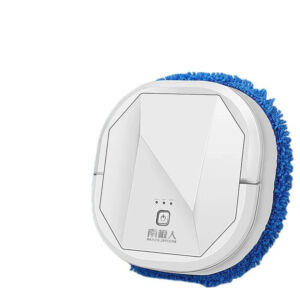
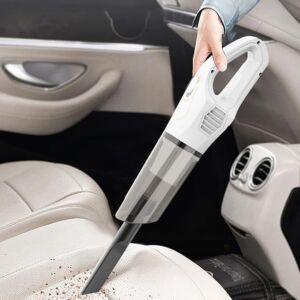
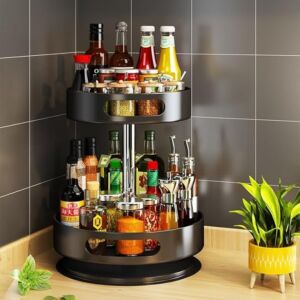
Other Home and Kitchen picks at WLD Store
Three more household items from the same section.

Frequently asked questions about an automatic toilet cleaner
Does it clean the toilet by itself?
No. The automatic part refers to the self-cleaning holder that rinses and contains the brush head between uses. You still do the scrubbing, but the brush stays sealed and far more hygienic than an open pot allows.
Do I need to put cleaning liquid in the base?
A small amount of water with a little cleaner helps keep the chamber fresh between weekly rinses. Avoid neat bleach, which can degrade seals, and empty the chamber weekly regardless of what is in it.
Can I mount it without drilling?
Yes, the WLD listing states it can be used freestanding as well as wall mounted. Freestanding is the sensible choice in rented homes or on tiling you would rather not drill into.
How often should I replace the brush head?
When the bristles stay splayed after drying, or silicone fins lose their spring. Because the head is rinsed and contained rather than left soaking, heads in an automatic toilet cleaner typically last longer than in an open pot.
Will it fit under a wall-hung toilet?
Check the clearance between the pan and the floor before buying, and consider wall mounting instead. Wall-hung pans are exactly the situation where getting the unit off the floor helps most.
Is it suitable for a guest bathroom?
Yes, and it is arguably where it makes the most visible difference. A sealed unit looks considerably better than an open brush pot in a room visitors use.
Swapping an open brush pot for a sealed, self-rinsing unit is a small change that quietly fixes the least pleasant corner of a bathroom. If that sounds worthwhile, look at the automatic toilet cleaner on its product page, or browse more home essentials in the Kitchen Tools section.



Add comment