A derma roller hair regrowth tool is one of the most talked-about items in home hair care, and also one of the most misunderstood. It is a small handheld roller covered in fine needles that you move across the scalp. This guide explains what the device is, what it is designed to do, how to use it without hurting yourself, why cleaning matters more than any other habit, how to set realistic expectations, and who should speak to a doctor before starting. It also details exactly what the WLD Store listing says about the model it stocks for buyers in Saudi Arabia.
What a derma roller actually is
A derma roller hair regrowth tool is a rolling head studded with a large number of very short needles, mounted on a handle. Rolling it across skin creates a pattern of tiny punctures. On the scalp, the interest is in what happens around the hair follicle, the structure in the skin from which each hair grows and which is described in the Wikipedia article on hair follicles.
Two things are commonly claimed for the technique. The first is that the micro-channels created help topical products reach deeper than they would on unbroken skin. The second is that the process encourages local blood flow. Both are the standard rationale you will see on product listings, including the derma roller hair regrowth tool stocked at WLD Store.
What matters for a buyer is understanding that this is a tool with a technique attached, not a product that works simply by being owned. Needle length, rolling pressure, frequency and hygiene all change the outcome, and they are all under your control. That is why so much of this guide is about method rather than about the device itself.
It is also worth saying plainly at the start: results vary enormously between individuals, and hair loss has many different causes. A derma roller hair regrowth routine is not a diagnosis and it is not a treatment plan. Anyone with sudden, patchy or rapid hair loss should see a doctor first, because the cause determines what will actually help.
Why needle length is the specification that matters most
If you take one thing from this guide to derma roller hair regrowth, make it this. Needle depth determines how the tool behaves, how it feels, how often it can be used and how much care it demands.
Short needles are intended for at-home use on the scalp, and they are the basis of any sensible derma roller hair regrowth routine. They stay in the outer layers of skin, which is why a shallow tool is described as safe for home scalp use and why it can be used more regularly than a deeper one. The WLD Store derma roller hair regrowth tool specifies a 0.5mm needle depth.
Longer needles belong in professional hands rather than in a home derma roller hair regrowth routine. Deeper penetration means more discomfort, more bleeding, a longer recovery between sessions and considerably more risk if hygiene slips. Buying a longer roller because it sounds more effective is the single most common mistake people make with these devices.
There is no prize for going deeper with derma roller hair regrowth. A shallow tool used consistently and cleanly for months will always beat an aggressive one used twice and then abandoned because it hurt.
What makes a good derma roller hair regrowth tool
Beyond needle length, four practical things separate a well-made derma roller hair regrowth tool from a poor one.
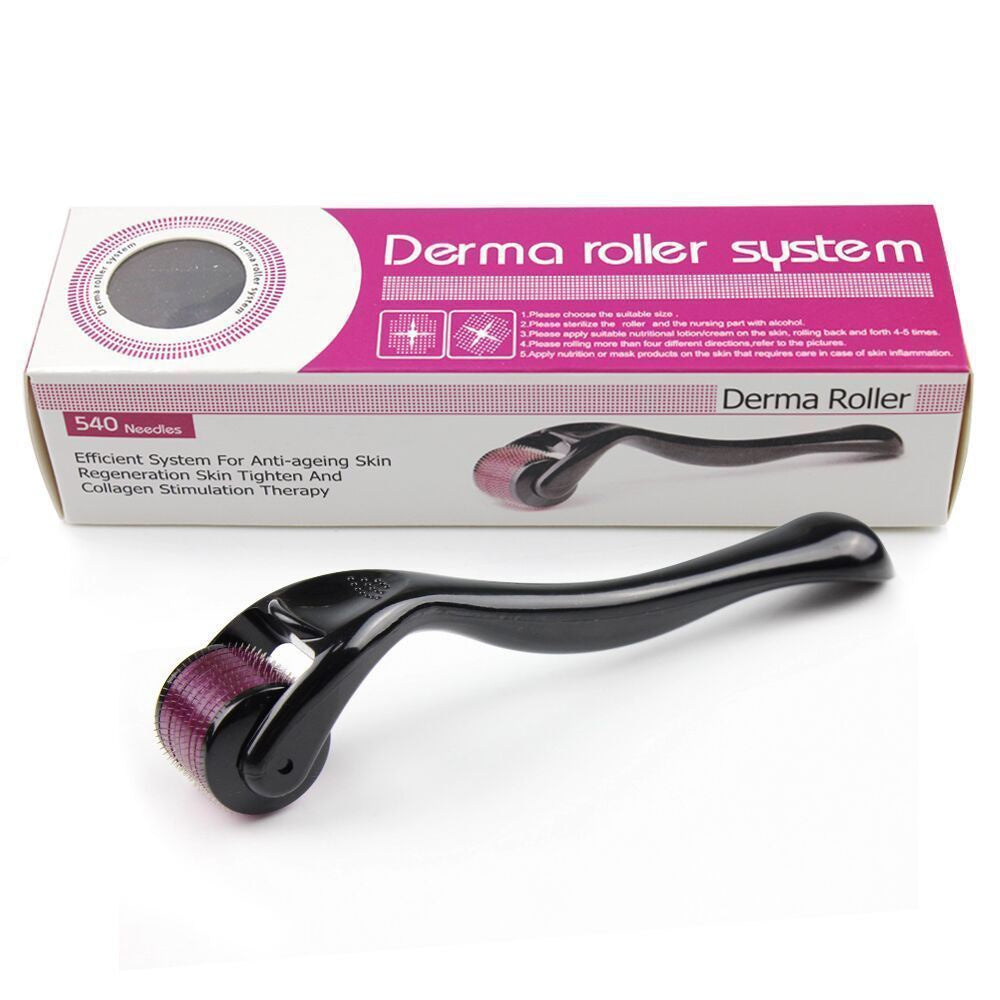
Needle count and material
On a derma roller hair regrowth tool, more needles across the head means the pressure you apply is spread more evenly, which makes for a smoother, less scratchy feel. The WLD Store tool is specified with 540 titanium micro-needles.
Material matters for durability. Needles need to keep a consistent point through repeated use and repeated cleaning, because a bent or blunted needle drags rather than punctures, and dragging is what causes irritation on the scalp.
Roller construction and alignment
Look at how the head of a derma roller hair regrowth tool is built. Needles should sit in even rows with consistent spacing, and the head should spin freely without wobble. A head that binds or catches will skip across the scalp instead of rolling smoothly.
Alignment is easy to check when the tool arrives. Roll it slowly across the back of your hand with almost no pressure. It should feel like an even, fine texture rather than a few sharp points doing all the work.
Handle and grip
You will be using a derma roller hair regrowth tool on the back of your own head, working blind, often with damp hands. A handle long enough to reach the crown comfortably and grippy enough not to twist is worth far more than a decorative finish.
Hygiene design
The best derma roller hair regrowth tools come with a hard storage case, because a bare roller in a drawer collects dust and gets its needles bent. A case that lets the head dry rather than sealing it wet is the ideal.
The WLD Store pick: Derma Roller for Hair Regrowth
Here is exactly what the WLD Store listing states about this product. Some of these are manufacturer descriptions rather than independently verified findings, and they are presented here as the listing presents them:
- Product: Derma Roller for Hair Regrowth, a microneedle tool
- Brand: WLD
- Categories: Beauty & Personal Care, and Hair Care
- Needles: 540 titanium micro-needles
- Needle depth: 0.5mm, described as safe for scalp use
- Listing describes it as: stimulating natural hair growth, promoting blood circulation to hair follicles, and boosting absorption of hair serums
- Availability: sold across Saudi Arabia with secure checkout
- SKU: WLD-KSA-0105-(KD-050)
The two specifications to focus on are the needle count and the 0.5mm depth, because those are the objective, checkable numbers. Claims about outcomes vary from person to person and should be treated as marketing language rather than as a promise. You can read the listing in full on the Derma Roller for Hair Regrowth product page.
How to use it safely, step by step
Technique is most of the story with derma roller hair regrowth. A careful routine takes about five minutes and looks like this.
- Start with a clean scalp and clean hands. Wash your hair beforehand and dry it. Rolling over product build-up or sweat pushes that material into the skin.
- Disinfect the roller first. Every single session, before and after. This is not optional with any derma roller hair regrowth routine.
- Work in sections. Part the hair and treat one narrow area at a time so you can see the scalp rather than rolling over hair.
- Roll in one direction, lift, repeat. Four to six passes over a section, then lift the roller clear before repositioning. Never drag it sideways while it is in contact.
- Change direction between sets. Horizontal passes, then vertical, then diagonal. This gives even coverage without over-treating one line.
- Use almost no pressure. The weight of the tool is close to enough. Pressing hard does not improve anything and causes scratches.
- Stop if it hurts or bleeds. Mild pink is the most you should see. Anything more means too much pressure or too long a needle.
Aftercare is simple: leave the scalp alone for the rest of the day. No harsh shampoos, no styling products, no direct sun on a freshly treated scalp, and no swimming pools. The skin has been mildly disrupted and needs a quiet few hours.
How often, and what to expect over time
In any derma roller hair regrowth routine, frequency should match needle depth. With a shallow tool, spacing sessions several days apart is the usual approach, and giving the skin time to settle between them matters more than squeezing in extra sessions.
Expectations need to be realistic, because hair simply does not move quickly. Hair grows slowly and in cycles, so any change from any routine takes months rather than weeks to become visible. Anyone promising a transformation in a fortnight is selling something.
Keep a simple record of your derma roller hair regrowth sessions. Photographs taken monthly in the same spot, same light and same parting are far more reliable than memory, which is notoriously bad at judging gradual change on your own head.
Consistency beats intensity in every version of this routine. A derma roller hair regrowth habit maintained calmly across six months tells you something useful. Three enthusiastic weeks followed by nothing tells you nothing at all.
Cleaning and hygiene: the part people skip
This is the part of any derma roller hair regrowth routine that matters most, and it is the one most often ignored. A needle roller creates hundreds of tiny openings in the skin. Anything on the needles goes into those openings.
Clean before and after every use. The standard approach is to soak the head in high-strength isopropyl alcohol for several minutes, then let it air-dry on a clean surface with the needles facing up so nothing presses against them.
Never share a derma roller hair regrowth tool with anyone, including family. This is a personal item in the same category as a razor, and there is no safe way to share one.
Rinse away debris before disinfecting if the head looks dirty, but do not scrub it with a brush, which bends needles. Store it dry in its case, away from the bathroom shelf where steam and splashes reach it.
When to replace the roller
Needles on a derma roller hair regrowth tool do not stay sharp forever, and a blunt roller is worse than no roller because it drags and tears rather than making a clean puncture.
Replace it on a schedule rather than waiting for a sign, because the change is gradual and easy to miss. Most people underestimate how quickly a regularly used tool dulls.
Replace it immediately if you drop it, if the head wobbles, if you can see bent needles under good light, or if rolling suddenly feels scratchy when it did not before. A derma roller hair regrowth tool is inexpensive enough that replacing it early is always the right call.
Pairing it with serums and other products
The absorption argument is the main reason people combine derma roller hair regrowth with a topical product, and it is also where the most caution is needed.
Only apply things intended for the scalp. A product that is safe on intact skin is not automatically safe on skin that has just been micro-punctured, and irritating ingredients become considerably more irritating.
Timing is debated, and many people prefer to wait rather than applying anything immediately after rolling. If you use a prescribed topical treatment, ask the prescribing doctor how it should be combined with a derma roller hair regrowth routine rather than guessing.
Avoid layering several actives at once. If something causes a reaction, you want to know which product was responsible, and that is impossible when four things went on at the same time.
Who should not use one
The list of people who should avoid derma roller hair regrowth is short but important, and it is not exhaustive.
Do not use a roller on skin that is broken, sunburnt, infected, inflamed or covered in active spots. Do not use one over moles, warts or raised lesions. Anyone with an active scalp condition such as psoriasis or eczema, a bleeding disorder, or a condition affecting healing should get medical advice first.
If you are taking medication that affects clotting or the immune system, or you are pregnant, ask a doctor rather than relying on a product page. And if hair loss is sudden, patchy or accompanied by any other symptom, see a professional before starting anything, because the cause matters far more than the tool.
Being clear about this is not a disclaimer for its own sake. A derma roller hair regrowth routine is a low-risk habit for a healthy scalp and a genuinely bad idea on a scalp that needs medical attention.
How it compares with other approaches
Scalp massage with the fingers or a brush is the gentlest alternative to derma roller hair regrowth. It has no puncture risk at all and can be done daily, though it does nothing for product absorption.
Professional treatments go deeper and are performed in a controlled setting with proper sterilisation and aftercare. They cost more and require appointments, but for anyone considering longer needles, that is the appropriate route rather than a longer home device.
Medical treatment is a different category entirely. Prescribed options are the ones with clinical evidence behind them for specific diagnoses, and a home tool is not a substitute for them.
Most sensible routines end up combining things: a doctor’s advice on the cause, whatever treatment that suggests, and a derma roller hair regrowth tool used carefully alongside if the doctor sees no reason against it.
Common problems and quick fixes
- It stings or scratches. Too much pressure, or a dulled head. Lighten your touch dramatically first, and replace the roller if that does not fix it.
- The scalp stays red for a long time. Sessions are too frequent or too aggressive. Increase the gap between sessions and reduce the number of passes.
- The head snags on hair. You are rolling over hair rather than scalp. Part into narrower sections so the roller contacts skin directly.
- It feels blunt after a few weeks. That is normal wear. Replace it, because a dull derma roller hair regrowth tool causes more irritation than a sharp one.
Buying checklist
- Is the needle depth suitable for unsupervised home use rather than a professional setting?
- Does the listing state the needle count and material clearly?
- Does it include a storage case that protects the needles between sessions?
- Can you comfortably reach the back of your own head with the handle?
- Have you checked with a doctor if you have any scalp condition or unexplained hair loss?
Other beauty and personal care picks at WLD Store
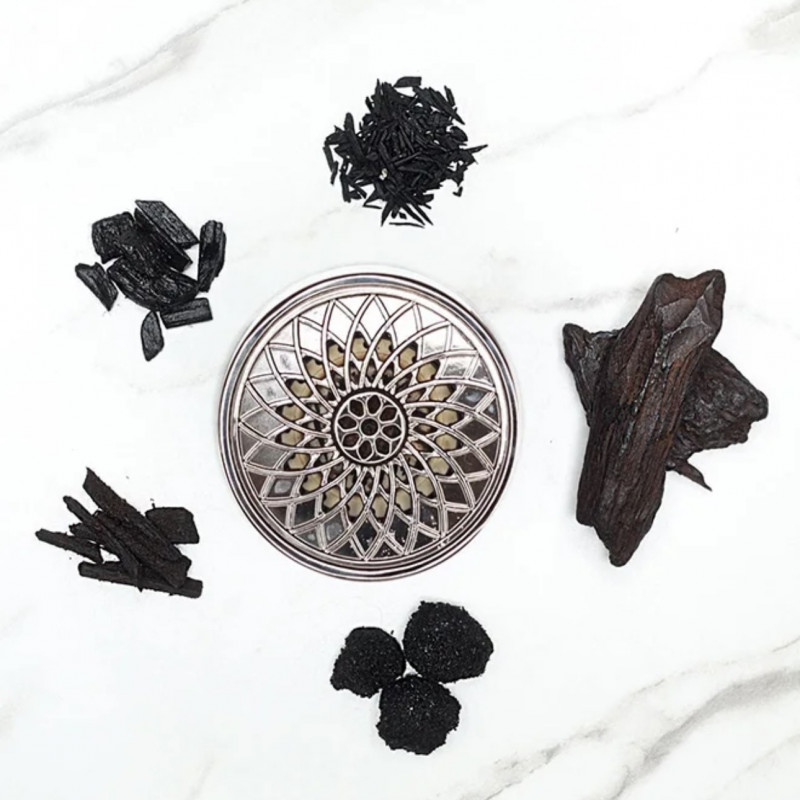
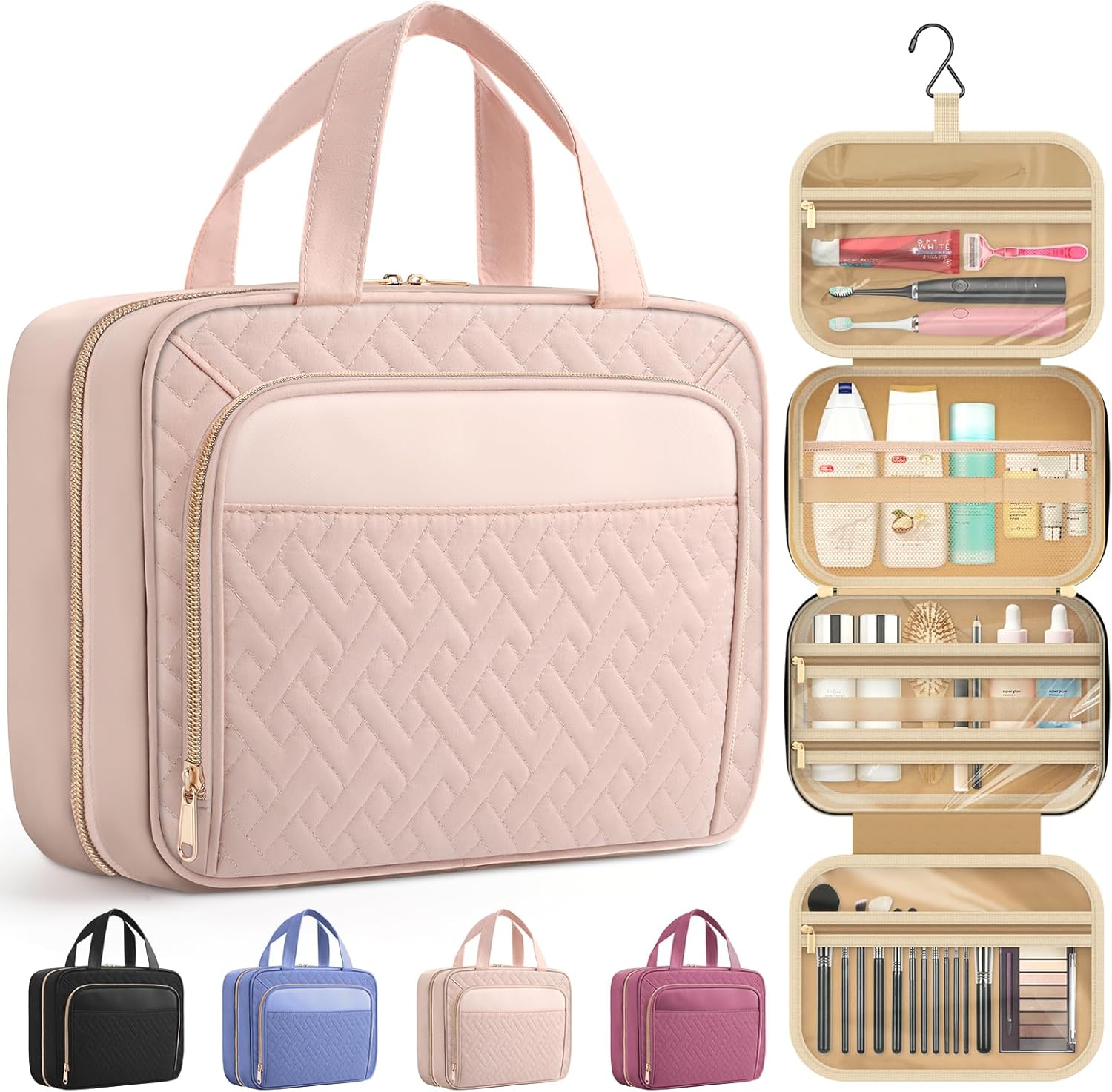
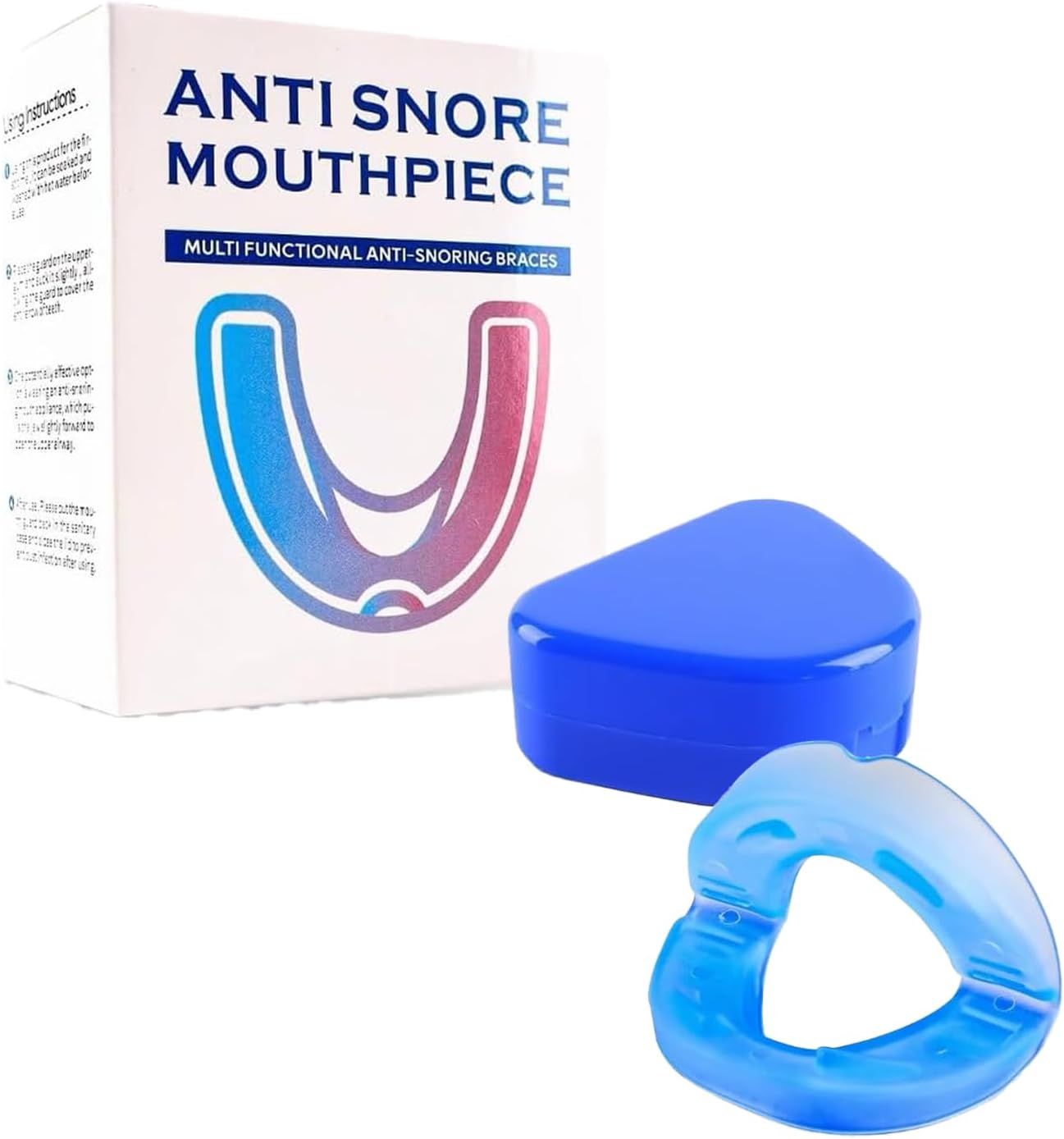
These three are also listed at WLD Store if you are browsing the wider range.
Frequently asked questions about derma roller hair regrowth
Does a derma roller hair regrowth tool actually work?
Results vary widely between individuals and depend heavily on why hair is thinning in the first place. The technique has a plausible rationale and many users report benefits, but no home device guarantees an outcome. Identifying the cause with a doctor is the step that determines what will genuinely help.
How often should I use it?
Space sessions several days apart with a shallow tool and let the scalp settle fully in between. Rolling more often does not accelerate anything and increases irritation. Consistency across months is what matters, not frequency within a week.
Does it hurt?
With a short needle length and light pressure it should feel like a fine prickling rather than pain. Sharp pain, bleeding or lasting soreness means you are pressing too hard, using a tool that is too deep, or working with a blunted head that needs replacing.
How do I clean a derma roller hair regrowth tool?
Soak the head in high-strength isopropyl alcohol before and after every session, then air-dry it needles-up on a clean surface and store it in its case. Do not scrub it, do not share it, and do not leave it uncovered in a steamy bathroom.
Can I use it on my beard or eyebrows?
People do use rollers on other areas, but facial skin is thinner and more sensitive than the scalp, and the eye area in particular should be avoided. If you are considering it, ask a dermatologist rather than assuming the same routine transfers directly.
When should I replace it?
Replace on a regular schedule rather than waiting for obvious damage, and immediately after any drop or if rolling starts to feel scratchy. Needles dull gradually, so relying on how it feels alone tends to mean using a blunt tool for weeks without realising.
Treat this as a slow, careful habit rather than a quick fix: shallow needles, light pressure, obsessive cleaning, monthly photographs and a doctor’s input if anything about your hair loss is unusual. The Derma Roller for Hair Regrowth lists its full specification on the product page, and the rest of the hair care range is in the Hair Care section.


Add comment