A milia remover is one of those products people search for after weeks of studying the same small white bumps in a mirror. Milia are stubborn, they do not respond to the things that work on ordinary spots, and the temptation to attack them at home is strong. This guide explains what they are, what a topical product can reasonably do, and where the sensible limits lie.
Below you will find plain explanations, patch-testing advice, a realistic routine, the things never to try at home, and the point at which a professional is the right answer. The Milia Remover Essential listed at WLD Store for shoppers in Saudi Arabia is used as the example, described strictly from what its listing states. Nothing here is medical advice.
What milia actually are
Milia are small, firm, white or pale bumps that sit just under the surface of the skin, most often around the eyes, on the cheeks and across the nose. They form when keratin becomes trapped in a tiny pocket near the surface rather than shedding away normally, which is why they feel hard rather than soft.
The important distinction is that milia are not the same as whiteheads. A whitehead is a blocked pore with an opening; a milium has no opening at all, which is exactly why squeezing does nothing except bruise the skin around it. Understanding that difference is the first thing anyone shopping for a milia remover should be clear about.
They are also extremely common and are not a sign of poor hygiene. They appear on newborns, on people with meticulous skincare routines, and on skin that has been through sun damage, heavy occlusive creams or minor irritation. Nothing about having them indicates that a face is unclean.
Many milia resolve on their own over weeks or months without any intervention at all. That matters when setting expectations for any skin care product, because patience is genuinely part of the approach and a milia remover is not a same-day fix.
Why people look for a milia remover
The usual reason is that nothing else in a routine seems to touch them. Cleansers, spot treatments and masks are designed for blocked pores and oil, and milia are neither. People try the products they already own, see no change, and start searching for something aimed specifically at the problem.
Location is the second reason. Milia cluster around the eyes more than anywhere else, and that is the area where people are most reluctant to experiment. A dedicated milia remover appeals precisely because the alternative approaches, from strong acids to physical scrubs, feel inappropriate that close to the eyes.
There is also a visibility factor. Milia catch light differently from surrounding skin, so they show up in photographs and under strong lighting even when they are barely noticeable in a mirror. For many people that is the trigger for looking into a milia remover rather than any discomfort, since milia are typically painless.
Finally, there is the wish to avoid a clinic visit. Professional extraction is effective but involves an appointment, a cost and a small procedure, so trying a topical option first is a reasonable order of operations for most people with mild, non-inflamed bumps.
What to look for in a milia remover
Products in this category vary widely, and the qualities that matter are not the ones the packaging usually emphasises. Four things deserve attention before anything goes near your face.
Suitability for sensitive skin
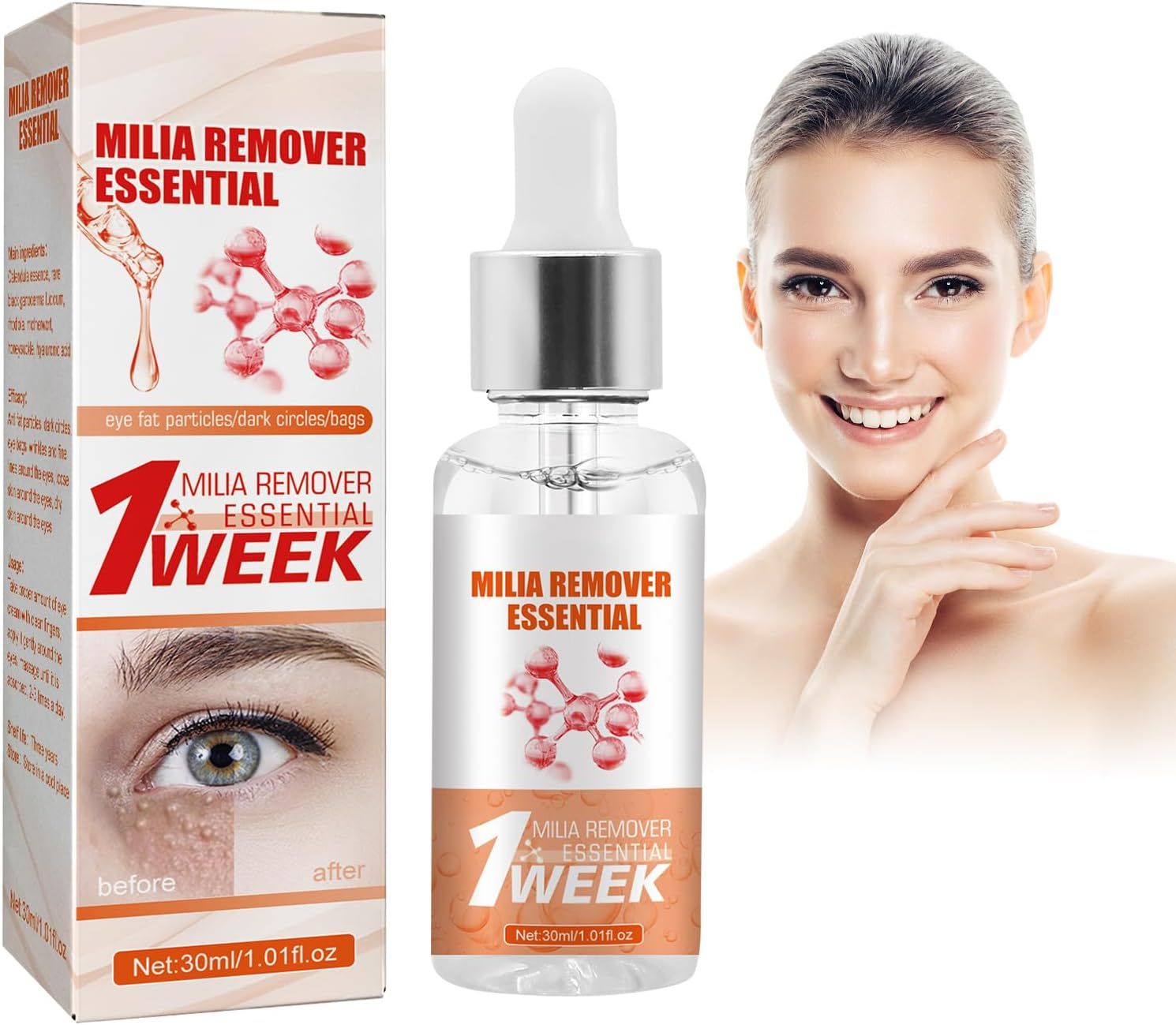
The face is not uniform. Skin around the eyes is thinner and more reactive than skin on the cheeks or chin, and that is exactly where milia tend to appear. This product is described in its listing as a gentle formula that is safe for sensitive skin, and gentleness is the single most important quality in any milia remover applied near the eye area.
How it fits an existing routine
A new product rarely acts alone. If your current routine already includes exfoliating acids, retinoids or strong actives, adding another treatment on top is how irritation starts. The listing positions this as part of a complete skincare routine, and the practical reading of that is to simplify around it rather than stacking it onto everything else.
Realistic expectations and timescale
Any topical product works gradually. Skin renews itself over weeks, not hours, so judging a milia remover after two or three days tells you nothing useful except whether it irritates. Give any new product a fair trial period, note what you see weekly rather than daily, and stop immediately if the skin becomes red, sore or itchy.
Packaging and hygiene
Anything applied repeatedly to the face should be dispensed cleanly. Pumps and narrow-neck bottles stay more hygienic than open jars that fingers go into, and a product used near the eyes especially benefits from not being contaminated between uses. Keep the cap on, keep the nozzle clean, and never share it.
The WLD Store pick: Milia Remover Essential
Here is what the WLD Store listing states about this milia remover for shoppers in Saudi Arabia. These are the listing’s own descriptions, and nothing beyond them is claimed here.
- Category: Beauty & Personal Care, also listed under Skin Care
- Brand: WLD
- Product type: a skin cleansing solution
- Described purpose: to help clear milia, the small white skin cysts, and clogged pores
- Formula: described as gentle and safe for sensitive skin
- Positioning: intended as part of a complete skincare routine focused on skin clarity
- Market: available across Saudi Arabia
- SKU: WLD-KSA-0074-(KD-KD0103)
Full details, images and current availability for this milia remover are on the Milia Remover Essential product page, where orders go through secure checkout. Check the ingredient information on the listing or packaging before use, particularly if you have known sensitivities.
How to introduce a milia remover to your routine
Introducing any new facial product carefully is what prevents a small problem from becoming a bigger one. This sequence takes a little longer but avoids most trouble.
- Patch test first. Apply a small amount to the inner forearm or behind the ear and leave it for a day or two. Skip this step and the first place you find out about a reaction is your face.
- Change one thing at a time. Introduce the milia remover on its own for a couple of weeks. If you add three products at once and something reacts, you will not know which.
- Start with less frequent use. Every second or third day initially tells you how your skin responds before you commit to daily application.
- Apply to clean, dry skin. Whatever is underneath affects absorption, so let a cleansed face dry properly first.
- Stay well clear of the eyes themselves. Near the eye area is not the same as on the eyelid margin. Keep a clear margin and never apply to the waterline.
- Keep using sun protection. Any routine aimed at skin clarity is undermined by unprotected sun exposure, which also contributes to milia forming in the first place.
Write down when you started and what you noticed each week. Memory is unreliable over a six-week period, and a short note is the only way to judge honestly whether a milia remover is doing anything at all for your skin.
What never to do at home
This is the most important section in the guide, because the damage people do to themselves attempting home extraction is far worse than the bumps they started with.
Do not squeeze them. A milium has no opening to the surface, so pressure cannot release anything. What squeezing does achieve is bruising, broken capillaries and inflammation in some of the most delicate skin on the face.
Do not use a needle or a lancet. Piercing skin at home, especially near the eyes, risks infection and scarring. Extraction is a minor procedure, but it is still a procedure, and sterile technique is not something to improvise in a bathroom.
Do not scrub aggressively. Harsh physical scrubs damage the skin barrier without reaching a milium, which sits below the surface. Damaged barrier function tends to make skin more reactive, not clearer.
Do not stack strong actives. Layering a milia remover with several exfoliating acids and a retinoid in the same routine is a common route to irritation. More active ingredients do not compound into faster results; they compound into inflamed skin.
Habits that help alongside any product
Topical products work best when the surrounding routine is not working against them. These habits cost nothing and are worth adopting regardless of which milia remover you choose.
- Use sun protection daily. Sun damage is associated with milia developing, and protection is the most useful long-term habit in any skin routine.
- Review heavy eye creams. Very rich, occlusive products around the eyes are a common contributor. Switching to something lighter is often the simplest change available.
- Cleanse thoroughly but gently. Remove makeup and sunscreen properly at the end of the day without scrubbing at the skin.
- Change pillowcases regularly. A small habit, but it costs nothing and reduces what sits against your face for eight hours a night.
- Be patient with the timescale. Skin turnover takes weeks. A milia remover judged after three days has not been given a fair test.
Consistency matters far more than intensity. A simple routine followed every day for two months does more for skin clarity than an elaborate one abandoned after a fortnight, and that is true of a milia remover as much as of anything else on the shelf.
Common problems and quick fixes
Four situations come up repeatedly, and each has a sensible response that does not involve escalating.
- Skin feels tight or looks red. Reduce frequency or pause entirely, simplify the routine to cleanser and moisturiser for a week, and reintroduce slowly once the skin has settled.
- Nothing has changed after a few days. That is expected. Skin renewal is measured in weeks, so keep going and reassess at the four-to-six-week mark rather than daily.
- New bumps keep appearing. Look at what else is being applied, especially heavy eye creams and thick occlusive products, before concluding the milia remover has failed.
- A bump becomes red, sore or swollen. Stop applying anything to it and seek professional advice. Inflammation is not part of the normal picture for milia.
Topical products compared with professional extraction
The obvious alternative is having milia removed by a qualified professional, and it is worth understanding the trade-off rather than assuming one option is simply better.
Professional extraction is direct and fast. A trained practitioner opens the surface with a sterile instrument and lifts the keratin out, and the bump is gone that day. For long-standing milia that have not shifted in months, this is the approach most likely to work, and it is what a milia remover applied at home cannot replicate.
Topical products are gradual, non-invasive and considerably less daunting. There is no appointment, no instrument and no downtime, and for mild or recent bumps a consistent routine may be enough. The trade-off is time and uncertainty: you commit to weeks without knowing the outcome in advance.
A sensible order for most people is to keep a simple routine and a gentle milia remover for a fair trial period, and to book a professional appointment if nothing has changed after that. What is not sensible is attempting the professional approach yourself with an unsterilised needle at home.
When to see a professional instead
Anything around the eyelid margin should be assessed rather than treated at home. That area is too delicate for experimentation, and a dermatologist can tell you in one appointment whether what you are looking at is milia at all.
Bumps that are painful, red, growing or changing in appearance are also outside what a milia remover addresses. Several unrelated skin conditions look superficially similar to milia, and using the wrong product on the wrong condition delays treatment for the real issue.
If you have a diagnosed skin condition, are pregnant, or are already using prescribed topical treatments, check before adding anything new. That is not an unusual precaution; it is the same advice that applies to introducing any active skincare product into an existing regimen.
Buying checklist
Five questions worth answering before you order a milia remover of any brand.
- Are you sure they are milia? Hard, closed, painless white bumps behave differently from spots. If unsure, ask a professional before buying anything.
- Have you checked the ingredients against your known sensitivities? This takes a minute and prevents the most predictable problems.
- Will you patch test? If the honest answer is no, reconsider using anything new near your eyes.
- What else is in your routine? Adding to an already active routine is a common source of irritation.
- Can you give it six weeks? Skin works on that timescale, and a product abandoned after a week has not been tested.
Other beauty and personal care picks at WLD Store
These three products sit nearby in the WLD Store catalogue and cover different everyday needs.
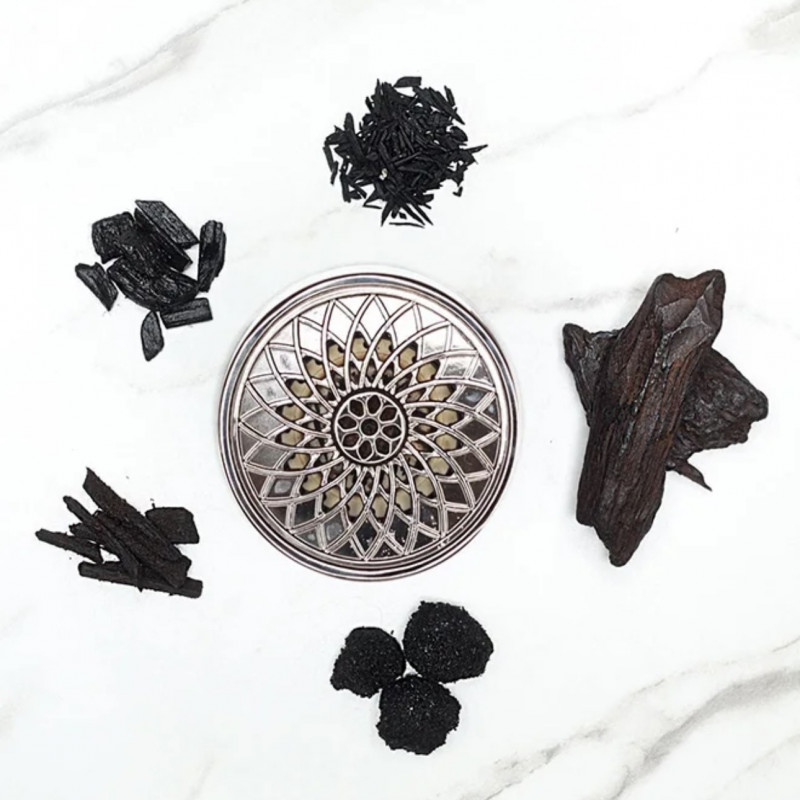
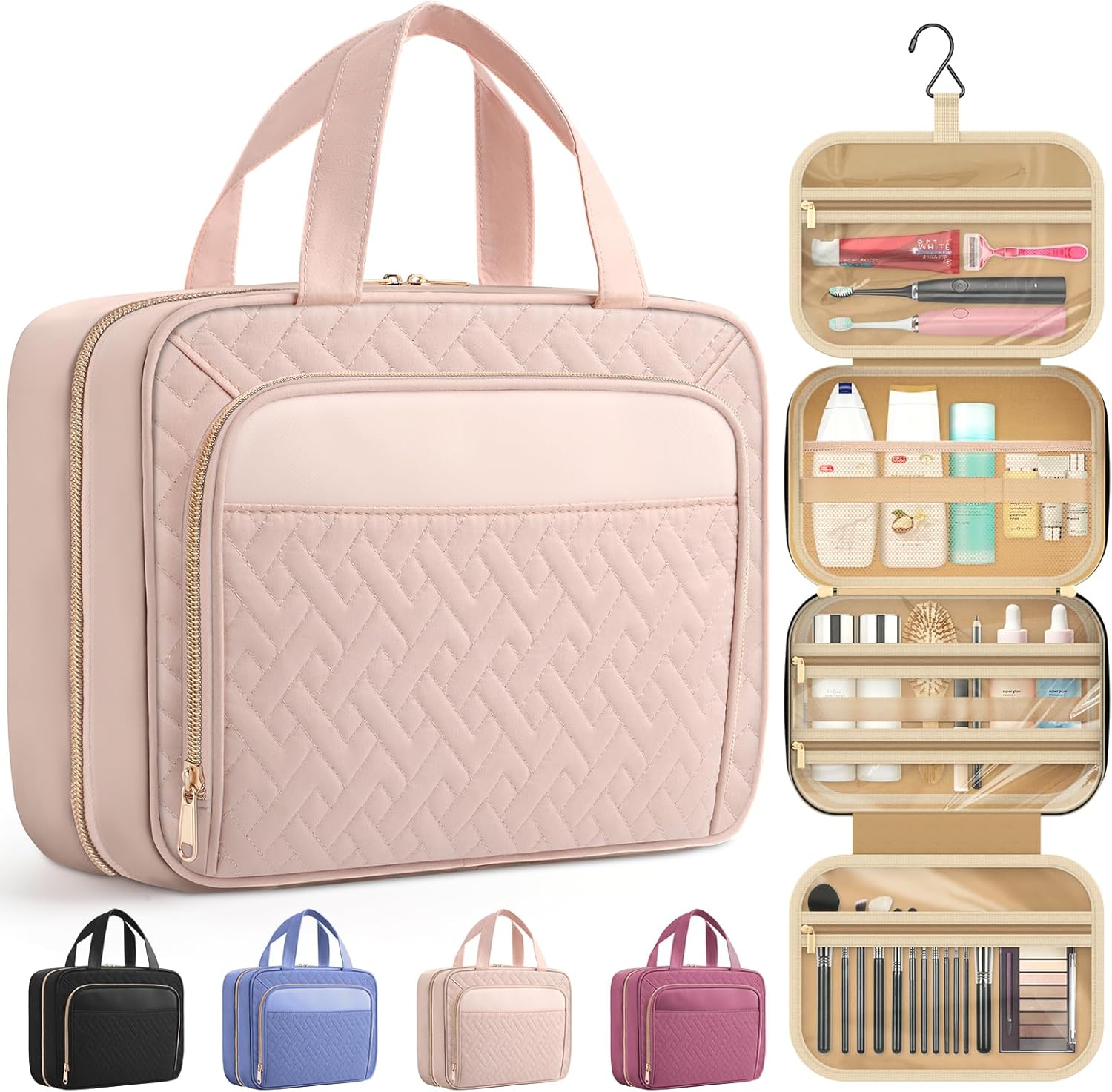
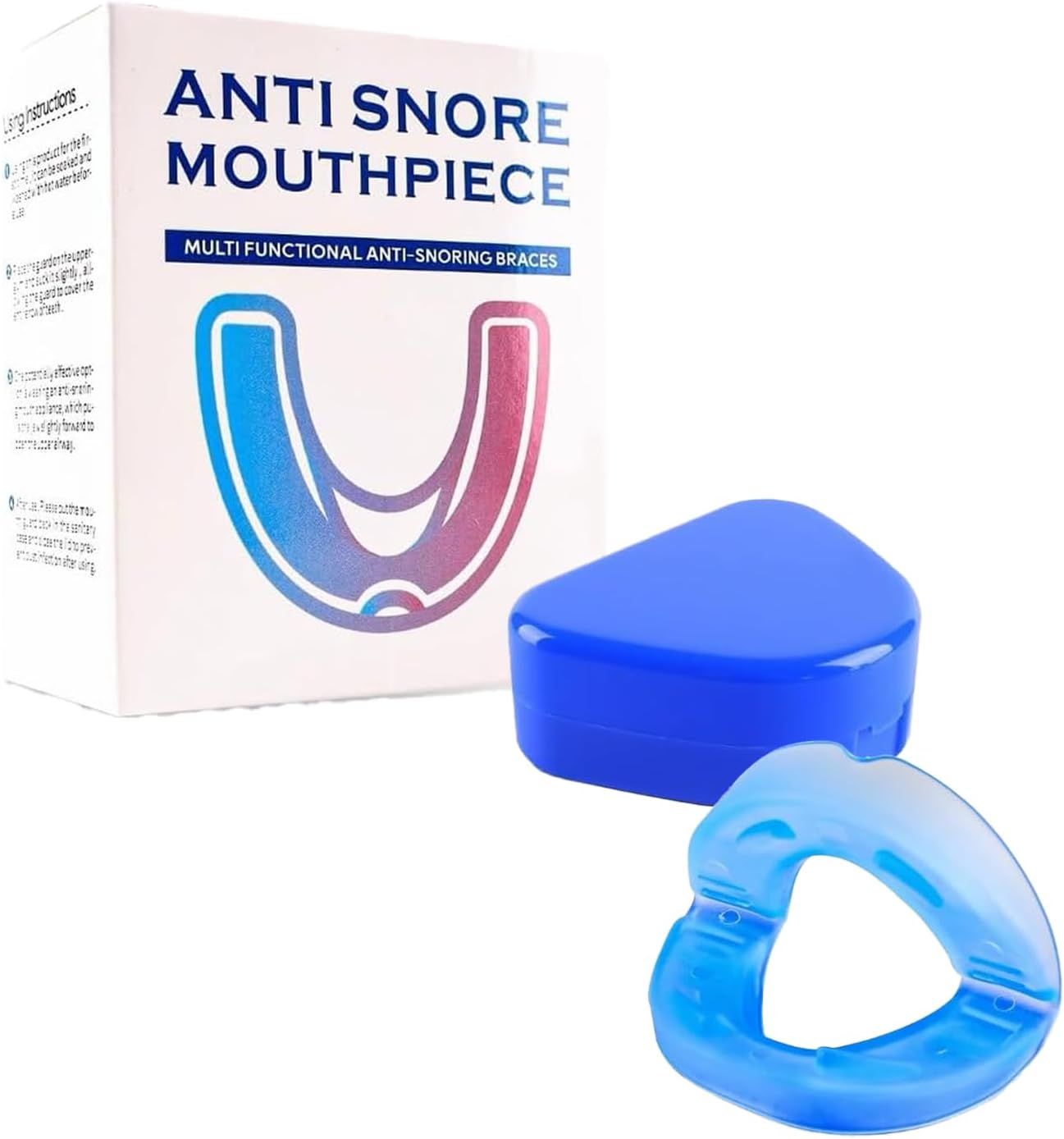
The Smart Electric Bakhoor Burner is for home fragrance, the Large Travel Cosmetic Bag keeps a skincare routine organised while travelling, and the Anti-Snore Mouthpiece addresses sleep. Each has its own listing with full details.
Frequently asked questions about a milia remover
Can I just squeeze milia out?
No. Unlike a whitehead, a milium has no opening at the surface, so pressure has nothing to release. Squeezing produces bruising and inflammation in delicate skin and can leave marks that last far longer than the bump would have. This is the single most common mistake people make.
How long before I see a difference?
Skin renews over weeks rather than days, so assess at four to six weeks rather than after a few applications. Note what you see weekly instead of examining your face in the mirror every morning, which makes gradual change almost impossible to perceive accurately.
Is a milia remover safe to use around the eyes?
Near the eye area is not the same as on the eyelid. Keep a clear margin, never let a product reach the waterline, and follow the directions on the packaging. If bumps sit right on the lid margin, that is a case for professional assessment rather than a home product.
Will milia come back after they clear?
They can. Milia are often linked to sun damage, heavy occlusive products and minor skin trauma, so the habits around the product matter as much as the product itself. Daily sun protection and lighter eye creams are the two changes most likely to reduce recurrence.
Can I use it with retinol or exfoliating acids?
Layering several actives at once is the usual route to irritated skin. Introduce one product at a time and leave a fortnight before adding anything else, so you can tell what is helping and what is causing a reaction. If in doubt, ask a dermatologist about your specific combination.
Are milia caused by poor hygiene?
No. They occur on newborns and on people with careful routines alike, and they are not an indication that a face is unclean. Over-cleansing in response is counterproductive, because a damaged skin barrier tends to make skin more reactive rather than clearer.
Treated with patience and realistic expectations, a milia remover is a reasonable first step for mild bumps, provided it sits inside a simple routine with daily sun protection and nothing gets squeezed or pierced at home. If nothing changes after a fair trial, book a professional appointment. The full listing is on the Milia Remover Essential page, and the wider range is in the Skin Care section.


Add comment