An induction led night lamp solves a small, daily problem: moving through a dark house without flooding it with harsh ceiling light. The lamp senses movement, switches on for as long as it is needed, then goes quiet again. This guide explains how motion lighting actually works, where these lamps help most, and what separates a useful unit from one that ends up forgotten in a drawer.
Below you will find practical advice on sensor range, mounting height, charging habits, cleaning and the questions worth asking before you buy. We also look at the Induction LED Night Lamp listed at WLD Store for shoppers in Saudi Arabia, plus a few related picks in case a night lamp is not quite what your room needs.
Why an induction led night lamp matters at home
Night-time trips to the bathroom or kitchen are the moments when ordinary household lighting fails people most. The wall switch is usually several steps away in the dark, and the overhead fitting is far brighter than the eye needs after hours of sleep. An induction led night lamp fills that gap with a small pool of light that appears exactly when someone moves and fades away when the room is empty again.
The benefit is not only comfort. Low automatic lighting reduces the chance of tripping over a laundry basket, a pet bowl or the edge of a stair. Households with young children, elderly parents or shift workers gain the most, because an induction led night lamp never depends on anyone remembering to switch something on. It also settles the recurring argument about who left the hallway light burning until sunrise.
Energy use is the second argument. A ceiling fixture left on all night draws power for eight or nine hours, while an induction led night lamp only draws power in short bursts, and LED emitters are efficient to begin with. Across a year that gap is modest in absolute terms but easy to notice in a home where two or three lights are otherwise left burning as a precaution.
Then there is sleep quality. Bright white light late at night is disruptive, and a full ceiling lamp is the worst offender. A small unit mounted low and aimed downward keeps a room dim enough for eyes to stay adjusted, so getting back to sleep is easier. That is the real design goal of an induction led night lamp: enough light to move safely, not enough to wake you properly.
What makes a good induction led night lamp
Every induction led night lamp looks almost identical in photographs, so it is worth knowing which details change the daily experience. Four things matter more than the rest: how the sensor behaves, how the lamp is powered, how the light is shaped, and how the unit attaches to a wall.
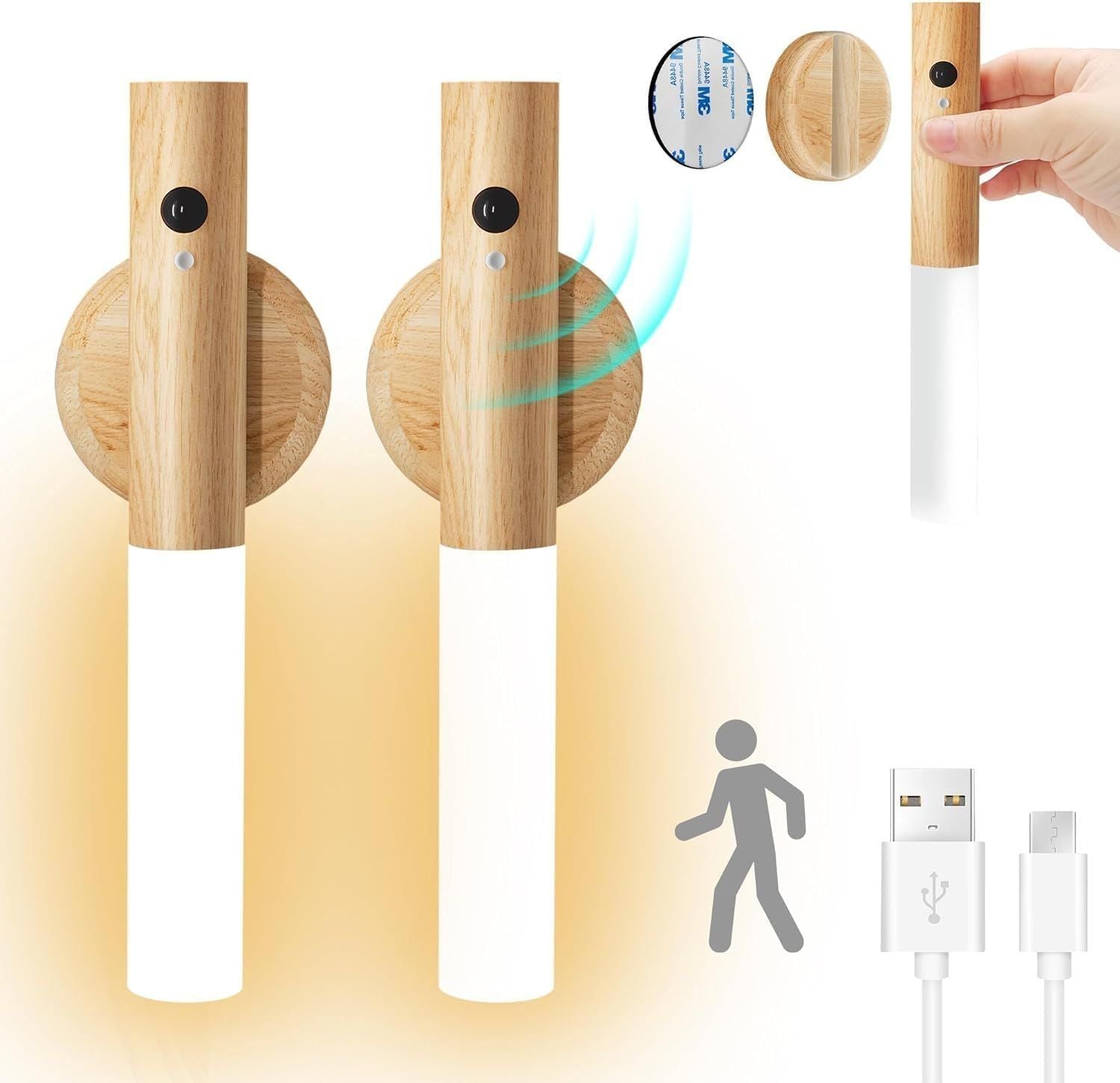
Sensor behaviour and detection range
The sensor is the part you notice first. Passive infrared units, the type used in most home motion detectors, react to a warm body crossing their field of view rather than to sound or ambient light. That has two practical consequences: they respond faster to movement across the beam than to someone walking straight at them, and they need a clear line of sight. Before mounting an induction led night lamp, stand where you will genuinely walk and check that nothing blocks the sensor face.
Power source and charging
Night lamps are powered in three ways: disposable batteries, a permanent mains connection, or an internal cell topped up over USB. The WLD unit uses the third route, which suits rented flats and rooms with no socket near the doorway. A USB rechargeable induction led night lamp can be lifted off its mount, charged at a desk or from a power bank, then put straight back. Check where the charging port sits, because a port on the rear means unmounting the lamp every single time.
Light colour, spread and direction
Warm light is kinder to night-adjusted eyes than cool white, and a diffused beam is kinder than a narrow spot that carves hard shadows. Direction matters more than raw brightness: light aimed at the floor shows you the floor, while light aimed outward shines into your eyes. If you plan to use an induction led night lamp on a staircase, aim it at the treads instead of along the corridor.
Mounting method and finish
A wireless induction led night lamp attaches with adhesive pads, magnetic plates or small screws. Adhesive is quick and leaves walls unmarked, but it needs a clean, dry, smooth surface; dusty paint and textured plaster are exactly where these mounts let go. A magnetic backplate is the most convenient option because the lamp lifts off for charging in one movement. Whichever method you choose, plan the position first and test the unit loose before committing to it.
The WLD Store pick: Induction LED Night Lamp
For readers in Saudi Arabia, the Induction LED Night Lamp sold at WLD Store covers the basics described above without extra complication. Here is what the product listing itself states, with nothing added or assumed.
- Category: Decor, also listed under Home & Kitchen
- Brand: WLD
- What it does: an intelligent motion-sensing light that turns on automatically when you enter a dark room and switches off when you leave
- Light source: an energy-efficient LED bulb
- Power: USB rechargeable and wireless, so placement is flexible
- Rooms suggested by the listing: hallways, bedrooms and bathrooms
- Market: available across Saudi Arabia
- SKU: WLD-KSA-0080-(KD-KD0118)
Images, listed variants and current availability sit on the Induction LED Night Lamp product page, which is also where you complete an order through secure checkout.
How to set up an induction led night lamp
Setting one of these lamps up takes roughly ten minutes, and most of that time is spent deciding where it goes. Work through the steps in order rather than sticking it to the wall first and reconsidering afterwards.
- Charge it fully before the first night. A complete first charge lets you judge how long a realistic week of use lasts, which is impossible to gauge if you start at half capacity.
- Walk the route in the dark. Note the exact points where you slow down or reach for a wall. Those spots, not the middle of the corridor, are where light is needed.
- Test the sensor loose. Hold the induction led night lamp at the height you are considering and walk past it two or three times to confirm it triggers reliably.
- Mount it low. Knee to waist height throws light onto the floor where your feet are; head height mostly shines into your eyes.
- Prepare the surface. Wipe the wall with a dry cloth and let it dry completely before pressing an adhesive mount into position.
- Wait before loading the mount. Give adhesive a few hours to bond properly before hanging any weight on it.
If a single induction led night lamp is not enough, two units placed at opposite ends of a corridor usually beat one very bright lamp in the middle. Overlapping pools of soft light give a more even path and leave fewer dark patches at corners and doorways.
Where an induction led night lamp earns its place
Placement decides whether an induction led night lamp becomes indispensable or annoying. These are the spots where owners tend to keep them longest, and the reasoning behind each one.
Hallways and corridors. This is the classic use. A corridor is walked through rather than occupied, so a light that runs only during the walk is a perfect match. Mount at ankle-to-knee height near the point where the corridor turns, since corners are where people misjudge distance in the dark.
Bedrooms. Inside a bedroom the aim is to leave the sleeper undisturbed. Position the lamp low on the side of the bed that gets up at night, angled away from the pillows. Used this way, an induction led night lamp gives one person a lit path without turning the whole room into daylight for anyone else.
Bathrooms. Bathrooms combine hard floors, water and bare feet, which makes them the highest-value place for automatic light. Mount away from the shower spray and any spot that gets splashed directly, and keep the sensor clear of the towel rail, which will otherwise block the field of view whenever a towel hangs there.
Wardrobes, stairs and kitchens. A deep wardrobe is genuinely dark even during the day, so a small motion lamp inside the door earns its keep. On stairs, one lamp at the top and one at the bottom is safer than a single unit halfway. In kitchens, the useful position is under a wall cabinet where it lights the worktop rather than the ceiling.
Care and maintenance for an induction led night lamp
An induction led night lamp asks very little, but a few habits keep the sensor accurate and the battery healthy over the long run.
- Dust the sensor window monthly. A film of dust scatters infrared and shortens the effective detection distance. A dry microfibre cloth is all that is needed.
- Never spray cleaner directly onto the lamp. Spray the cloth instead, so liquid cannot run into the charging port or the seam of the housing.
- Recharge before the light is completely flat. Lithium cells last longer when they are topped up regularly rather than run to empty and left there.
- Check adhesive mounts every few months. Heat and humidity soften adhesive over time, and a mount that has started to lift is easier to re-fix than to replace.
- Store it charged if unused. A lamp put away for a season should be stored part-charged rather than empty, somewhere out of direct sun.
If the housing is plastic, keep it away from sustained direct sunlight through a window. Ultraviolet exposure yellows plastic and makes diffusers cloudy long before anything electrical fails, which is a slow way to lose light output without noticing.
Common problems and quick fixes
Almost every complaint about an induction led night lamp traces back to one of four causes, and all four are fixable in a couple of minutes.
- It does not switch on when you walk past. Usually the sensor is aimed along your path rather than across it, or something has been placed in front of it. Re-aim so you cross the beam, and clear the space in front of the sensor face.
- It stays on constantly. Something warm and moving is inside its field of view, such as an air-conditioning outlet, a fan or a curtain moving in a draught. Turn the lamp a few degrees away from that source.
- It triggers in daylight. Many units include a light sensor so they only operate in the dark. If yours activates in a bright room, move it away from a shadowed corner where the ambient reading stays low all day.
- Runtime drops sharply. Repeated short triggers drain a battery faster than a few long ones. Move the lamp out of a high-traffic doorway, or recharge more often and confirm the cable is genuinely delivering power.
Who an induction led night lamp is not for
A buying guide should be honest about the limits. Motion lighting is a poor fit for reading, detailed work or any task where you need to see colour accurately, because the light is dim by design and often warm-toned. A bedside reading lamp is a different product for a different job.
It is also the wrong choice for security lighting outdoors. Outdoor security fittings need weatherproof housings, far longer detection ranges and much greater output. An induction led night lamp intended for indoor corridors will neither survive the weather nor light a driveway, and buying one for that purpose leads to disappointment.
Homes with several free-roaming pets are the third awkward case. A cat that patrols at night will trigger an induction led night lamp repeatedly, draining the battery and lighting an empty corridor. That is not a fault in the lamp, but it does mean charging it more often, or choosing a position above the height at which pets normally move.
Buying checklist
Five questions worth answering before you order anything, whatever brand you end up choosing.
- Where exactly will it go, and what will you mount it on? Painted plaster, tile and textured wallpaper each behave differently with adhesive.
- Do you cross the sensor or approach it head-on? This single detail decides whether the lamp feels instant or sluggish.
- How will you recharge it? Confirm the cable type you already own, and whether the lamp must come off the wall to charge.
- Is one enough? Long corridors and staircases are usually better served by two modest lamps than one bright one.
- Does an induction led night lamp actually match the job? If you need task light or outdoor security light, a different product will serve you better.
Other decor and home picks at WLD Store
If ambience matters more than a lit pathway, or the room needs something else entirely, these three products sit near this one in the WLD Store catalogue and are worth a look.
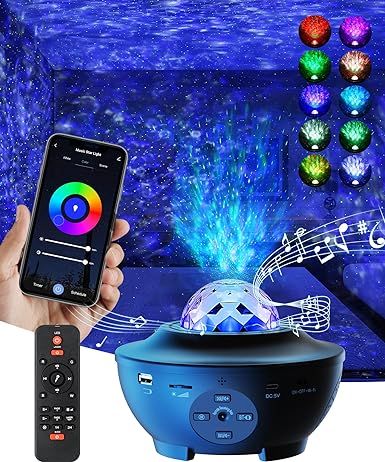
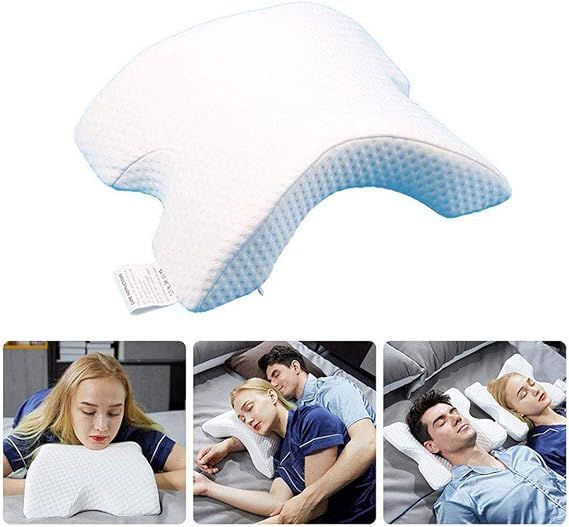
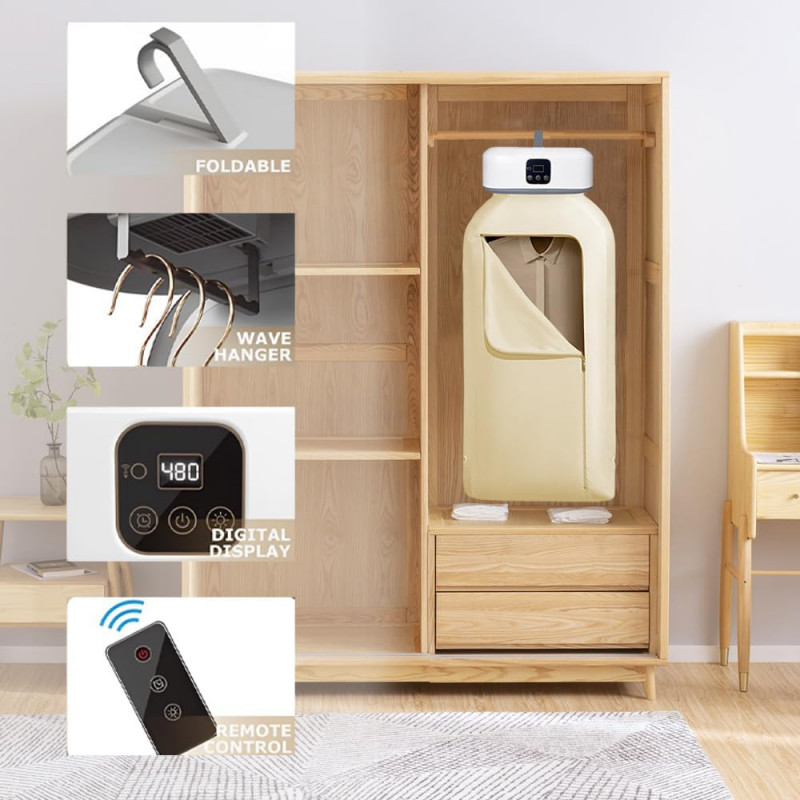
The Galaxy Ocean Light Projector aims at atmosphere rather than navigation, the Cuddling Body Pillow addresses comfort in bed, and the Foldable Electric Clothes Dryer is a practical laundry helper. Each has its own listing with full details.
Frequently asked questions about an induction led night lamp
How far away will the sensor detect movement?
Detection distance depends on the sensor and on how you approach it. Any passive infrared sensor reaches further when you walk across its field of view than when you walk directly towards it. The practical answer is to test the lamp at your intended position before mounting it, because a corridor with furniture behaves differently from an empty one.
How long does it stay on after it triggers?
An induction led night lamp switches off after a short delay once movement stops, and the exact delay varies by model. What matters in daily use is that the light covers the whole walk, so if it goes dark before you reach the end of a corridor, a second lamp part-way along solves it more reliably than anything else.
Can I use an induction led night lamp outdoors?
An indoor lamp should stay indoors. Outdoor lighting has to cope with rain, dust, and large temperature swings, and indoor housings are not sealed for that. A covered balcony or a sheltered indoor entrance hall is about as far outward as it is sensible to go with a lamp designed for hallways and bedrooms.
Will it work if there is already some light in the room?
Many motion lamps include an ambient light sensor so they stay off during the day and save charge. In a dim room with a little light spilling in, behaviour depends on where the threshold sits. If a lamp refuses to trigger in a partly lit hallway, that is usually the ambient sensor doing its job rather than a fault.
Is one lamp enough for a whole hallway?
For a short hallway, yes. For anything longer than a few metres, or a corridor with a turn in it, two units placed to overlap give far better coverage. The goal is a continuous lit path rather than one bright spot with darkness at both ends, which can actually make the far end harder to judge.
How often will I need to recharge it?
That depends entirely on how many times a day it triggers, so an induction led night lamp in a busy family corridor needs charging much more often than one inside a wardrobe. A useful habit is to charge it on a fixed day each week or fortnight, rather than waiting until it fails on the night you actually need it.
A well-placed induction led night lamp is one of those inexpensive additions that quietly changes a daily routine, especially in a household where somebody is always up before dawn. Check the sensor position, mount it low, keep it charged, and it will do its job for years. You can view the full listing on the Induction LED Night Lamp page, or browse the wider range in the Decor section to see what else fits your rooms.



Add comment