Anyone who has prayed on a thin rug over a marble or tiled floor knows how quickly the knees start to complain, which is precisely the problem a padded prayer mat is built to solve. This guide explains what thickness actually helps, why the size of a padded prayer mat matters more than most people expect, and how to judge the surface, backing and construction from a listing. It also covers cleaning without ruining the padding, sensible storage, who benefits most from extra cushioning, and the six questions buyers ask most often before ordering.
Why a padded prayer mat is worth considering
The movements of salah put repeated, concentrated pressure on a small number of joints. Going down into sujud places body weight onto the knees, and on a hard floor with only a thin layer of fabric between, that contact is unforgiving. Repeat it five times a day, every day, and the discomfort stops being occasional.
Hard flooring is common across much of the region, and marble, ceramic and polished concrete are all excellent at conducting away warmth and offering nothing in the way of give. A traditional woven prayer rug looks appropriate and lies flat, but a few millimetres of woven fibre does very little to spread the load on a kneecap.
A padded prayer mat adds a layer of foam or fibre fill between the body and the floor. It works by distributing pressure over a wider area rather than letting it concentrate at the point where bone meets tile, which is the same principle behind a good exercise mat or a decent pair of insoles.
The benefit is felt most by those who need it most: older worshippers, anyone with knee or joint pain, people recovering from injury, and those praying on cold floors in winter. For them a padded prayer mat is less a comfort upgrade than the difference between praying with ease and praying through discomfort. Questions about religious practice itself are always best directed to a knowledgeable scholar; this guide deals only with the practical qualities of the product.
How much padding actually helps
Thicker is not automatically better when choosing a padded prayer mat, and this is where most buyers go wrong. There is a genuine optimum, and passing it creates new problems.
Too thin and the mat provides no meaningful cushioning at all, which defeats the purpose. Too thick and the surface becomes unstable underfoot: standing in qiyam on a very soft, deep mat makes it harder to keep balance, and the foot sinks unevenly. A padded prayer mat that wobbles when you stand is worse than a thin one.
Density matters at least as much as depth. A thin layer of dense foam outperforms a thick layer of soft foam, because soft foam compresses fully under concentrated weight and you end up resting on the floor anyway. This is why a padded prayer mat described as extra thick is only useful if the filling holds its shape under load.
The practical test is simple: press your thumb firmly into the mat. If you can feel the floor beneath easily, it will not protect your knees. If your thumb sinks a long way with little resistance, it will compress flat during sujud and feel unstable when standing.
What makes a good padded prayer mat
Listings show the pattern and rarely the construction, so it pays to know which details actually matter.
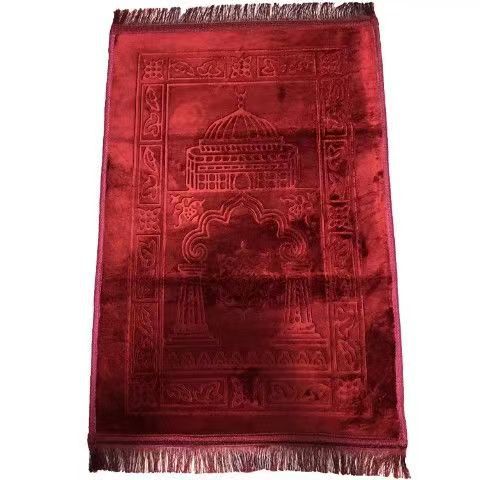
Size and why length matters
A mat needs to accommodate the full range of movement, not just your standing footprint. In sujud the body extends well forward of where the feet began, and a short mat leaves hands or forehead landing on bare floor. A padded prayer mat around 120 centimetres long comfortably suits most adults, and the extra width of an 80 centimetre mat gives room for the hands to be placed properly rather than tucked in.
Surface fabric and how it feels
The top surface is in contact with the forehead, so texture is not a trivial concern. A soft, smooth, closely woven fabric is comfortable and easy to keep clean, while a coarse or heavily textured weave can be irritating against skin during a long prostration. Colour-fastness matters too, since a mat that transfers dye when damp is a poor choice.
Backing and grip on hard floors
This is the safety feature people overlook. A padded mat on polished marble can slide during movement, which is genuinely hazardous. Look for a textured or rubberised backing that grips smooth flooring. A mat that shifts underfoot as you move into ruku is a problem no amount of cushioning compensates for.
Stitching, edges and how it survives
Edges take the most abuse, because that is where a mat is gripped, folded and dragged. Bound or reinforced edges last dramatically longer than raw hemmed ones. Quilting or stitching through the padding is equally important, since it stops the filling migrating into lumps at one end after a few months of use.
The WLD Store pick: Thick Padded Prayer Mat 80×120
WLD Store lists the Thick Padded Prayer Mat in an 80 by 120 size, described as a soft musalla. Here is exactly what the listing states, with nothing added:
- Product: Thick Padded Prayer Mat, 80 by 120, soft musalla
- Category: Home & Kitchen
- Brand: WLD
- Construction: extra-thick padding, described as gentle on knees
- Available in: Saudi Arabia, with secure checkout
- SKU: WLD-KSA-0139
The 80 by 120 dimensions are worth noting, since that is more generous than many standard mats in both directions and gives real room for hands and forehead in sujud. Current photographs and details are on the Thick Padded Prayer Mat product page.
Choosing the right size for you
Sizing a padded prayer mat is easy to check and worth two minutes before ordering. Kneel down and place your hands and forehead on the floor as you would in sujud, then measure from behind your toes to just beyond your fingertips. That measurement is the minimum length your padded prayer mat needs to be.
Most adults find something around 110 to 120 centimetres works well, with taller worshippers needing the upper end of that range. Width is less critical but still matters, since hands placed level with the shoulders need somewhere to land. Anything much narrower than 70 centimetres starts to feel restrictive for a broader adult.
For children, a smaller mat is genuinely more comfortable than an adult one, and there is no benefit to buying large and expecting them to grow into it. A mat that extends far beyond a child simply folds and bunches underfoot.
Where to place it and how to prepare the space
A padded prayer mat performs differently depending on what is underneath it, and a moment of preparation improves both comfort and safety.
- On hard floors, which is where padding matters most, check the backing grips properly before relying on it. A quick push with the hand tells you immediately.
- On carpet, padding is less essential but still useful, and a mat with a grippy backing can shift on deep pile, so smooth the carpet flat first.
- Away from doorways and walkways, so the mat is not caught by an opening door or a passing foot.
- On a level surface, since a mat bridging a threshold or a rug edge will rock and undermine the cushioning entirely.
- Clear of furniture by at least an arm’s length in front, so there is room to extend fully forward without obstruction.
Keeping the space itself clean matters more than the mat’s own construction. A padded prayer mat laid on a dusty floor collects that dust into its backing, which then transfers every time it is rolled up.
Cleaning without ruining the padding
This is where most padded mats are destroyed, and usually with good intentions. Padding and heat do not mix, and aggressive washing is the fastest way to turn even cushioning into a lumpy, uneven surface.
- Air it regularly. Hanging a mat outside in shade for an hour does more for freshness than washing, and costs it nothing.
- Spot clean promptly with a barely damp cloth and a little mild detergent, working from the outside of a mark inwards.
- Vacuum the surface gently with an upholstery attachment to lift dust from the weave before it works into the padding.
- Check the care label before any full wash. If machine washing is permitted, use a cool, gentle cycle and never a hot one.
- Dry flat and completely, away from direct sun and never in a tumble dryer, since heat both shrinks the cover and breaks down foam.
Rolling a mat away while it is even slightly damp is the single most common cause of a musty smell, and once that odour is in the padding it is extremely difficult to remove. Always let a padded prayer mat dry fully before storing it.
Storage: roll, do not fold
How a padded prayer mat is stored between uses determines how flat it lies and how long the padding survives. Folding creates sharp creases, and a crease through foam eventually becomes a permanent crushed line that you can feel through the surface.
Rolling distributes the bend across the whole length instead, so no single point takes the strain. Roll a padded prayer mat loosely rather than tightly, with the padded surface facing outwards, and secure it with a soft tie rather than an elastic band that bites into the edge.
Store it somewhere dry and off the floor. A cupboard shelf is ideal; a bathroom or anywhere humid is not, since padding readily absorbs moisture from the air and holds it. If a mat will be unused for a long period, leave it unrolled and flat where possible, which is gentler still.
Common problems and quick fixes
Four issues account for most padded prayer mat complaints, and three have simple remedies.
- The mat slides on the floor: a backing problem. A thin non-slip rug underlay beneath it solves this completely and costs very little.
- Padding has gone lumpy: usually filling migration from washing or folding. Lay it flat and work the filling back by hand; prevent recurrence by rolling rather than folding.
- Corners curl upwards: almost always from long storage folded or rolled tightly. Leave it flat under a light weight for a day or two.
- It has developed a musty smell: it was stored damp. Air it thoroughly in shade, and check the care label before attempting any wash.
Who benefits most, and who may not
A padded prayer mat is not a universal upgrade, and it is worth being clear about that. Those who gain most are older worshippers, anyone with knee, hip or back discomfort, people praying on cold hard floors, and those who pray for extended periods.
Those who may prefer a traditional thin mat include worshippers who find any softness underfoot unsettling when standing, and anyone who needs a mat that folds into a pocket for travel. A padded mat is inherently bulkier, and no amount of clever construction changes that.
Anyone experiencing persistent joint pain should treat a padded prayer mat as a comfort measure rather than a remedy, and speak to a doctor about the underlying cause. Cushioning reduces pressure; it does not treat what is causing the pain.
Padded versus traditional thin mats
The traditional woven mat has real advantages that a cushioned one cannot match. It is light, folds small, packs easily for travel and for the mosque, dries quickly, and provides a completely stable surface for standing. For portability and for a firm footing, it remains the better choice.
A padded prayer mat trades all of that for comfort at the point of contact. It is heavier, bulkier to carry and slower to dry, but it transforms the experience of praying on hard flooring, particularly for anyone whose knees have started making themselves heard.
Many households sensibly keep both: a thin mat that lives in a bag for travel and the mosque, and a padded mat that stays at home where comfort matters most and portability does not. Choosing by situation rather than by preference gives the best of both.
Buying checklist
Five questions worth answering before ordering a padded prayer mat.
- Have I measured my own reach in sujud, so I know the length I actually need?
- Is the padding dense enough to protect the knees without feeling unstable when standing?
- Does the backing grip the type of floor I will actually use it on?
- Are the edges bound and the padding quilted, so the filling stays where it should?
- Do I have somewhere dry to roll and store it, rather than folding it into a cupboard?
Setting up a comfortable prayer space at home
A good mat is one part of a comfortable routine, and the space around it does the rest. Households that set aside a small dedicated corner tend to find prayer easier and less rushed than those who clear a space each time, and the practical requirements are modest.
Pick a spot that stays clear. A padded prayer mat left permanently in place in a low-traffic corner removes the small friction of fetching, unrolling and putting away, and that friction matters more than it sounds when the day is busy. A guest room, a landing or the quiet end of a bedroom all work well.
Think about the floor beneath. A padded prayer mat performs best on a firm, level surface, so avoid laying it over a thick rug edge, a threshold strip or an uneven join between floor types. Any of these creates a hollow that the padding will bridge rather than fill, and the mat will rock slightly during movement.
Temperature and light are worth a thought too. A corner directly under an air conditioning outlet is uncomfortably cold in winter and draughty year round, while a spot in strong direct sunlight will fade a mat’s colours over months and gradually degrade the padding beneath. A shaded, draught-free corner protects both you and the mat.
A few small additions make the space more practical:
- A shelf or basket nearby for a spare mat, so a second person is not waiting or improvising.
- A non-slip underlay if the flooring is polished, which removes any movement entirely.
- Somewhere to hang the mat for airing after use, rather than rolling it away immediately.
- Clear space in front, at least an arm’s length, so nothing obstructs full extension forward.
None of this is complicated, and the whole arrangement takes a few minutes to organise once. The payoff is a padded prayer mat that stays flat, clean and ready, which is exactly what makes it get used properly rather than left rolled in a cupboard.
Other WLD Store picks worth a look
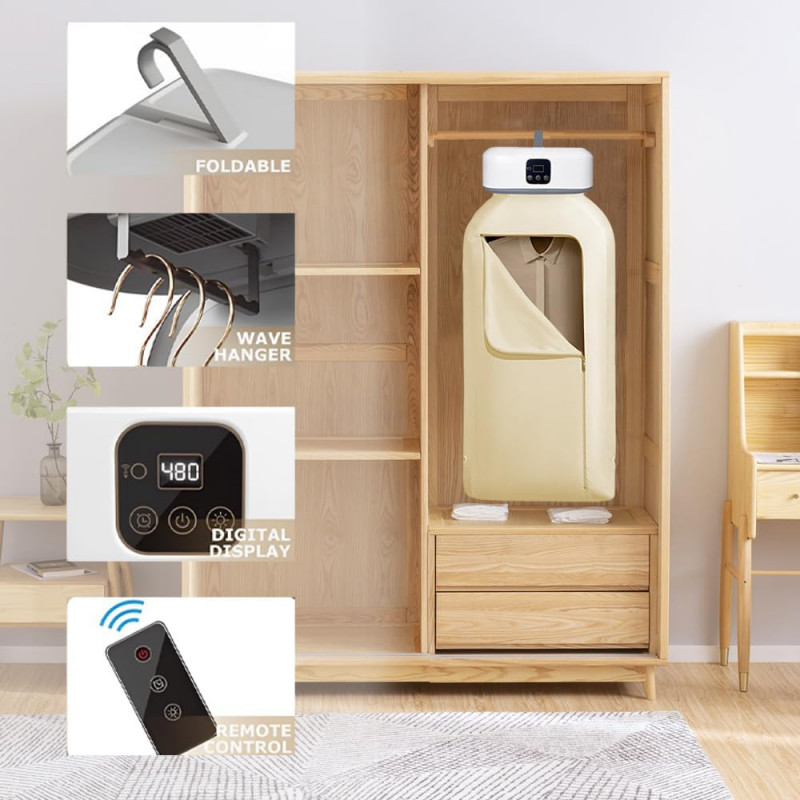
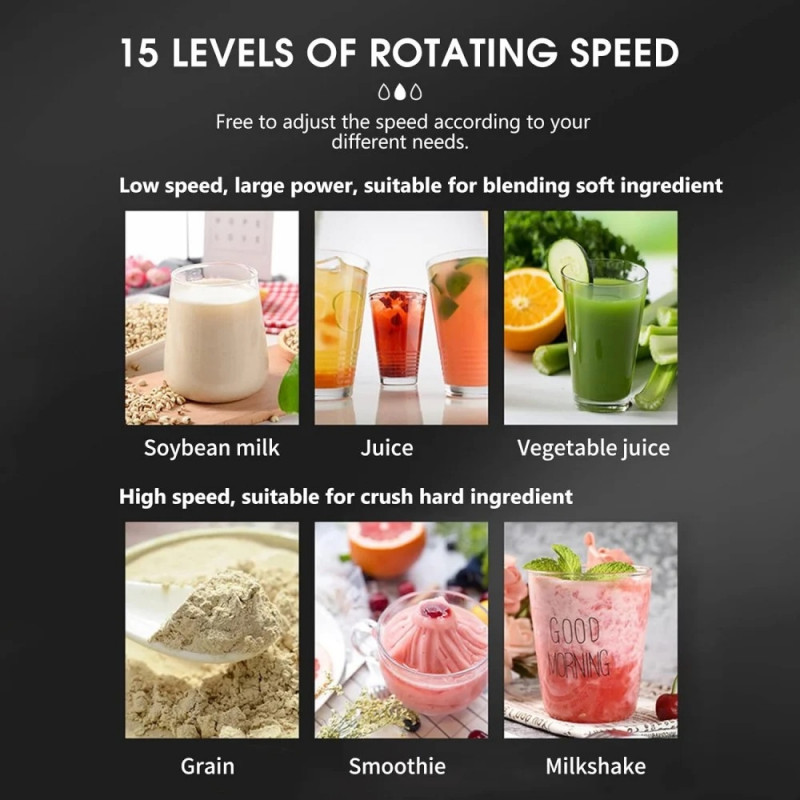
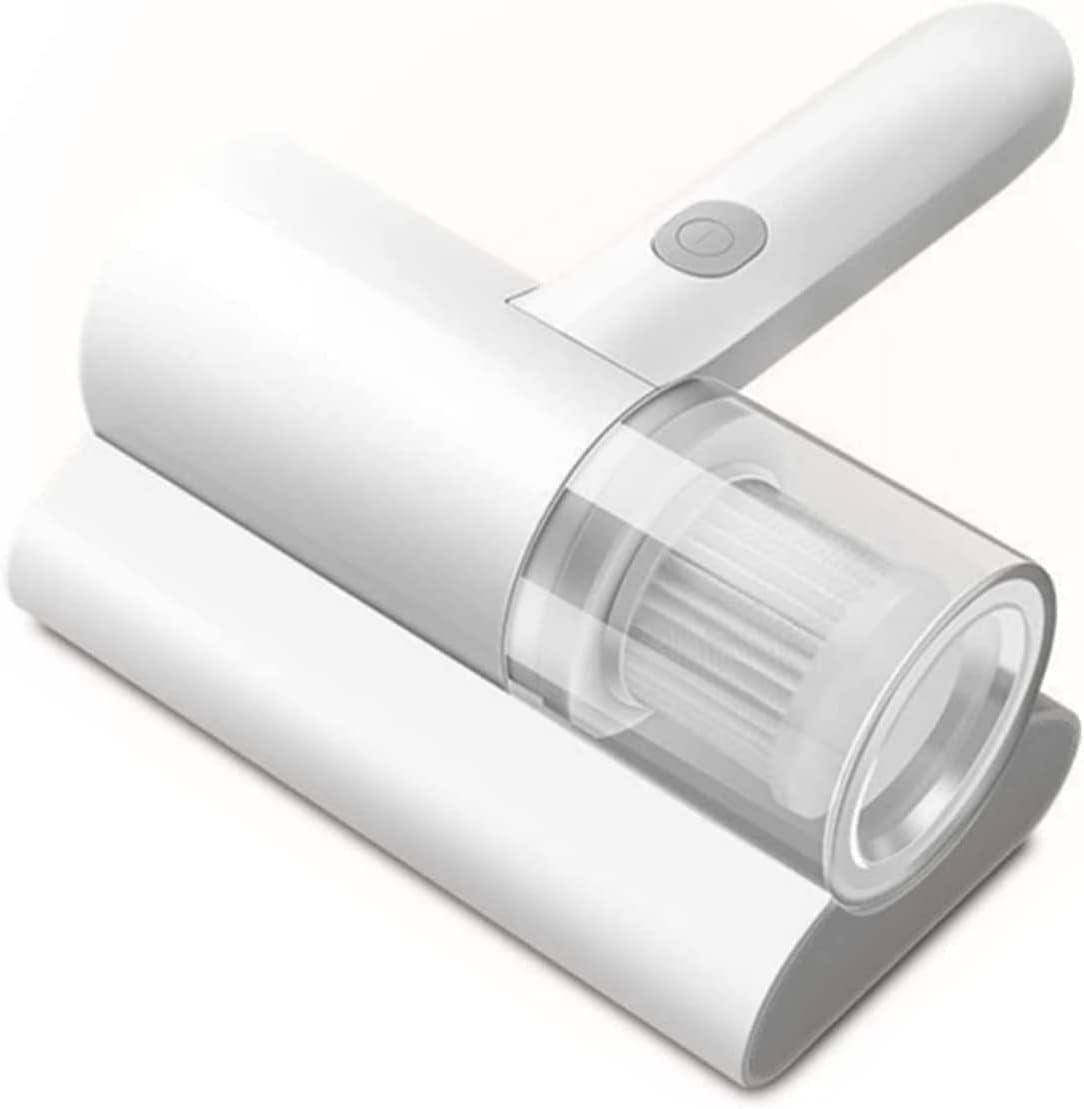
A few more household items from the WLD Store range.
Frequently asked questions about the padded prayer mat
How thick should it be?
Thick enough that you cannot easily feel the floor when pressing firmly with a thumb, but firm enough that you do not sink noticeably when standing. Density matters more than depth, since dense padding at a moderate thickness protects better than deep soft foam that compresses flat.
Can I wash it in a machine?
Only if the care label says so, and then only on a cool gentle cycle. Many padded mats are designed for spot cleaning and airing instead, because heat and heavy agitation break down foam and cause filling to migrate. Always dry flat and never use a tumble dryer.
Will it slide on a marble floor?
It depends entirely on the backing. A textured or rubberised base grips well; a plain fabric base on polished marble can slide during movement. If yours moves at all, a thin non-slip underlay beneath it fixes the problem completely and inexpensively.
Is 80 by 120 large enough for a tall adult?
For most adults, yes. The way to be certain is to kneel and measure from behind your toes to beyond your fingertips in sujud. If that figure approaches 120 centimetres, look for a longer mat rather than assuming you will adapt.
Can I take a padded mat to the mosque?
You can, though a thin traditional mat is far more practical for carrying, since a padded prayer mat is bulkier and heavier by design. Many people keep a padded mat at home and a light folding mat in a bag for travel.
How long should one last?
That depends far more on care than construction. Rolled rather than folded, dried properly before storage, aired regularly and spot cleaned instead of hot washed, a good padded prayer mat lasts years. Folded damp into a cupboard, it will develop creases and odour within months.
Chosen with attention to length, padding density and backing grip, a padded prayer mat makes a real difference on hard floors, particularly for anyone whose knees have started to protest. Measure your own reach before ordering, roll it rather than folding it, and let it dry fully before it goes away. You can view the Thick Padded Prayer Mat 80×120 on the storefront, or browse more in the Home & Kitchen section.



Add comment