A magnetic privacy phone case combines two jobs that people usually buy separately: protecting the handset from drops and stopping the person beside you reading your screen. If you commute on a packed train, work in an open-plan office or handle banking and medical apps in public, that second job is worth more than it first appears. This guide explains how anti-peep glass actually works, what a magnetic privacy phone case costs you in screen brightness, which details to check before ordering, and how to fit one without trapping dust under the glass. There is also a section on realistic expectations, care advice, troubleshooting, a buying checklist and six frequently asked questions, plus the WLD Store pick.
Why screen privacy is worth thinking about
Shoulder surfing is the least technical attack there is, and it works because phones are used in places where strangers stand very close. On public transport, in queues and in shared offices, the average phone screen is legible from a metre away at an angle most people never think about.
The information at risk is rarely dramatic. It is a message thread, an email subject line, a bank balance, a delivery address, a password being typed into a login form. None of that feels sensitive until it is being read by someone standing behind you, and a magnetic privacy phone case removes the whole category of problem without you doing anything.
There is a workplace angle too. Anyone handling client information, medical details or anything covered by a confidentiality policy has a professional reason to keep a screen from being read across a desk. A privacy case is a much simpler answer than remembering to angle the phone every time.
Finally there is the quiet social benefit. A magnetic privacy phone case means you can reply to a personal message on a bus without turning your body into a shield, which is a small thing that people notice within the first week of using one.
How anti-peep glass actually works
Privacy screens do not darken selectively or use any electronics. They restrict the angle at which light leaves the display, so the image is bright and clear when viewed straight on and rapidly fades to black as the viewing angle increases.
The effect is produced by a microscopic structure inside the glass, usually an array of very fine vertical louvres. Light travelling straight out passes between them; light heading sideways hits their walls and is absorbed. The construction sits within a tempered glass layer, which is what provides the scratch and impact resistance at the same time.
Two consequences follow from that mechanism, and both are worth knowing before buying. First, the screen is dimmer straight on than it would be bare, because some light is always being absorbed. Second, the privacy effect works in the axis the louvres run, which on most phone screens means side-to-side while holding the phone upright. Turn the phone to landscape and the protected axis turns with it.
Understanding this stops the two most common complaints. A magnetic privacy phone case is not faulty because the screen looks darker, and it is not faulty because someone directly behind you can still see the display. Both are how the technology works.
What makes a good magnetic privacy phone case
Cases in this category vary a lot, and the differences show up in daily use rather than in listing photographs.
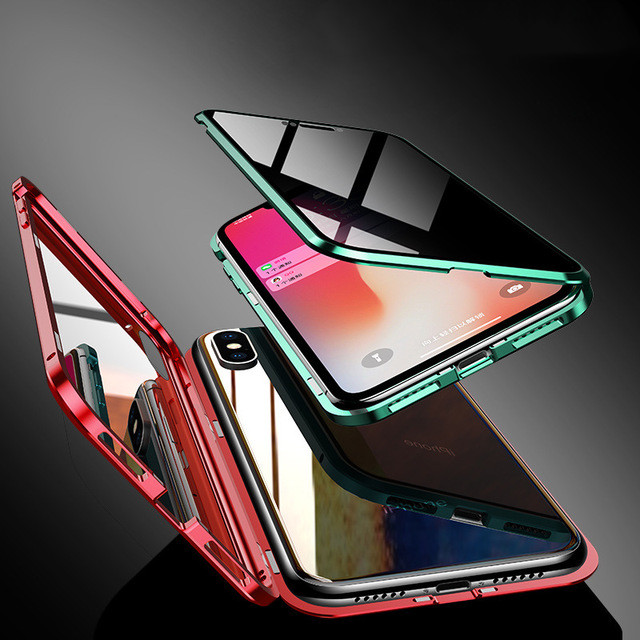
How narrow the viewing angle is
Privacy glass involves a trade-off between secrecy and brightness. A very narrow angle hides the screen from anyone even slightly to the side, but it also means you must hold the phone squarely, and the display looks noticeably dimmer. A wider angle is more forgiving in daily use and less private on a crowded train. Neither is wrong; decide which side of that trade you want before ordering.
Glass quality, thickness and edges
The glass should feel like glass, not plastic. Look for smooth, slightly rounded edges rather than sharp ones, because the edge is what your thumb runs over hundreds of times a day. Thicker glass survives more, but too thick and gestures from the very edge of the screen become awkward.
The frame and actual drop protection
A magnetic privacy phone case usually has a metal or reinforced frame holding the glass. Check that the frame stands slightly proud of the screen, because that tiny lip is what takes the impact when the phone lands face down. A case whose glass sits flush with the frame offers far less protection than one with a raised edge.
What the magnetic part actually means
Magnetic can mean two different things here. It can refer to how the case is assembled and closed, and it can refer to a magnetic ring that lets the phone attach to mounts and chargers. Check the product description for the model you are buying rather than assuming, and if you use a magnetic car mount or charging stand, confirm compatibility explicitly.
Cutouts, sensors and touch response
This is where poorly made cases fail. Check that the camera cutouts are generous enough not to cause flare, that the earpiece is not obstructed, and above all that any under-display fingerprint sensor still works through the glass. Some privacy layers interfere with optical fingerprint readers, and that is a daily annoyance rather than a minor one.
The WLD Store pick: Anti-Peep Magnetic Privacy Phone Case
These are the details WLD Store lists, with nothing added:
- Product: Anti-Peep Magnetic Privacy Phone Case
- Brand: WLD
- Category: Electronics
- What it is: a magnetic privacy glass case that shields your screen from side views
- Availability: available across the USA through secure checkout
- SKU: WLD-US-0011-(CJ-CJSJBHIP00353)
The description is doing the important work there: this is a magnetic privacy phone case built around privacy glass rather than a plain case with a separate screen protector added. Photographs, the model options and current availability are on the Anti-Peep Magnetic Privacy Phone Case product page, which is where to confirm the fit for your exact handset before ordering.
Fitting it and the first-day checks
Getting a glass case on cleanly takes ten minutes and cannot be rushed. Dust trapped under glass is permanent until you take the whole thing apart again.
- Work in a steamy bathroom. Run a hot shower, wait a few minutes, then fit the case. Damp air pulls airborne dust down and is the oldest trick for a clean fit.
- Clean the screen properly first. A microfibre cloth, then a lint-free wipe, then check under a bright light at an angle for anything remaining.
- Lift dust with tape, not your finger. A piece of sticky tape removes specks without leaving oil behind.
- Align before you press. Line up the earpiece and camera cutouts, confirm they are square, and only then close the case.
- Check the fingerprint sensor immediately. If your phone reads a fingerprint through the display, test it before you settle in. Re-registering the fingerprint often fixes reduced accuracy.
- Test face unlock and calls. Make one call and check the earpiece and front camera are unobstructed.
Then give it a week before judging. The dimmer screen is the thing people notice on day one and stop noticing by day five, and after that a magnetic privacy phone case simply becomes how your phone looks.
What you give up, stated plainly
Privacy glass is a trade, and anyone who tells you otherwise is selling something. Four things change, and all four are worth knowing before you order.
Brightness. The display is dimmer straight on, and most noticeably so outdoors in sunlight. Turning up the brightness compensates, at some cost to battery life. If you spend hours outside every day, weigh that carefully.
Shared viewing. Showing someone a photo means handing them the phone rather than holding it between you. Families who watch things together on one screen find this the most irritating change.
Angles you did not think about. A magnetic privacy phone case also hides the screen from you when the phone is flat on a desk and you glance down at it. Notifications become something you pick the phone up to read.
Weight and thickness. A glass-fronted case adds both. It is a small difference on the scales and a noticeable one in a shirt pocket.
None of these are dealbreakers for most people, and the privacy is worth the trade if you commute or work in shared spaces. But a magnetic privacy phone case is a considered purchase rather than an obvious upgrade, and going in with accurate expectations is what stops it ending up in a drawer.
Where it helps most, and where it does not
The value of screen privacy depends almost entirely on where you use your phone.
It helps most on public transport, in queues, in open-plan offices, in shared waiting rooms, on flights, and anywhere you handle banking, medical or work information in a space you do not control. In all of those the threat is a person to your side, which is exactly what the technology blocks.
It helps less at home, where the people who might see the screen are people you live with, and where a magnetic privacy phone case mostly just makes the display dimmer for no gain.
It does not help at all against someone standing directly behind you and looking over your shoulder from above. That angle is not protected by any privacy filter, so situational awareness still matters.
It also does nothing against software threats. A magnetic privacy phone case protects the glass, not the data. Screen locks, updates and careful app permissions remain the things that matter for actual security.
Care and cleaning
- Use a microfibre cloth, dry or barely damp. That is enough for fingerprints and is the safest option for any coated glass.
- Avoid alcohol and household sprays. They can strip the oleophobic coating that keeps fingerprints from sticking, and once it is gone the screen smudges permanently.
- Clean the frame edges weekly. Pocket lint packs into the corners of a magnetic privacy phone case and eventually holds the glass slightly off the screen.
- Check the raised lip for chips. Small chips at a corner are where cracks start. A case with a chipped edge has already done its job once and should be replaced.
- Do not pry the case apart casually. Repeated opening lets dust in and stresses the frame. Take it off when you need to, not to show people how it works.
Treat the glass as consumable. It is there to be damaged instead of your screen, and replacing a scratched magnetic privacy phone case is far cheaper than replacing a display.
Common problems and quick fixes
- Dust specks under the glass. The only real fix is to open the case, lift the dust with tape and refit in a steamy bathroom. Rubbing the outside will not move it.
- The fingerprint sensor has become unreliable. Delete and re-register the fingerprint with the case already fitted. If it still fails, that particular privacy layer is not compatible with your sensor.
- The screen looks too dark outdoors. Raise the brightness and consider enabling adaptive brightness. This is inherent to the technology rather than a fault in the magnetic privacy phone case.
- Touches near the edge are being missed. Usually a raised frame catching your thumb before it reaches the glass. Check the case is fully seated on all four sides.
- The magnetic mount no longer holds. Confirm the case is the magnetic version compatible with your mount, since a case without the ring will not attach no matter how strong the mount is.
Buying checklist
- Does it list my exact phone model? Cutouts are model-specific, and near enough is not good enough.
- Will my fingerprint sensor still work? The most common regret with any privacy glass, so check before buying.
- Is the frame raised above the glass? That lip is what actually protects the screen in a face-down drop.
- Do I need magnetic mount compatibility? If you use a car mount or charging stand, confirm this magnetic privacy phone case supports it.
- Am I happy with a dimmer display? Be honest about how much time you spend outdoors before ordering.
Other Electronics picks at WLD Store
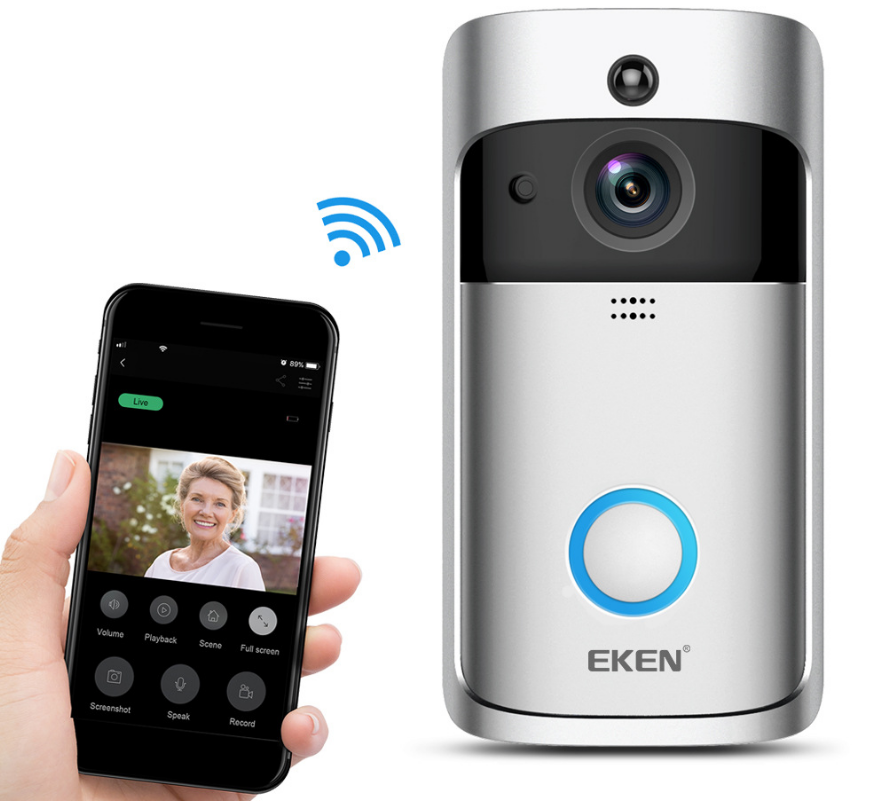
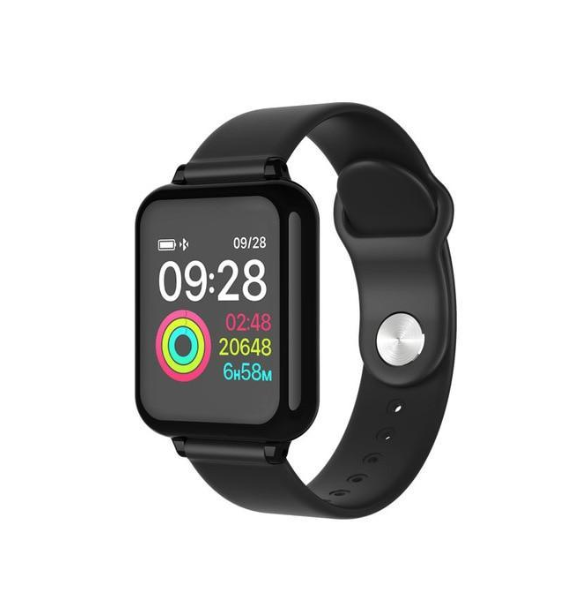
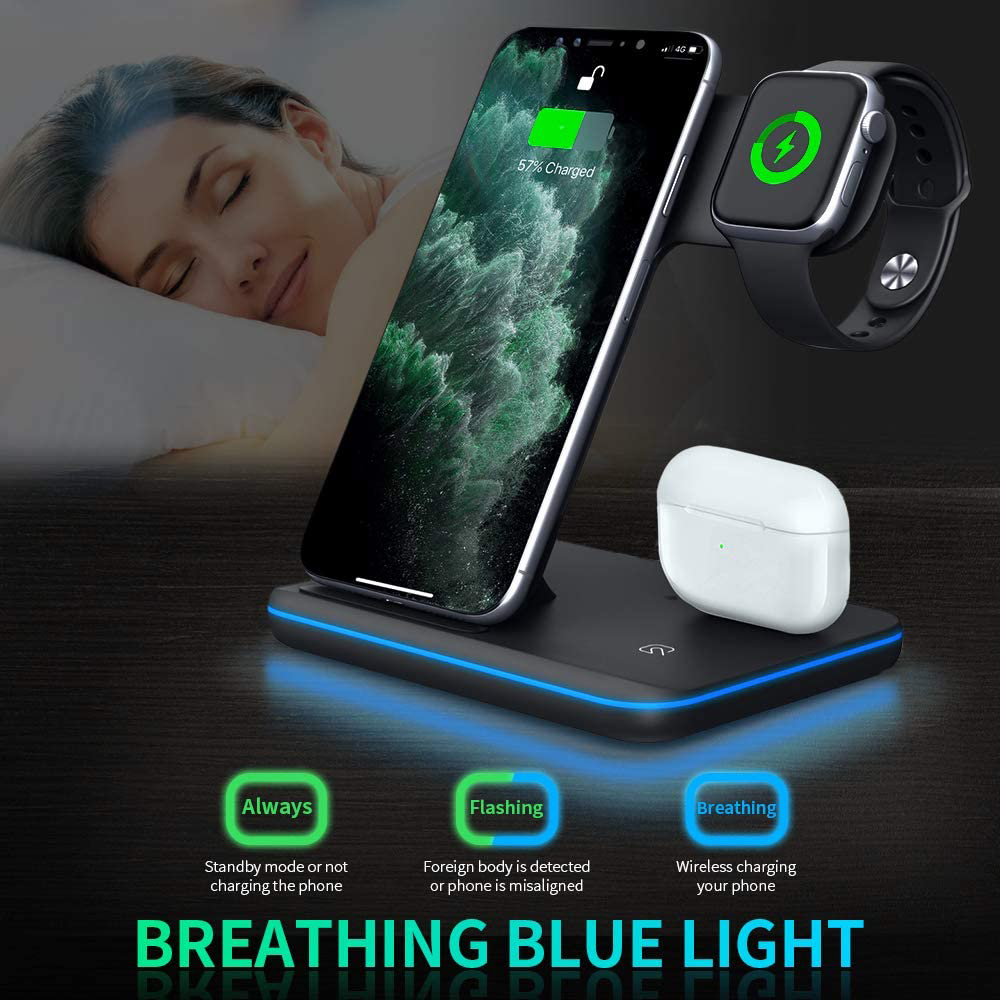
Worth a look alongside a magnetic privacy phone case if you are kitting out a phone or a home:
All-in-one case or a separate privacy screen protector?
The obvious alternative is to keep the case you already like and stick a privacy film or glass protector on the front. Both routes get you a private screen, and they suit different people.
A separate protector is the cheaper way in and lets you keep a case you are attached to. The downsides are real, though: adhesive films lift at the corners over time, you now have two edges that can catch pocket lint, and matching a protector to a curved-edge display is fiddly. Replacing it means another dusty fitting session.
A magnetic privacy phone case integrates the glass into the frame, so the edges are held down mechanically rather than by adhesive. Fit is engineered for the specific handset, the raised frame does the drop protection, and there is one component to buy rather than two that have to work together.
The deciding question is usually how attached you are to your current case. If you love it, buy a protector. If you were going to replace the case anyway, a magnetic privacy phone case is the tidier answer and typically the more durable one, because nothing depends on adhesive staying put.
What you should not do is combine them. A privacy protector underneath a magnetic privacy phone case gives you two layers of glass, worse touch response and a permanent dust trap between them, and the privacy is no better than either one alone.
Frequently asked questions about a magnetic privacy phone case
Does a magnetic privacy phone case make the screen much darker?
Noticeably darker straight on, especially outdoors. Indoors most people stop noticing within a week, and raising the brightness setting closes most of the gap. If you work outside in strong sun every day, this is the factor that should decide your purchase.
Can people behind me still see my screen?
Yes, if they are directly behind and above you. Privacy glass restricts the side-to-side viewing angle, not the vertical one on a phone held upright. It solves the person sitting next to you on a train, which is the common case, rather than every possible angle.
Will it work with my under-display fingerprint sensor?
Often, but not always, and it depends on both the sensor type and the glass. Re-registering your fingerprint with the case fitted usually restores accuracy. Check the product listing for any note about sensor compatibility before ordering.
Does it protect the phone if I drop it?
A glass front over a raised frame gives real face-down protection, and the frame protects the corners. It is not the same as a thick rugged case, so if you routinely drop your phone onto concrete, consider whether protection or privacy is your priority.
Can I still use a magnetic car mount or charger?
Only if the case includes the magnetic ring for it. The word magnetic in a product name can refer to how the case is assembled rather than to mount compatibility, so confirm it explicitly for the model you are buying.
Is it worth it if I already have a screen protector?
You do not want both. Two layers of glass over a display cause touch problems and trap dust between them. A magnetic privacy phone case replaces the screen protector rather than joining it.
The short answer
Buy one if you regularly use your phone beside strangers, accept that the screen will be dimmer, check your fingerprint sensor and mount compatibility first, and fit it in a steamy bathroom so no dust gets trapped. On those terms a magnetic privacy phone case is one of the few accessories that changes something you notice every single day.
Photographs, model options and current availability are on the Anti-Peep Magnetic Privacy Phone Case page, and the wider range is in the Electronics section. Available across the USA through secure checkout.





Add comment