An anti-snore mouthpiece is one of the few sleep products that people either love within a week or abandon in three nights, and the difference is almost always technique rather than the product. Snoring is not a personality trait. It is airflow meeting a partly blocked passage, and a small oral device can change that geometry while you sleep. This guide explains how an anti-snore mouthpiece works, what separates a comfortable one from a jaw-ache machine, how to build up wearing time properly, how to clean it, and the specific warning signs that mean you should stop and speak to a doctor instead.
Why snoring happens and what an anti-snore mouthpiece changes
When you fall asleep, the muscles that hold your airway open relax. The tongue drifts backwards, the soft palate loosens, and the passage narrows. Air still has to move through, so it travels faster through a smaller gap and makes the surrounding soft tissue vibrate. That vibration is the sound.
Anything that narrows the airway makes it louder: sleeping on your back, blocked sinuses, alcohol before bed, extra weight around the neck, or simply being exhausted enough that the muscles relax further than usual. This is why snoring comes and goes rather than staying constant night after night.
An anti-snore mouthpiece works on the mechanical side of that equation. By holding the lower jaw very slightly forward, it takes tension off the tissue at the back of the throat and keeps the tongue from falling back as far. A slightly wider passage means slower airflow, and slower airflow means less vibration.
It is worth being clear about what this is and is not. An anti-snore mouthpiece is a comfort device for ordinary snoring. It is not a treatment for a diagnosed medical condition, and it does not replace a proper assessment if your snoring comes with gasping, choking or daytime exhaustion. That distinction matters, and there is a full section on it below.
What makes a good anti-snore mouthpiece
Most complaints about these devices trace back to four things. Check all four before you decide.
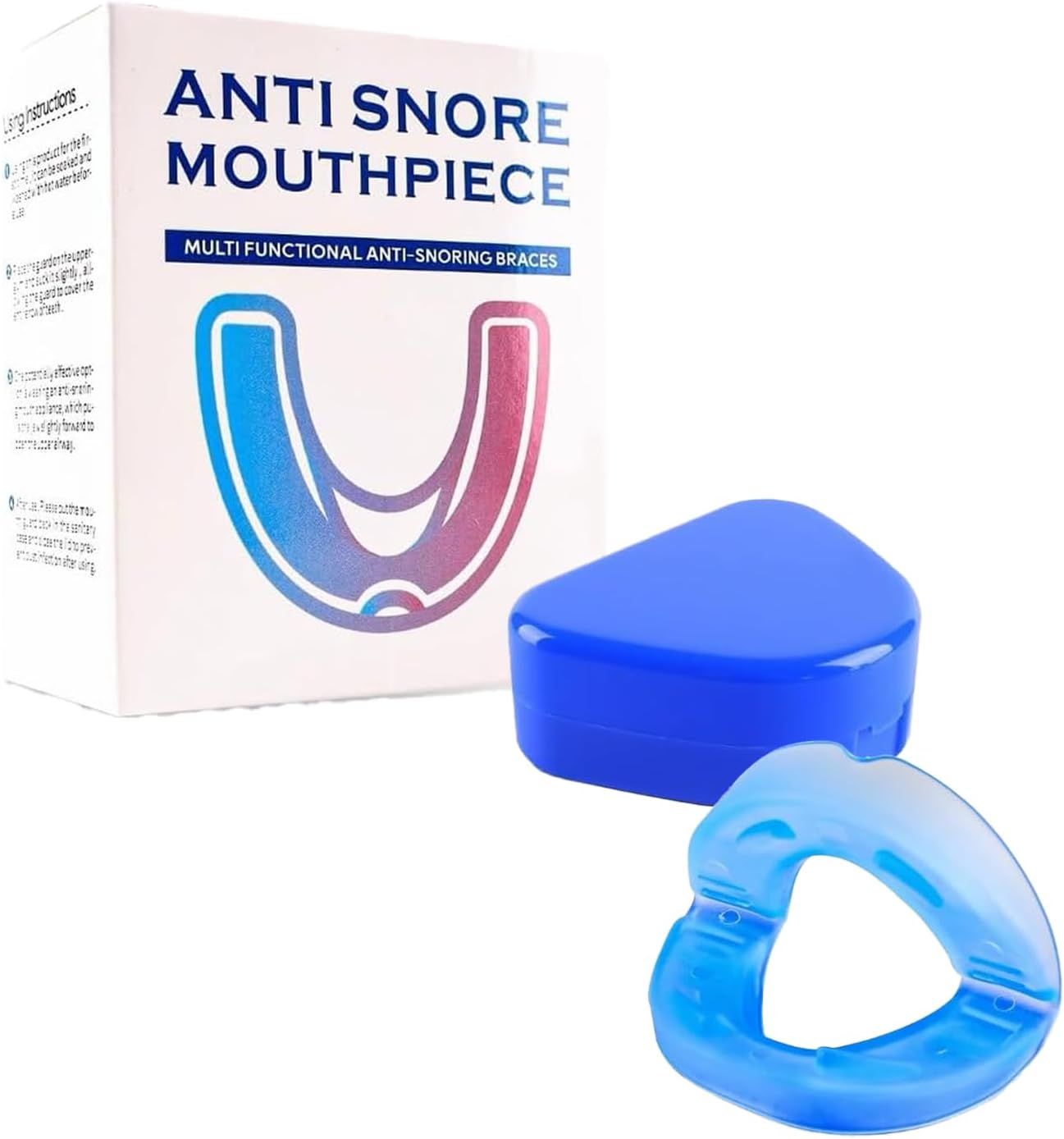
Material and softness
A device made from a soft, flexible, food-safe polymer moulds to the arch of the teeth and spreads pressure. Hard, rigid plastic concentrates force on a few teeth and produces the ache people describe on morning three. Squeeze the device: it should give under thumb pressure rather than feel like a bottle cap.
Fit and adjustment
Jaws differ enormously, so a good anti-snore mouthpiece either moulds to your bite or offers some adjustment in how far forward it holds the jaw. The correct position is the smallest forward movement that quiets the snoring, not the maximum the device allows. More is not better here; more is just more strain.
Breathing room
Look for an opening at the front. An air channel lets you breathe through your mouth when your nose blocks up during the night, which is exactly when a snorer needs it most. A fully sealed design can feel claustrophobic and often gets pulled out at three in the morning.
Size, bulk and edges
Bulk is the enemy of adaptation. A slim profile leaves room for the tongue and produces less saliva; a thick one keeps the mouth propped open. Run a finger along the edges too, because a hard seam against the gum will keep you awake far more effectively than snoring keeps anyone else awake.
The WLD Store pick: Anti-Snore Mouthpiece
WLD Store lists this device in Beauty and Personal Care as a comfortable snoring stopper brace. The facts from the listing are these.
- Product: Anti-Snore Mouthpiece, described as a comfortable snoring stopper brace
- Brand: WLD
- Category: Beauty and Personal Care
- How it is described: a comfortable anti-snoring mouthpiece that gently opens the airway
- Intended result: quieter nights, so the household sleeps undisturbed and you wake up feeling fresh
- SKU: WLD-KSA-0146-(ZB-ASMP-N-GF-ZAM-KSA)
- Availability: available across Saudi Arabia through secure checkout
Full details are on the Anti-Snore Mouthpiece product page. As with any oral device, the value comes from consistent nightly use rather than from occasional emergency deployment on nights when someone complains.
How to fit and use an anti-snore mouthpiece: the first week
Treat the first week as training rather than testing. Almost everyone who says the device did not work for them quit during the adjustment period.
- Night one, thirty minutes awake. Wear it while reading or watching something, then take it out and sleep normally. You are teaching your mouth that the object is not a threat.
- Nights two and three, an hour before bed. Extend the awake time. Expect extra saliva; it settles within a few days as your mouth stops treating the device as food.
- Night four, sleep with it. Go to bed with it in and accept that you may remove it at some point in the night. That is normal and not a failure.
- Nights five to seven, full nights. Most people are sleeping through by now. Ask whoever shares the room to tell you honestly whether the noise changed.
- Adjust in small steps. If snoring persists and the anti-snore mouthpiece allows adjustment, advance the jaw by the smallest increment available and hold there for three nights before changing anything again.
Insert it after brushing, seat it evenly with steady pressure on both sides rather than biting it into place, and check in the mirror that it sits level. A device seated crooked will load one side of the jaw and guarantee morning discomfort.
Night by night: what adaptation actually feels like
Knowing the normal timeline stops people from panicking on night two. Extra saliva peaks early and fades. Mild pressure across the front teeth is common in the first mornings and should ease within fifteen minutes of taking the device out.
Tenderness in the jaw joint that lasts into the afternoon is a different signal. That means the jaw is being held too far forward, and the fix is to reduce the advancement, or to wear the anti-snore mouthpiece for shorter stretches until the muscles adapt.
Sleep quality often changes before noise does. Partners tend to report a difference in the first week, while the wearer notices waking up with a less dry mouth and fewer of those sudden half-awake moments. Keep a two-line note each morning for a fortnight, because memory is unreliable about sleep.
Anti-snore mouthpiece versus nasal strips and position training
The two common alternatives solve different problems, and knowing which problem you have saves money.
Nasal strips widen the nostrils from the outside. They help when the obstruction is nasal, such as during a cold or an allergy season, and they do nothing at all when the noise is coming from the soft palate and tongue. If you snore just as loudly with a clear nose, strips are not your answer.
Position training means keeping yourself off your back, using a wedge pillow, a body pillow or a shirt with something bulky sewn into the back. It is free and it genuinely works for people whose snoring is position dependent, though many drift onto their backs anyway once deeply asleep.
An anti-snore mouthpiece targets the throat and tongue directly, which is where most persistent snoring originates. Plenty of people combine approaches: strips during allergy season, a side-sleeping habit as the foundation, and the device every night as the constant. There is no rule that says you must choose only one.
Cleaning and care schedule
An oral device sits in a warm, moist mouth for hours. Bacteria and staining follow, so a routine is not optional.
- Every morning: rinse under cool running water immediately after removal, brush gently with a soft toothbrush and no toothpaste, then air dry completely before storing.
- Weekly: soak for fifteen to twenty minutes in cool water with a denture-cleaning tablet or a little mild soap, then rinse thoroughly.
- Monthly: inspect for cracks, thin spots and permanent discolouration, and check that the edges are still smooth.
- Always: store it dry, in a ventilated case, away from windows, radiators and car interiors.
Never use hot or boiling water on a moulded device unless the instructions specifically say to, because heat can distort the shape you carefully created. Skip whitening toothpaste and alcohol mouthwash as cleaners as well; abrasives scratch the surface and scratches hold bacteria. Replace an anti-snore mouthpiece when it cracks, warps or stops holding position, rather than trying to nurse it through another few months.
Common problems and quick fixes
- You wake up and it is on the pillow. Usually the fit is loose or the jaw is advanced too far. Reduce the advancement and rebuild wearing time over several nights.
- Excess saliva that will not settle. Swallow deliberately a few times after inserting it, keep it in longer while awake, and give it a week before judging.
- Dry mouth in the morning. Air is bypassing your nose. Treat nasal congestion before bed and keep water beside the bed rather than abandoning the device.
- Sore teeth on one side only. The device is seated crooked. Re-seat it in front of a mirror using even pressure on both sides.
Who should not use an anti-snore mouthpiece
This is the section that matters most. Snoring that comes with pauses in breathing, choking or gasping awake, morning headaches, or heavy daytime sleepiness needs medical assessment rather than a consumer device. Those are recognised signs of obstructive sleep apnoea, and covering the noise without addressing the cause is the wrong outcome.
People with dentures, crowns, braces, loose teeth, gum disease or an existing jaw joint problem should speak to a dentist first, because a device that repositions the jaw can move dental work and irritate an inflamed joint. The same applies to anyone recovering from oral surgery.
Children should not use an adult anti-snore mouthpiece at all; a child who snores regularly should be seen by a doctor. And if the device causes pain rather than mild pressure, stop using it. Discomfort that does not fade within the first week is information, not something to push through.
Buying checklist
- Is the material soft and flexible enough to spread pressure across many teeth rather than a few?
- Does it mould to my bite or offer adjustment, so the jaw moves the minimum distance needed?
- Is there a front air channel for nights when my nose is blocked?
- Is the profile slim enough to leave room for my tongue?
- Does my dental situation, or my pattern of night-time symptoms, mean I should check with a professional first?
Other Beauty and Personal Care picks at WLD Store
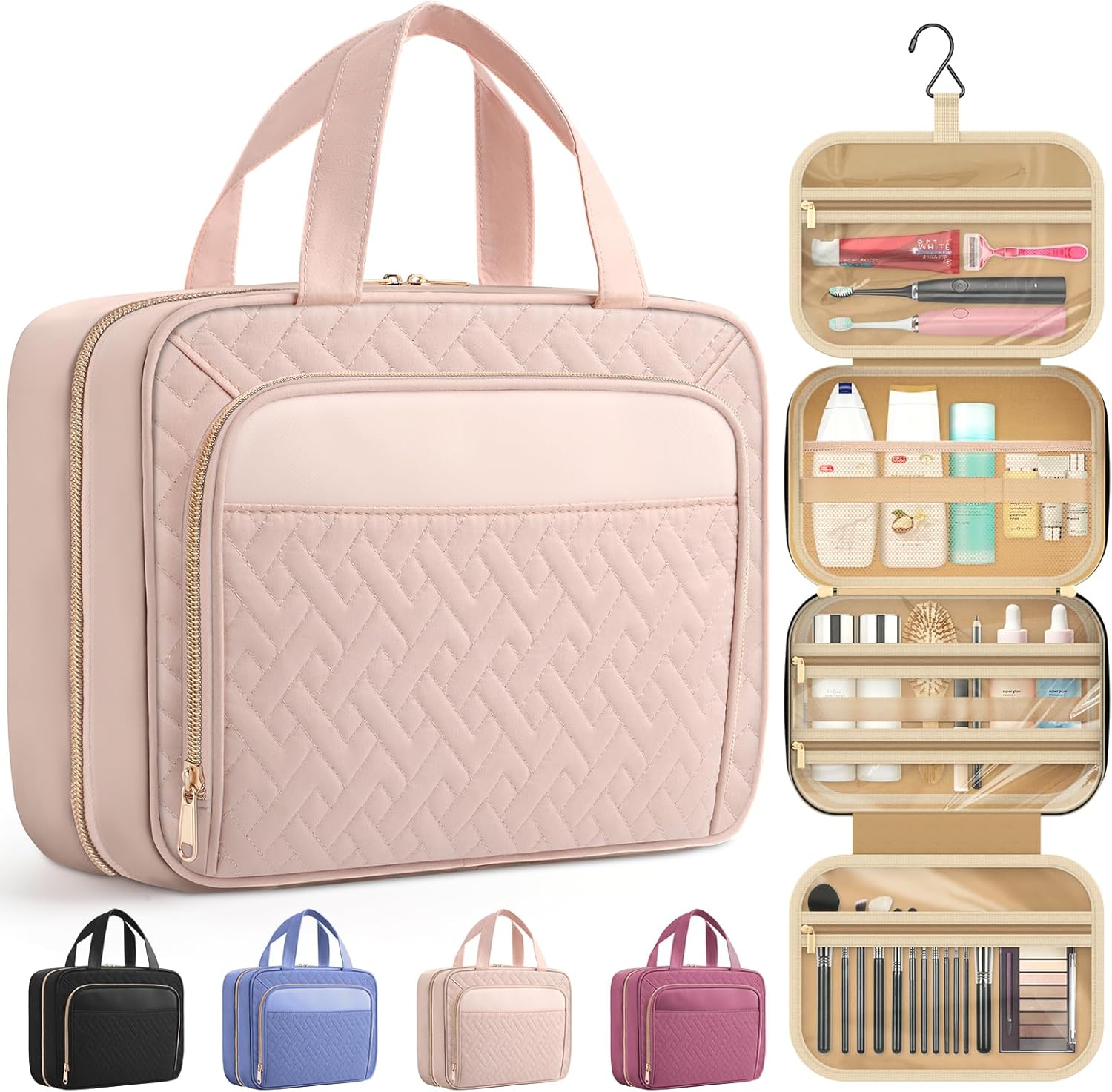
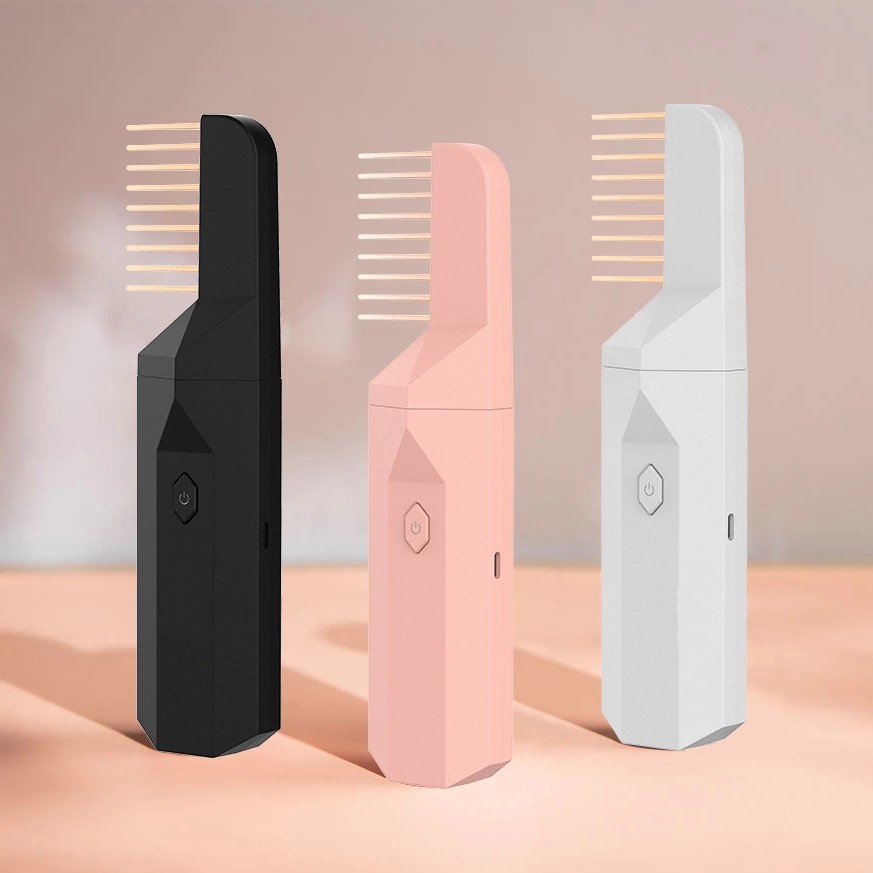
These three listings sit alongside the sleep and self-care range in the same catalogue.

Frequently asked questions about the anti-snore mouthpiece
How long does an anti-snore mouthpiece take to work?
The mechanical effect is immediate on the first night you sleep with it correctly seated. The practical answer is one to two weeks, because that is how long it takes most people to keep it in all night without removing it half asleep. Judge the results at the end of a fortnight, not after one night.
Will it hurt my teeth or jaw?
Mild pressure in the first few mornings is common and normally fades quickly. Persistent pain is not normal and means the jaw is advanced too far or the device is seated unevenly. Reduce the advancement, re-seat it carefully, and if pain continues, stop and speak to a dentist.
Can I use it if I breathe through my mouth?
Yes, provided the design includes a front air channel. Mouth breathers should also treat the underlying cause where possible, since chronic congestion makes any snoring worse and leaves you with a dry mouth in the morning regardless of what you wear.
How often should I replace it?
Replace it as soon as it shows cracks, warping, permanent staining or a loss of grip on the teeth. Nightly use in a warm, wet environment wears any polymer over time, and a device that no longer holds its shape is no longer doing the job.
Does an anti-snore mouthpiece treat sleep apnoea?
No. A consumer anti-snore mouthpiece is intended for ordinary snoring. Sleep apnoea is a medical condition that requires diagnosis and a treatment plan from a healthcare professional, and quieter snoring does not mean the underlying problem has been addressed.
Can two people share one device?
No. Beyond the obvious hygiene problem, a moulded device is shaped to one person and will fit badly on anyone else, which causes uneven pressure and jaw strain. Each snorer in a household needs their own.
Habits that make an anti-snore mouthpiece work better
The device changes the shape of the airway. Everything below changes how much work it has to do, and together they often matter more than the product itself.
Sleep on your side. Back sleeping lets gravity pull the tongue and soft palate straight into the airway. A body pillow along your back makes rolling over harder and costs nothing to try for a week.
Clear your nose before bed. A blocked nose forces mouth breathing, which undoes much of what the device achieves. Treat allergy congestion, run a humidifier in dry rooms, and rinse dusty sinuses after a day outdoors.
Move the last drink earlier. Alcohol and sedatives relax airway muscles for hours. Even people who normally sleep quietly snore after a late drink, and an anti-snore mouthpiece is fighting uphill on those nights.
Keep a regular bedtime. Deep, catch-up sleep after several short nights relaxes muscles more than usual. Consistent hours reduce those unusually loud nights.
Watch the bedroom air. Dry, dusty or smoky air irritates the throat and swells tissue. A clean filter, washed bedding and reasonable humidity all reduce the vibration an anti-snore mouthpiece has to counteract.
None of this requires spending money. Try the habits for two weeks alongside the device and you will quickly learn which nights are position related, which are congestion related, and which are simply the ones after a very late finish.
Travel, storage and shared rooms
Snoring is most socially costly exactly when you are away from home, so the device is worth packing first rather than last.
Use a hard, ventilated case. A soft pouch lets the device deform under a packed bag, and a sealed box traps moisture and encourages growth. Rinse and dry it before it goes in, never pack it damp.
In shared rooms, hostels and group accommodation, insert it before others settle so you are not fumbling in the dark. Keep a small bottle of water and the case within arm’s reach of the bed.
On flights, keep an anti-snore mouthpiece in your hand luggage. Checked bags get delayed, and one night without it in a shared room defeats the point. It also earns its place if you plan to sleep on a long flight.
Frequent travellers often keep a second device permanently in the travel bag. It removes the risk of leaving the only one on a hotel bathroom shelf, which is the single most common way people lose an anti-snore mouthpiece.
Quiet nights are usually a matter of doing small things consistently: sleeping on your side, keeping your nose clear, avoiding a late drink, and giving an oral device a proper two-week trial instead of a single night. If the snoring is ordinary, an anti-snore mouthpiece is a low-effort place to start; if it comes with gasping or exhaustion, a doctor is the right first step. You can see the listing on the Anti-Snore Mouthpiece page or browse more of the range in the Beauty & Personal Care section. For background on the causes and mechanics of the noise itself, the article on snoring on Wikipedia is a solid overview.





Add comment