A water play mat is the cheapest way to turn a patch of lawn into somewhere a toddler will happily stay for an hour. Hook it to a garden hose, and a flat sheet becomes a shallow, splashing surface that cools children and dogs down without any of the depth that makes a paddling pool a worry.
This guide covers how to pick the right water play mat size, what to check on the surface and the seams, how to set one up so it stays put, the water safety rules that actually matter, and how to dry and store it so it survives more than one summer. The WLD Store pick is described at the end, along with the questions parents ask most.
Why a water play mat beats the alternatives
Paddling pools hold standing water. That means constant supervision, a daily emptying job, and a patch of dead grass by August. A water play mat holds almost nothing, which removes most of that maintenance and a good deal of the risk at the same time.
Sprinklers are the other obvious option, and they are fine for older children who can run around. Younger toddlers, though, tend to dislike water hitting them in the face. A water play mat sprays low and gentle, which is why the age range that enjoys one starts much earlier.
Storage is the practical difference. A pool needs somewhere to live all winter; a mat folds down to something you can keep on a shelf in the garage. For a small garden, balcony or patio, that alone decides it.
There is also the pet argument. Dogs that will not go near a hose will happily walk onto a cool, wet surface. Households with both children and a dog get double the use out of one purchase, which is a rare thing in the garden toy category.
What to look for in a water play mat
The category looks simple, and most of the differences only show up once water is running. Four things separate a mat that lasts three summers from one that splits in week two.
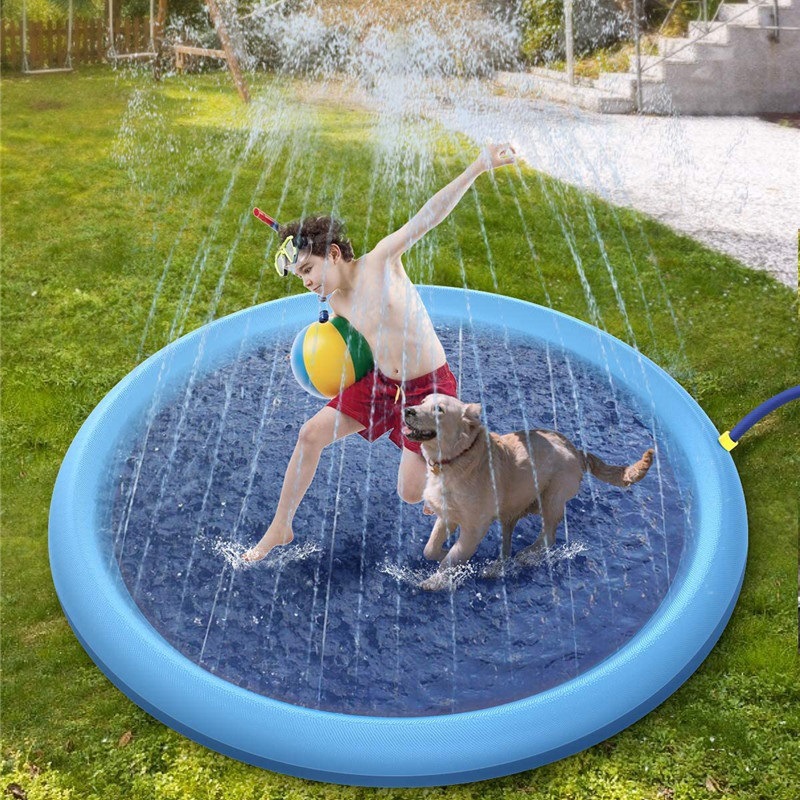
Size and shape
Measure the flat, level space you actually have before you shop. A mat needs ground with no slope, no sharp stones and no exposed roots. Round shapes suit open lawns; rectangles fit better against a patio edge or a fence line.
For one toddler, a smaller water play mat is genuinely better, because the spray is concentrated and they can reach the middle. For two or three children, size up, or they will spend the afternoon arguing about the wet bit.
Surface grip
This is the one feature worth being fussy about. Wet plastic on grass can slide, and a child running onto it at speed is the classic accident. A non-slip surface, like the one on the WLD Store water play mat below, is not a marketing feature but the main safety mechanism.
Water connection
Check the water play mat inlet against your own hose fitting before you order. Most mats use a standard garden hose connector, but the useful question is what pressure they want. Low pressure gives a gentle bubble that suits small children; higher pressure throws water further and entertains older ones.
Seams and edges
Seams are where a cheap water play mat fails. Welded seams outlast glued ones, and a wide, flat outer edge is far less likely to peel than a thin lip. Run your fingers around the whole rim when it arrives, before the first fill, so you can spot a bad seam while returning it is still easy.
The WLD Store pick: Kids and Pet Splash Pad Water Play Mat
Here is exactly what WLD Store lists for this product, with nothing invented:
- Product: Kids & Pet Splash Pad Water Play Mat
- Brand: WLD
- Categories: Baby & Kids, Toys
- Description: a non-slip outdoor splash pad made for summer water fun with kids and pets
- SKU: WLD-US-0006-(CJ-CJWJWJYZ04596)
- Availability: available across the USA through secure checkout
The two words that matter in that description are non-slip and outdoor. Full details, images and current options are on the Kids and Pet Splash Pad product page.
Setting up your water play mat in ten minutes
- Walk the ground first. Clear stones, twigs and anything sharp. A single pebble under a filled mat is enough to wear a hole through the base.
- Pick shade if you have it. Dark surfaces get hot in direct sun before the water is on, and shade also keeps children out of the worst of the afternoon glare.
- Unroll and let it relax. Ten minutes flat in the sun takes the fold creases out, which helps the mat sit evenly.
- Connect and start low. Open the tap slowly and stop at the point where the spray looks right. Full pressure straight away is what stresses new seams.
- Check the run-off. Water has to go somewhere. Aim the low side away from doorways, and move the mat every session so one patch of lawn does not drown.
Do that once and the water play mat routine takes two minutes on every following day. Most people leave the hose fitting attached all summer.
Games that keep it interesting after week one
The honest weakness of any garden toy is novelty. A splash surface is fascinating for three days and then becomes furniture unless somebody gives it a job. A few simple games fix that without buying anything else.
Floating targets work best for the youngest children. Drop a handful of plastic cups upside down on the surface and ask them to knock them over with their hands. It is trivially simple and it holds attention far longer than free splashing does.
Colour sorting is the next step up. Scatter bath toys or coloured balls across the water play mat and call out a colour for them to fetch. It burns energy, it is quietly educational, and it works with two or three children without turning competitive.
For older siblings who find the whole thing beneath them, temperature is the hook. Freeze small toys into ice cubes the night before, put them on the surface, and let the spray melt them free. That buys twenty minutes of genuine interest from a seven-year-old.
Finally, use the water play mat as the halfway point rather than the whole activity. Chalk on the patio, a bucket of water for painting fences, and the splash surface in the middle gives a whole afternoon a shape instead of a single burst.
Water safety ground rules
Shallow water is still water. Young children can get into trouble in a very small amount of it, so an adult should be within arm’s reach the whole time a water play mat is in use, with phones down. That is the single rule this guide would keep if it could keep only one.
Set the boundary before the tap goes on. No running onto the mat, sit or walk only, and shoes off so nobody trips. Children accept rules better when they are explained at the start rather than shouted mid-splash.
Watch the temperature both ways. Cold hose water is a shock on a hot day, so let the first few seconds run off before anyone steps on. Equally, a wet child cools quickly, so have a towel ready and call time before shivering starts.
Sun protection still applies. Water reflects light, and a child who has been in and out of spray for an hour needs sunscreen reapplied regardless of what the bottle claims. Shade breaks every twenty minutes or so are sensible.
Finally, drain it when play is over. Leaving water sitting on a water play mat overnight invites both mosquitoes and a slippery surface for whoever walks past it in the morning.
Using it with pets
Dogs approach water on their own terms. Put the water play mat down dry, let them sniff it, and only then turn the tap on at the lowest setting. Pushing a nervous dog onto a spraying surface usually creates a dog that avoids it all summer.
Nails are the real durability question. Large dogs with untrimmed nails can puncture a thin base, so check the claws before the first session and keep an eye on the surface afterwards.
Rinse the mat between pet and child use. It is a small thing, but a water play mat that the dog has been lying on should get thirty seconds of clean hose water before a toddler sits on it.
Playdates, parties and sharing one mat
Most people buy for one or two children and then find themselves hosting four. It is worth thinking about that case before the first birthday party rather than during it.
Numbers are the first constraint. A surface that is comfortable for two toddlers becomes a shoving match with four, so either stagger turns in short rotations or accept that a water play mat is one station among several rather than the main event.
Set up a dry zone as well as a wet one. Towels, a shaded rug and a drinks table a few metres away give children somewhere obvious to go when they have had enough, and it stops wet feet tracking through the house.
Have spare clothes visible. Parents who did not expect a soaking are the reason garden parties end early, so a quick heads-up in the invitation solves a problem that costs nothing to prevent.
Supervision scales badly. One adult can watch two children easily and four with effort, but at a party the adults are talking. Nominate one person whose only job for that half hour is the water, and swap them out on a timer.
Care, drying and storage
The failure mode for these products is not wear, it is mildew from being folded away damp. Everything below exists to prevent that.
After each session: drain it, hang it over a fence or a chair for twenty minutes, and shake off the standing drops. That is usually enough on a warm day.
Weekly: wash the top surface with plain water and a soft cloth. Grass clippings and sunscreen build a film that makes the surface slippery, which undoes the grip you bought it for.
Monthly: flush the inlet. Sediment collects in the spray channel and produces uneven jets. Running the hose through it backwards for thirty seconds clears most blockages.
End of season: wash, then dry completely on both sides, which usually means a full day. Fold loosely rather than creasing along the same lines, and store somewhere dry and rodent-free. A cardboard box beats a sealed plastic bag.
Common problems and quick fixes
- Weak or uneven spray. Almost always debris in the channel or a kinked hose. Disconnect, flush backwards, and straighten the hose run before blaming the mat.
- The water play mat slides on grass. The ground is either sloped or too dry and slick. Move it to level ground and wet the grass underneath first, which helps it settle.
- A slow leak. Dry the area completely, find the pinhole by looking for the bubble trail, and patch it with a vinyl repair patch of the kind sold for inflatable pools.
- It smells musty. That is mildew from damp storage. Wash with a mild soap solution, rinse well, and dry in full sun for a day before it goes back in the box.
Who this is not for
If your outdoor space is a balcony with no drain, think carefully. The water has to go somewhere, and a neighbour below will notice.
Households on a metered supply with strict summer restrictions should check local rules first. A water play mat uses far less than a pool but it is still running water, and some areas restrict hose use in the hottest months.
Older children, roughly eight and up, generally lose interest quickly. They want depth, a sprinkler to run through, or a proper pool. The sweet spot is toddlers and early primary age, plus dogs of any age at all.
Buying checklist
- Do you have flat, stone-free ground large enough for the mat plus a metre of walking space around it?
- Does the connector match your hose, and can you run it at low pressure for younger children?
- Is the play surface genuinely non-slip rather than just smooth plastic?
- Are the seams welded and the outer edge wide, so it survives being dragged across grass?
- Where will it dry, and where will it live between September and May?
Answer those five and the choice is usually obvious. Most disappointment with a water play mat comes from ground that was never suitable, not from the product.
Other kids and outdoor picks at WLD Store
Three more from the range that sit alongside a splash pad in a summer order:
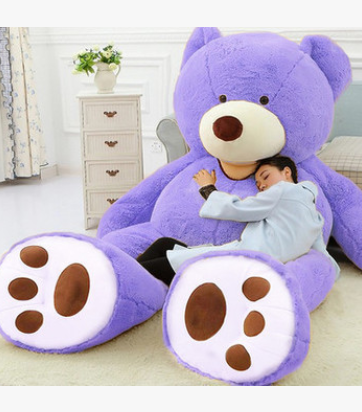
Giant Soft Teddy Bear Plush Toy — the indoor counterweight to a garden full of water, and the thing that gets hugged once everyone is dry.
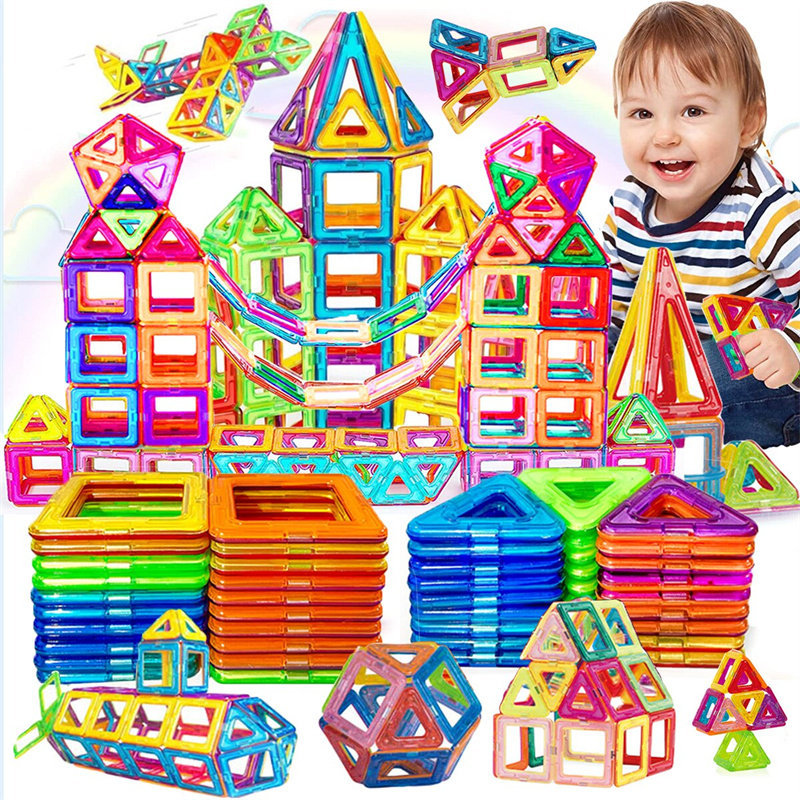
Magnetic Building Blocks Set for Kids — a quiet, dry option for rainy afternoons when the garden is not happening.
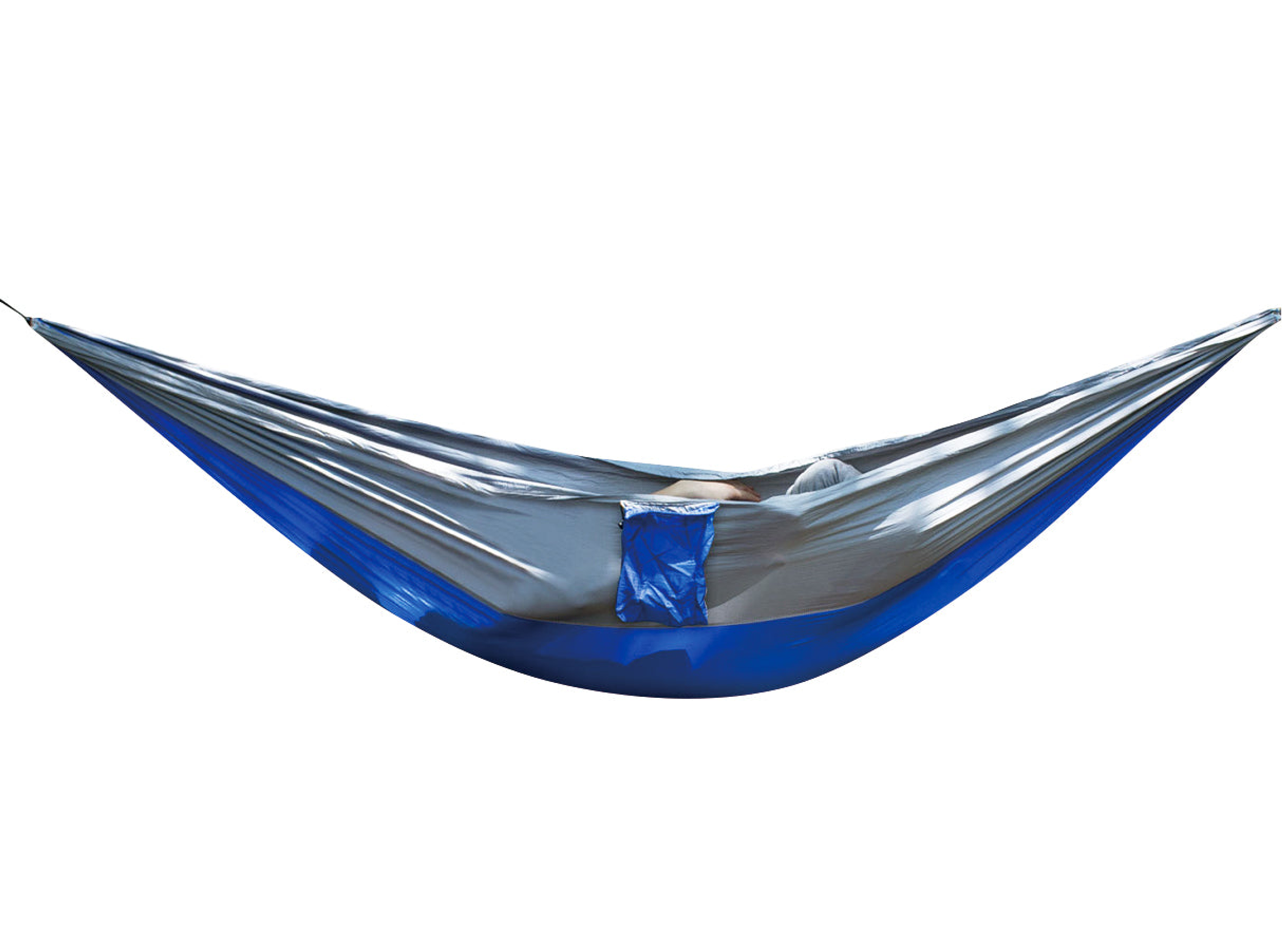
Portable Camping Hammock with Carry Pouch — for the adult supervising, since somebody has to sit somewhere.
The full range is at the WLD Store shop.
Frequently asked questions about a water play mat
What age is a water play mat suitable for?
Broadly from the point a child can sit up unaided through to early primary school, always with an adult present. Younger babies can enjoy one on a parent’s lap with the water off or barely trickling, but they should never be placed on it alone.
How much water does a water play mat use?
Far less than filling a paddling pool, because nothing is being stored. It is a continuous low flow rather than a large volume, and turning the tap down between bursts of play cuts it further.
Can I use a water play mat on a hard patio?
Yes, and grip becomes even more important there. Hose the slabs down first so there is no dust film, and be aware that a hard surface is less forgiving than grass if someone does slip.
Will a water play mat kill my grass?
Only if you leave it in one spot for weeks. Moving it a metre every few sessions gives the lawn time to recover and prevents the yellow circle that people complain about in September.
Is a water play mat safe for dogs with claws?
Generally yes for small and medium dogs. For large breeds, trim the nails first and check the surface after early sessions. Any puncture is easier to patch when it is still a pinhole.
How long will one last?
Stored dry and kept off sharp ground, several summers is realistic. Stored damp and folded on the same creases, one. Storage decides the lifespan of a water play mat far more than the price on the box.
The short version
Pick a water play mat size for the ground you actually have, insist on a non-slip surface, run it at low pressure, and never let shallow water become an excuse to look away. Drain it after every session and dry it fully before it goes into storage.
The WLD Store option described above is the Kids and Pet Splash Pad Water Play Mat, a non-slip outdoor splash pad for kids and pets, available across the USA through secure checkout. Browse everything else in the Toys section. For background on how public versions of these work, the English Wikipedia article on the splash pad is a useful short read.



Add comment