A vegetable peeler is the cheapest tool in the kitchen that people replace least often and complain about most. A blunt one turns ten minutes of prep into twenty, wastes a visible layer of every carrot, and is the reason plenty of households quietly stopped cooking vegetables from scratch.
This guide covers the main peeler shapes and which jobs each suits, how to judge sharpness before you buy, technique that genuinely speeds things up, which vegetables to peel and which to leave alone, and when a vegetable peeler is finished. There is a checklist, six answered questions, and the WLD Store pick described exactly as the listing states it.
Why a sharp vegetable peeler matters
The obvious argument is speed, but the more interesting one is waste. A dull blade does not slice cleanly; it digs. Every pass takes more flesh than it should, and across a bag of potatoes that adds up to a meaningful amount of food in the bin.
Safety is the second point, and it runs opposite to intuition. A sharp vegetable peeler needs light pressure and goes where you aim it. A blunt one needs force and skips, and a skipping blade under pressure is how people cut their knuckles.
There is also a plain willingness factor. Fresh vegetables get cooked when preparing them is quick and pleasant. When the tool fights you, frozen and pre-prepared options start to look reasonable, and the peeler in the drawer quietly changes what your household eats.
Finally, presentation. A clean-peeled carrot looks better than a gouged one, and if you want ribbons for a salad or thin shavings over a dish, only a sharp blade will produce them.
The main vegetable peeler shapes
Almost every peeler on sale is one of four designs, and knowing which is which saves a lot of guesswork.
The straight or swivel peeler has the blade in line with the handle, like a small knife. You pull it along the vegetable away from you, or towards you over a bowl. It gives the most control on curved surfaces and is the traditional shape in most kitchens.
The Y-peeler, sometimes called a speed peeler, has the blade across the top of a Y-shaped handle. You draw it towards you in long strokes. It is faster on long straight vegetables, and most people find it more comfortable for large quantities.
The julienne peeler has a toothed blade that cuts thin strips rather than a sheet. It is a specialist tool for garnishes and salads rather than a general vegetable peeler, and it will not replace one.
Serrated peelers have a saw-toothed edge designed for soft, slippery skins like tomatoes and peaches, where a plain blade slides off. Useful if you prepare a lot of soft produce, unnecessary for most households.
What makes a good vegetable peeler
Within any of those shapes the quality range of a vegetable peeler is wide, and the differences are visible before you buy.
Blade steel
Stainless steel is the practical default. It resists rust, survives the dishwasher and needs no maintenance beyond drying. Carbon steel takes a keener edge and holds it longer, but it stains, spots and can rust if left wet, which most households will not manage.
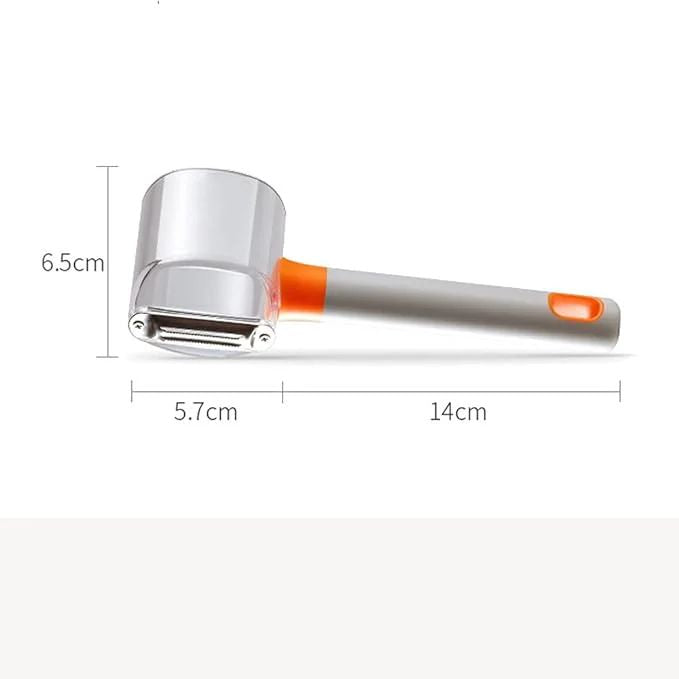
What matters more than the alloy name is the grind. A thin, cleanly ground edge cuts; a thick, roughly finished one scrapes. Look closely at the blade in product photographs, because a chunky-looking edge is a reliable warning sign.
Blade movement
On a swivel peeler, the blade should pivot smoothly on its mounting so it follows the contour of the vegetable. Too loose and it flops and chatters; too stiff and it will not track a curve. A little resistance is right.
Fixed-blade Y-peelers do not pivot at all, which is why they excel on straight surfaces and struggle on knobbly ones. Neither approach is better in general; they suit different produce.
Handle and grip
You will hold this for several minutes at a time with wet hands, so grip matters. A handle with a soft, textured surface and enough thickness to fill the palm is far more comfortable than a thin metal one.
Shape matters as much as material. A handle with a defined finger position stops your hand sliding forwards towards the blade, which is worth more than any coating. If you have any joint pain, a thicker handle on a vegetable peeler reduces the grip force needed considerably.
The eye remover
Most peelers include a small pointed loop or spur for gouging out potato eyes and blemishes. Check that it is actually sharp and reachable rather than a moulded decoration, because on cheap tools it often is.
Hanging hole and storage
A hanging hole seems trivial until you consider the alternative. Loose in a drawer, the blade meets everything else in there, dulls faster and becomes a hazard when you reach in blind.
Dishwasher suitability
Dishwasher-safe is convenient, though hand washing keeps any blade sharp for longer. What you want to avoid is a tool that is not dishwasher safe going through a cycle anyway, so check before it becomes a habit.
The WLD Store pick: Stainless Steel Vegetable Peeler
WLD Store lists this as an everyday peeler for general kitchen prep. The points below come straight from the listing.
- Product: Stainless Steel Vegetable Peeler
- Blade: the listing describes ultra-sharp blades that glide through carrots, potatoes, cucumbers and similar produce
- Handle: described as ergonomic and non-slip, intended to prevent hand fatigue during extended use
- Material and care: stated to be dishwasher safe and rust resistant
- Category: Home & Kitchen, filed under Kitchen Tools
- Brand: WLD | SKU: WLD-KSA-0051-(KD-KD0173)
- Market: available across Saudi Arabia with secure checkout
All product photographs, the full description and current availability are on the Stainless Steel Vegetable Peeler product page. Check the images there for the blade shape so you know which of the styles above you are getting.
Vegetable peeler technique that speeds things up
Most people never change how they hold a vegetable peeler after learning it as a child, and a few adjustments make a real difference.
- Peel into a bowl, not the sink. Faster to clear, and it keeps the drain clear. A bowl on the counter beside you is enough.
- Use long strokes, not short scrapes. One pass down the full length removes more with less effort than four short ones.
- Turn the vegetable, not your wrist. Rotate the carrot a quarter turn between strokes and let your hand stay in one comfortable position.
- Peel away from you where you can. More control and your knuckles stay out of the blade’s path.
- Hold at the end, not the middle. Gripping the middle means your fingers are exactly where the blade will finish.
- Wash after peeling, not before. Wet produce is slippery. Peel dry, then rinse.
For large quantities, set up properly. Board, bowl, colander and a good vegetable peeler in a line, then work through everything of the same type before switching. Batching this way is noticeably faster than peeling one item per dish as you cook.
Which vegetables to peel, and which to leave
Not everything needs peeling, and knowing where to stop saves both time and nutrition.
Carrots, potatoes, cucumbers, courgettes and apples all have edible skins when clean, and the skin carries fibre and nutrients. A thorough scrub with a brush is often all that is needed, particularly for young carrots and new potatoes.
Peel where the skin is genuinely unpleasant or tough: older, thick-skinned carrots, large marrows, celeriac, swede, and any potato that has gone soft or leathery. Also peel where the recipe depends on it, such as a smooth mash or a clear soup.
One firm rule for potatoes: cut away any green areas and sprouts, and discard the potato altogether if it is extensively green or soft. Green colouring signals the presence of a natural compound that should not be eaten in quantity, and peeling alone does not always remove it.
Pumpkins and hard squashes are hard work with a vegetable peeler and are usually easier roasted skin-on, then scooped. Fighting a butternut with a small blade is how people end up in a clinic.
What else a vegetable peeler can do
Once the blade is sharp, the tool does considerably more than remove skin.
Ribbons are the obvious one. Draw the peeler down a courgette or cucumber under firm pressure and you get wide, thin strips for salads, which look far better than slices and take seconds.
Hard cheese responds well to the same treatment, giving thin shavings for a salad or a pasta dish. Use a dedicated peeler for this if you can, because cheese fat is stubborn in the pivot.
Chocolate curls, thin slices of butter for pastry, and shaved fennel for a salad all come from the same technique. A vegetable peeler is genuinely one of the more versatile tools in a drawer once you stop thinking of it as a single-purpose object.
Asparagus is the classic case: peeling the lower third of each spear removes the woody outer layer and makes the whole stem usable rather than snapping half of it off.
Peeling in bulk for the week
If you cook most evenings, doing all the peeling in one session is the change that saves the most time, and a few points stop it going wrong.
Peeled potatoes brown quickly once exposed to air. Keep them submerged in cold water in the fridge and they will hold for a day or two; change the water if it clouds. Drain and pat dry before cooking, because wet potatoes do not roast well.
Carrots and other root vegetables are more forgiving. Peeled and stored in a sealed container in the fridge, they keep for several days, though they dry at the cut ends and are better cut to size after storage rather than before.
Work through one type at a time with a single vegetable peeler rather than switching between jobs. Batching this way is considerably faster than alternating, and the blade stays cleaner because you are not moving between wet and starchy produce.
Save the peelings. Carrot, onion and celery trimmings simmered with water make a serviceable stock, which turns the by-product of a vegetable peeler session into the base of the next meal.
One caution: do not batch-peel anything you will not use within a few days. Peeled produce loses its protective skin and deteriorates faster than whole vegetables do.
Vegetable peeler care, sharpness and when to replace
Peeler blades are thin and hardened, and most cannot be sharpened at home in any meaningful way. Care is therefore mostly about slowing the inevitable.
- Rinse and dry immediately after use. Especially after acidic produce. Standing moisture is what starts corrosion, even on rust-resistant steel.
- Clean the pivot. Peel and fibre pack into the blade mounting and stop it swivelling. A quick rinse and a poke with a cocktail stick clears it.
- Hand wash if you want longevity. Dishwasher detergents are aggressive, and blades knock against other items in the basket.
- Store it hanging or in a slot. Not loose in a drawer with everything else, which dulls the edge and risks your fingers.
- Never use it on frozen food. The blade is thin and will chip or bend, and a chipped vegetable peeler is finished.
- Test it monthly. One pass down a carrot: it should take a clean ribbon with light pressure. If it needs force, it is time.
Replacement is not a failure of care. These are consumable tools with a finite life, and a fresh one restores the experience completely. If you are curious about how the design developed and the variants in use around the world, the Wikipedia article on the peeler gives a short, neutral overview.
Common vegetable peeler problems and quick fixes
- It skips instead of cutting. Either the blade is blunt or the produce is wet. Dry the vegetable first; if it still skips, the blade has reached the end of its life.
- The swivel has seized. Compacted peel in the pivot. Rinse under a hot tap while working the blade back and forth, then clear the joint with a cocktail stick.
- It takes too thick a peel. Usually pressure rather than the tool. Ease off and let the blade do the work; if that fails, the edge geometry is simply coarse.
- Rust spots have appeared. Almost always from being left wet or from prolonged dishwasher use. Light spotting can be removed with a bicarbonate paste; pitting on the edge means replacement.
Vegetable peeler versus a paring knife
A skilled cook can peel anything with a small knife, so the comparison is worth making honestly.
A paring knife wins on versatility. It peels, trims, cores, segments and does a dozen other jobs, and it can be sharpened indefinitely. For thick-skinned items like celeriac and pineapple it is genuinely the better tool.
A peeler wins on consistency, speed and safety for the specific task. It removes an even, thin layer that a knife only matches in trained hands, and it wastes far less. For a bag of carrots, it is not close.
Waste is the deciding factor for most households. A knife in average hands removes considerably more flesh than a sharp vegetable peeler does, and that difference is visible in the bowl.
Keep both. Peeler for the bulk, knife for the awkward items and the finishing work, and neither tool has to do a job it is bad at.
Who a vegetable peeler is not for
It is not much use if you mainly cook with pre-prepared or frozen vegetables, in which case a knife covers the occasional job.
A standard peeler is also wrong for hard winter squashes and pineapples. Those need a heavy knife and a stable board, and trying to force a thin blade through them is genuinely how injuries happen.
And it is not for anyone who wants a tool they can maintain and sharpen for years. Most peeler blades cannot be resharpened at home; when the edge goes, the tool is replaced. If that bothers you, invest in a good paring knife and a sharpening stone instead.
Vegetable peeler buying checklist
- Swivel or Y-shape? Swivel for control on curved produce, Y for speed on long straight items. Pick for what you cook most.
- Does the handle fill your hand? Thin handles cause fatigue and slip when wet.
- Is the blade thin and cleanly ground? Zoom into the product photo; a chunky edge scrapes rather than cuts.
- Is there a working eye remover? It should be a genuine sharp point, not a moulded shape.
- Can it be stored safely? A hanging hole or a slot keeps the edge sharp and your fingers intact.
Other Home & Kitchen picks at WLD Store
A peeler is rarely the only thing on a kitchen list, so these three from the same section are worth a look.
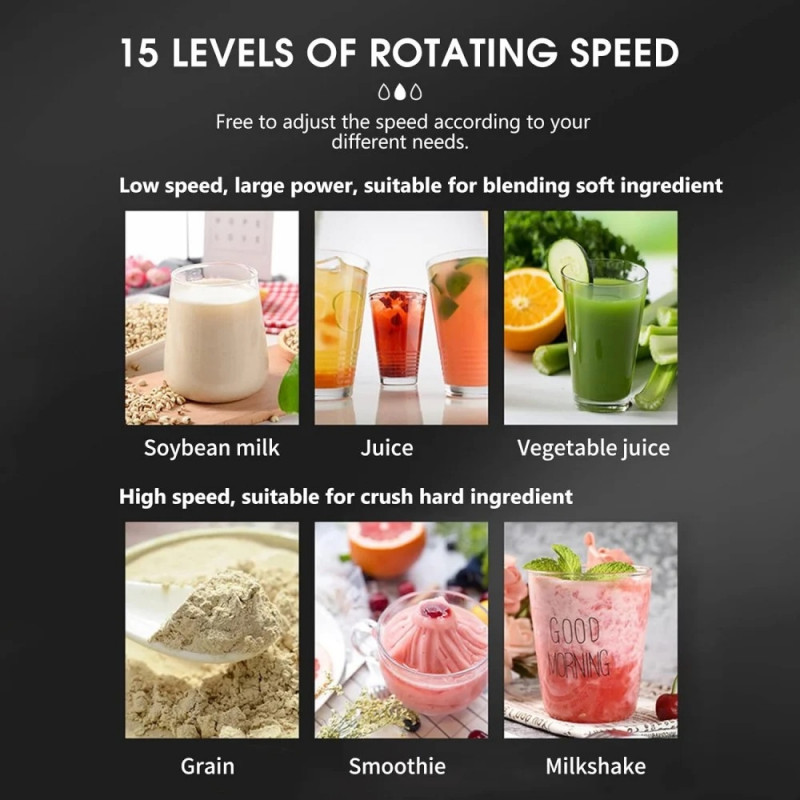

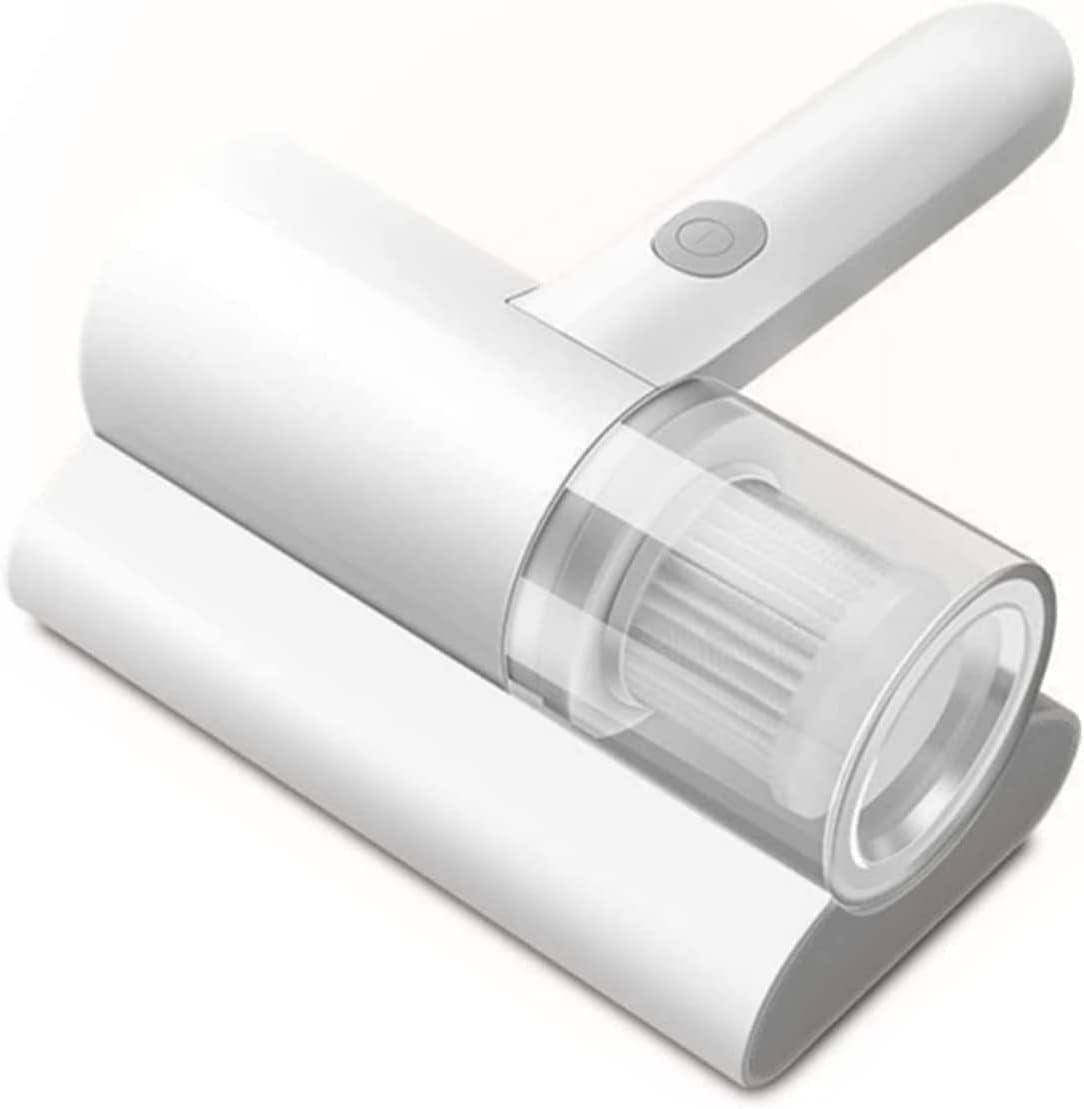
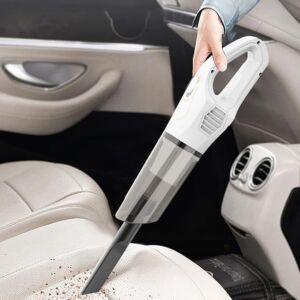
The blender is the natural next step if peeled vegetables are heading into soup, while the dryer and the mite vacuum belong to the wider household range rather than the kitchen.
Frequently asked questions about a vegetable peeler
Can a vegetable peeler be sharpened?
Most cannot, in any practical home sense. The blades are thin, hardened and mounted in a way that makes access difficult. Treat a peeler as a consumable: when it starts needing force, replace it rather than trying to restore the edge.
Swivel or Y-peeler, which should I buy?
If you mostly do carrots, potatoes and cucumbers in quantity, the Y-shape is faster and more comfortable. If you peel a wider variety with awkward shapes, the swivel type follows contours better. Many kitchens end up with one of each.
Is stainless steel better than carbon steel?
For most households, yes. Carbon steel takes a finer edge but needs drying immediately and will spot or rust if neglected. Stainless is the low-maintenance choice, which is why nearly every vegetable peeler on general sale uses it.
Should I peel potatoes and carrots at all?
Not always. Both have edible skins when clean, and the skin carries fibre and nutrients, so a scrub is often enough. Peel older, thick-skinned examples, and always cut away green areas or sprouts on potatoes.
Why does mine keep jamming?
Peel and fibre compact into the pivot where the blade is mounted. Rinse under a hot tap while working the blade, then clear the joint with a cocktail stick. Doing this after each use prevents the problem entirely.
How do I make vegetable ribbons?
Lay a courgette or cucumber flat, press slightly harder than you would for peeling, and draw the blade the full length in one stroke. Rotate after every few passes. A sharp vegetable peeler is essential here; a blunt one tears rather than slices.
A vegetable peeler is a small purchase that decides how pleasant a daily task is. Choose the shape that matches what you actually cook, look for a thin cleanly ground blade and a handle that fills your hand, keep it out of the drawer, and replace it the month it starts needing force. See the full details on the Stainless Steel Vegetable Peeler page, or browse the rest of the kitchen range in the Kitchen Tools section.




Add comment