A temperature display water bottle answers one small but constant question: is this drink still at the temperature I wanted it to be? Instead of guessing, unscrewing the lid and losing heat in the process, you read a number on the outside of the bottle.
This guide explains how the category actually works, what separates a well-built temperature display water bottle from a frustrating one, how to look after both the electronics and the steel, and where the 500ml LED flask stocked at WLD Store fits in. You will also find a buying checklist, honest notes on what this kind of bottle cannot do, and six questions Saudi shoppers ask most often.
Why a temperature display water bottle earns its place
Hydration in Saudi Arabia is a daily logistics problem. You leave home in cool air, cross a hot car park, sit in an air-conditioned office, then step back outside. A plain bottle gives you no feedback across those swings, so you either drink something unpleasantly warm or open the lid repeatedly to check. A temperature display water bottle removes that guesswork by putting a reading where you can see it before you drink.
The second benefit is comfort with hot drinks. Coffee, karak and herbal tea are all far more enjoyable inside a narrow band of temperature, and that band moves fast in the first fifteen minutes after brewing. A readout tells you when the drink has dropped into the range you like, which is more useful than a stopwatch and far more useful than a cautious sip.
There is a safety angle too, and it matters most in households with children. Freshly boiled liquid poured into an insulated flask can stay dangerously hot for a long time, and the outside of the bottle gives no clue. A temperature display water bottle at least makes the risk visible, so an adult can decide whether to hand it over or let it cool for another twenty minutes.
Finally, there is the plain habit-building effect. People who can see information about their drink tend to interact with the bottle more often, and interacting with the bottle more often usually means drinking more water. That is not a medical claim, just a well-observed nudge that many gym-goers, students and drivers report.
What makes a good temperature display water bottle
Almost every bottle in this category looks similar in a product photo: a steel cylinder with a small screen set into the cap or the body. The differences that matter emerge after a week of real use. Below are the areas worth examining before you buy any temperature display water bottle, whichever brand you end up choosing.
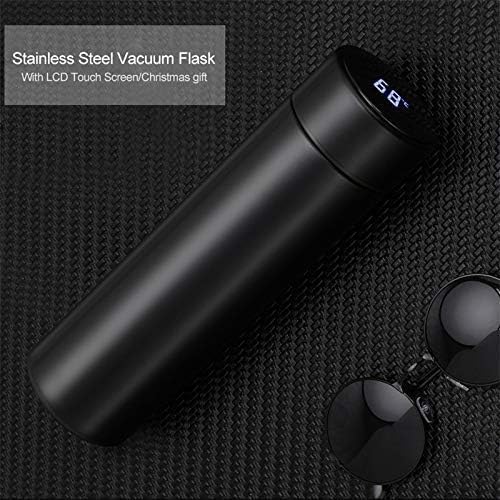
The vacuum insulation underneath
The screen is the headline, but insulation is the product. A double-walled bottle keeps drinks hot or cold because the gap between the two steel walls carries almost no heat by conduction or convection. That principle is old and well documented; if you want the physics without the marketing, the vacuum flask article on Wikipedia is a clear summary. A temperature display water bottle with a weak vacuum layer will show you an accurate number while that number falls disappointingly fast.
Where the sensor sits and what it reads
Screens in this category are usually driven by a sensor in the cap or in the inner wall. That means the figure shown is the temperature of the liquid or the inner surface, not the air around you, and it can lag by a minute or two after you pour. Treat the reading as a good guide rather than a laboratory instrument, and expect it to settle rather than jump.
Lid design and how you drink
A screw lid seals best and suits hot liquids. A flip or straw lid is faster for the gym but adds moving parts near the electronics. Think about which you will actually use, because a lid you dislike is the most common reason a bottle ends up at the back of a cupboard. Check also whether the lid can be opened one-handed while you are driving or carrying a bag.
Capacity, grip and where it has to fit
Half a litre is the sweet spot for commuting: enough for a real drink, small enough for a bag pocket and most car cup holders. Larger bottles hold more but often stop fitting the places you need them. Measure your car holder and your bag sleeve before deciding that bigger is better.
Cleaning access
A wide mouth lets a bottle brush reach the base; a narrow one does not. Since the electronics usually live in the cap, the body normally washes easily while the cap needs care. Look for a design where the parts that must stay dry are obvious at a glance.
The WLD Store pick: Vacuum Flask with LED Temperature Display Water Bottle 500ml
If you want a specific temperature display water bottle rather than a category overview, this is the one WLD Store stocks for the Saudi market. Everything below comes straight from the product listing, with no added specifications.
- Product: Vacuum Flask with LED Temperature Display Water Bottle 500ml.
- Capacity: 500ml, as stated in the product name.
- Display: the listing describes a built-in digital LED screen that shows real-time drink temperature.
- Construction: the listing describes stainless steel insulation intended to hold drinks at temperature for hours.
- Category: Home & Kitchen, also listed under Kitchen Tools.
- Brand: WLD. SKU: WLD-KSA-0026-(KD-KD0029).
- Market: available across Saudi Arabia through secure checkout.
Full details, current images and the order page live on the Vacuum Flask with LED Temperature Display Water Bottle 500ml product page. Anything not printed there or on the packaging in the box is something we will not guess at here, including battery type, screen activation method and exact heat-retention times.
How to get the best from a temperature display water bottle
Most complaints about this category trace back to habits rather than hardware. A few minutes of setup on day one changes how the bottle performs for the rest of its life.
- Wash before first use. Warm water, a little washing-up liquid and a bottle brush on the interior. Rinse thoroughly and let it air dry upside down.
- Pre-condition the flask. Fill it with hot water for a minute before adding a hot drink, or with cold water before adding a cold one. This single step makes a bigger difference than any other.
- Fill it properly. A part-filled vacuum flask holds temperature far worse than a full one, because the trapped air acts as a buffer that cools or warms the liquid.
- Close it fully. A lid that is only half turned will leak heat and, eventually, liquid into your bag.
- Read the number after it settles. Give any temperature display water bottle a minute after pouring before you trust the figure on the screen.
One habit is worth adding for hot drinks specifically. Pour, wait, read, and only then decide whether to drink. That sequence takes ten seconds and is the entire reason a temperature display water bottle is more useful than a plain flask.
Matching the bottle to how your day is actually shaped
The same bottle serves different people in different ways, and being honest about your routine helps you decide whether the screen is worth having at all.
Office and commuting. This is the strongest case. You fill once, carry it through a hot car park, and want to know whether the coffee is still worth drinking at eleven. A 500ml temperature display water bottle fits most desk drawers and cup holders without dominating them.
Students. Long campus days with no reliable kettle make an insulated bottle valuable, and the readout stops the classic mistake of scalding your mouth two minutes before a lecture starts.
Gym and walking. Cold water is the goal here, and a temperature display water bottle tells you when the ice has finished doing its job. Just be careful about knocks, since the screen is the most fragile part of the whole product.
Drivers and site work. A bottle that keeps cold water genuinely cold through a long shift is a real quality-of-life upgrade in a Saudi summer. Check the base diameter against your cup holder before buying.
Home use. Around the house the screen matters less, because a kettle and a fridge are a few steps away. If the bottle will mostly sit on a kitchen counter, a plain flask may serve you just as well.
Vacuum flask, plain bottle or tumbler: a fair comparison
Before spending on a temperature display water bottle it is worth knowing what the obvious alternatives do well, because each of them beats it at something.
A plain plastic bottle is light, cheap and easy to replace, and it is the right answer when weight is everything or when losing the bottle is likely. It offers no insulation at all, so a cold drink in a Saudi summer is warm within the hour.
An open tumbler keeps a drink hot on a desk and lets you smell the coffee, which is half the pleasure. It cannot go in a bag, it spills easily, and it loses heat every minute it sits open.
A standard vacuum flask matches a temperature display water bottle on insulation, usually costs less, and has nothing electronic to fail. What you give up is the reading, and with it the ability to decide before you drink rather than after.
Seen that way, the screen is not a gimmick, but it is not free either: you accept one fragile component and a cap that cannot be soaked. If that trade sounds reasonable, the category suits you. If it does not, buy the plain flask and enjoy the simplicity.
Care and maintenance for a temperature display water bottle
Insulated bottles fail in predictable ways, and almost all of them are preventable. The routine below is standard for steel flasks with electronics in the cap.
Daily. Empty it, rinse it with warm water, and leave it open to dry. Sealing a damp bottle overnight is how smells begin. If you have carried coffee or tea, rinse sooner rather than later, because tannins stain.
Weekly. Use a bottle brush with warm soapy water on the interior, then rinse well. For stubborn odour, fill with warm water and a spoon of bicarbonate of soda, leave for an hour and rinse. Avoid bleach and avoid abrasive scourers on steel.
The cap. Wipe it rather than soaking it, and never put a cap containing electronics in a dishwasher unless the packaging explicitly says it is dishwasher safe. Water forced into a sensor housing is the most common way a temperature display water bottle stops showing a number.
Never microwave or freeze it. Steel does not belong in a microwave, and freezing liquid expands and can damage the inner wall or the seal.
Skip carbonated drinks. Pressure builds inside a sealed vacuum flask, which can force the lid or spray the contents when you open it.
Common problems and quick fixes
- The screen is blank or flickering. Check the cap is fully tightened and dry, then check the battery compartment if the packaging describes one. A blank screen does not mean the insulation has failed.
- The reading looks wrong. Wait sixty seconds after pouring, and remember the sensor reads the drink, not the room. A large gap between the reading and reality usually means moisture has reached the sensor.
- Drinks cool faster than expected. Nine times out of ten the bottle was only half full, or was filled straight from cold. Pre-condition it and fill it properly, then judge again.
- It smells of yesterday. Bicarbonate of soda and an overnight air-dry with the lid off solve almost every odour problem in a temperature display water bottle.
- It leaks in a bag. Inspect the gasket for a hair or a crumb, reseat it, and make sure the lid is fully closed rather than resting on the thread.
Who a temperature display water bottle is not for
A buying guide that only lists benefits is not much use. There are people for whom this category is genuinely the wrong choice, and it is better to say so.
If you want something you can throw in a dishwasher every night without thinking, a plain steel flask with no electronics is a simpler companion. If you work somewhere with heavy knocks and drops, the screen is a weak point that a solid flask does not have. And if you already know your routine well enough that you never wonder about temperature, the readout is a feature you will stop noticing within a fortnight.
A temperature display water bottle is also not a medical or food-safety device. It should not be used to decide whether baby formula is safe, or whether a drink has been held at a safe temperature for hours. Use a proper thermometer for anything where the answer really matters.
Seasonal notes for Saudi Arabia
Two periods of the year change how people here use an insulated bottle, and both are worth planning for.
High summer. Cars parked outside reach extreme cabin temperatures, and no flask is designed to sit in that heat all afternoon. Take the bottle inside with you where you can, fill it fully, and add ice in the morning rather than topping up with warm water later in the day.
Ramadan. Many households want water genuinely cold at iftar and a hot drink ready for suhoor, often prepared hours earlier. This is where a temperature display water bottle is at its most useful, because it tells you what is waiting inside without opening the lid and letting the heat escape.
Travel. Empty the bottle before airport security and dry the cap before packing. A sealed damp bottle left in a suitcase for two days is the fastest route to a smell you will struggle to remove.
Buying checklist for a temperature display water bottle
- Does the capacity fit your bag pocket and your car cup holder, measured rather than guessed?
- Is the lid style one you will genuinely use every day: screw, flip or straw?
- Can a bottle brush reach the bottom of the interior for cleaning?
- Does the packaging state clearly which parts are dishwasher safe and which must stay dry?
- Are you buying a temperature display water bottle for a real need, or for the novelty of the screen alone?
Other Home and Kitchen picks at WLD Store
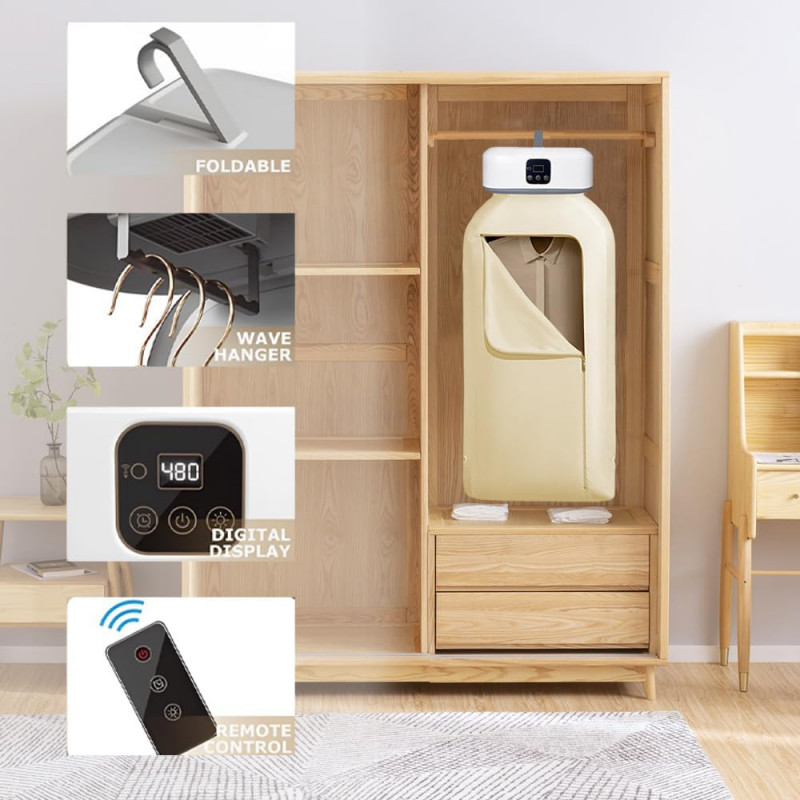
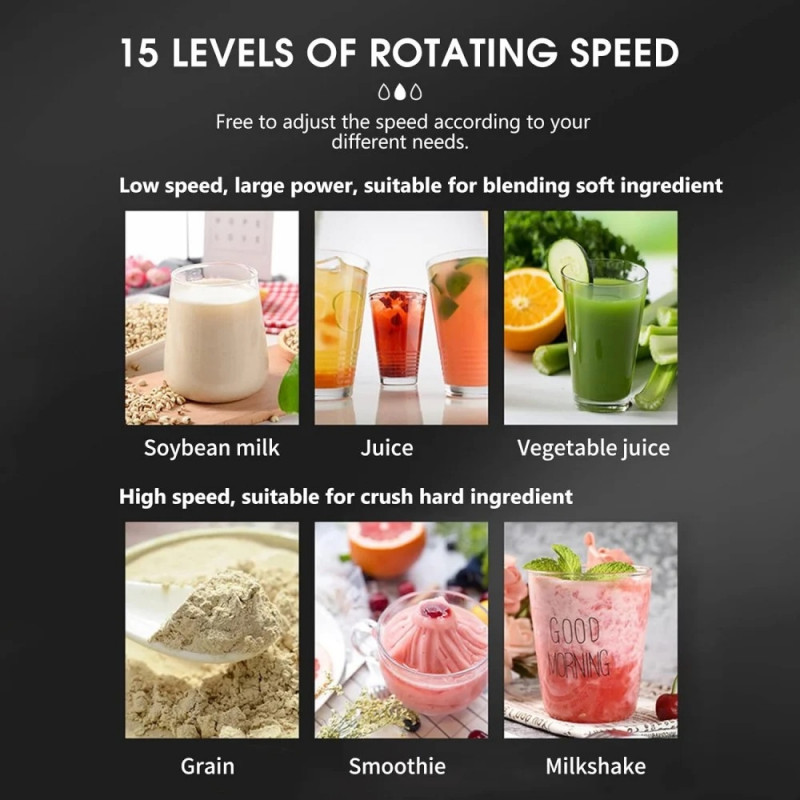
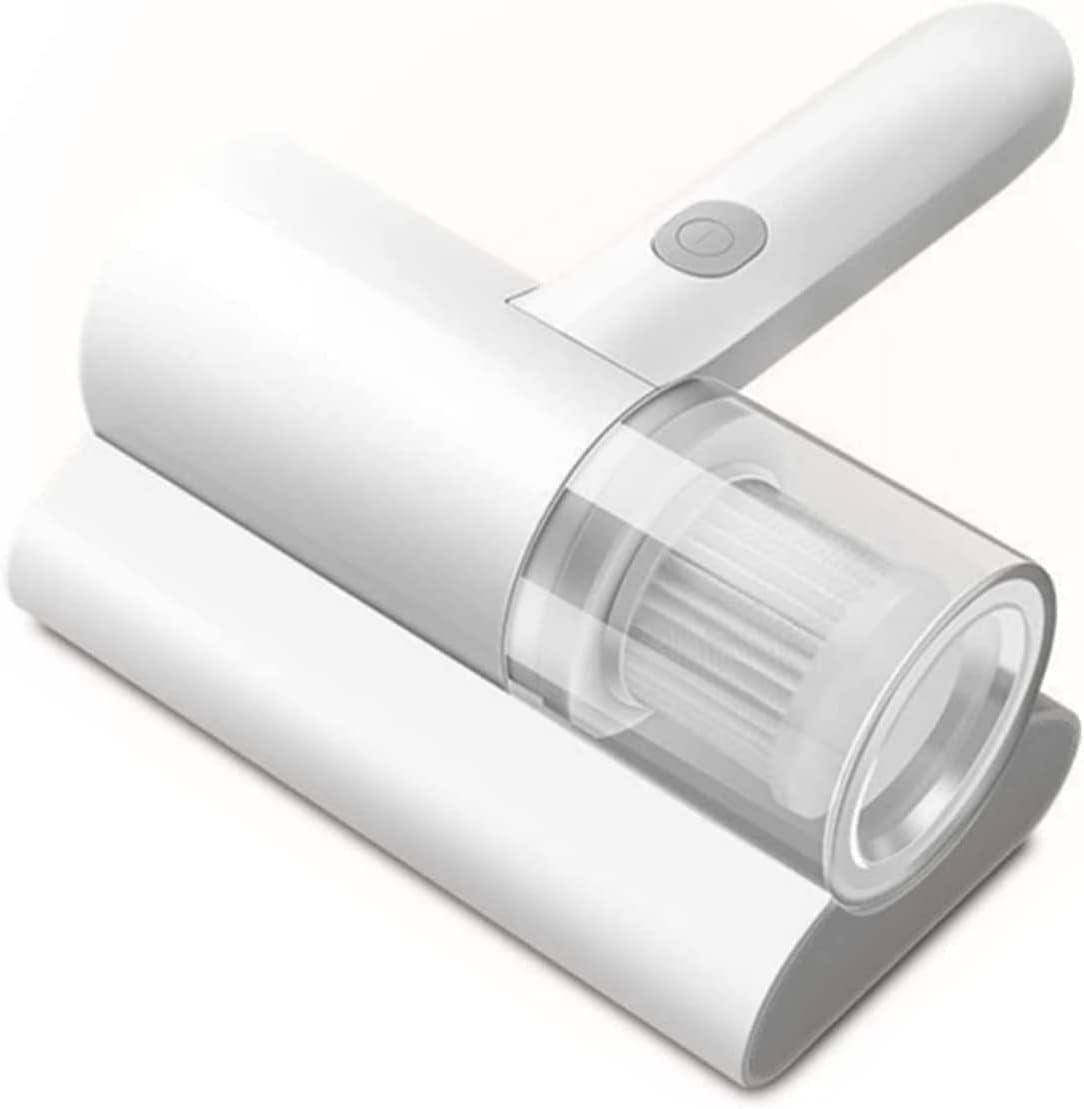
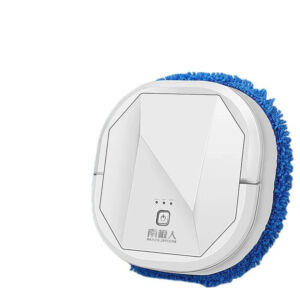
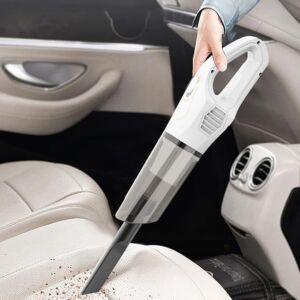
If you are outfitting a home rather than buying a single bottle, these three sit in the same part of the catalogue and are worth a look alongside any temperature display water bottle.
Frequently asked questions about the temperature display water bottle
Is a temperature display water bottle accurate?
It is accurate enough to guide a decision, not accurate enough to calibrate anything. The sensor reads the liquid or the inner wall and needs a short settling period after you pour. If you need a precise figure for cooking, brewing or infant feeding, use a dedicated thermometer instead.
Can I put hot coffee in it?
Yes, that is one of the main uses of an insulated flask. Pour carefully, leave a small gap at the top, close the lid fully, and give the screen a minute to settle before you read it. Remember that a well-insulated bottle can hold a scalding temperature for a long time.
How do I clean the cap without breaking the screen?
Wipe the outside with a damp cloth and clean the drinking surfaces with a soft brush and soapy water, keeping the sensor housing away from submersion. Do not soak a cap containing electronics, and do not put it in a dishwasher unless the packaging says that is allowed.
Will a temperature display water bottle keep water cold all day in summer?
A good vacuum flask holds cold far longer than a plastic bottle, and adding ice extends it further. Real-world results depend on how full the bottle is, how often you open it and how hot the car gets. Fill it completely and open it less to get the best from it.
Does the screen need a battery?
Bottles in this category are powered in different ways, so check the packaging and the product page for the model you buy rather than assuming. We do not publish battery details we cannot verify. What is consistent is that the electronics live in the cap and dislike being submerged.
Is it a good gift?
A temperature display water bottle is an easy gift because it suits almost any adult routine, needs no sizing and works straight out of the box. It is a particularly practical choice for a new job, a new gym membership or a student starting a long commute.
A temperature display water bottle is a small upgrade with an unusually high hit rate: it removes a daily guess, it encourages you to drink more, and it does so without asking you to change anything else about your routine. Buy for the insulation first and the screen second, look after the cap, and it will quietly earn its shelf space. You can see the 500ml model on its product page, or browse the wider range in the Kitchen Tools section for the rest of the Home and Kitchen catalogue.

Add comment