An electric epilator is one of the few grooming tools that genuinely changes your week rather than your morning. Instead of cutting hair at the surface the way a razor does, it grips each hair and removes it from the root, so regrowth takes far longer to appear. This guide explains how the tool works, how to prepare your skin, how to keep discomfort manageable, which areas suit it, how to clean the head properly, and who should avoid it. It also covers one model listed by WLD Store for shoppers in Saudi Arabia, using only what that listing states.
How an electric epilator actually works
Inside the head sits a rotating set of tweezer-like discs or plates. As the head turns, those plates open and close in sequence, catching hairs and pulling them out as the device moves across the skin. It is mechanical rather than chemical, which is why an electric epilator needs no creams, strips or heating.
Because the hair leaves the follicle entirely, the next growth has to travel the full length of the follicle before it reaches the surface. That is the whole appeal: smooth skin measured in weeks rather than the day and a half a razor buys you. The trade-off is that the first pass is more uncomfortable than shaving.
The stubble question also disappears. Shaved hair regrows with a blunt cut end that feels sharp, while root-removed hair returns with its natural tapered tip. Many people say regrowth after using an electric epilator feels softer even when the amount of hair is unchanged.
One honest caveat before anything else: no home hair-removal device is permanent. Epilation delays regrowth; it does not stop it. Anyone promised permanent results from a mechanical device should treat that claim with suspicion.
What makes a good electric epilator
The category looks crowded, but only a handful of design details change how an electric epilator feels in daily use. Judge any electric epilator on these before anything else.
Head width and tweezer count
A wide head covers a shin quickly but struggles around the ankle and knee. A narrower head is slower on large areas and far better on curves and underarms. More tweezers usually means fewer passes, though it can also mean a stronger sensation on the first session.
Speed settings
Two speeds is the practical minimum. Use the lower speed on sensitive or bony areas and the higher speed on flat, tolerant skin such as the front of the shin. A single-speed electric epilator forces a compromise on one of those areas.
Cordless running and charging
Cordless is worth having. It lets you move around, work at the right angle without fighting a cable, and it is safer near a bathroom. Check how long a charge lasts relative to how long your session takes, because a device that dies mid-leg is genuinely annoying.
Grip, angle and visibility
You will hold this at awkward angles for ten to twenty minutes. A grip that does not slip when your hand is warm matters more than the styling. A built-in light is a small feature that helps a lot: fine, pale hairs are hard to see, and missing them means going back over skin that has already been worked.
Attachments and skin contact
Caps that limit contact area, massage rollers and sensitive-area guards all soften the sensation. They are not gimmicks — they change how the plates meet the skin. If a model includes them, use them for the first few sessions even if you expect to graduate past them.
The WLD Store pick: Electric Women Epilator
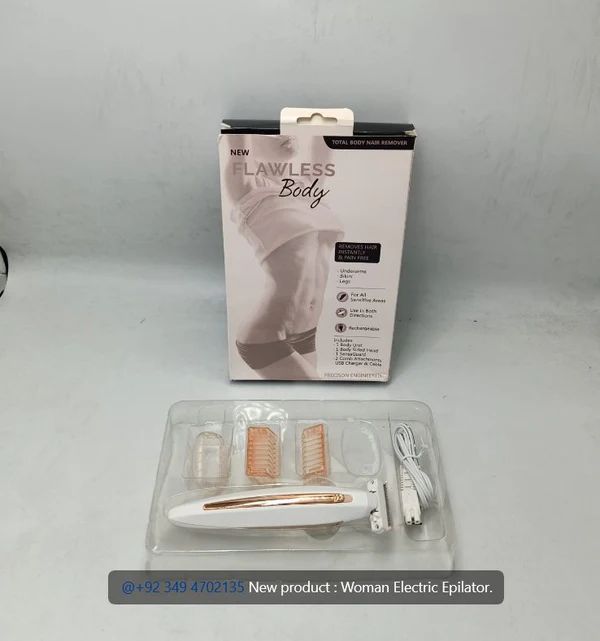
WLD Store lists an Electric Women Epilator for customers in Saudi Arabia. These are the details the listing gives, with nothing invented:
- Product: Electric Women Epilator
- Category: Beauty & Personal Care
- Brand: WLD
- SKU: WLD-KSA-0015-(KD-KD0172)
- Listed features: multiple speed settings and a rotating head that removes hair from the root
- Power: the listing states the device is cordless and rechargeable
- Suggested areas: the listing mentions legs, arms and underarms
- Market: available across Saudi Arabia through secure checkout
Full details and images are on the product page: Electric Women Epilator at WLD Store. The listing describes the device as painless; in practice sensation varies a great deal between people and between body areas, so treat that as marketing language and plan a gentle first session regardless.
Preparing your skin before you epilate
Preparation does more for comfort than any feature on the electric epilator. Start with hair at a sensible length — roughly three to five millimetres. Longer hair pulls harder and tangles in the plates; shorter hair slips past the tweezers and gets missed.
Exfoliate a day before, not immediately after. A gentle scrub or a textured cloth lifts hairs that are trapped under dead skin so the electric epilator can catch them, and it lowers your ingrown-hair risk for the following weeks. Doing it straight after a session is too harsh on freshly worked skin.
Work on clean, completely dry skin unless your device is rated for wet use. Oils, lotions and leftover deodorant make the plates slip and clog the head. A warm shower beforehand relaxes the skin and softens follicles, but dry thoroughly afterwards.
Timing helps too. Evening sessions give any redness overnight to settle, which is why most people prefer them. Avoid epilating right before swimming, heavy sun exposure or a long day in tight clothing.
How to use an electric epilator step by step
- Charge it fully. A weakening motor grips less reliably and increases the number of passes you need.
- Start on a small test patch. The lower shin is a sensible first area — flat, tolerant and easy to see.
- Hold the skin taut. Pull the skin flat with your free hand; loose skin is the main cause of pinching.
- Keep the head at ninety degrees. Flat contact catches hair evenly; tilting the electric epilator makes it drag.
- Move against the growth direction. Slowly. Speed does not help and increases breakage at the root.
- Do not press down. Let the weight of the device do the work; pressure causes redness without improving the result.
- Finish with something soothing. A fragrance-free moisturiser or aloe gel calms the skin afterwards.
Expect your first electric epilator session to take longer than later ones. Once regrowth becomes finer and less dense, most people find the whole routine drops to a fraction of the original time.
Managing discomfort honestly
The first session is the worst one. Nerve response settles with repetition, and by the third or fourth session most users describe the feeling as a warm prickle rather than a sharp pull. Anyone telling you an electric epilator is entirely painless for everyone is overselling it.
Several things genuinely reduce the sting: working after a warm shower, using the lower speed setting, going slowly, keeping the skin taut, and doing short sessions rather than one long one. A cool compress afterwards helps if an area feels hot.
Underarms and the bikini line are more sensitive than legs, so leave them until you are comfortable with the device. There is no prize for starting with the hardest area first.
Area by area guidance
Legs are the easiest starting point for an electric epilator and where the time saving is largest. Work upward in narrow strips, overlapping slightly, and treat the knee separately by bending the leg so the skin stays flat over the joint.
Arms need a lighter touch. The skin is thinner and hair grows in changing directions near the elbow, so short strokes in several directions work better than long sweeps.
Underarms are the most sensitive area an electric epilator will normally be used on. Raise your arm fully, hold the skin flat, use the slowest speed, and stop if the skin becomes inflamed. Skip deodorant for several hours afterwards, since freshly opened follicles react badly to fragrance and alcohol.
Care and maintenance
Clean the electric epilator head after every session. Hair and skin debris pack between the plates and quickly reduce grip, which makes the next session more uncomfortable rather than less. Most heads detach; brush them out with the supplied brush and let them dry completely.
Follow the manual on rinsing. Some heads are washable and some are not, and running water through a head that was never designed for it is a reliable way to ruin an electric epilator. If in doubt, brush only.
Store the device dry and capped. A cap keeps dust and lint out of the plates, and a dry storage spot matters more than you would think in a humid bathroom. Charge every few weeks even when not in use, since batteries left flat for months age faster.
Replace or service the head if plates become bent or visibly worn. A damaged plate grips unevenly, tugs skin, and is the usual culprit when a device that used to feel fine suddenly starts to hurt.
Common problems and quick fixes
- Hairs break instead of lifting out. The hair is too long, or you are moving too fast. Trim to a few millimetres and slow down.
- Red bumps appear afterwards. Usually normal follicle irritation that settles within a day. Cool the skin, skip fragranced products, and leave tight clothing off.
- Ingrown hairs keep returning. Exfoliate gently twice a week between sessions and moisturise daily; that combination prevents far more than any post-shave product.
- The device pinches skin. You are pressing too hard or the skin is not taut. Lighten the pressure and stretch the area flat with your free hand.
Who should avoid an electric epilator
Do not epilate over moles, warts, varicose veins, broken skin, sunburn, active eczema or psoriasis patches. The plates cannot tell healthy skin from damaged skin, and pulling at compromised areas invites infection.
People with diabetes, circulation problems, clotting disorders, or those taking blood thinners or oral acne retinoids should ask a doctor first. Skin fragility and healing time both change with those conditions, and general beauty advice is no substitute for medical guidance.
If you have very sensitive skin, a history of severe folliculitis, or a keloid tendency, start with a small patch and wait a few days before committing to a whole leg. Stop entirely if a reaction is more than mild, short-lived redness.
Electric epilator compared with the alternatives
Against a razor, an electric epilator wins on how long results last and loses on speed and comfort in a single session. Shaving takes two minutes; epilating takes considerably longer the first few times but you do it far less often.
Against waxing, the comparison is closer. Waxing removes hair from the root too, but it needs a certain length, creates mess, and either costs salon money or takes practice at home. An electric epilator can be used the moment you notice regrowth and needs nothing but charge.
Against light-based devices, the honest answer is that they work differently and suit different hair and skin combinations, and they take months of sessions. A mechanical device gives results the same evening, which is why many people keep one even after trying other methods.
Building an electric epilator routine that sticks
The people who get the most from this method treat it as a fortnightly appointment rather than an emergency fix. Pick a fixed evening, keep the device somewhere visible, and pair the session with something you would be doing anyway. A routine removes the decision, and the decision is what people actually skip.
Sequence matters. Shower first, dry properly, epilate, then moisturise once the skin has cooled for a few minutes. Applying lotion immediately traps heat and can sting, while waiting ten minutes avoids that entirely. Keep the exfoliating step on a different day so skin is never scrubbed and pulled within the same hour.
Track how long regrowth takes for you personally. Two weeks is common, but four is not unusual once hair thins out, and knowing your own interval stops you working over skin that does not need it. Over-treating an area gives you irritation without any extra smoothness.
What to expect over the first three months
In the first month, expect uneven results. Hair grows in cycles, so a single session catches only the follicles that happen to be active, and the rest arrive over the following fortnight. This is why a second session two weeks after the first often feels quicker and easier than the first one did.
By the second month the pattern usually settles. Regrowth arrives in a more predictable wave, sessions get shorter, and many users drop to the lower speed because the remaining hair is finer. This is the point at which an electric epilator starts to feel like a time saver rather than a chore.
By the third month the honest picture is clear. Density is usually visibly lower, but hair has not disappeared and it will not. If sessions are still painful at this stage, something in the setup is wrong — most often a clogged head, hair left too long, or skin that is not being held taut.
Keep expectations realistic about coverage too. Legs and arms respond well to a home electric epilator, while coarse or very dense hair elsewhere may be better handled professionally. There is no failure in using two methods for two different problems.
Buying checklist
Ask these five questions before choosing any electric epilator:
- Does it have more than one speed, so I can adapt to sensitive areas?
- Is it cordless, and does a charge comfortably cover a full session?
- Can the head be removed and cleaned properly after every use?
- Does the size and shape suit the areas I actually want to treat?
- Is there a light or a guard that helps with fine or hard-to-see hair?
Other beauty picks at WLD Store
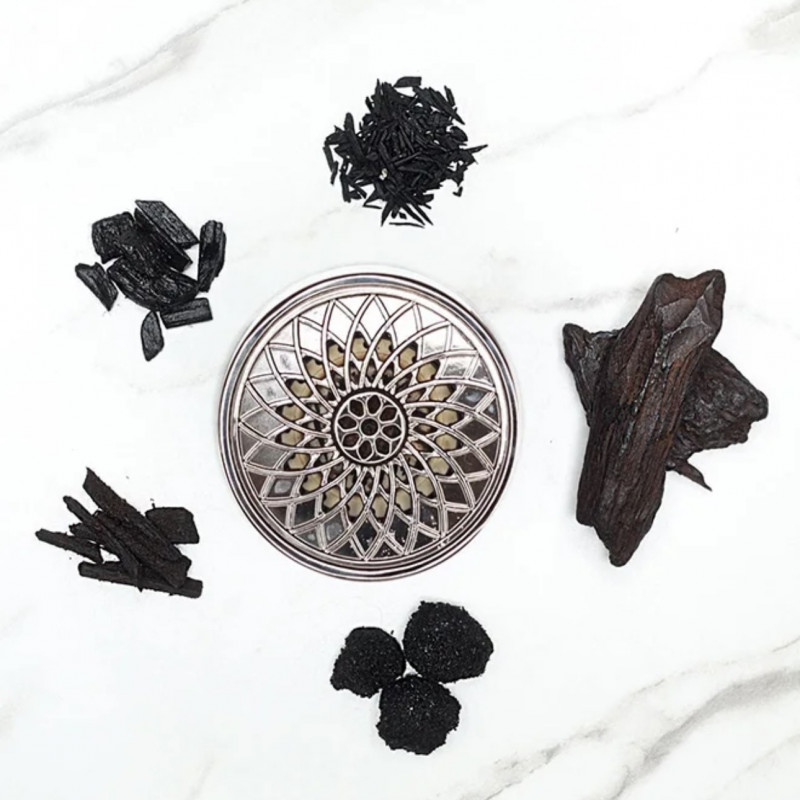
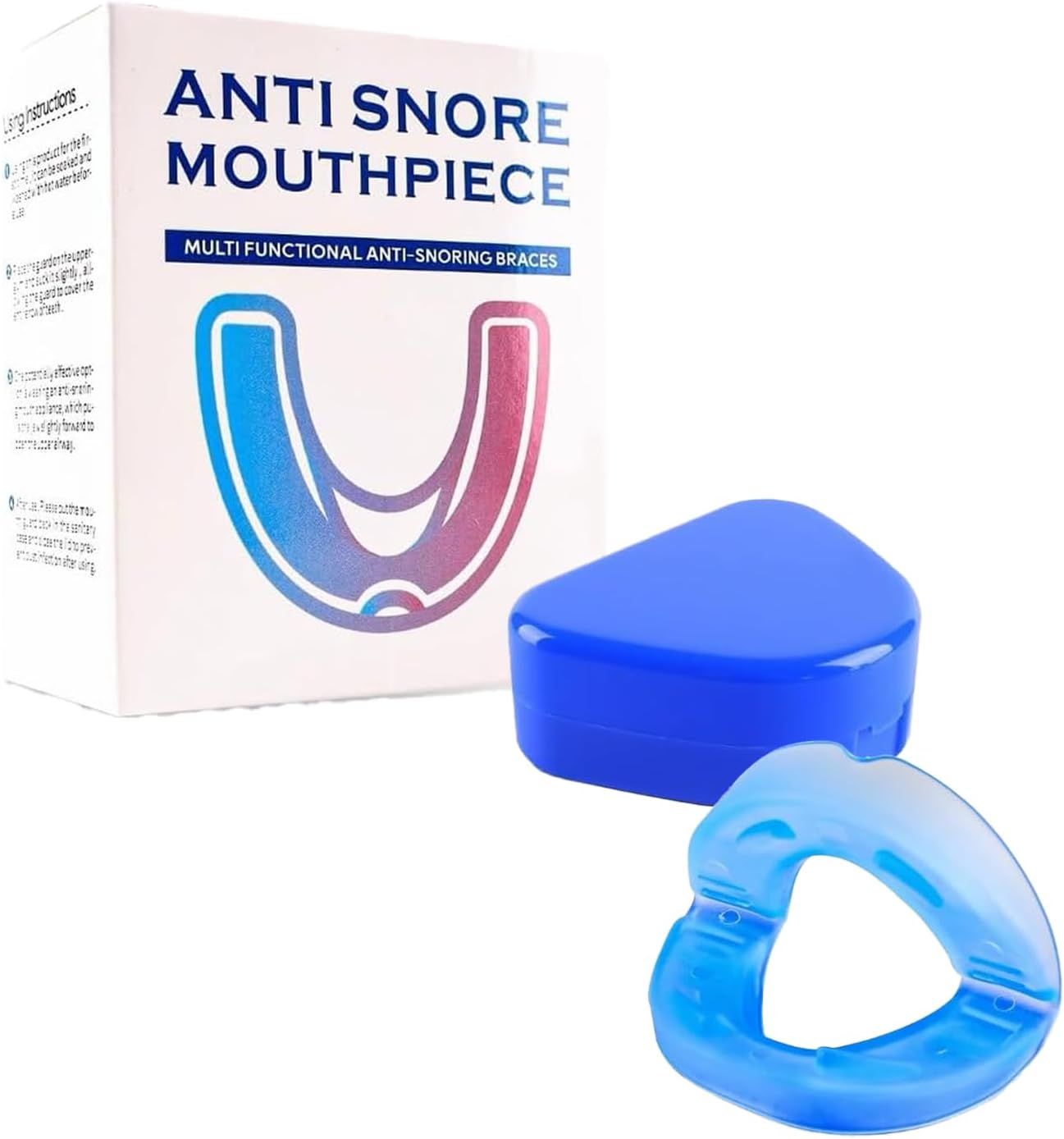
Three more items from the same range that pair well with a home grooming routine:

Frequently asked questions about the electric epilator
How long do results last?
Most people go two to four weeks between sessions, though hair cycles differ and not every follicle is active at once. Expect a few stragglers in the first week or two; that is normal and does not mean the device failed.
Does it hurt less over time?
For most users, yes. Skin adapts, hair regrows finer, and technique improves. If an electric epilator still hurts sharply after several sessions, check that the head is clean, the plates are undamaged and you are holding the skin taut.
Can I use it on my face?
Only with a device or attachment specifically intended for facial use. Facial skin is thinner and reacts more strongly, and a body head is too aggressive. When in doubt, ask a dermatologist rather than experiment.
Wet or dry — which is better?
Dry epilation grips more reliably. Wet use, where the device is rated for it, is more comfortable because warm water relaxes the skin. Never take a device into the shower unless the manufacturer clearly says it is designed for that.
What length should the hair be?
Roughly three to five millimetres. Too short and the plates cannot grip; too long and the pull is harder and hairs snap. If regrowth has run long, trim first and epilate the next day.
How do I prevent ingrown hairs?
Exfoliate gently between sessions, moisturise daily, and avoid tight clothing right after a session. Those three habits do more than any single product, and they matter more with an electric epilator than with shaving because the follicle is emptied completely.
A final word
Root removal is a routine, not a one-off purchase. Give yourself three sessions before judging the tool, keep the head clean, and be honest about which areas you actually want to treat. For a neutral technical overview of the device category, the Wikipedia article on epilators explains the mechanism without any sales angle.
If you want to try one, the Electric Women Epilator is listed for shoppers across Saudi Arabia, and the wider range is in the Makeup section. Whichever electric epilator you pick, start slow, keep the skin taut, and let your skin set the pace.



Add comment