A scalp massaging brush is a small tool that fixes a surprisingly common problem: most people wash their hair thoroughly and their scalp barely at all. Fingertips slide over the surface, nails risk scratching, and product residue builds up at the roots week after week.
This guide explains what a scalp massaging brush actually does, how to choose between bristle types, how to use one in the shower without turning your hair into a knot, how to fit it into a weekly routine, and how to keep it hygienic. The WLD Store pick for Saudi Arabia is described in full below.
What a scalp massaging brush is for
The scalp is skin, and like all skin it sheds cells, produces oil and collects whatever you put on it. Shampoo is designed to lift that away, but it only works where it reaches. Rubbing shampoo through the lengths of your hair does very little for the skin underneath.
A scalp massaging brush spreads the load across dozens of soft bristles, so shampoo is worked down to the skin evenly rather than concentrated wherever your fingers happen to press. That is the practical, unglamorous reason these tools have become popular.
The second reason is comfort. Scalp massage is genuinely relaxing, and a few minutes with a scalp massaging brush at the end of a long day is a small ritual that costs nothing. Massage increases blood flow to the area being massaged, which is part of why it feels good.
The third reason is that fingernails are the enemy of a healthy scalp. Scratching to relieve an itch damages the skin barrier and can make irritation worse. Soft bristles let you apply firm, satisfying pressure without a sharp edge anywhere near your skin.
Who benefits most
People who use a lot of styling product benefit immediately, because gels, creams, oils and dry shampoo all accumulate at the roots where they are hardest to rinse out. A scalp massaging brush is the most efficient way to break that build-up down.
Anyone with thick or long hair benefits for a different reason. Getting shampoo through a dense head of hair to the skin is genuinely hard by hand, and a brush with long enough bristles reaches through the bulk rather than sitting on top of it.
Those who wash frequently because of heat, dust or exercise get value from the massage side as much as the cleaning. In a hot climate like Saudi Arabia’s, frequent washing is normal, and a gentler, more effective wash is worth having.
People with an oily scalp and dry ends often find a scalp massaging brush helps them target the two areas differently: focused cleaning at the roots, and a gentler rinse through the lengths.
What to look for in a scalp massaging brush
They all look broadly similar, and there are real differences underneath. Four things matter.

Bristle material and softness
Silicone is the standard for a good reason: it is soft enough to be comfortable, firm enough to give feedback, non-porous so it does not harbour moisture, and easy to rinse clean. A silicone scalp massaging brush is also fine to use in the shower, which plastic-bristled hairbrushes are not.
Softness is a personal preference. Very soft bristles feel pleasant but do less work on a product-heavy scalp; firmer ones clean better but can be uncomfortable if you have a sensitive or irritated scalp. Most people are happiest somewhere in the middle.
Bristle length and spacing
Length should be matched to your hair. Short bristles are fine on fine or short hair and simply cannot reach the skin through thick hair. Widely spaced longer bristles part dense hair and reach the scalp, which is what you need.
Spacing also affects tangling. Tightly packed bristles catch long hair; well-spaced ones pass through it. If you have long hair, this is the specification to check first on any scalp massaging brush.
Shape and grip
The handle of a scalp massaging brush matters more than it looks. In the shower, with wet hands and shampoo everywhere, a smooth oval body can slip. Look for a shape you can hold securely, or a strap, and something you can control with one hand while the other holds hair out of the way.
Size should suit your hand rather than your head. A brush too large to control precisely ends up being pushed around rather than worked into specific areas.
Wet and dry versatility
A brush that works dry as well as wet is more useful, because it can be used for a scalp massage on a day you are not washing your hair. Not every design is comfortable dry, so it is worth confirming a scalp massaging brush is intended for both.
The WLD Store pick: Scalp Massaging Brush
These are the details WLD Store publishes for this product:
- Product: Scalp Massaging Brush, a hair growth shampoo brush
- Brand: WLD
- Categories: Beauty & Personal Care, Hair Care
- Described as: a professional brush with soft silicone bristles, intended to stimulate blood circulation to the follicles and to be used with shampoo
- Suitable for: all hair types, wet and dry use
- SKU: WLD-KSA-0133-(KD-194)
- Availability: available across Saudi Arabia through secure checkout
The wet and dry point is the one worth underlining, because it doubles the number of days a scalp massaging brush is useful. Full images and current options are on the Scalp Massaging Brush product page.
How to use one in the shower
- Wet the hair thoroughly first. Thirty seconds longer than feels necessary. Shampoo lathers and spreads far better on properly saturated hair, and the brush glides instead of dragging.
- Apply shampoo to the scalp, not the lengths. A few small amounts spread around the head beats one large blob in the middle.
- Work in small circles. Start at the hairline and move back in sections, keeping the scalp massaging brush flat against the skin rather than dragging the bristle tips.
- Use light pressure. The bristles do the work. Pressing hard achieves nothing except discomfort and, over time, irritation.
- Spend two to three minutes. That is longer than most people spend and it is where the benefit is. Treat it as a pause rather than a task.
- Rinse for as long as you washed. Residue left at the roots undoes the whole exercise.
Avoid brushing long hair vertically down its length while it is full of lather, since that is what creates tangles. Keep the movement circular and confined to the scalp.
Using it dry
A dry scalp massage is a different activity from washing and worth doing on its own. Two or three minutes with a scalp massaging brush on dry hair is a good way to relax at the end of the day, and it does not disturb a style the way washing does.
Dry use also helps distribute natural oils from the roots along the hair shaft, which is what traditional brushing was always for. Move slowly and use less pressure than you would when wet, since there is no lather to reduce friction.
If you use scalp oils or serums, a dry massage after application spreads the product more evenly than fingers do. Wait a moment for it to absorb before brushing so you are moving oil rather than pushing it into one spot.
Building it into a weekly routine
With a scalp massaging brush, consistency matters more than intensity. Two or three sessions a week is plenty for most people, and daily use is fine if you wash daily and keep the pressure light.
Pair it with your existing wash days rather than adding a new task. A scalp massaging brush used during a shampoo you were doing anyway costs you two extra minutes, which is a habit that survives a busy week.
If you use a clarifying shampoo occasionally to remove build-up, that is the session where a brush earns the most. The two work well together, and once a month is enough for most people.
Give any routine six to eight weeks before judging it. Hair and skin respond slowly, and a fair assessment needs more than a few sessions.
Brush, fingers or an electric massager
There are three common ways to clean and massage a scalp, and they are not interchangeable. Knowing what each is good at makes the choice straightforward.
Fingertips cost nothing and are always available, which is a real advantage. The problems are reach and control: it is hard to apply even pressure across a whole head, easy to slip into using nails, and difficult to get shampoo down to the skin through thick hair. For short hair and light product use, fingers are genuinely fine.
A manual scalp massaging brush adds reach, evenness and a much lower risk of scratching. It is the option that improves the wash itself rather than adding a separate step, it needs no charging, it survives being dropped on a wet floor, and it costs a fraction of anything powered. For most people this is the sensible middle.
Electric scalp massagers vibrate or rotate and are aimed squarely at relaxation. They are pleasant, and some people find them easier on the hands and wrists. Against that, they need charging, they are bulkier, they are more expensive, and anything with a motor is one more thing that can fail in a wet bathroom.
There is also a fourth option people forget: a scalp scrub or exfoliant. These are consumables that chemically or physically loosen build-up, and they work well alongside a brush rather than instead of one. Using a scalp massaging brush to distribute a scrub evenly gets more out of both.
If you are choosing one thing, a manual brush is the most useful per unit of money and the easiest to keep clean. Add a scrub monthly if you use a lot of product, and consider a powered massager only if relaxation rather than cleaning is the goal.
Care and hygiene
After every use: rinse under running water and shake it out. Shampoo residue left between bristles goes sticky and attracts everything else.
Weekly: wash with a little soap and warm water, working between the bristles with your fingers, then rinse thoroughly.
Drying: store it bristles-down or on its side so water drains away instead of pooling in the base. A permanently damp brush in a closed bathroom is exactly the environment mould likes.
Storage: keep it out of the direct spray of the shower. Constant wetting between uses means it never fully dries.
Sharing: do not. A scalp massaging brush is a personal item in the same way a toothbrush is, and each user should have their own.
Replacement: replace it when bristles split, bend permanently or the base discolours. Silicone lasts a long time but it is not permanent.
Common problems and quick fixes
- Hair tangles around the bristles. You are moving it along the length of the hair rather than in circles on the scalp. Keep to small circular movements and section long hair first.
- The scalp feels sore afterwards. Too much pressure or too long a session. Lighten the touch and cut the time in half; the bristles are doing more than you think.
- It slips out of wet hands. Apply shampoo to the hair before picking the brush up, rather than squeezing shampoo over the brush itself.
- It smells musty. It is not drying between uses. Wash it with soap, dry it thoroughly, and store it somewhere with air movement instead of on the shower floor.
Hot climates, hard water and dust
In a hot, dusty climate, hair is washed more often and scalps are exposed to more airborne grit. That makes gentle, effective cleaning more valuable, and it makes over-washing with aggressive products a genuine risk.
Frequent washing dries the scalp, so the aim is a thorough clean with less product rather than more shampoo. Using a scalp massaging brush usually means you need less shampoo to get the same result, because it distributes what you use far better.
Hard water leaves mineral residue on both hair and scalp. If your water is hard, a periodic clarifying wash with the brush helps more than daily scrubbing does.
Air conditioning dries the air indoors, which dries skin, including the skin on your head. If your scalp feels tight, reduce wash frequency slightly before assuming you need more products.
What it will not do
It is worth being clear about expectations. A scalp massaging brush is a cleaning and massage tool. It is not a treatment for hair loss, dandruff, psoriasis or any medical condition of the scalp.
If you have persistent itching, flaking, redness, sores or noticeable hair loss, that deserves a proper opinion from a doctor or a dermatologist rather than a new brush. Massage may feel good alongside treatment, but it is not a substitute for one.
Equally, if your scalp is currently irritated, broken or sunburnt, leave the brush aside until it has healed. Massaging inflamed skin makes it worse.
Buying checklist
- Are the bristles long enough to reach your scalp through your hair thickness?
- Is the material silicone or another non-porous, easily rinsed surface?
- Can you hold it securely with wet, soapy hands?
- Is it suitable for both wet and dry use, so it earns its place on non-wash days?
- Will it dry properly where you plan to keep it?
Those five questions are enough. Bristle length against hair thickness is the one that decides whether a scalp massaging brush feels effective or pointless.
Other Beauty and Personal Care picks at WLD Store
Three more from the WLD Store range in Saudi Arabia:
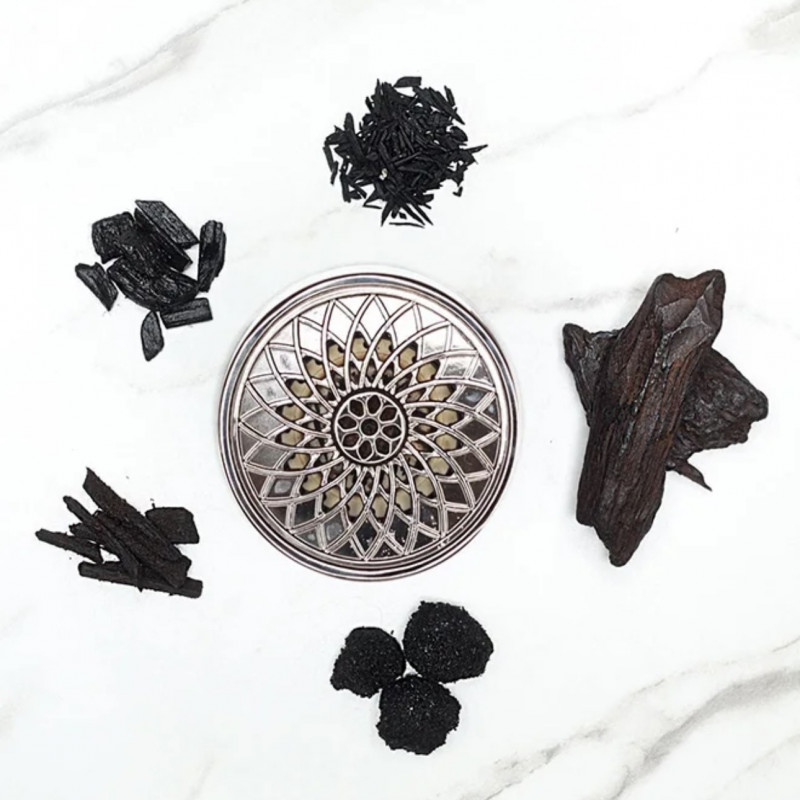
Smart Electric Bakhoor Burner — an electric bakhoor burner, for the fragrance side of a home routine.
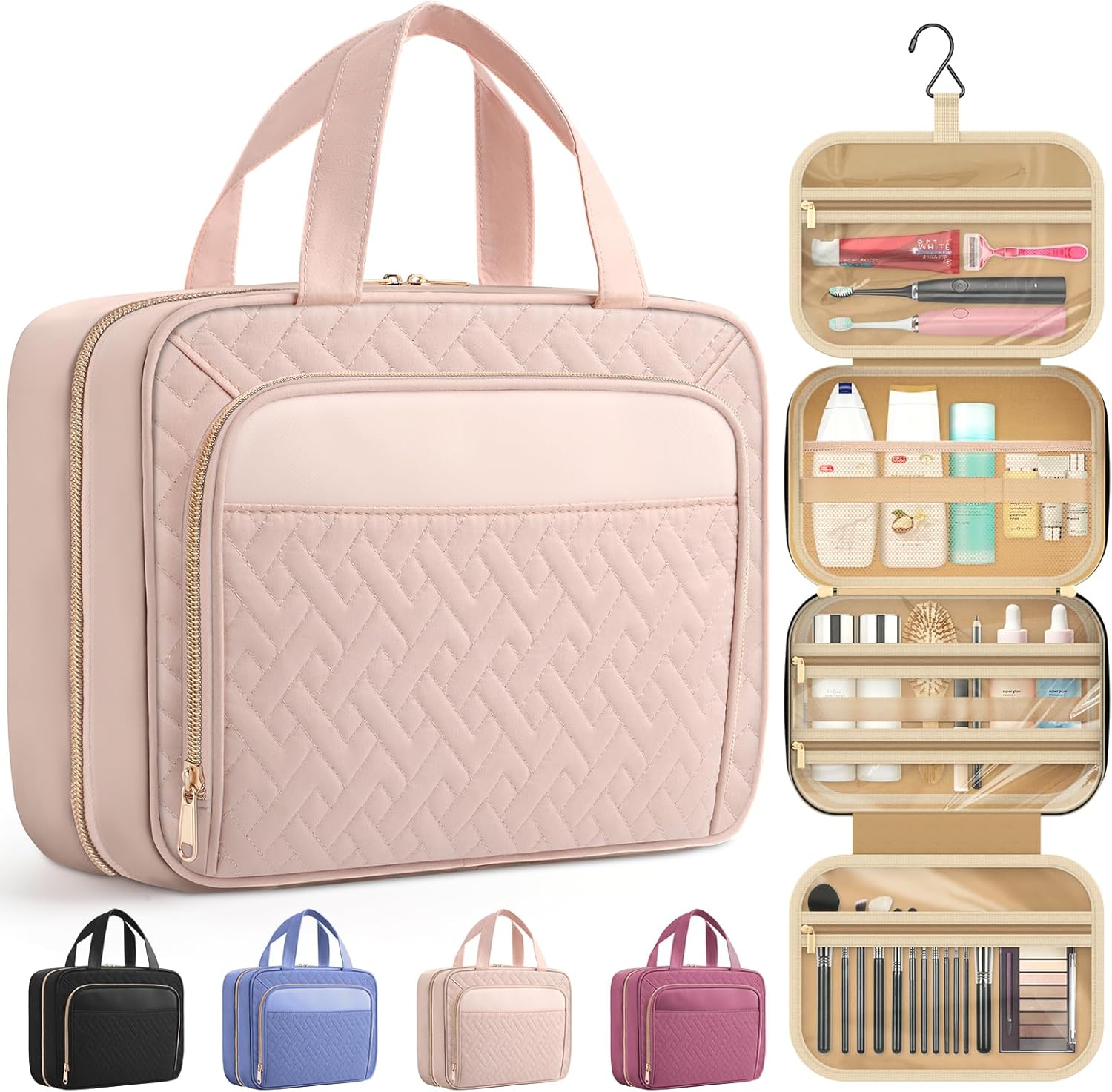
Large Travel Cosmetic Bag — a roomy cosmetic bag, and the obvious place for a brush to live when you travel.
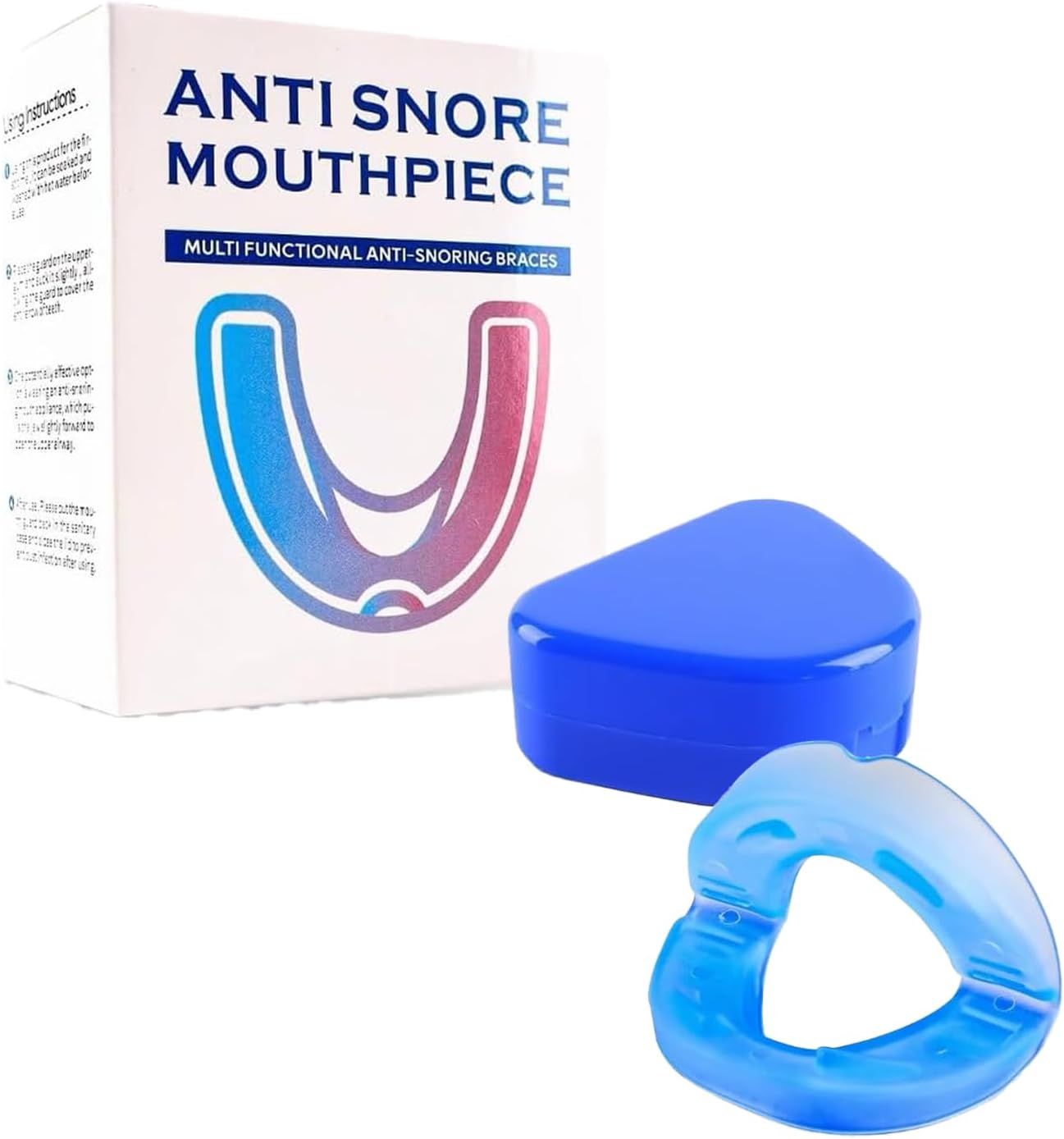
Anti-Snore Mouthpiece — from the personal care range, for anyone whose evening routine has a different problem to solve.
Everything else is at the WLD Store shop.
Frequently asked questions about a scalp massaging brush
How often should I use a scalp massaging brush?
Two or three times a week suits most people, and daily is fine if you wash daily and keep the pressure light. Consistency over weeks matters much more than doing long, hard sessions occasionally.
Is it safe for coloured or treated hair?
Yes, because the brush works on the scalp rather than the lengths. Keep the movement circular and confined to the skin, and avoid dragging it down through the hair, which is what causes mechanical damage.
Can I use a scalp massaging brush on dry hair?
If the design allows it, yes, and it is a useful way to spread natural oils and relax without washing. Use lighter pressure than you would in the shower, since there is no lather reducing friction.
Will it help with dandruff?
It can help remove loose flakes and distribute a medicated shampoo more evenly, but it is not a treatment. Persistent flaking should be looked at by a doctor or pharmacist rather than managed with a brush alone.
Does it work on short hair?
Very well, because there is nothing between the bristles and the skin. Short-haired users often prefer slightly softer bristles, since contact is more direct.
How do I keep it clean?
Rinse after every use, wash weekly with soap and warm water, and store it where it can dry fully. Any scalp massaging brush kept permanently wet will eventually smell, and that is a storage problem rather than a product fault.
The short version
Match bristle length to your hair thickness, keep the movements circular and light, spend two or three minutes rather than thirty seconds, and let it dry properly between uses. Treat it as a better way to wash rather than as a treatment, and expectations stay realistic.
The WLD Store option described above is the Scalp Massaging Brush, a soft silicone brush for wet and dry use, available across Saudi Arabia through secure checkout. Browse the rest in the Hair Care section. For background on the skin you are actually washing, the English Wikipedia article on the scalp is a clear overview.


Add comment