A makeup remover balm solves a problem that water was never going to solve. Foundation, mascara and sunscreen are built to survive heat, sweat and a long day, and the same chemistry that keeps them in place all evening makes them stubborn at the bathroom sink.
This guide explains why oil-based cleansing works, how a balm compares with cleansing oil, micellar water and wipes, what separates a good makeup remover balm from a greasy one, the technique that actually removes long-wear products, how to handle eye makeup safely, and six questions answered for shoppers in Saudi Arabia.
Why oil-based cleansing works
The principle is old and simple: like dissolves like. Most makeup, sunscreen and the sebum your skin produces are oil-based, and oil-based cleansers dissolve them far more effectively than water and foam can.
A foaming cleanser relies on surfactants to lift oil away. That works, but it takes scrubbing and repeated passes on heavy makeup, and the friction is what leaves skin pink and irritated.
A makeup remover balm approaches it differently. The solid balm melts on contact with skin, the oils bind to the makeup, and the whole mixture lifts off together with almost no rubbing.
That is the real advantage: less mechanical force. Skin around the eyes is thin and easily stretched, and a method that dissolves rather than scrubs is gentler on it night after night. The general cleanser category is described on the Wikipedia page for cleansers.
Balm, oil, micellar water or wipes
All four remove makeup, and they are not equally good at it or equally kind to skin.
A makeup remover balm is solid in the jar and turns to oil on the skin. It is the least likely to drip, the easiest to travel with, and it gives you the most control over where the product goes.
A cleansing oil does the same chemical work but stays liquid. It is quicker to spread over a whole face, and it is also messier and more prone to leaking in a bag.
Micellar water is water with tiny cleansing molecules suspended in it. It is convenient and it genuinely works on light makeup, but it struggles with waterproof formulas and water-resistant sunscreen.
Wipes are the weakest option. They drag makeup across the skin rather than dissolving it, they leave residue behind, and the friction is exactly what a makeup remover balm avoids. They are a travel compromise, not a routine.
What makes a good makeup remover balm
Every makeup remover balm looks identical in photographs. Five things determine whether one becomes the product you finish and repurchase.
How readily it melts
A balm that stays waxy under fingertips will not spread properly, and one that is already liquid in the jar has lost the advantage of being a balm at all.
The right consistency softens within a few seconds of contact with warm skin. In a Saudi summer, a formula that turns to soup in a warm bathroom is worth thinking about before you buy.
Whether it emulsifies
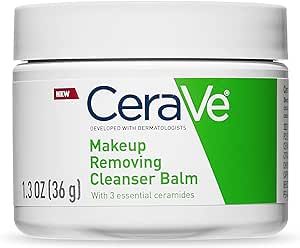
This is the single most important technical property and the one most people have never heard of. An emulsifying balm turns milky when you add water, so it rinses away cleanly.
A non-emulsifying makeup remover balm needs a cloth to remove it, and if you rinse it with water alone you are left with a film. Neither approach is wrong, but you should know which you have bought.
Fragrance and sensitivity
Anything used around the eyes deserves a cautious approach to fragrance and essential oils. These are the most common causes of stinging and watering eyes during cleansing.
Patch test on the inner forearm for a couple of days before committing to a full face, particularly if your eyes are easily irritated or you wear contact lenses.
Hygiene and how you get it out of the jar
Fingers in an open jar transfer bacteria into a product that has no water in it and therefore usually has little preservative. A spatula is a genuinely useful inclusion.
If a makeup remover balm comes without one, a small clean scoop kept beside the jar does the same job and costs almost nothing.
A size you will realistically finish
Balms have a period after opening like any cosmetic, and oils oxidise over time. A very large jar that takes eighteen months to use up is a false economy.
Match the size to how often you actually wear makeup rather than to how much you would like to.
The WLD Store pick: Makeup Remover Balm
WLD Store lists this product for shoppers in Saudi Arabia. Everything below is taken from the listing itself, with nothing invented.
- Product: Makeup Remover Balm, a cleansing balm
- Category: Beauty and Personal Care, filed under Makeup
- Brand: WLD
- SKU: WLD-KSA-0047-(KD-KD0164)
- Texture: described as a balm that transforms into a silky oil on contact
- Stated purpose: presented as dissolving foundation, mascara and sunscreen in one gentle sweep
- Stated finish: listed as leaving skin clean, soft and hydrated without irritation
- Market: available across Saudi Arabia
Photographs, options and current stock status are on the Makeup Remover Balm product page. Anything beyond the points above is not claimed by the listing, and no cleanser replaces professional advice for a diagnosed skin condition.
How to use a makeup remover balm
Technique matters here more than with almost any other cleanser, and the first two steps are the ones people get wrong.
- Start with dry hands and a dry face. Water on either dilutes the balm and stops it binding to makeup.
- Scoop a small amount, roughly the size of a large pea, with a spatula or clean fingertips.
- Warm it between your palms for a few seconds until it turns to oil.
- Massage over the whole face in slow circles for thirty to sixty seconds. Give mascara and long-wear lipstick extra time rather than extra pressure.
- Add a little warm water and keep massaging. An emulsifying makeup remover balm turns milky at this point, which is the signal it is ready to rinse.
- Rinse thoroughly with lukewarm water, or wipe away with a soft damp cloth if the formula does not emulsify.
If skin feels slippery afterwards, you rinsed too early rather than used too much. Another thirty seconds of water usually settles it.
Double cleansing, explained plainly
Double cleansing sounds like an invented step to sell a second product. It is not, and the reason is straightforward.
The first cleanse, with a makeup remover balm, dissolves everything oil-based: makeup, sunscreen and the day’s sebum. The second, with a gentle water-based cleanser, removes sweat, dust and anything the balm left behind.
You do not need it every night. On a day with no makeup and no sunscreen, one gentle cleanse is enough, and over-cleansing does more harm than the step it replaces.
On a day with full makeup and sunscreen, it is worth the extra minute. Sunscreen in particular is designed to resist water and sweat, and a single water-based wash rarely shifts all of it.
Removing eye makeup without damage
The skin around the eyes is the thinnest on the face, and it is where careless removal shows first.
Warm a small amount of makeup remover balm between fingertips and press it gently onto closed eyelids and lashes. Hold for ten seconds before moving at all.
Waterproof mascara needs patience rather than force. Let the oil sit and work, then sweep downward along the lashes rather than scrubbing side to side.
Keep the product out of the eye itself where you can, and rinse well. Oil-based cleansers can leave a temporary film that blurs vision briefly, which is harmless but unpleasant.
Contact lens wearers should remove lenses before cleansing, every time, without exception.
Using a makeup remover balm on sunscreen
In this climate, most people wear sunscreen daily, and sunscreen is the thing a makeup remover balm is most useful for.
Modern water-resistant filters are engineered to survive sweat and swimming. That is exactly what makes them hard to remove with a face wash alone, and why they benefit from an oil-based first cleanse.
Long-wear and transfer-proof foundations behave the same way. Give them a longer massage rather than a harder one, and let the balm do the work.
Residue left behind is not harmless. It mixes with sweat and sebum overnight and is a common contributor to congestion along the jaw and hairline.
Care and storage of a makeup remover balm
A balm is more sensitive to its environment than most people assume.
Store a makeup remover balm somewhere cool, out of direct sun and away from a hot windowsill. Heat softens the texture permanently and can separate the formula.
Keep water out of the jar. Balms typically contain no water, so introducing some is the fastest route to spoilage.
Use a spatula rather than fingers whenever you can, and rinse the spatula regularly. It takes seconds and meaningfully extends the life of the product.
Close the lid firmly after every use. Oils oxidise on contact with air, and an oxidised balm smells faintly stale before it looks any different.
Check the period-after-opening symbol on the packaging and be honest about when you opened it.
Common makeup remover balm problems and fixes
- A greasy film after rinsing. Either the formula does not emulsify, or you rinsed too soon. Add water and massage longer, or follow with a gentle water-based cleanser.
- Stinging eyes. Usually fragrance or product getting into the eye. Use less around the lash line and consider a fragrance-free option.
- Breakouts after starting. Often incomplete rinsing rather than the balm itself. Add a second cleanse and see whether it settles over two weeks.
- The balm has gone hard or grainy. Temperature swings have altered the texture. It is usually still usable, but warm a smaller amount for longer between the fingers.
Who a makeup remover balm is not for
If you wear no makeup and no sunscreen, you do not need one. A gentle cleanser is enough, and buying a balm to remove nothing is buying an extra step.
Anyone with very reactive skin should introduce it carefully, since the massage stage means prolonged contact with the face. Patch test first.
It is also not a treatment product. A makeup remover balm cleanses; it does not target pigmentation, acne or fine lines, whatever the surrounding packaging suggests.
Those who dislike the feel of oil on skin may simply prefer micellar water for light makeup days, and that is a perfectly reasonable choice.
Travelling with a balm
A solid balm is the format most suited to a suitcase, which is worth knowing before a trip.
There is nothing to spill, and because it contains no water it generally sits outside the liquid restrictions that apply to cleansing oils and micellar waters in hand luggage. Rules vary, so check your airline.
Decant a small amount into a clean travel pot rather than carrying a full jar. Less weight, less risk, and less to lose if it goes missing.
Keep it out of a hot car and out of direct sun at the destination. A makeup remover balm that has melted and resolidified is usable but never quite the same texture again.
Cloth or rinse: choosing your removal method
There are two ways to finish a balm cleanse, and people are often surprised that the choice is theirs rather than the product’s.
Rinsing works when the formula emulsifies. Add water, massage until the mixture turns milky, then rinse with lukewarm water until skin no longer feels slippery. It is the simplest route and the kindest to sensitive faces.
A cloth works for any balm, emulsifying or not. Wet a soft flannel or muslin with warm water, wring it out, and press it over the face for a few seconds before wiping gently in one direction.
The cloth route removes more thoroughly, and it comes with a hygiene obligation. A damp cloth used twice is a bacterial culture, so use a fresh one every night and wash them hot.
Whichever you choose, avoid hot water. It feels efficient and it strips the barrier, undoing the gentleness that made you buy a makeup remover balm in the first place.
How to tell you have removed everything
Most people who think their cleansing routine is working have never actually checked, and the check takes ten seconds.
Sweep a white cotton pad or a clean tissue over the face after your routine. Traces of foundation, mascara or sunscreen mean something was left behind, and it is usually along the jaw, the hairline and beside the nose.
Those three areas are where residue collects, because they are the places fingers move over quickly. Slow down there rather than adding more product.
Your pillowcase is the other honest witness. Marks in the morning mean the previous night’s makeup remover balm routine finished too early.
Skin that feels comfortable rather than squeaky is the target. Squeaky is not clean; it is a barrier that has just been stripped, and it usually means the second cleanse was too harsh.
How long one jar should last
A pea-sized scoop each night is far less product than most people first use, and it is worth calibrating early so you can judge value honestly.
At that rate, a small jar generally covers a couple of months of daily makeup removal, and longer if you only wear makeup a few days a week. Anyone finishing a jar in three weeks is almost certainly scooping too much rather than removing more.
If you wear lash extensions, check with your technician before using any oil-based cleanser near the lash line. Some adhesives are weakened by oils, and a makeup remover balm used carelessly can shorten how long a set lasts.
Buying checklist
- Does it emulsify with water, or does it need a cloth to remove?
- Is it fragrance-free, and does that matter for your eyes and skin?
- Does the jar include a spatula, or will you be using fingers?
- Is the texture likely to hold up in a warm bathroom through summer?
- Is the size one you will finish comfortably within its period after opening?
Other picks at WLD Store
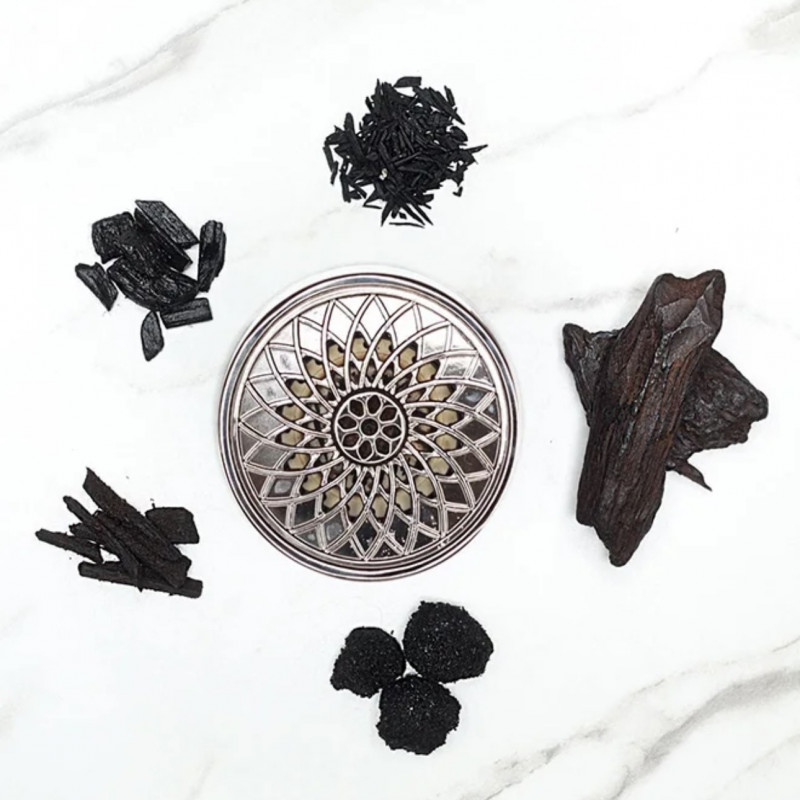
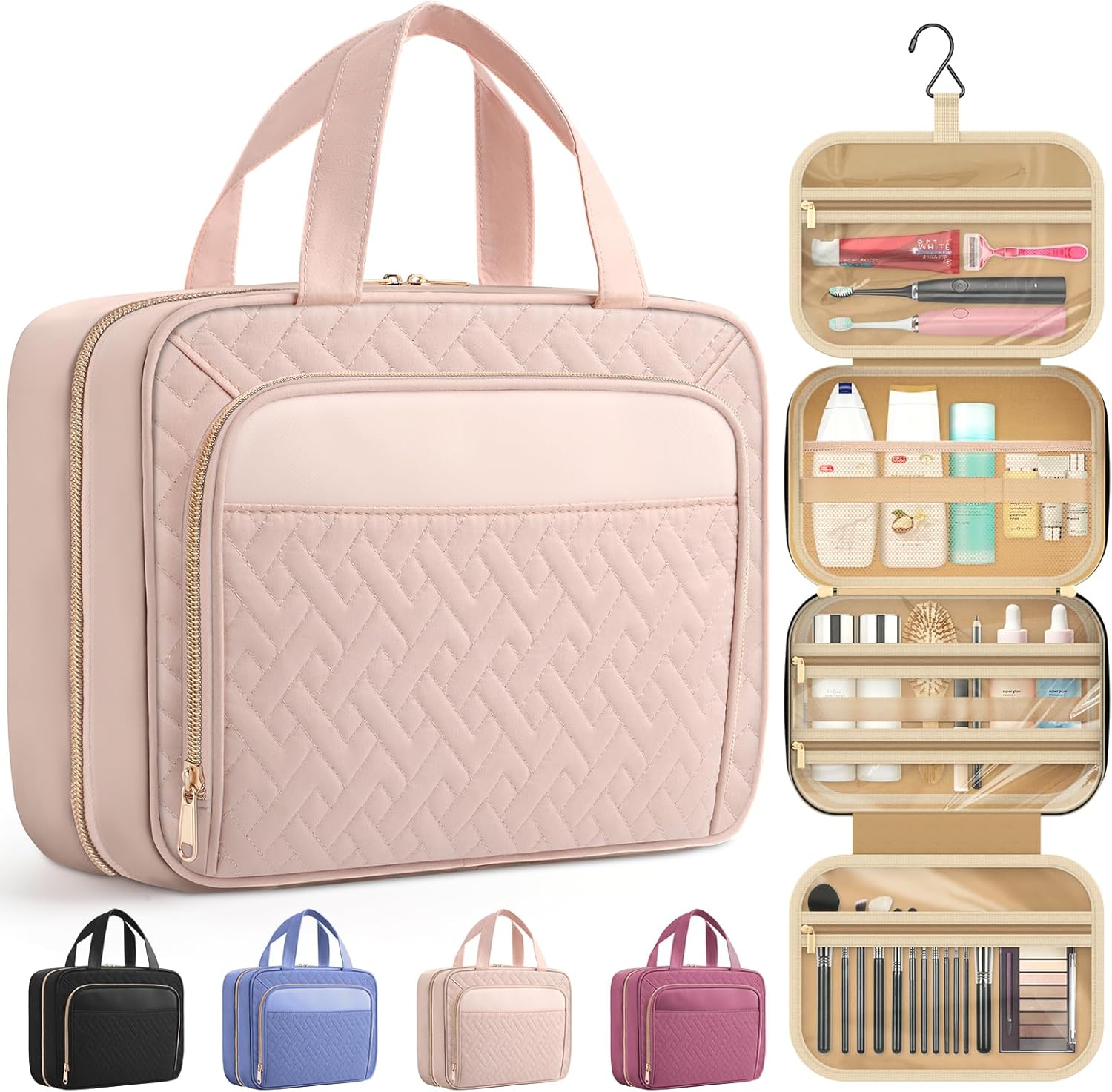
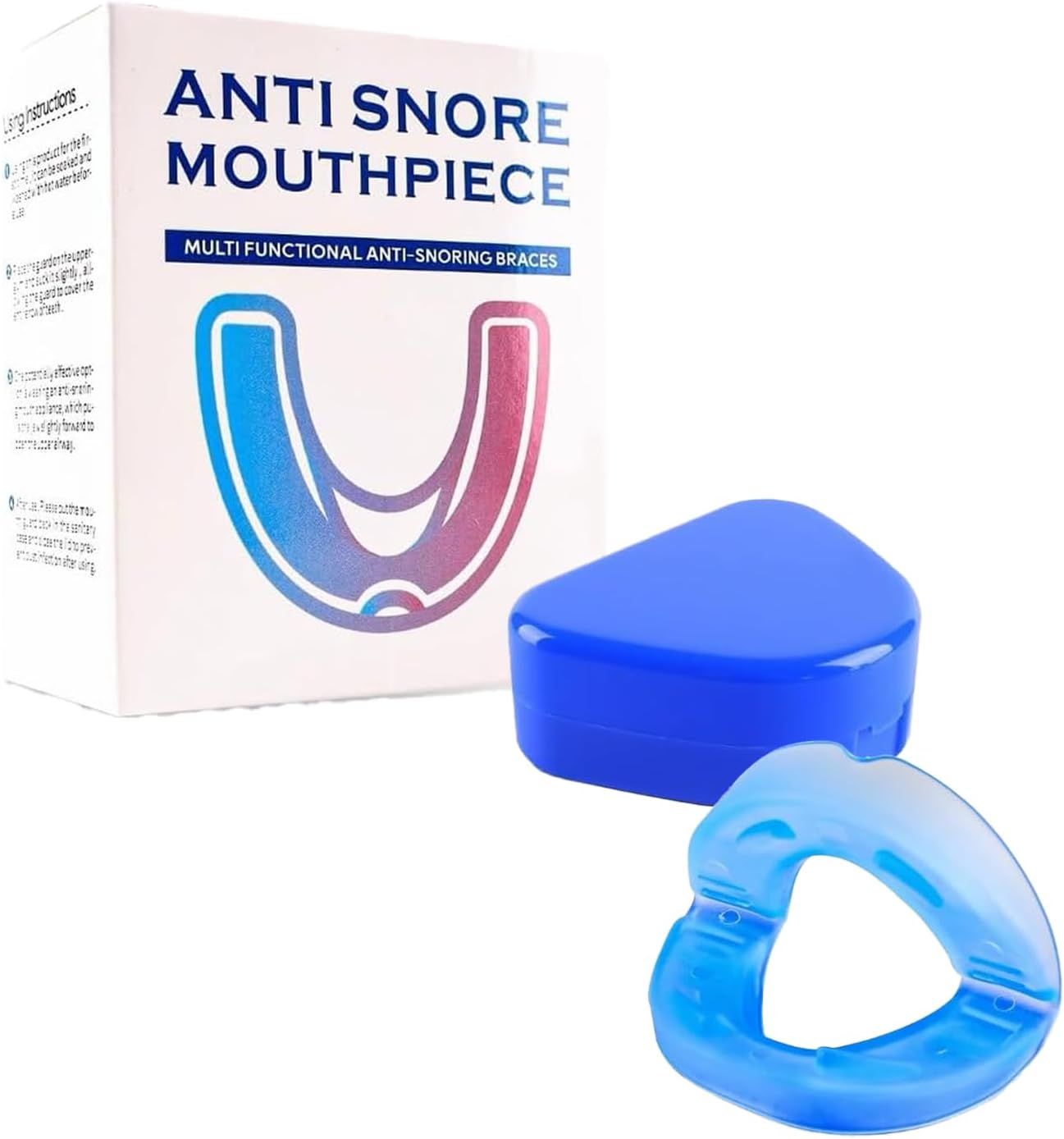
These three listings sit nearby in the WLD Store catalogue if you are browsing more widely.
Frequently asked questions about the makeup remover balm
Will a makeup remover balm clog my pores?
Properly rinsed, it should not. Most congestion blamed on balms comes from residue left behind, which is why the emulsifying and rinsing steps matter more than the ingredients list.
Do I still need a second cleanser?
On days with makeup or sunscreen, yes. A makeup remover balm handles the oil-based layer, and a gentle water-based cleanser clears the rest. On bare-skin days, one cleanse is plenty.
Can I use it on waterproof mascara?
Yes, and it is one of the best tools for the job. Press and hold rather than rubbing, give the oil ten to twenty seconds to work, then sweep downward along the lashes.
Is it suitable for oily skin?
Generally yes. Dissolving oil with oil is more effective and less stripping than repeated foaming washes, which can push oily skin to produce more. Rinse thoroughly and follow with a light cleanser.
How much should I use?
About a large pea for a full face. More product does not remove more makeup; a longer massage does, and using too much simply makes rinsing harder.
Can men use a makeup remover balm?
Certainly. Anyone who wears daily sunscreen benefits from an oil-based first cleanse, makeup or not, and sunscreen is the harder thing to remove of the two.
A makeup remover balm turns the end of the day from a scrub into a short, gentle routine, and skin that is not being rubbed every night looks calmer within weeks. Choose one that emulsifies, use it on dry skin, and rinse for longer than feels necessary. You can review the current listing on the product page or browse the wider beauty range in the Makeup section.



Add comment