An antioxidant face serum is one of the few skincare steps with a clear, simple job: it sits under sunscreen and moisturiser and works against the daily damage that sun, heat and pollution do to skin.
This guide explains what this category is actually for, the ingredients you will see on labels and what each is generally understood to do, how to fit a serum into a routine without overloading your skin, and how to store one so it does not lose potency. There is a patch-testing section, a troubleshooting list, a buying checklist and six questions answered for readers in Saudi Arabia.
What an antioxidant face serum is for
An antioxidant face serum is one of five rough groups a skincare shelf falls into. Cleansers remove, moisturisers hydrate, sunscreens block, and treatment products try to change something.
An antioxidant face serum belongs to a fifth group: protection from the inside of the routine outward. It does not exfoliate, it does not resurface, and it is not meant to produce a visible change overnight.
Its job is preventive. That makes it unglamorous, because prevention never gives you a dramatic before-and-after photo, and it also makes it one of the steps dermatologists most often describe as worth keeping.
The honest framing is this: an antioxidant face serum is a long game. Judged over a week, it does very little you can see. Judged over years, alongside daily sun protection, it is part of a sensible routine.
Free radicals and oxidative stress in plain language
The vocabulary on an antioxidant face serum label puts a lot of people off, and it is simpler than it sounds.
Normal chemistry inside and on the skin produces unstable molecules. Sunlight, pollution and ordinary metabolism all increase how many are produced, and an unstable molecule will grab what it needs from whatever is nearby.
When that happens repeatedly to the proteins and lipids in skin, the accumulated effect is what is usually called oxidative stress. Antioxidants are molecules that can neutralise the unstable ones before they do that, and the general chemistry is set out on the antioxidant reference page.
That is the whole theory behind the category. An antioxidant face serum delivers those molecules to the skin in a form it can absorb, in a concentration that is meant to be useful.
What makes a good antioxidant face serum
Four things separate an antioxidant face serum worth repurchasing from an expensive bottle of water.
A short, legible ingredient list
The active ingredient should be near the top of the list rather than buried at the bottom after the fragrance. A long list is not automatically bad, but a short one is easier to judge and easier to blame when something goes wrong.
Fragrance is worth noticing. It is not harmful for most people, and it is one of the more common causes of irritation for those with sensitive skin.
Packaging that protects the formula
This matters more with antioxidants than with almost any other category, because the same reactivity that makes them useful also makes many of them unstable in light and air.
An opaque or dark bottle with a pump or a dropper that seals well is a better sign than a clear jar. An antioxidant face serum in a wide open pot is exposed to air every single day.
A texture you will actually use
The best formula in the world does nothing in a cupboard. In a hot climate, a light fluid that absorbs quickly gets used daily; a heavy, tacky one gets abandoned by the third week.
Sensible claims
Treat any product promising to erase, reverse or transform with caution. A trustworthy antioxidant face serum describes what it contains and lets you decide, rather than promising an outcome no topical product can guarantee.
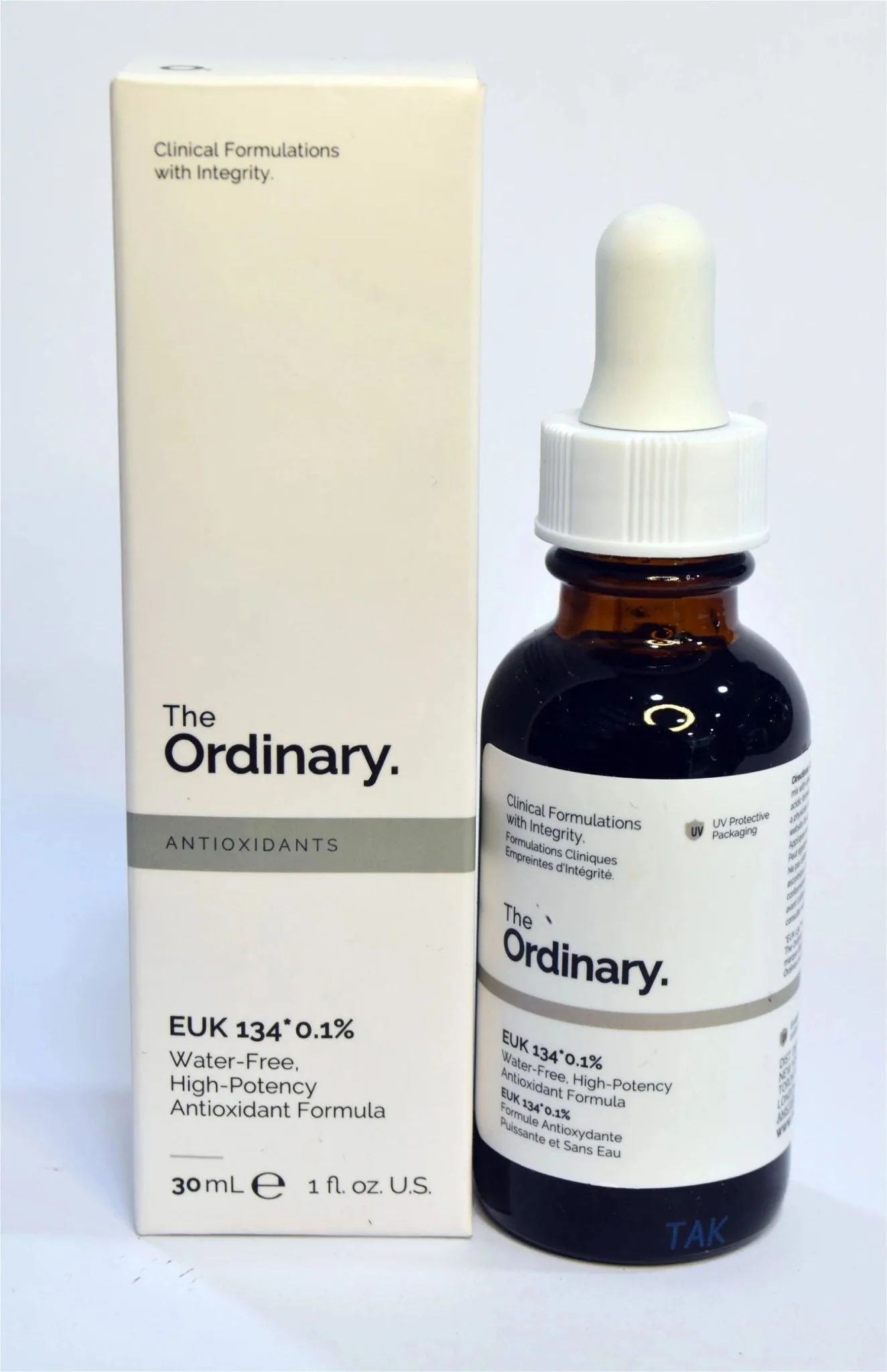
The WLD Store pick: EUK 134 Antioxidant Serum
WLD Store lists the EUK 134 Antioxidant Serum in its Beauty & Personal Care and Skin Care range. Here is what the listing states:
- Product: EUK 134 Antioxidant Serum
- Brand: WLD
- Category: Beauty & Personal Care — Skin Care
- Described as: a self-regenerating antioxidant formula
- Claimed action: the listing states it neutralises free radicals and reduces oxidative stress
- Texture: described as lightweight and fast-absorbing for daily use
- Context: the listing highlights it for sun-intensive climates
- Availability: available across Saudi Arabia with secure checkout
- SKU: WLD-KSA-0066-(KD-KD0167)
The full ingredient list, images and current availability are on the EUK 134 Antioxidant Serum product page. As with any new skincare product, read the label and patch test before regular use.
Ingredients you will see on the label
Antioxidants are a family rather than a single substance, and the ones used in an antioxidant face serum behave differently from each other.
Vitamin C
The most recognised name in the category. It is effective and notoriously unstable, which is why vitamin C products are usually in dark bottles and why they can turn orange over time. That colour change is a signal the formula has oxidised.
Vitamin E
Oil soluble, gentler, and frequently paired with vitamin C because the two are often described as working better together than either does alone. It also contributes to the emollient feel of a formula.
Ferulic acid
Usually a supporting player rather than the star. It appears alongside vitamins C and E in many formulations, where it is described as helping to stabilise them.
Niacinamide and others
Niacinamide, green tea extract, resveratrol and similar ingredients appear across the category. If your antioxidant face serum contains several, that is normal; blends are the rule rather than the exception.
Where it fits in a routine
Order matters for an antioxidant face serum, and the rule is simple: thinnest to thickest, with sunscreen always last in the morning.
- Cleanse. Start with clean, dry skin. Applying a serum over the day’s sunscreen and sweat achieves very little.
- Apply the serum. A few drops is plenty for the whole face. More product does not mean more benefit, and an antioxidant face serum applied too generously simply sits on the surface.
- Wait a moment. Give it thirty seconds to absorb before the next step so the layers do not pill against each other.
- Moisturise. Even oily skin in a hot climate usually benefits from something light.
- Sunscreen, every morning. This is the step that does the most work of all, and the serum is meant to complement it rather than replace it.
Patch testing and starting slowly
Every new antioxidant face serum deserves a short trial before it goes on the whole face, and this takes almost no effort.
Apply a small amount to the inner forearm or just behind the jaw for two or three days running. If nothing happens, move to the face.
Introduce one product at a time. If an antioxidant face serum, a new cleanser and a new moisturiser all arrive on the same day, a reaction tells you nothing about which one caused it.
Start every other morning rather than daily. Skin adapts, and a slower introduction gives you time to notice a mild reaction before it becomes an uncomfortable one.
Anyone with a diagnosed skin condition, or who is pregnant or breastfeeding, should ask a doctor or dermatologist before adding any active product to a routine.
Sunscreen is the essential partner
There is no version of this routine where the serum matters more than sun protection, and it is worth being blunt about that.
Sunscreen reduces how much ultraviolet radiation reaches the skin in the first place. An antioxidant face serum is generally described as working on what gets through anyway, which makes it a second line rather than a first.
In this region that matters more than in most. Sun exposure is high for much of the year, and a serum used without daily sunscreen is doing the smaller half of the job on its own.
The practical habit is to treat them as a pair. Serum after cleansing, sunscreen as the last morning step, every day the sun is up — including days spent mostly indoors near windows.
Storage and shelf life
The actives in an antioxidant face serum are reactive by design, so how a bottle is stored genuinely affects how long it stays useful.
Keep it out of direct sunlight. A bathroom windowsill is the worst possible place for an antioxidant face serum, and a closed drawer or cabinet is the best.
Heat is the other enemy. A bathroom that reaches high temperatures every afternoon shortens the life of most formulas, and some people keep serums in a cool room instead.
Close the bottle properly and avoid decanting into another container. Every transfer introduces air, and air is what degrades this category fastest.
Watch for changes. A noticeable shift in colour or smell usually means the formula has oxidised, and an oxidised antioxidant face serum should be replaced rather than used up.
Common problems and quick fixes
- The serum pills under sunscreen. Too much product, or not enough drying time. Use fewer drops and wait a full minute between layers.
- Stinging on application. Stop and rinse. Reintroduce every third day, or on damp rather than dry skin, and stop entirely if it continues.
- The liquid has changed colour. Usually oxidation from light, heat or air. Store it darker and cooler, and replace it if the change is pronounced.
- No visible difference after two weeks. Expected. This category is preventive, and two weeks is far too short a window to judge it.
Serum, moisturiser and sunscreen do different jobs
These three are often confused, and buying the wrong one for the job you have in mind is a common and expensive mistake.
A moisturiser adds and holds water in the outer layer of skin. It makes skin feel comfortable and look plumper, and that is a real benefit rather than a small one.
A sunscreen reduces ultraviolet exposure. Nothing else in a routine does this, which is why it is the one product almost every dermatologist insists on.
An antioxidant face serum does neither of those things. It delivers active ingredients in a light base, and it is designed to sit between the two rather than replace either.
Who should skip it
Anyone who is not yet using sunscreen daily should spend their money there first. Adding an antioxidant face serum to a routine with no sun protection is building the roof before the walls.
People with very reactive skin, or an active flare of eczema, rosacea or dermatitis, should speak to a dermatologist before adding any new active, however gentle it is described as being.
Anyone wanting a visible change in a fortnight will be disappointed. That is not what this category does, and a product that promises it is overselling.
Building a minimal routine
It is easy to end up with eight products and no idea which one is doing anything. A short routine is easier to judge and easier to keep.
Four steps cover most needs: a gentle cleanser, an antioxidant face serum, a light moisturiser and a sunscreen. Everything beyond that is addressing a specific concern rather than a general one.
Keep the same routine for at least eight weeks before changing anything. Skin turnover is slow, and constant swapping makes it impossible to attribute a change to any single product.
Write down what you started and when. It sounds excessive, and it is the only reliable way to know what worked when you look back in six months.
Morning or evening
Most people apply this category in the morning, and there is a straightforward logic to it.
Daytime is when sun and pollution exposure happens, so a protective step applied in the morning is in place while the exposure occurs. That is the standard recommendation for an antioxidant face serum.
Evening use is not wrong, and some people prefer it because their morning routine is already crowded. Consistency matters more than timing.
What is worth avoiding is applying several strong actives in the same session. Layering an antioxidant face serum with a strong exfoliating acid on the same evening is a common route to irritation.
Using it under makeup
Anyone who wears foundation or a tinted sunscreen quickly discovers that layering order and timing decide whether makeup sits well or rolls off.
Give each layer time. An antioxidant face serum needs a minute to absorb before moisturiser, and moisturiser needs another before sunscreen. Rushing produces the small rolled flakes people call pilling.
Use less than feels right. A thin, even layer absorbs; a generous one stays on the surface and becomes the slippery base that makes foundation separate by midday.
If pilling persists, look at the products either side rather than blaming the serum. Silicone-heavy primers and thick sunscreens are the usual culprits, and swapping one of them usually fixes it.
Travel, heat and the car
Skincare travels badly in this climate, and a bottle left in a car is the fastest way to waste one.
Interior temperatures in a parked car in summer go far beyond anything a formula is designed for. An antioxidant face serum left on a dashboard for an afternoon should be treated as spoiled rather than merely warm.
For travel, keep the bottle in the middle of a bag rather than an outside pocket, and out of checked luggage in a hold that may be very cold or very warm.
Decanting into a small travel bottle is tempting and not ideal for this category, because every transfer introduces air. A small original-size bottle is a better travel solution than a decant.
Buying checklist
- Is the active near the top of the ingredient list? Position gives a rough sense of concentration.
- Is the packaging opaque and well sealed? Light and air degrade this category quickly.
- Is the texture right for your climate? A heavy serum in high heat rarely gets used twice.
- Does it contain fragrance? Fine for most, worth avoiding if your skin is reactive.
- Are the claims measured rather than magical? Sensible wording is a good sign about the rest of the formula.
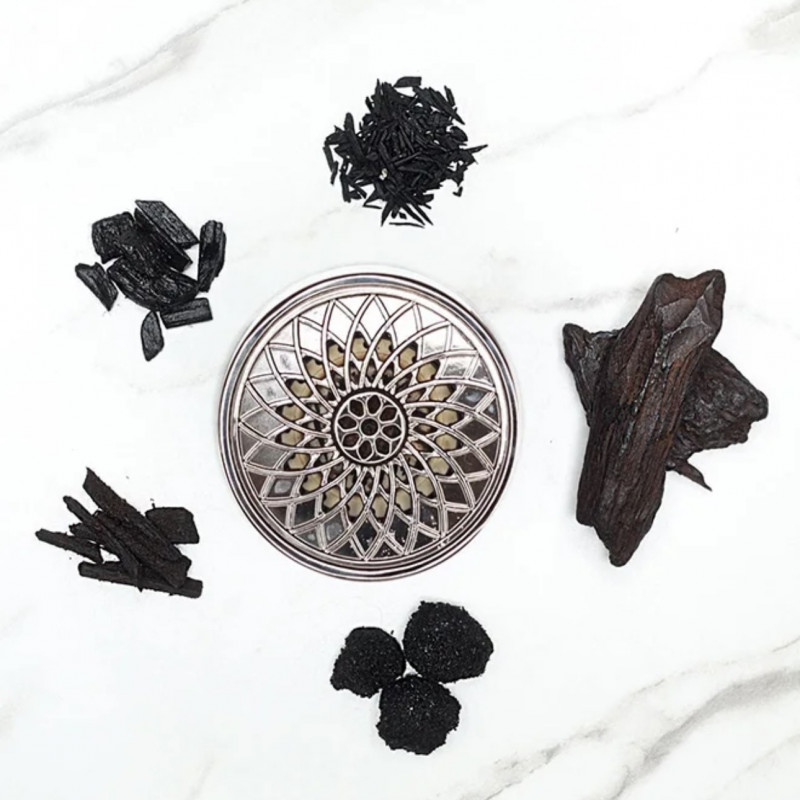
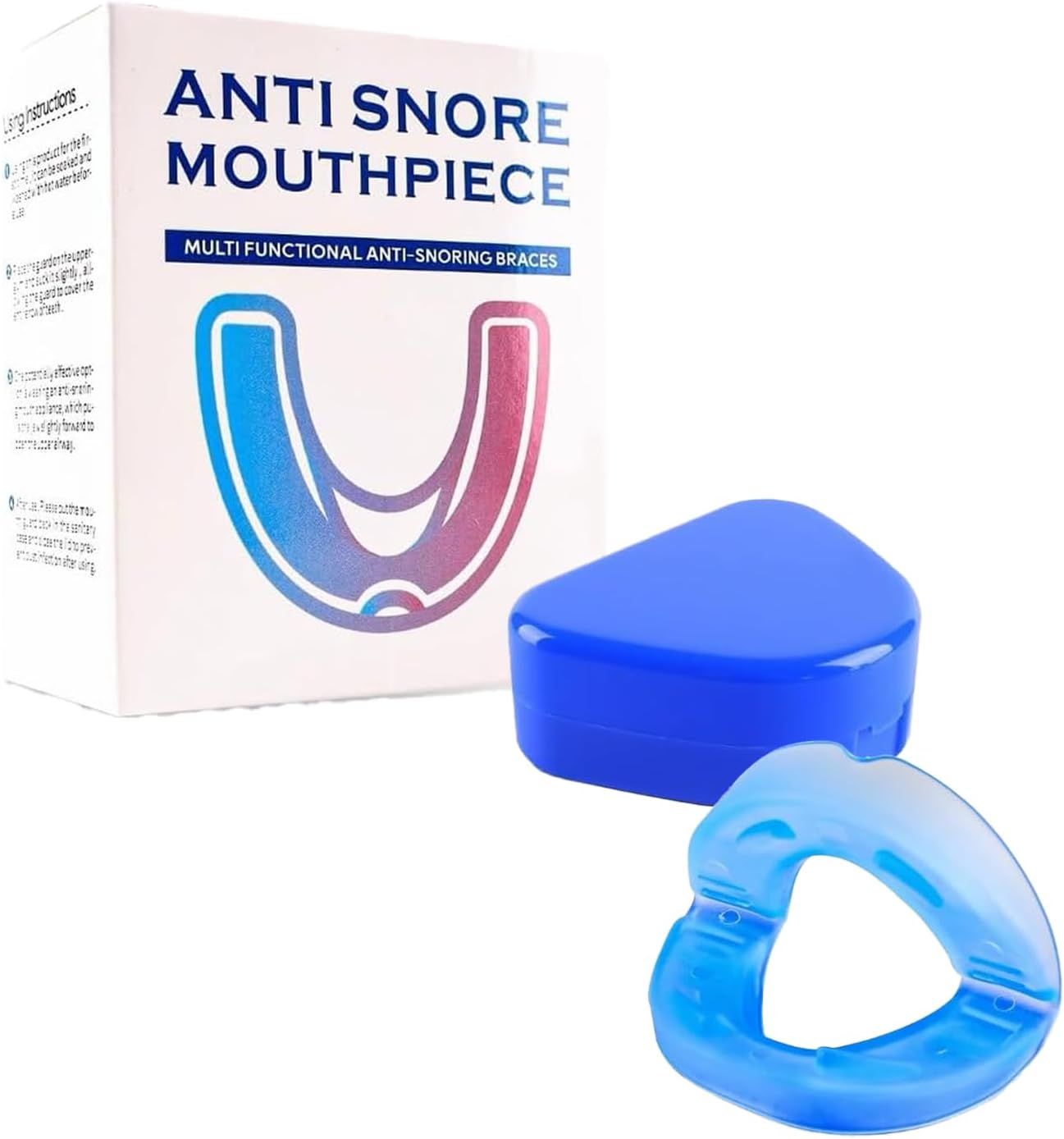
Other beauty and personal care picks at WLD Store
These related listings sit nearby in the Beauty & Personal Care range.

Frequently asked questions about an antioxidant face serum
How long before an antioxidant face serum shows results?
This is a preventive step rather than a corrective one, so there is rarely a dramatic visible change. Judge it over months alongside daily sunscreen, not over a fortnight.
Can I use it with retinol or exfoliating acids?
Many people do, usually by separating them — one in the morning, the other at night. Layering several strong actives at once is the most common cause of irritation, so introduce them one at a time.
Morning or night?
Morning is the usual choice, because that is when sun and pollution exposure happens. Evening use is not wrong, and a routine you actually keep beats a theoretically better one you abandon.
Does it replace sunscreen?
No, and nothing does. Sunscreen reduces the ultraviolet reaching your skin; an antioxidant face serum is described as working on what gets through anyway. They are partners, not alternatives.
How much should I use?
A few drops covers a whole face. Applying more does not increase the benefit; it increases how much sits on the surface, pills under sunscreen and gets wasted.
Why has my serum changed colour?
Most likely oxidation from light, heat or repeated air exposure. Store an antioxidant face serum somewhere dark and cool, keep it tightly closed, and replace it if the colour or smell has clearly shifted.
Used consistently and paired with daily sun protection, an antioxidant face serum is a quiet, sensible part of a routine rather than a miracle step. You can view the current listing on the EUK 134 Antioxidant Serum page or browse more skincare in the Skin Care section, with secure checkout and availability across Saudi Arabia.





Add comment