A facial steamer is the piece of equipment that turns a routine into something closer to a treatment, and it is also the one most likely to be used incorrectly. Too close, too long, or too often, and warm steam stops being helpful. This guide explains what a facial steamer genuinely does to skin, how to use one without burning yourself, how often to steam for different skin types, why the water you use matters, and how to keep the device clean. It also covers one model listed by WLD Store for shoppers in Saudi Arabia.
What a facial steamer actually does
Let us clear up the most repeated claim first. Pores are not doors and they do not open and close. What warm steam does is soften the sebum and dead skin sitting in the pore opening, and hydrate the outermost layer of skin so it becomes temporarily more pliable.
That softening is genuinely useful. It makes cleansing more effective, makes extraction gentler if it is done properly, and helps products spread more evenly onto skin that is warm and damp rather than dry and tight.
Steam also increases surface hydration for a while. That is why skin often looks plumper immediately after a session, and why the effect fades if you do not seal it in with a moisturiser within a few minutes.
What a facial steamer does not do is deep-clean pores by itself, shrink them permanently, or treat acne. Those are marketing promises rather than outcomes, and a device that warms water cannot deliver them. Used sensibly, it is a pleasant and helpful step, not a cure.
What makes a good facial steamer
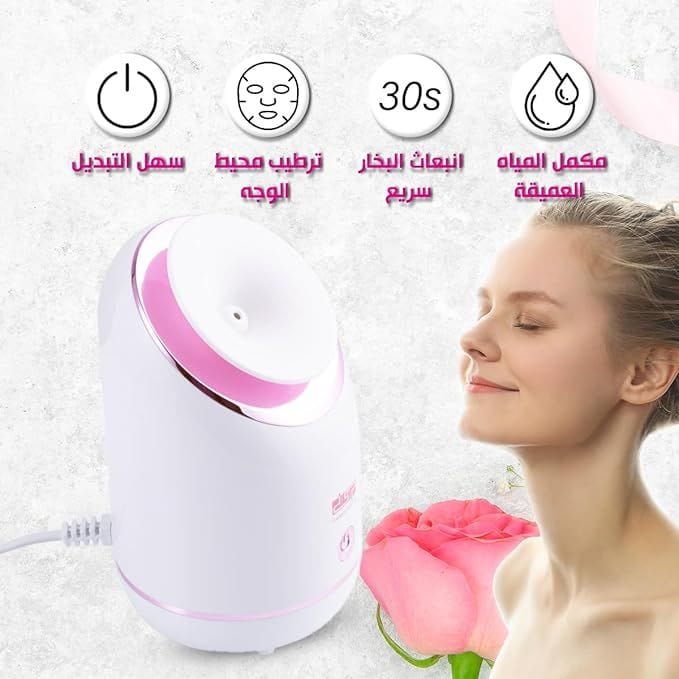
Devices in this category look similar and behave quite differently. A few practical details separate the ones people keep using from the ones that end up in a cupboard.
Steam quality and consistency
What you want is a steady, fine, evenly distributed plume rather than intermittent bursts or spitting. Spitting means hot water droplets, and hot water droplets on the face are how people get burned. A good facial steamer produces steam that feels warm and soft at a sensible distance.
Some products describe their output as nano-ionic, meaning the water is heated and the particles are described as finer. Whether that produces a measurably different result on skin is debatable, but a fine, consistent plume is comfortable regardless of what it is called.
Tank size and run time
Match the tank to the session length you actually want. Eight to ten minutes is plenty for most skin, so an enormous tank mainly means longer boiling and more descaling. Check how long the device runs on a full tank and whether it shuts off when empty.
Distance, angle and height
The nozzle needs to sit at a comfortable distance from your face without you craning forward. Adjustable angle is genuinely useful, because the alternative is holding an awkward position for ten minutes. A facial steamer that forces you to lean into it will not be used often.
Safety features
Automatic shut-off when the water runs out is the most important one. A stable base matters too — a device full of hot water sitting on a narrow shelf is an accident waiting to happen. Look for a lid that cannot be opened easily while the unit is hot.
Noise and size
A quiet device gets used in the evening without disturbing anyone, and a compact one can live on a shelf rather than being unpacked each time. Both factors matter more for long-term use than any feature on the box.
The WLD Store pick: Hydrating Moisturizing Facial Steamer
WLD Store lists a Hydrating Moisturizing Facial Steamer for customers in Saudi Arabia. These are the details from the listing, with nothing added:
- Product: Hydrating Moisturizing Facial Steamer
- Category: Beauty & Personal Care — Skin Care
- Brand: WLD
- SKU: WLD-KSA-0010-(KD-KD0157)
- Described technology: the listing describes nano-ionic steam
- Described effects: the listing says it opens pores, boosts hydration and promotes a healthy complexion
- Design: the listing describes the unit as compact and quiet for daily use
- Market: available across Saudi Arabia through secure checkout
Details and images are on the product page: Hydrating Moisturizing Facial Steamer at WLD Store. Phrases such as “opens pores deeply” are the manufacturer’s wording; as explained above, steam softens what is in the pore rather than opening anything. Follow the supplied instructions for water type, run time and cleaning.
How to use a facial steamer safely
- Cleanse first. Steaming over makeup or sunscreen drives product against warm skin instead of helping remove it.
- Fill only to the marked line. Overfilling is the usual cause of spitting hot water.
- Set it on a flat, stable surface. Never on a towel, a bed, or a narrow ledge above where you sit.
- Keep a sensible distance. Around twenty to thirty centimetres is typical. If it feels hot rather than warm, move back.
- Limit the session. Eight to ten minutes is enough. Longer does not improve results and can leave skin irritated.
- Close your eyes and breathe normally. Do not put your face directly over the nozzle.
- Pat dry and moisturise immediately. The hydration a facial steamer adds evaporates quickly if nothing seals it in.
- Unplug and empty it afterwards. Never leave water standing in the tank between sessions.
Treat this as a device that produces boiling water and hot vapour, because that is exactly what it is. Keep it away from children and pets entirely, and never move it while it is running.
Building a routine around steaming
The order that works for most people is simple: cleanse, steam, treat, moisturise. Steaming in the middle means skin is clean when it warms, and receptive when you apply whatever comes next.
A gentle exfoliation after steaming is more effective than before, because softened dead skin lifts more easily. Keep it gentle, though — warm skin is more vulnerable, and scrubbing hard undoes the benefit.
Masks pair well with a facial steamer. A clay mask applied after steaming spreads more evenly, and a hydrating mask locks in the moisture the steam just added. Follow the mask’s own timing rather than extending it.
Finish with moisturiser while skin is still slightly damp, and add sunscreen if you steam in the morning. Warm, freshly exfoliated skin is not the moment to skip sun protection.
How often should you steam?
Oily and resilient skin generally tolerates a session once or twice a week. Normal and combination skin usually does well with once a week. Dry or sensitive skin often does better with once every two weeks, or not at all.
Frequency is where most people go wrong with a facial steamer. Daily steaming is too much for almost everyone and tends to leave skin red, tight and more reactive rather than glowing.
Season matters too. In a hot, humid period skin is already dealing with moisture and heat, so a lighter schedule is sensible. In dry, air-conditioned months, a weekly session can be genuinely soothing.
Watch your own skin rather than a schedule. Persistent redness for hours afterwards, increased sensitivity or new flaking all mean you are steaming too often or too long.
Water, scale and why it matters
Use the water type the manufacturer specifies, which for most units means distilled or purified water. Tap water contains minerals that build up as scale inside the tank and on the heating element.
Scale is not cosmetic. It reduces heating efficiency, changes how the device produces steam, and eventually causes spitting or failure. A facial steamer that has never been descaled will feel weaker long before it stops working.
Descale on the schedule in the manual, using the method it recommends. Do not improvise with strong household chemicals in a device that produces vapour you will breathe.
Empty the tank after every single session and leave the lid off until it is dry. Standing water in a warm plastic tank is exactly the environment you do not want near your face.
Care and maintenance
Wipe the exterior and the nozzle when the unit is completely cool and unplugged. A soft cloth is enough; abrasive cleaners scratch plastic and leave residue that later warms up.
Check the cable and plug periodically, as with any appliance that heats water. Any sign of damage means stop using it rather than working around it.
Store it dry, assembled and upright, with the lid loose so air circulates. If your facial steamer came with a measuring cup or nozzle cover, keep them together with the unit so nothing improvised gets used instead.
Keep the vents and any air intake clear of dust. Restricted airflow makes any heating appliance work harder than it should.
Common problems and quick fixes
- It spits hot water. Usually overfilling or scale build-up. Reduce the fill level and descale before the next session.
- Weak or intermittent steam. Almost always scale, or the wrong water type. Descale and switch to distilled water.
- Skin looks red for hours afterwards. Too close, too long or too often. Increase the distance, halve the time, and reduce frequency.
- A stale smell from the tank. Water was left standing. Empty after every use and dry the tank with the lid open.
Who should avoid a facial steamer
People with rosacea or persistent facial flushing are usually advised against heat treatments, because warmth can worsen redness. If that describes you, ask a dermatologist before buying one.
Active eczema, dermatitis, open or broken skin, sunburn and recent cosmetic procedures are all reasons to wait or to skip steaming entirely. Heat on compromised skin is not a gentle option.
Severe or inflammatory acne needs medical treatment rather than steam, and squeezing warmed skin can worsen scarring. A facial steamer is not an acne treatment and should not be used as one.
If you have asthma or another respiratory condition, or you are pregnant, ask a healthcare professional first. Inhaling warm vapour affects people differently, and never add essential oils or any other substance to the tank unless the manufacturer explicitly allows it.
Compared with the alternatives
A bowl of hot water and a towel is the traditional method and costs nothing. It is also less controlled: the water is hottest at the start, the temperature drops through the session, and scalding risk is higher because your face is directly over an open bowl.
A warm, damp towel pressed to the face is gentler still and takes seconds. For softening skin before cleansing it is often enough, and it suits sensitive skin better than any device.
A room humidifier raises ambient moisture over hours rather than delivering a concentrated session. The two do different jobs, and a humidifier is the better buy if dry indoor air is your actual complaint.
A professional facial includes assessment, proper extraction technique and products chosen for your skin. A home facial steamer supports the routine between appointments; it does not replace that expertise.
Setting up your steaming space
Choose the surface before you choose the schedule. You want something flat, heat-tolerant and at roughly chest height when you are seated, with a socket close enough that the cable does not cross a walkway. A dining table with a chair usually beats a bathroom counter.
Sit rather than stand. A ten-minute session standing over a facial steamer is uncomfortable enough that most people cut it short or, worse, lean in closer to finish faster. A chair at the right height solves both problems.
Tie hair back and take off glasses and jewellery. Metal warms in steam, hair sticks to damp skin, and both are small irritations that make a session feel longer than it is.
Have everything you need within reach before switching on: a clean towel, your moisturiser, and a mask if you plan to use one. Getting up mid-session to fetch a product means either leaving the device running unattended or cooling down and starting again.
What to expect in the first month
The first session is usually the most impressive one, simply because the contrast with dry skin is greatest. Skin looks plumper and feels softer for a few hours. That is surface hydration doing its work rather than any lasting change.
By the second or third session, you will have found your comfortable distance and time. Most people discover they were sitting slightly too close at first, which is the single most common adjustment new owners of a facial steamer make.
Across the first month the real benefit shows up indirectly. Cleansing feels more thorough, masks apply more smoothly, and moisturiser absorbs better. Congestion may look a little less pronounced, though that varies a great deal between people.
If, after a month, skin is more reactive rather than calmer, cut back sharply or stop. A facial steamer suits many routines and not all of them, and there is no benefit in pushing through irritation to keep a habit.
Keep a simple record for the first four weeks: date, minutes, distance and how skin felt the next morning. Four lines a week is enough to work out the right rhythm for you rather than following a generic schedule.
Buying checklist
Five questions before you order a facial steamer:
- Does it shut off automatically when the tank runs dry?
- Is the nozzle adjustable enough to use without leaning awkwardly?
- What water does the manufacturer require, and can I supply it easily?
- How is it descaled, and how often?
- Is the base stable enough for where I plan to put it?
Other beauty picks at WLD Store
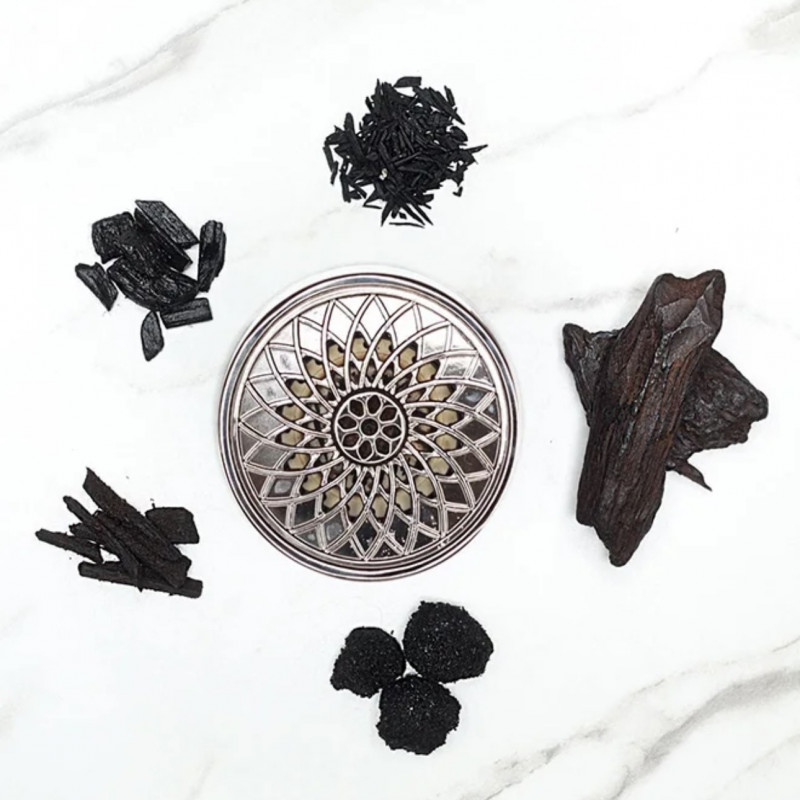
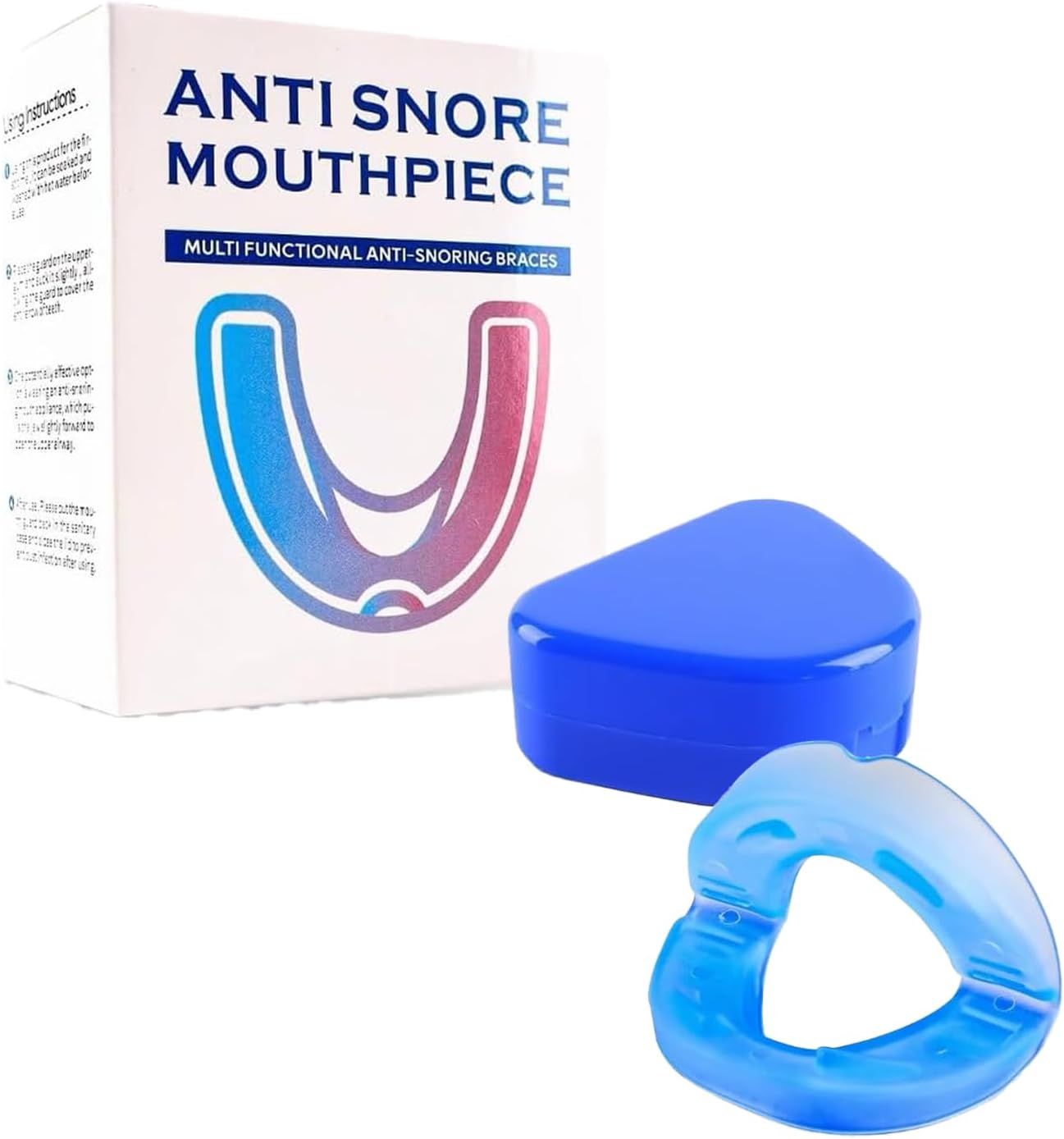
Three more items from the same range:

Frequently asked questions about the facial steamer
Does steaming shrink pores?
No. Pore size is largely determined by genetics and skin type. Steam softens what sits inside the pore, which can make it look less obvious temporarily, but nothing about a facial steamer changes pore size permanently.
Can I add essential oils to the tank?
Only if the manufacturer says so. Many devices are designed for water alone, and oils can damage components, clog the nozzle and produce vapour that irritates airways. When in doubt, do not.
Should I extract blackheads after steaming?
Extraction is easy to do badly and can cause scarring and infection. If you attempt it at all, do it with clean hands and minimal pressure, and stop immediately if anything hurts. Persistent congestion is better handled by a professional.
How long should a session last?
Eight to ten minutes suits most people, and less for sensitive skin. Longer sessions do not add benefit and are the most common reason skin looks irritated after using a facial steamer.
Can I use tap water?
Only if the manual permits it, and even then expect faster scale build-up. Distilled or purified water protects the heating element and keeps the steam output consistent for far longer.
Will it help with dry skin?
Temporarily, and only if you moisturise straight afterwards. Steam adds surface water that evaporates quickly; without something to seal it in, skin can end up drier than before the session.
A last word
Used with a bit of discipline, steaming is a pleasant and genuinely helpful step: clean skin, a sensible distance, ten minutes at most, and a moisturiser immediately afterwards. Used carelessly, it is a hot-water appliance pointed at your face. For a broad, non-commercial overview of skin care practices, the Wikipedia article on skin care is a reasonable place to read further.
If a device suits your routine, the Hydrating Moisturizing Facial Steamer is listed for shoppers across Saudi Arabia, and the wider range is in the Skin Care section. Whichever facial steamer you choose, respect the heat, keep it clean, and steam less often than you think you need to.





Add comment