An electric spin scrubber replaces the part of cleaning that your arm is worst at: sustained, repetitive circular pressure. A motor spins a brush head at a steady speed while you simply guide it and keep it against the surface. The work that used to come from your shoulder now comes from the tool, and you supply direction rather than force.
This guide covers what an electric spin scrubber genuinely does well, how to match the brush heads to different surfaces, the technique that gets results without splashing everywhere, which materials to keep it away from, and how to look after it. There is a checklist at the end and answers to the questions that come up most.
Why an electric spin scrubber saves real time
Scrubbing by hand is limited by stamina rather than by chemistry. Most cleaning products need contact and agitation to work, and after thirty seconds of hard circular scrubbing the average arm slows down considerably. The motor does not.
Consistency is the second advantage. A spinning head applies the same pressure and the same rotation across an entire surface, so grout lines at the far end of a shower get the same treatment as the ones you started on. Hand scrubbing always tails off, usually exactly where you can see it least.
Reach is the third, and it is the one people notice most. A long handle lets you clean a bath, a shower floor or a tiled wall without kneeling, bending or climbing. For anyone with a bad back or knees, that changes cleaning from a dreaded job to an ordinary one.
There is also a wet-work advantage. Because the head is spinning, water and cleaner are worked into the surface rather than sitting on top of it, which is exactly what most bathroom products need to do their job. An electric spin scrubber turns dwell time into working time.
The honest limitation is that a spinning brush cannot dissolve anything. Limescale, soap scum and grease still need the right product. What an electric spin scrubber does is deliver mechanical energy consistently, so the product you have chosen actually gets the agitation it was designed for.
What makes a good electric spin scrubber
Motors are broadly similar. The details below are what decide whether a scrubber gets used every week or ends up in the back of a cupboard.
Range of brush heads
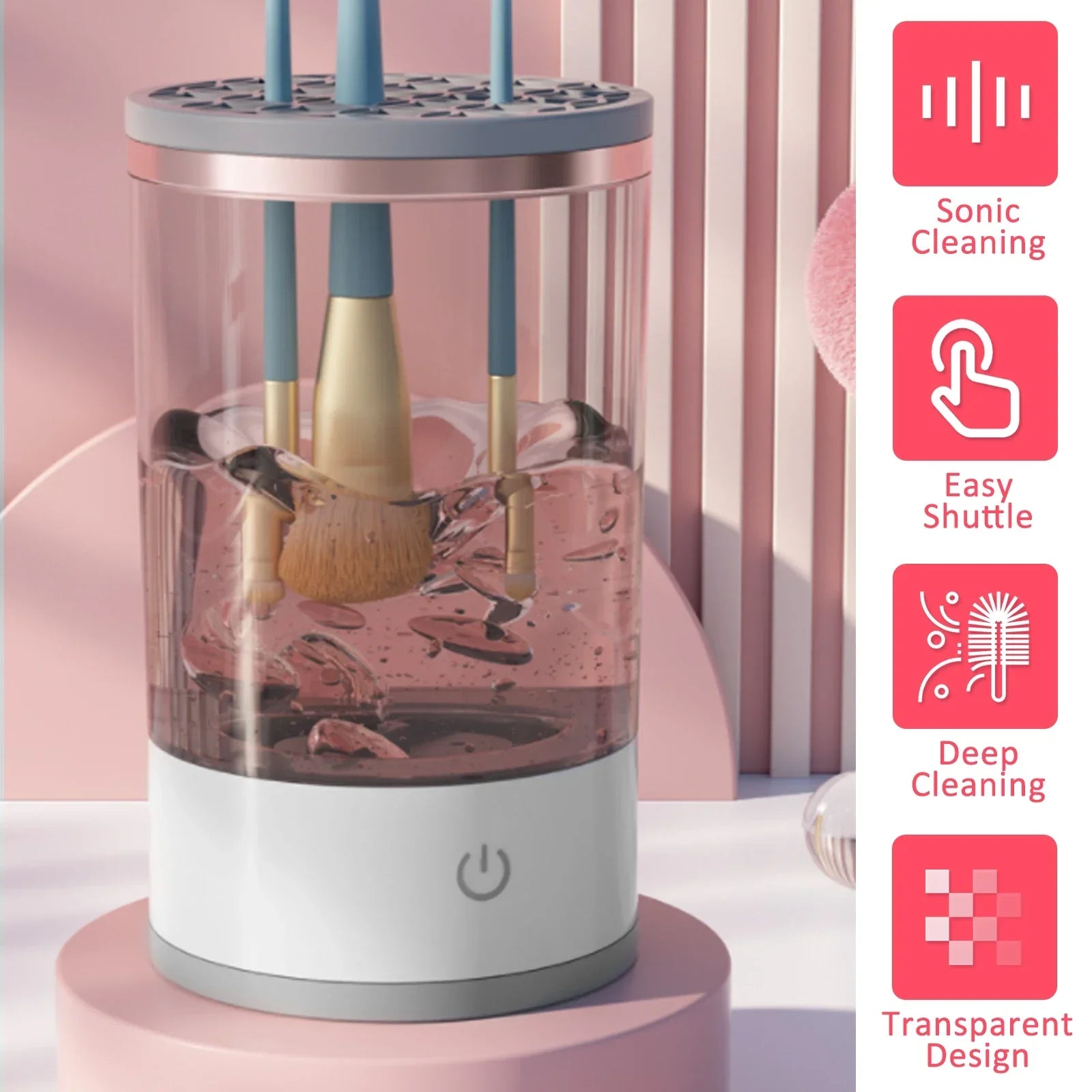
One head cannot do everything. A flat round head suits large areas, a cone or pointed head gets into corners and around taps, and a narrow head follows grout lines. A set of interchangeable heads is what turns an electric spin scrubber from a bathroom tool into a whole-house one.
Water resistance
This is a wet tool by definition, so a properly sealed body is not optional. Check that the seam between handle and head is closed and that the switch is protected. Anything that will be used in a shower needs to tolerate splashing without hesitation.
Handle length and extension
A long-reach handle is the difference between cleaning a shower standing up and cleaning it on your knees. Look for a handle that extends or breaks into sections, so the same tool works for a bath, a floor and a worktop without you crouching for each one.
Head attachment mechanism
Heads get changed with wet hands, often mid-job. A simple push-and-twist fitting that releases with one hand is far better than a screw thread you have to line up. If changing heads is fiddly, most people will use one head for everything and lose half the value of the tool.
Weight and balance
Weight at the far end of a long handle feels much heavier than the same weight in your palm. A well-balanced electric spin scrubber keeps the mass near the grip, so overhead tile work does not become an arm workout. Hold one at full extension before deciding.
Torque behaviour under load
What matters is not top speed but whether the head keeps turning when you press it against a surface. A motor that stalls the moment you apply real pressure will disappoint on exactly the stubborn marks you bought it for. Steady rotation under load beats a fast free-spin every time.
The WLD Store pick: Automatic Multi Brush Cleaner
WLD Store lists this model as an electric spin scrubber. The following is taken directly from the product listing:
- Category: Home and Kitchen, listed under Kitchen Tools.
- Brand: WLD. SKU: WLD-KSA-0094-(KD-156).
- Includes six interchangeable brush heads.
- Heads intended for tiles, floors, bathtubs and kitchen surfaces.
- Waterproof design with a long-reach handle.
- Described as saving 90% more time than manual scrubbing.
- Available across Saudi Arabia with secure checkout.
Photographs and current availability are on the Automatic Multi Brush Cleaner product page. If limescale is your main battle, the reference article on hard water explains why some deposits need an acid rather than more scrubbing.
Matching the brush head to the surface
Using the wrong head is the most common reason people conclude a scrubber does not work. Each shape exists for a reason.
Flat round heads are for open areas: bath sides, shower walls, tiled floors, worktops. They cover ground quickly and distribute pressure evenly, which is what you want on any large, flat, reasonably robust surface.
Pointed or cone heads are for corners, the join between a bath and a wall, around taps and inside drain surrounds. These are the spots where dirt accumulates precisely because a flat head cannot reach them, so an electric spin scrubber without a cone head leaves the worst areas untouched.
Narrow strip or wheel heads follow grout lines and edges. Grout is porous and holds discolouration, so it needs concentrated contact rather than broad coverage. Working slowly along a line with a narrow head is far more effective than passing a wide head over it repeatedly.
How to use an electric spin scrubber properly
Technique matters more than power. These steps keep the mess down and the results up.
- Clear the area first and remove bottles, mats and anything that will be splashed.
- Apply your cleaning product to the surface and let it dwell for the time on the label.
- Fit the head that matches the surface before you switch anything on.
- Wet the brush head; a dry head skips and flicks product around the room.
- Place the head on the surface before starting the motor, never the other way round.
- Use light, steady contact and let the rotation work rather than leaning on it.
- Move in overlapping passes, working top to bottom so runoff lands on uncleaned areas.
- Stop the motor before lifting the head away from the surface.
- Rinse the surface and the head thoroughly when the section is finished.
The two rules that prevent almost all splashing are starting and stopping the motor while the head is in contact with the surface, and keeping the head damp. Nearly every complaint about mess with an electric spin scrubber traces back to one of those.
Pressure is the other thing to unlearn. Hand scrubbing rewards force, so people instinctively push. Pressing hard slows the motor and reduces the number of rotations per second, which means less cleaning, not more.
Where it earns its keep around the home
The bathroom is the obvious place, and the shower enclosure in particular. Soap scum on glass and tile is a thin, wide, even film, which is exactly the sort of job a rotating head handles better than a hand.
Baths come second, mainly because of reach. Cleaning the far side of a bath by hand means leaning across it, and a long-handled electric spin scrubber removes that entirely.
Kitchens benefit in specific places rather than everywhere. Grouted splashbacks, the sink surround, extractor filters and the outside of appliances all suit a brush. Smooth worktops rarely need one, since a cloth is quicker.
Beyond the house, the same tool handles tiled outdoor steps, garden furniture, plastic bins and car wheel arches. These are hard, textured surfaces where hand scrubbing is slow and unpleasant, and where an electric spin scrubber genuinely shortens the job.
Surfaces to be careful with
A rotating brush is mechanical abrasion, and some finishes cannot take it. Test any new surface in an inconspicuous corner first.
Painted surfaces, laminate, acrylic baths, powder-coated metal and anything with a printed or lacquered finish can dull or mark under a stiff head. Where you must clean these, use the softest head available and the lightest possible contact.
Natural stone deserves particular caution, both from the brush and from the product. Acidic descalers etch marble and limestone permanently, so pairing an electric spin scrubber with the wrong cleaner can do damage that no amount of polishing reverses. Check what your stone tolerates before starting.
Power, charging and runtime habits
Cleaning tools of this kind are commonly cordless, and battery habits decide how long they stay useful. The product listing is the place to confirm exactly how any particular model is powered.
Whatever the arrangement, plan the job around the tool rather than the other way round. Charge it fully before a big clean, do the largest area first while power is at its highest, and leave small detail work until the end.
For any rechargeable device, avoid leaving it fully flat for long periods, and do not store it somewhere hot. Both shorten battery life more than heavy use does, and a scrubber that will not hold charge is a scrubber that stops being used.
Who an electric spin scrubber is not for
If your home is mostly smooth, modern surfaces with little grout and no textured tile, a cloth and a spray will usually be faster. The tool shines on texture, and texture is what it needs to justify itself.
It is also not the answer if the real problem is limescale or mould staining that has penetrated grout. Those need the correct chemical treatment first. Buying an electric spin scrubber hoping it will remove by force what needs to be dissolved is the most common disappointment with this category.
Spin scrubber, steam cleaner or hand scrubbing
All three have a place, and they are not really competitors.
A steam cleaner uses heat to loosen grease and sanitise, which is excellent on grout and sealed floors. It is slower to set up, needs a power lead and water, and does not provide much mechanical agitation on its own.
Hand scrubbing remains unbeatable for small, delicate or awkward jobs where you need to feel exactly what you are doing. Nobody should buy a power tool to clean a single tap.
An electric spin scrubber occupies the middle: quick to pick up, no setup, and far more agitation than a hand for far longer. Households that own both a steam cleaner and an electric spin scrubber tend to reach for the scrubber more often, simply because it is ready in seconds.
Care and maintenance
Brush heads live in dirty water, so they need the same attention as any cleaning cloth.
- Rinse every head under running water immediately after use, before residue dries in.
- Let heads dry bristles-up so water drains out rather than pooling in the base.
- Wipe the handle and seams dry, especially around the switch.
- Never submerge the motor housing of an electric spin scrubber, whatever its water rating.
- Keep separate heads for bathroom and kitchen use and mark them clearly.
- Replace any head whose bristles stay splayed after drying, since a soft head just moves water.
Store the tool hanging or standing on its handle rather than resting on the brush, which deforms bristles permanently within a few weeks.
Common problems and quick fixes
- Product sprays everywhere. The head was dry or the motor was started off the surface. Wet the head and start it in contact.
- The head stops when you press. You are pressing too hard. Ease off and let rotation do the work rather than force.
- Grout lines are still discoloured. Wrong head and wrong product. Use a narrow head and a treatment intended for grout, with proper dwell time.
- The brush smells. Heads have been stored damp. Rinse thoroughly, dry bristles-up, and replace if the smell persists.
All four are technique or maintenance issues rather than faults. An electric spin scrubber is a simple tool, and most disappointment comes from how it is used.
Buying checklist
- Does it come with enough head shapes for flat areas, corners and grout lines?
- Is the handle long enough, or extendable, for the tallest and lowest surfaces you clean?
- Can you change heads one-handed with wet hands?
- Does the head keep turning when you press it against a surface?
- Are the surfaces in your home actually textured enough to benefit from a brush?
If the last answer is no, save your money. An electric spin scrubber is a texture tool, and on smooth surfaces a cloth wins.
A room-by-room cleaning plan
Buying the tool is easy; building it into a routine is what actually saves time. A simple room-by-room plan stops the whole house being tackled in one exhausting session.
Start with the shower, weekly. It is the surface that deteriorates fastest and the one where a few minutes with an electric spin scrubber makes the most visible difference. Apply the product, leave the room while it dwells, then come back and work top to bottom.
Do the bath and basin fortnightly, or whenever the surround starts to look dull. These need less frequent attention than a shower because they dry between uses rather than staying permanently damp.
Save floors and grout for a monthly session and treat it as a separate job with the narrow head fitted. Grout work is slower and more methodical than surface cleaning, and mixing the two in one session usually means the grout gets rushed.
Outdoor jobs, meaning bins, steps and garden furniture, suit a seasonal blitz rather than a schedule. Doing them all in one afternoon with an electric spin scrubber is far more efficient than fetching the tool out four separate times.
Whatever pattern you settle on, keep the heads with the handle rather than scattered in different cupboards. An electric spin scrubber that requires a search for the right head before every job quietly stops being used.
Working safely with cleaning products
Powered agitation puts more of whatever is on the surface into the air around you, so a few basic precautions are worth the seconds they take.
Ventilate first. Open a window or run the extractor before you start, particularly in a small bathroom where vapour concentrates quickly. This matters more with a spinning brush than with a cloth, precisely because agitation releases more into the air.
Wear gloves, and consider eye protection for overhead work. A rotating head at head height flicks droplets upwards, and cleaning product in the eyes is an entirely avoidable problem.
Never mix products. Bleach combined with an acidic descaler releases chlorine gas, which is genuinely dangerous indoors. Finish with one product, rinse both the surface and the head of the electric spin scrubber thoroughly, and only then consider another.
Other Home and Kitchen picks at WLD Store
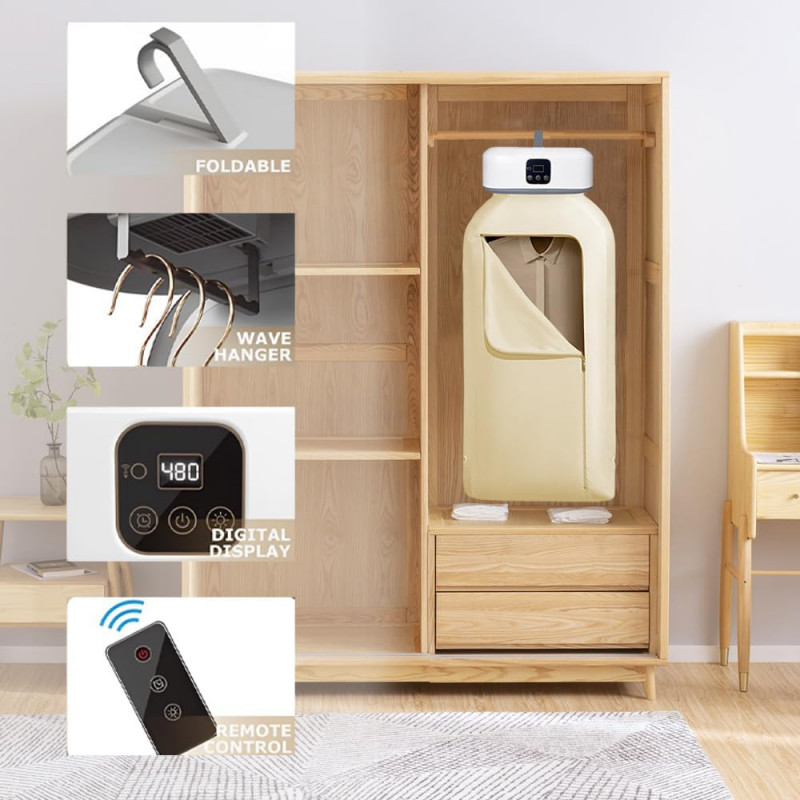
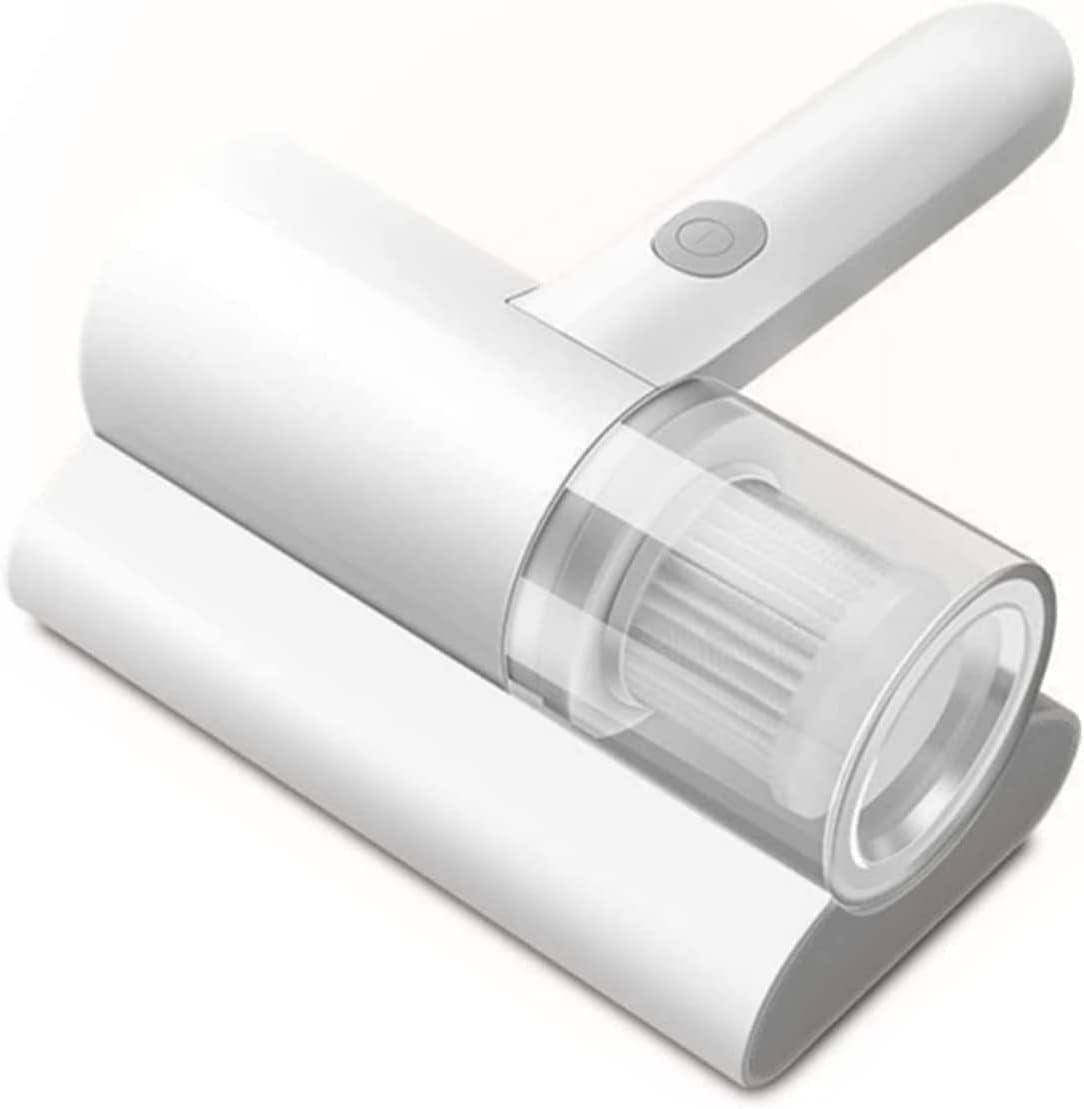
Three more household items from the same section.

Frequently asked questions about an electric spin scrubber
How many brush heads do I actually need?
Three shapes cover nearly everything: a flat head for open areas, a cone for corners and taps, and a narrow head for grout. The WLD listing states six heads are included, which allows separate sets for bathroom and kitchen.
Can I use it in the shower while it is wet?
The listing describes a waterproof design, which is what allows use on wet surfaces. As a general rule for any electric spin scrubber, splashing is expected but submerging the motor housing never is.
Will it remove limescale?
Only in combination with a descaling product. Mineral deposits have to be dissolved chemically; brushing removes what the product has already loosened, which is why dwell time matters so much.
Is it safe on an acrylic bath?
Use the softest head and light contact, and test a hidden area first. Acrylic scratches more easily than ceramic, so a stiff head on an acrylic surface can leave a dulled patch.
Does it work on outdoor surfaces?
Yes, and it is one of the better uses. Tiled steps, plastic bins, garden furniture and wheel arches are all textured surfaces where an electric spin scrubber saves a lot of unpleasant hand work.
How do I stop it splashing?
Wet the head before starting, keep the head in contact with the surface when you switch on and off, and work top to bottom. Those three habits eliminate almost all of it.
For anyone who cleans tile, grout or a shower enclosure regularly, an electric spin scrubber converts the most tiring part of the job into something the tool does for you. See the current listing on the product page, or browse more home and cleaning items in the Kitchen Tools section.




Add comment