An electric mosquito zapper replaces the nightly routine of chasing insects with a rolled-up magazine. It runs quietly in a corner, uses no chemicals, and deals with flying insects while you get on with the evening.
This guide explains how these devices actually work, what ultraviolet light does and does not attract, how a zapper compares with sprays, coils and plug-in repellents, where to place one for results, how to clean it safely, and six questions answered for households in Saudi Arabia.
How an electric mosquito zapper works
An electric mosquito zapper has two working parts, and both matter.
The first is attraction. An ultraviolet lamp sits at the centre of the unit, emitting light in a range many flying insects navigate toward. The light is the lure; without it, the device is just a grid.
The second is the grid itself. Two electrified meshes sit close together around the lamp, and an insect flying between them completes a circuit. The background to the whole category is set out on the Wikipedia page for bug zappers.
A protective outer cage keeps fingers away from the live mesh, which is why an electric mosquito zapper can sit safely in a family room. That cage is not optional and its spacing matters.
An honest word about UV and mosquitoes
This is the part most product pages skip, and knowing it will save you from unrealistic expectations.
Many flying insects orient toward ultraviolet light: moths, midges, gnats, fruit flies and a range of others. On those, a UV-based unit is genuinely effective and the results are obvious within an evening.
Mosquitoes are a more complicated case. They locate people primarily by exhaled carbon dioxide, body heat and skin odour rather than by light, so a lamp competes with a sleeping human for their attention.
In practice this means placement decides almost everything. An electric mosquito zapper in an empty room with the door closed performs far better than the same unit sitting beside the sofa where everyone is breathing.
It also means a zapper works best as part of a plan rather than as the whole plan. Screens on windows, no standing water outside and a unit running in the right place will beat any device used alone.
Electric mosquito zapper, spray, coil or plug-in
Each of the common options trades something different, and households often end up with more than one.
Aerosol sprays are immediate and short-lived. They knock down what is in the room now and do nothing about what flies in ten minutes later, and some people would rather not breathe the residue.
Mosquito coils produce smoke, which limits them to outdoor or very well ventilated spaces. They are effective in a garden and unsuitable for a bedroom.
Plug-in repellents evaporate an active ingredient into the air. They work steadily and quietly, and they are still a chemical solution running all night in an enclosed room.
An electric mosquito zapper is chemical-free and mechanical. Nothing is released into the air, which is its main advantage for households with children, asthma or simple preference.
Physical barriers beat all of them. A window screen and a bed net stop insects reaching you at all, and no device outperforms simply keeping them out.
What makes a good electric mosquito zapper
Every electric mosquito zapper looks alike on a listing page. Five practical points separate one that earns its corner from one that ends up in a cupboard.
A proper protective cage
The outer housing keeps fingers away from the electrified mesh, and the gap between bars is what determines whether small hands can reach through.
This is the single most important feature in a home with children. Any electric mosquito zapper without a securely fitted guard is the wrong choice at any price.
Power source that matches the room
A rechargeable unit can be moved anywhere, including a balcony or a tent, and needs charging. A mains-powered unit runs indefinitely and is tethered to a socket.
Think about where the insects actually are. Balconies, garden corners and stairwells rarely have convenient sockets, which is what makes a rechargeable model useful.
A removable collection tray
Insects have to go somewhere, and the ones that accumulate on the grid reduce its effectiveness over time.
A tray that slides out and rinses clean turns maintenance into a thirty-second job. Without one, cleaning means brushing debris out of a housing over a bin.
Genuinely quiet operation
The lamp itself is silent. The audible part is the discharge when an insect makes contact, which is unavoidable in any grid design.
What you can avoid is a noisy fan or a buzzing transformer. In a bedroom, an electric mosquito zapper that hums all night defeats the purpose.
Sensible coverage for the space
Any coverage figure is measured in ideal conditions: an empty room, no competing light and no air movement. Real rooms are none of those things.
Treat published coverage as an optimistic guide, and consider two smaller units in separate rooms rather than one large one expected to handle a whole floor.
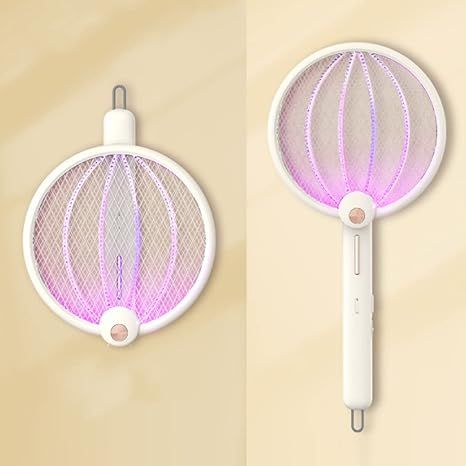
The WLD Store pick: Electric Mosquito Zapper
WLD Store lists this device for households in Saudi Arabia. Everything below comes from the listing itself, with nothing added.
- Product: Electric Mosquito Zapper, a USB-rechargeable insect killer
- Category: Home and Kitchen
- Brand: WLD
- SKU: WLD-KSA-0043-(KD-KD0152)
- Stated method: described as attracting and eliminating flying insects silently using UV light technology
- Stated approach: presented as chemical-free and safe for children and pets
- Stated placement: listed as suitable for indoor and outdoor use
- Market: available across Saudi Arabia
Current photographs, options and stock status are on the Electric Mosquito Zapper product page. Those are the listing’s own descriptions, and normal supervision around any electrical device still applies.
Where to place an electric mosquito zapper
Placement is the difference between a device that works and one that seems useless, and most people get it wrong in the same way.
- Do not put it next to where people sit. You are a stronger attractant than the lamp, and a unit beside you is competing with you and losing.
- Put it in the room you want to protect, then leave that room. A bedroom zapper running for an hour before bedtime is far more effective than one running while you read.
- Keep it low. Many flying insects, including mosquitoes, tend to fly at lower levels indoors rather than near the ceiling.
- Turn other lights off. An electric mosquito zapper competing with a bright ceiling light or a television will lose.
- Avoid strong air movement. A fan or an air conditioning vent blowing across the unit disperses everything it is trying to draw in.
- Outdoors, place it away from the seating area rather than in the middle of it, so insects are drawn away from people rather than toward them.
The general principle is simple: the device should be the most attractive thing in the space. Anything that competes with it reduces the result.
When to run an electric mosquito zapper
Insect activity is not constant, and matching the device to the pattern is free effectiveness.
Dusk and the hour after it are peak activity for many species. Switching the unit on before sunset rather than at bedtime catches the busiest period.
Running it in a closed bedroom for an hour before you go in is the single most useful habit. Close the door, let it work, and enter a room that has already been cleared.
Doors and windows opened during the evening reset the situation. Every entry lets more insects in, which is why screens matter alongside any device.
Outdoors, switch it on thirty minutes before you plan to sit down. Giving it a head start is more effective than turning it on once the biting has begun.
Reducing mosquitoes in the first place
No device competes with removing the conditions that produce insects, and this part costs nothing.
Standing water is where mosquitoes breed, and the quantity needed is very small. Plant saucers, blocked drains, buckets, air conditioning condensate trays and unused containers are the usual sites.
Empty and turn over anything that holds water once a week. That single habit reduces the local population more than any electric mosquito zapper can.
Check window and door screens for tears, and repair them. A single gap undoes an evening of careful management.
Keep outdoor lighting away from doorways where possible, since bright light near an entrance draws insects to exactly the point where they can get in.
Care and maintenance of an electric mosquito zapper
A neglected electric mosquito zapper becomes noticeably less effective, and cleaning takes very little time.
Always unplug or switch off and wait before cleaning. Grids can hold a residual charge briefly after power is removed, so give it a minute and never touch the mesh with fingers or anything metal.
Brush the grid every week or two with the small brush usually supplied. Debris bridging the mesh reduces effectiveness and can cause repeated discharge.
Empty the collection tray regularly and rinse it, drying it fully before it goes back. Never rinse the electrical body of an electric mosquito zapper under a tap.
Wipe the lamp housing so dust does not dull the light output, since the ultraviolet lamp is the entire attraction mechanism.
Recharge a battery unit every few weeks even out of season. Lithium cells left flat for months lose capacity permanently.
Electric mosquito zapper safety with children and pets
These devices are safe when treated as electrical appliances rather than as furniture.
The protective cage exists to prevent contact with the grid. Check it is intact and firmly attached before every season of use, and stop using a unit whose guard is damaged.
Place it out of reach of small children and away from where a cat can knock it off a shelf. Curiosity is the risk, not the device sitting still.
Keep it away from water: bathrooms, poolsides and rain-exposed balconies are all poor locations for an electric mosquito zapper unless it is specifically rated for them.
Do not use it near curtains, bedding or anything flammable, and give it clear air around the housing.
Common electric mosquito zapper problems and fixes
- It catches nothing. Almost always placement. Move it away from people, turn other lights off, close the door and try again for an hour.
- The lamp is on but nothing discharges. Debris may be bridging the grid, or the grid circuit has failed. Switch off, wait, brush thoroughly and retest.
- It is catching moths but not mosquitoes. Expected behaviour, since ultraviolet attracts some species far more strongly than others. Combine it with screens and by removing standing water.
- The battery drains quickly. UV lamps draw steady power. Run it in timed sessions at dusk rather than continuously, and recharge fully rather than topping up.
Who an electric mosquito zapper is not for
Anyone expecting a whole house to be cleared by one unit will be disappointed. These are room-scale devices, and an open-plan villa needs more than one.
It is not the right tool for crawling insects. Cockroaches, ants and bedbugs are unaffected, because they are not drawn to light and never fly into the grid.
It is not a substitute for screens in a home that leaves windows open. Barriers stop insects entering; a zapper deals with the ones already inside.
Households that want absolutely silent operation should know that the discharge itself makes a brief sound. That is inherent to the design, not a fault.
Indoor and outdoor use compared
The same device behaves quite differently depending on where it is running.
Indoors, the environment is controlled. You can turn off competing lights, close the door and give the unit an uncontested room, which is when results are best.
Outdoors, it competes with the whole sky. Street lighting, neighbours’ windows and open air all reduce the relative pull of one small lamp.
The outdoor tactic is therefore positional: put an electric mosquito zapper at the edge of a seating area, upwind if there is a breeze, so insects are drawn past people rather than through them.
Protect it from weather and dew if it is not rated for outdoor conditions, and bring it in overnight rather than leaving it out.
What the buzzing sound actually tells you
The snap or crackle a grid makes is the one thing everyone notices, and it is worth understanding rather than worrying about.
That sound is the discharge as the circuit completes across an insect. A busy first evening in a room that has not been treated before will be noticeably noisier than the same room a week later.
Frequent discharge with nothing visible in the tray usually means debris is bridging the mesh rather than insects arriving. Switch off, wait, and brush the grid.
A continuous buzz that never stops is different, and it points to a fault in the transformer or a short across the grid. Stop using the unit rather than leaving it running.
Silence is not necessarily failure either. An electric mosquito zapper in a room that is already clear has nothing to catch, which is the outcome you wanted.
Seasonal use across the year
Insect pressure in Saudi households is not the same in February as in September, and the device should follow that.
Humid periods and the weeks after any rainfall are the busiest, because standing water produces a generation of mosquitoes within days. This is when a nightly routine is worth the effort.
Through the driest, hottest stretch, activity often falls indoors while air conditioning runs and windows stay shut. Many households simply switch the unit off for weeks at a time.
Store an electric mosquito zapper clean and dry between seasons, with the tray emptied and the grid brushed. Debris left inside for months is far harder to remove later.
Charge a battery model before storage and again before the next season, rather than leaving it flat in a cupboard until you need it.
Buying checklist
- Is the protective cage secure, with gaps too small for a child’s fingers?
- Rechargeable or mains: where do you actually need it, and is there a socket there?
- Is there a removable tray, or will cleaning mean brushing debris out over a bin?
- Is the room you want to protect within a realistic coverage area for one unit?
- Do you also have screens and a standing water routine, or is the device doing all the work alone?
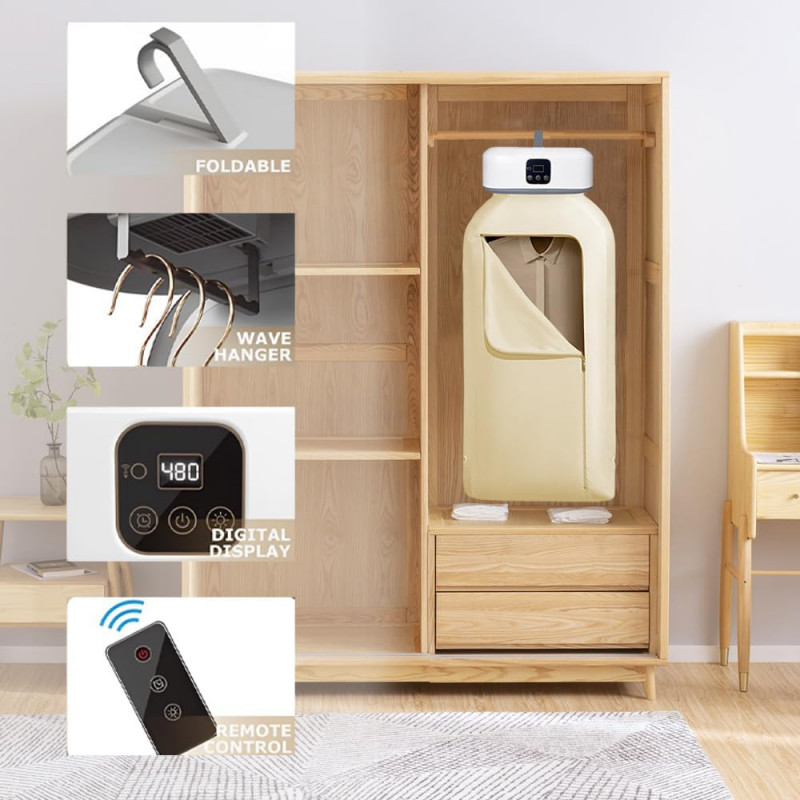
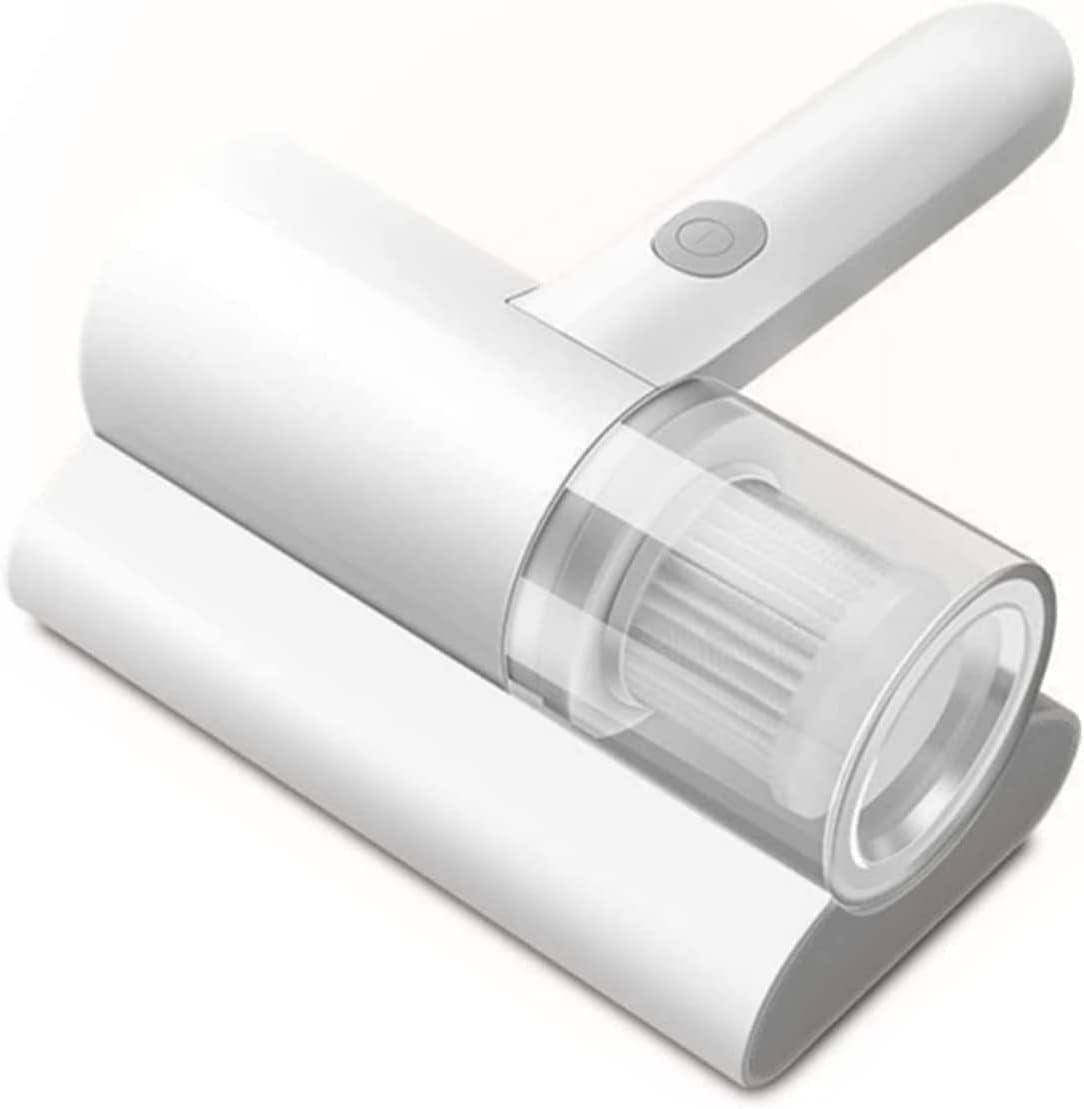
Other home picks at WLD Store
These three listings sit in the same part of the WLD Store catalogue.

Frequently asked questions about the electric mosquito zapper
Does an electric mosquito zapper really work on mosquitoes?
It works on many flying insects, and mosquitoes respond less strongly to ultraviolet than moths do because they hunt by carbon dioxide and body heat. Placement away from people is what makes the difference.
Is it safe to leave running overnight?
Generally yes, on a stable surface away from curtains, water and anything flammable, and out of reach of children. Treat it as you would any electrical appliance left on.
Does it use chemicals?
No. This listing describes a chemical-free approach using UV light and an electrified grid, which is the main reason people choose one over sprays and coils.
How often should I clean it?
Every week or two in busy season. Switch it off, wait a minute, brush the grid and empty the tray. A clogged grid is the most common reason performance drops.
Can I use it outdoors on a balcony?
The listing presents it as suitable for indoor and outdoor use. Keep it out of rain and heavy dew unless it is rated for that, and place it at the edge of the seating area rather than the middle.
Will it work on flies and moths?
Usually better than on mosquitoes. Moths, midges and gnats orient strongly toward ultraviolet light, so an electric mosquito zapper often clears those first.
An electric mosquito zapper is most useful when it is treated as one part of a simple plan: screens on the windows, no standing water outside, and a unit running in a closed room before you settle in. Place it away from people, keep the grid clean, and check the guard. You can review the current listing on the product page or browse the wider home range in the Home & Kitchen section.




Add comment