A dua e safar car hanger is one of those small accessories that carries more meaning than its size suggests. It hangs from the rearview mirror, carries the Arabic calligraphy of the travel supplication, and turns a routine drive into a small moment of intention. This guide covers what the supplication is, what separates a well-made hanger from a flimsy one, how to hang it without creating a safety problem, how to keep it looking good through hot summers in a parked car, and what to think about if you are buying one as a gift.
What the dua e safar actually is
The dua e safar is the supplication traditionally recited when setting out on a journey. It is a short, well-known text asking for safety and ease in travel, and it has been part of everyday Muslim practice for centuries. Background on supplication in general is available in the Wikipedia article on dua.
Because it is tied specifically to travel, it has a natural home in a vehicle. Many families recite it before setting off on a long drive, and having the words physically present is a simple prompt to do so rather than forgetting in the rush of loading the car.
That is the honest case for a dua e safar car hanger. It is not a talisman and no reputable seller presents it as one. It is a reminder, an object that keeps a familiar text where you will notice it, and a piece of decoration in a space most people spend a lot of time in.
Why people hang one in the car
Cars are surprisingly personal spaces, which is a large part of why a dua e safar car hanger is such a common sight. People spend hours a week in them, often alone, and the interior tends to accumulate small objects that mean something: a photograph, a keepsake, a scent. A dua e safar car hanger sits in that tradition.
The rearview mirror position is not accidental either. It is the one place in a car that the driver’s eyes pass over repeatedly without effort, which is exactly what makes it effective as a reminder rather than something forgotten in a door pocket.
There is also a straightforward aesthetic reason. Arabic calligraphy is a highly developed art form, and a well-executed piece of it looks good hanging against a windscreen. For many buyers, the dua e safar car hanger is chosen as much for how it looks as for what it says.
What makes a good dua e safar car hanger
A dua e safar car hanger varies far more in quality than its appearance in a photograph suggests. Four things are worth checking before buying.
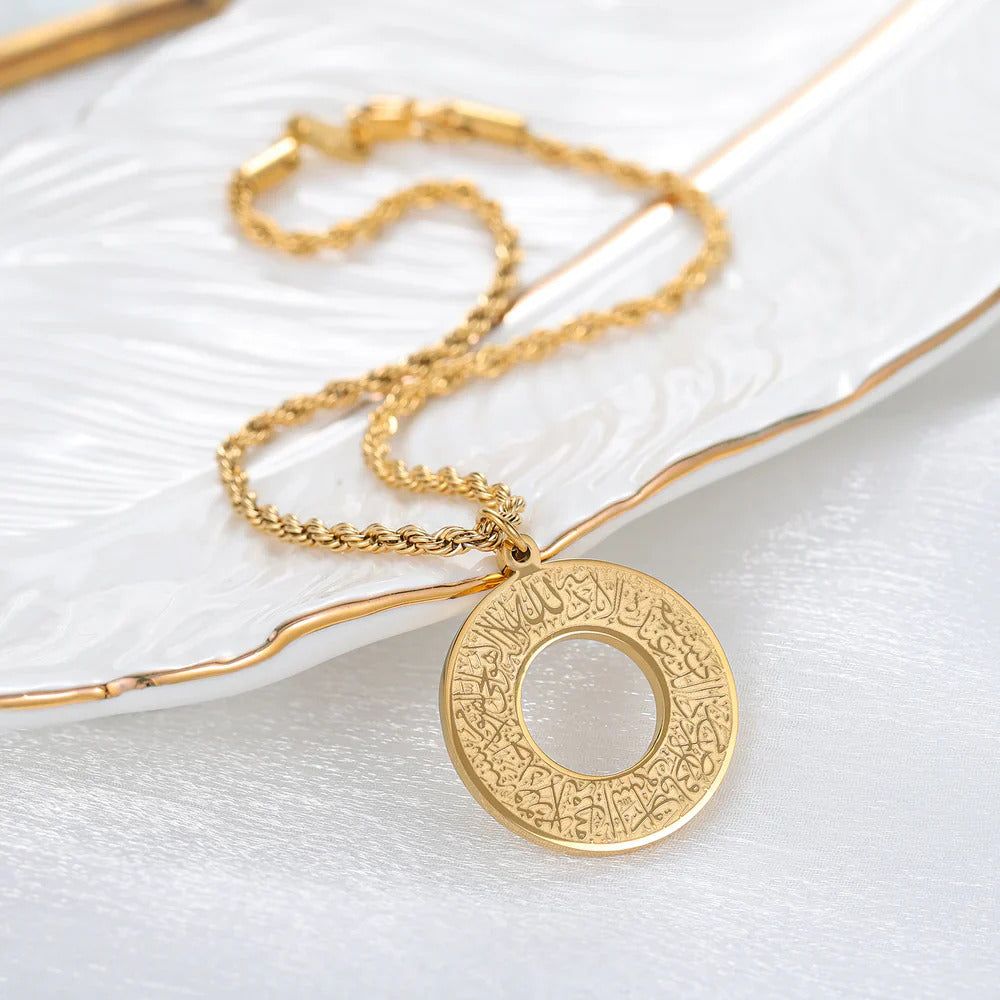
Material and finish
The pendant on a dua e safar car hanger takes the most punishment, because a parked car in summer is a genuinely harsh environment. Materials that hold their finish through repeated heat cycles are what separate a hanger that still looks new after a year from one that dulls or warps.
Look for a solid feel and a clean edge finish. Rough edges, visible seams and a coating that scratches under a fingernail are all signs the piece will not age well in a dua e safar car hanger that swings against a windscreen every day.
Calligraphy quality
Calligraphy is the part that actually matters on a dua e safar car hanger, and it is easy to assess from a clear product photograph. Arabic script has precise proportions, and cheap reproductions frequently distort letter shapes, crowd the spacing or lose the fine strokes in a casting.
Look for crisp, even letterforms with consistent stroke weight and no smudging or fill-in where letters meet. On a good dua e safar car hanger the text is legible at arm’s length, which is the whole point of having it there.
Size and weight
Bigger is not better on a dua e safar car hanger. A large, heavy pendant swings further on corners, blocks more of the windscreen and puts more strain on the mirror stem. A compact piece that hangs close to the mirror behaves far better in normal driving.
Cord, chain and fixing
The suspension is the part most likely to fail, and it is the part product photographs show least clearly. A cord that is too long allows a wide swing; a fixing that only loops loosely can work its way off over speed bumps.
The ideal is short, secure and adjustable. Check what the listing says about how the dua e safar car hanger attaches before assuming it will suit your mirror.
The WLD Store pick: Dua e Safar Car Hanger
Here is what the WLD Store listing states for this product, with nothing added:
- Product: Dua e Safar Car Hanger, an Islamic travel prayer charm
- Brand: WLD
- Categories: Fashion, and Islamic Jewelry & Accessories
- Design: features Arabic calligraphy of the travel supplication
- Material: described as premium quality material with an elegant design
- Fitting: hangs from the rearview mirror
- Typical use: a popular Islamic accessory and a gift for Muslim drivers
- Availability: sold across Saudi Arabia with secure checkout
- SKU: WLD-KSA-0107-(KD-KD0074)
The mirror-hanging format is what makes this practical rather than ornamental. A piece designed to hang keeps the calligraphy oriented correctly and visible, which a plaque tucked into a door pocket never manages. You can view the listing on the Dua e Safar Car Hanger product page.
Hanging it safely
This deserves proper attention, because a badly hung dua e safar car hanger is a genuine hazard rather than a theoretical one.
- Keep the windscreen clear. Nothing should sit in the sweep of your forward view. Hang it high and close to the mirror body so it stays within the mirror’s own shadow.
- Keep the cord short. A long cord lets the pendant swing across your sightline on every roundabout and speed bump.
- Check local rules. Many jurisdictions restrict objects that obstruct the driver’s view. Confirm what applies where you drive before fitting anything.
- Mind the airbag path. Do not hang anything where a deploying passenger airbag could turn it into a projectile.
- Secure the fixing. Give it a firm tug after fitting. A dua e safar car hanger that drops into the footwell while you are driving is a distraction at the worst moment.
A useful test: sit in your normal driving position, look at the road ahead, and see whether the pendant enters your view at all. If it does, shorten the cord or move it. Nothing about the object’s meaning is diminished by hanging it where it does not block your eyes.
Surviving the car interior
A parked car in Saudi Arabia is one of the harshest environments any small decorative object will face, and this shapes what to expect from any accessory left in one.
Cabin temperatures behind glass climb far above the outside air, and that heat cycle repeats every single day. Over months it fades dyes, softens adhesives and can distort thin plastic. Anything that lives on your mirror is going through that cycle constantly.
Direct sunlight adds ultraviolet exposure on top of the heat. Colours facing the windscreen fade faster than the shaded side, which is why some hangers develop an uneven look after a long summer. Rotating the piece occasionally evens the exposure out.
Dust is the third factor. Fine dust settles on every interior surface and works into engraved or recessed lettering, where it dulls the contrast that makes calligraphy legible. A dua e safar car hanger benefits from the same occasional attention you give the dashboard.
Building it into a travel routine
An object only works as a reminder if you build a small habit around it. Otherwise it becomes part of the interior within a fortnight and stops registering at all, which is the quiet fate of most car accessories.
The simplest habit is to tie the supplication to a fixed point in setting off rather than to a feeling. Many drivers recite it after the engine starts and before the car moves, because that moment happens on every journey and never gets skipped.
Families with children often make it a shared moment. When everyone is belted in and the dua e safar car hanger is in plain view above the windscreen, it becomes an easy prompt for children who are still learning the words.
Long journeys deserve a slightly fuller routine. Checking tyres, water, fuel and planned rest stops sits naturally alongside the supplication, and pairing the two turns an abstract intention into a practical pre-drive check.
It is worth resetting the habit occasionally as well. If you notice you have stopped seeing the dua e safar car hanger entirely, moving it, cleaning it or swapping it for a different design is usually enough to make it visible again.
One caution is worth repeating: the routine belongs before the car moves, not during the drive. Reaching up to touch or adjust a dua e safar car hanger while driving is exactly the sort of small distraction that causes problems, so do whatever you want to do with it while stationary.
Care and cleaning
A dua e safar car hanger needs very little, but a small routine keeps the piece looking as good as it did on the first day.
- Dust it with a soft dry cloth. A microfibre cloth lifts dust out of lettering without scratching the finish.
- Avoid solvent cleaners. Dashboard sprays and alcohol wipes can strip coatings and dull metallic finishes. Water on a barely damp cloth is safer.
- Use a soft brush for detail. A clean, dry paintbrush reaches into the recesses of calligraphy where a cloth cannot.
- Check the cord every few months. Look for fraying or stretching at the loop, which is where wear concentrates.
- Take it down for long parking. If the car will sit in full sun for weeks, storing the hanger in the glovebox spares it the worst exposure.
Two minutes twice a year is realistically the whole maintenance requirement for a dua e safar car hanger, and it makes a visible difference over a couple of years.
Hanger, dashboard plaque or windscreen sticker?
There are three common ways to keep the travel supplication present in a car, and each suits a different owner.
A dashboard plaque sits flat and never swings, which makes it the safest option in terms of sightlines. The trade-off is that it lives in your peripheral vision rather than in front of you, and it slides around unless it is properly fixed or weighted.
A sticker is permanent and takes no space at all, but it is exactly that: permanent. Removing one from glass or trim cleanly is fiddly, and it is not something you can move between cars or pass on as a gift.
A dua e safar car hanger sits between the two. It is visible without being fixed, it moves from one car to the next in seconds, and it can be taken down when the car is sold or lent out. For most people that flexibility is the deciding factor.
None of the three is more correct than the others. The question is simply where you want the text to sit in your field of view and whether you want it permanently attached to the vehicle.
Choosing one as a gift
Gifting is a common reason people buy a dua e safar car hanger, and a few things make the difference between a thoughtful gift and an awkward one.
Consider the recipient’s car. A minimal, dark interior suits a restrained metallic piece; a family car with a busier interior carries a more decorative design comfortably. Matching the object to the space shows more thought than picking the most ornate option available.
New drivers and people about to make a long journey are the natural recipients. A dua e safar car hanger given when someone buys their first car, or before a long family drive, lands better than the same object given at random.
Presentation matters more than usual with religious accessories, so check how the item arrives. Something handed over in decent condition, not loose in a bag, reflects the care the gift is meant to convey.
Who this is not for
If you drive a vehicle where anything on the mirror is prohibited by your employer or by local traffic rules, do not fit one. A commercial vehicle inspection is not the place to discover a rule you did not check.
If your windscreen sightline is already tight because of a dashcam, a phone mount and a toll transponder, adding another object is not sensible. In that case a dashboard piece is the better format, and the meaning is unchanged.
And if you are looking for something that will physically protect you, be clear that no accessory does that. A dua e safar car hanger is a reminder of a supplication. Safe driving, a maintained vehicle and seatbelts do the protecting.
Common problems and quick fixes
- It swings into my view. The cord is too long. Shorten it or knot it higher so the pendant sits tight against the mirror stem.
- It keeps falling off. The loop is working loose over bumps. Refit it with the loop fully seated behind the mirror arm, and check it after the first few drives.
- The lettering looks dull. Dust has filled the recesses. A soft dry brush restores the contrast in a minute without any cleaning product.
- It rattles against the windscreen. It is hanging too far forward. Move it back towards the mirror body so it has nothing to knock against.
Buying checklist
- Is the calligraphy crisp and legible in the product photographs at full size?
- Is the piece small and light enough to hang close to the mirror without swinging?
- Does the listing explain how it attaches, and will that suit your mirror?
- Will the finish cope with months of heat and direct sun in a parked car?
- Does anything on your mirror conflict with the rules that apply where you drive?
Other WLD Store picks worth a look
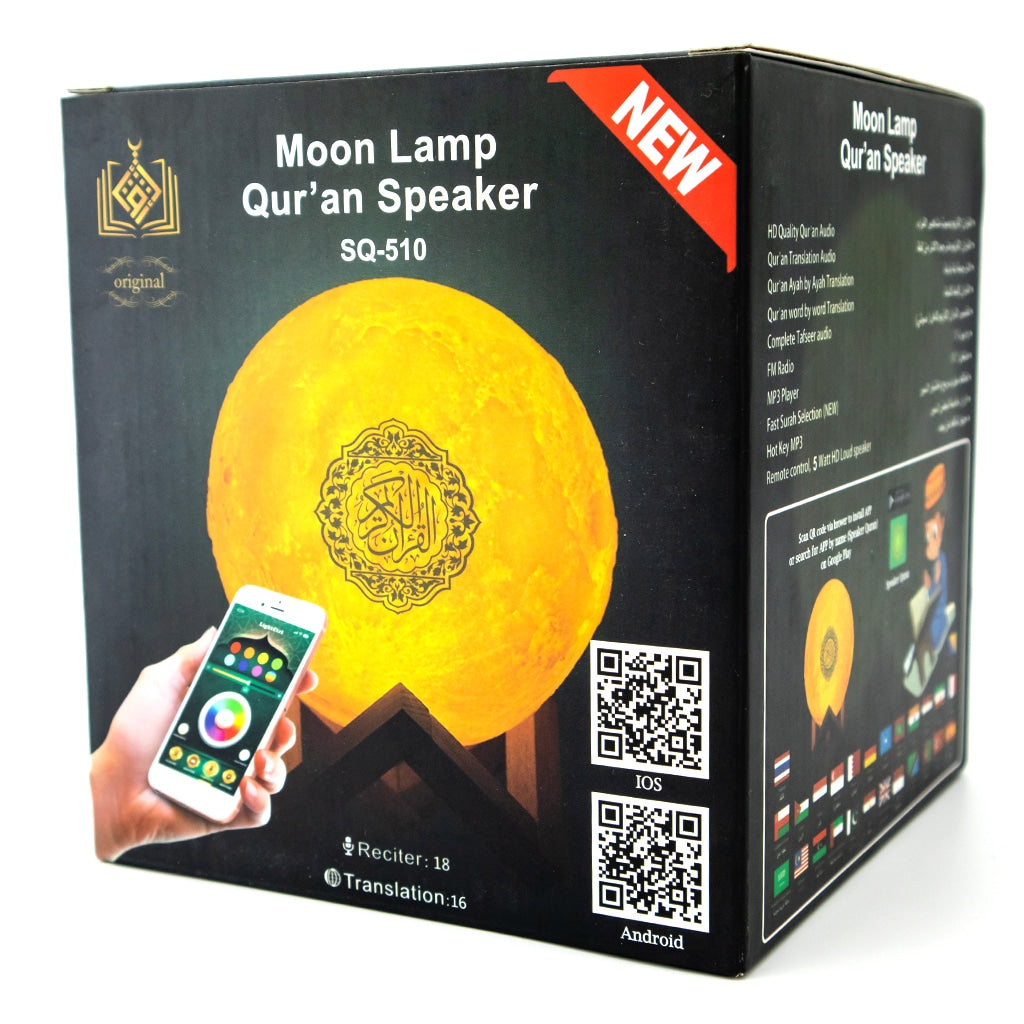
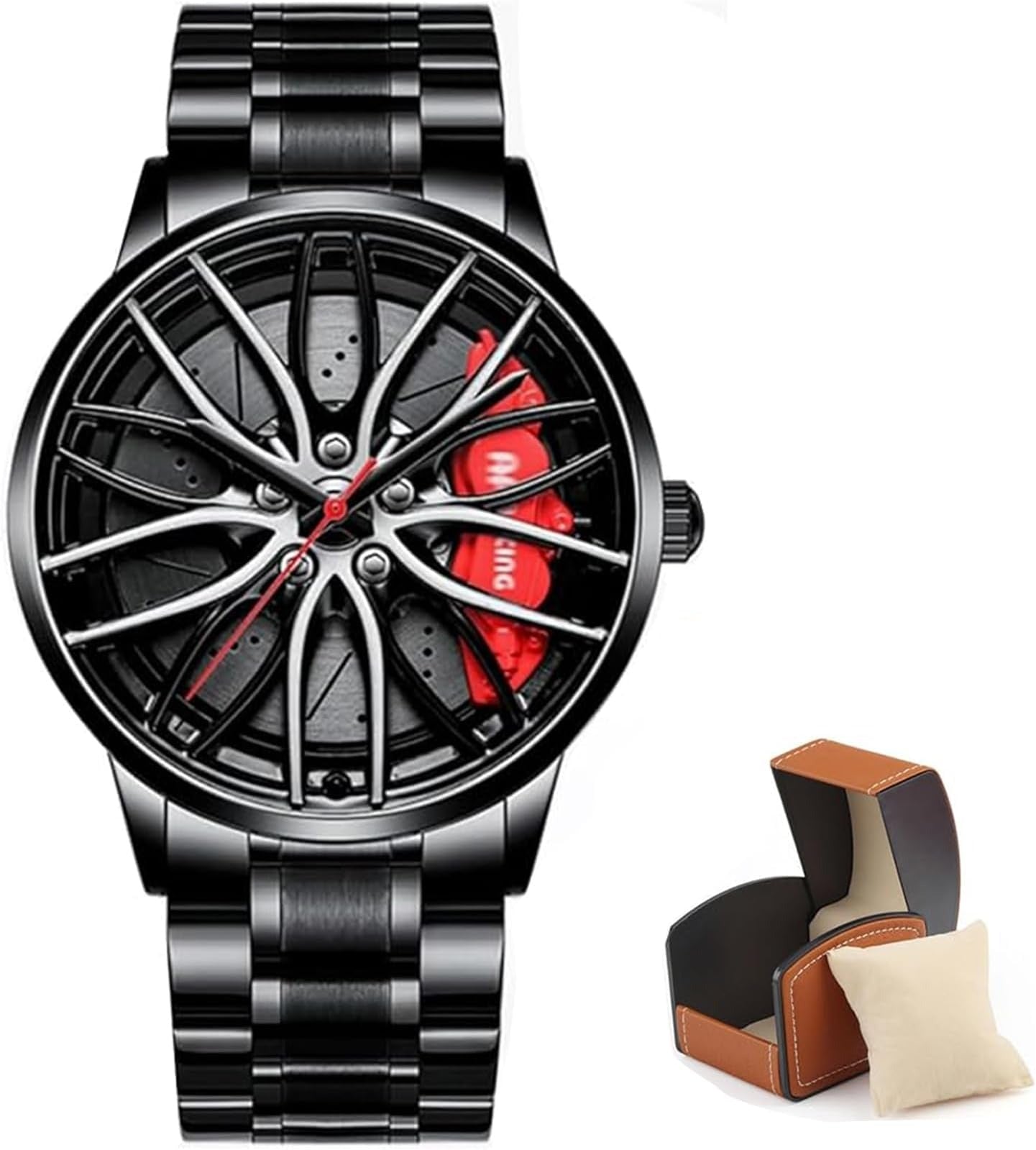
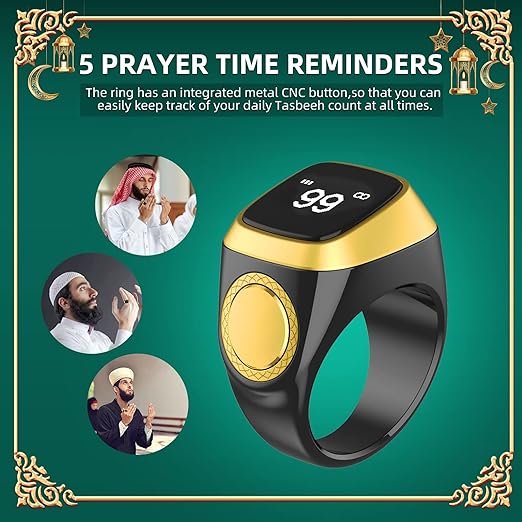
These three are also listed at WLD Store if you are browsing the wider range.
Frequently asked questions about the dua e safar car hanger
Will a dua e safar car hanger block my view?
It should not if it is hung correctly. Keep the cord short so the pendant sits close to the mirror body, then check from your normal seating position that it never enters your view of the road. If it does, shorten the cord further.
Can I move it between cars?
Yes, and that is one of the format’s advantages over a sticker or a fixed plaque. It lifts off one mirror and onto another in seconds, which also makes it easy to remove when selling a car or lending it to someone.
Will the summer heat damage it?
Cabin heat is hard on any interior accessory, but a well-made piece copes. Expect some colour change over years of direct sun rather than sudden damage, and take it down if the car will be parked in full sun for a long period.
How do I clean a dua e safar car hanger?
A soft dry microfibre cloth for the surfaces and a clean dry brush for the recessed lettering is all that is needed. Avoid dashboard sprays and alcohol wipes, which can strip coatings and leave a dull patch that will not polish out.
Is it suitable as a gift for a new driver?
It is one of the more common reasons people buy them. A dua e safar car hanger given with a first car, or before a long family journey, connects the object to the occasion, which is what makes a small gift memorable.
Does it need to hang from the mirror specifically?
No. The mirror is the traditional and most visible position, but if your windscreen area is already crowded with a dashcam or phone mount, hanging it elsewhere in the cabin or choosing a dashboard format instead is perfectly reasonable.
Choose a piece with clean calligraphy, hang it short and high where it never crosses your view, and give it an occasional dust. That is genuinely all there is to living with one well. The Dua e Safar Car Hanger is listed with its full description on the product page, and the rest of the range is in the Islamic Jewelry & Accessories section.





Add comment