A collagen hair mask is what you reach for when ordinary conditioner has stopped being enough. Hair that has been coloured, heat styled, tied back tightly or simply lived in for a few years starts to feel rough at the ends, tangle on the way out of the shower, and lose the shine it used to have without any effort.
This guide explains what a deep repair treatment genuinely does to a damaged strand, how it differs from the conditioner you already own, how to apply one so it actually works, and how often to repeat it. It also covers what no mask can fix, because knowing that saves both money and disappointment.
Why damaged hair needs a collagen hair mask
A hair strand is built in layers. The outside is the cuticle, a sheath of overlapping scales that lie flat when hair is healthy and reflect light in one direction, which is what we perceive as shine. Beneath it sits the cortex, where the strand’s strength and colour live.
Damage is mostly cuticle damage. Bleach and permanent colour lift those scales to work underneath them. Heat styling dries the strand and makes the scales brittle. Brushing wet hair, tight elastics and rough towels chip them mechanically. Once the cuticle is raised, hair feels coarse, tangles against itself and looks dull because light scatters instead of reflecting.
A collagen hair mask is designed for that specific problem. Where a rinse-out conditioner sits on the surface for a minute and is washed away, a mask is thicker, is left on for longer and carries a heavier load of conditioning agents and oils that smooth the cuticle back down and fill the gaps where scales are missing.
The practical result is hair that combs through without fighting, holds a style better, and reflects light again. It is worth being clear that this is a cosmetic repair rather than a biological one. A collagen hair mask improves the strand you have; it does not regrow what has broken off.
What a collagen hair mask can and cannot do
Honesty here makes the treatment more useful, not less. What a good mask does well is restore condition: it adds slip so hair detangles, seals a raised cuticle so the surface feels smooth, and reduces the moisture loss that makes dry hair snap when you brush it.
Split ends are the honest exception. Once a strand has split, the two halves cannot be permanently rejoined; a conditioning treatment coats and binds them so they look and feel repaired, and that effect lasts until the next few washes. Trimming remains the only permanent answer, and a collagen hair mask is what keeps the ends in good condition between trims.
The same applies to shine. A mask restores the shine that damage took away by flattening the cuticle. It cannot give fine, naturally matte hair a gloss it never had, and a treatment that promises that is describing a coating rather than a repair.
What makes a good collagen hair mask
A collagen hair mask varies enormously in thickness, ingredients and how much it actually deposits. Four things separate one worth repurchasing from a tub of expensive conditioner.
The protein side
Hydrolysed proteins are small enough to sit in the damaged gaps along a cuticle and temporarily reinforce the strand. This is the part of a collagen hair mask that makes weak, over-processed hair feel stronger and less stretchy when wet. It is also the part to use in moderation, because protein without enough moisture alongside it makes hair feel stiff.
The oil and moisture side
Oils are what deliver softness and slip. Argan oil, used in this formula, is rich in fatty acids and vitamin E and is light enough to smooth hair without weighing it down, which is why it appears in so many treatments for dry and chemically treated hair.
Texture and how it spreads
A mask should be thick enough to stay where you put it but soft enough to distribute through wet hair with your fingers. If you have to use half the tub to coat mid-lengths and ends, the texture is wrong, and a thin runny formula usually means less active material per application.
Suitability for your hair
The label matters. A collagen hair mask aimed at dry, damaged and chemically treated hair is formulated to be rich; the same product on fine, untreated hair can leave it limp. Matching the treatment to the hair is more important than the size of the tub.
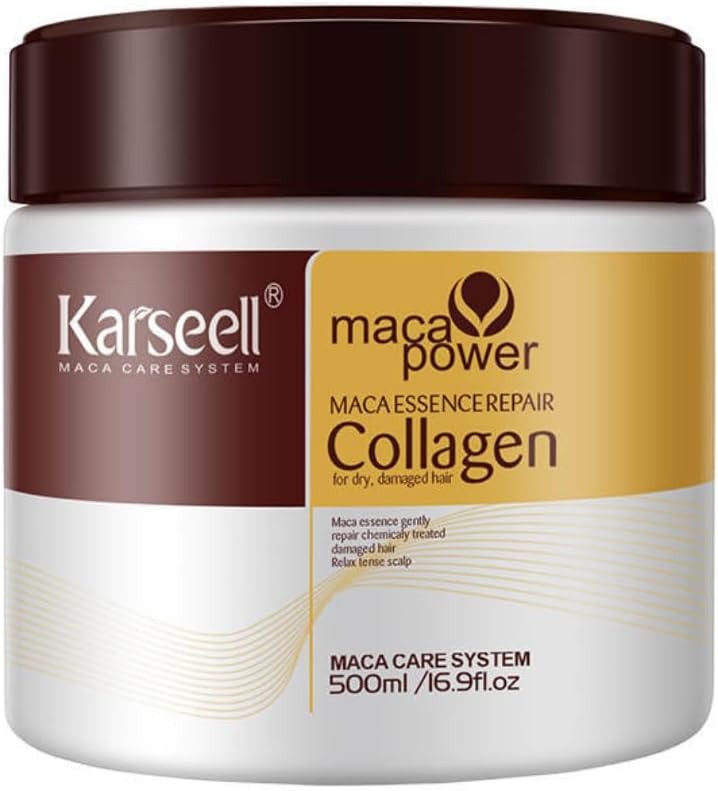
The WLD Store pick: Karseell Collagen Deep Repair Hair Mask
This is the collagen hair mask WLD Store stocks for shoppers who want a salon-style deep conditioning treatment to use at home.
- Product: Karseell Collagen Deep Repair Conditioning Hair Mask
- Formula: collagen and argan oil, formulated to penetrate the strand rather than sit on it
- Purpose: intensive moisturising and deep conditioning treatment
- Best suited to: dry, damaged and chemically treated hair
- Category: Beauty & Personal Care, Hair Care · Brand: WLD
- SKU: WLD-KSA-0118-(KD-283)
- Availability: available across Saudi Arabia through secure checkout
Full product details and photographs are on the Karseell Collagen Deep Repair Hair Mask product page. It is the sort of treatment that suits a weekly slot in a routine rather than daily use.
How to use a collagen hair mask: 9 easy steps
Application technique changes what a collagen hair mask delivers more than most people expect. The same tub can give an excellent week or a disappointing one depending on these nine points.
- 1. Shampoo first, condition after. A mask cannot penetrate through styling product or scalp oil. Wash, then treat.
- 2. Squeeze the water out. Hair should be damp, not dripping. Water still in the strand dilutes the mask and stops it depositing properly.
- 3. Start at the ends. The oldest hair is the most damaged and needs the most product. Work upward from there.
- 4. Keep it off the scalp. Roots are usually the newest, healthiest hair. A rich treatment there tends to make hair look flat and greasy by day two.
- 5. Use less than you think. A coin-sized amount for short hair, roughly a walnut for long. Excess rinses down the drain rather than absorbing.
- 6. Comb it through. A wide-tooth comb distributes the mask evenly and detangles at the same time, which is the safest moment to do it.
- 7. Give it time. Follow the instructions on the tub. Leaving a mask on far longer than directed does not deepen the effect.
- 8. Add gentle warmth if hair is very dry. A towel or shower cap traps heat and helps the cuticle stay open while the treatment works.
- 9. Rinse with cool water. A cool final rinse encourages the cuticle to lie flat, which is what locks in the smoothness you just created.
Hair should feel slippery while rinsing and noticeably softer once dry. If it feels coated or heavy instead, the amount was too generous for your hair type.
How often to use a collagen hair mask
Once a week suits most people with dry or damaged hair. Bleached, highlighted or heat-styled hair may want twice weekly for a month while condition recovers, then settle back to a weekly rhythm once the ends stop feeling rough.
There is such a thing as too often. Hair that receives heavy protein and oil treatment several times a week can start to feel stiff, straw-like and oddly brittle, a state usually described as protein overload. The fix is simple: pause the mask for a fortnight and use a light moisturising conditioner instead.
Seasonal adjustment helps too. Sun, salt water, chlorine and air conditioning all dry hair out, so summer often calls for a more frequent collagen hair mask than winter. Let how the ends feel guide the schedule rather than the calendar.
Matching a collagen hair mask to your hair type
Fine hair needs the lightest hand. Apply to the last few centimetres only, use a small amount, and rinse thoroughly. Fine hair shows weight faster than any other type, and one heavy application can flatten it for days.
Thick, coarse or curly hair is the natural home for a rich collagen hair mask. It can take a generous amount, benefits from longer processing with warmth, and often responds best when the mask is applied section by section so nothing is missed underneath.
Chemically treated hair sits somewhere in between and changes over time. Freshly bleached hair is porous and drinks up a collagen hair mask; the same hair three months later, with new growth at the root, needs the treatment concentrated on the older lengths only.
Building a weekly collagen hair mask routine
The treatment works best as a fixed slot rather than an occasional rescue. Most people settle on the same wash each week, usually the one where they are not in a hurry, because the extra ten minutes is the first thing to be dropped on a busy morning.
Think of the week in three parts. The mask wash is the intensive one, the other washes use an ordinary conditioner, and the days in between are about protection rather than repair, which mostly means lower heat and gentler handling.
Keep the tub where you will see it. A collagen hair mask stored in a cupboard with the spare towels gets used when somebody remembers, which is roughly once a month. The same tub sitting in the shower gets used every week without any decision being made at all.
Track how the ends feel rather than counting applications. Hair that has recovered stops needing weekly intensive treatment, and shifting to a fortnightly rhythm at that point avoids the stiffness that comes from overdoing protein.
Looking after hair between collagen hair mask treatments
A weekly collagen hair mask cannot outrun daily damage. The habits between treatments decide how long the improvement lasts, and most of them cost nothing.
Turn the heat down. Styling tools on their highest setting cause most of the damage a collagen hair mask is later asked to repair, and a lower setting with a heat protectant achieves nearly the same result with far less cost to the cuticle.
Be careful with wet hair. Hair is at its most fragile when soaked, so detangle with a wide-tooth comb from the ends upward rather than brushing from the roots. Squeeze water out with a soft towel instead of rubbing.
Loosen how you tie it. Tight elastics in the same spot every day create a weak point that eventually snaps, and sleeping on a smooth pillowcase reduces the overnight friction that roughens the cuticle.
Hard water, sun and air conditioning
Environment does as much damage as styling tools, and it is easier to ignore because it happens slowly. Hard water leaves mineral deposits along the cuticle that make hair feel rough and dull whatever products you use, and it is one of the most common reasons a collagen hair mask seems to stop working.
Strong sun is the second factor. Ultraviolet light degrades the protein in the strand and fades colour, and the effect is heaviest on the lengths that have been exposed longest. A hat, or simply tying hair up during the hottest part of the day, prevents more damage than any product can repair.
Air conditioning is the quiet one. Cooled indoor air is dry air, and hair loses moisture to it continuously through the day. That is precisely the gap a collagen hair mask fills, since a weekly deposit of oils slows the ongoing loss.
Chlorine and salt water strip hair as well. Rinsing with plain water immediately after a pool or the sea removes most of what would otherwise sit in the hair drying it out for the rest of the day.
Common problems and quick fixes
Four complaints cover nearly everything that goes wrong with a collagen hair mask.
- Hair feels greasy afterwards. The mask reached the roots, or too much was used. Keep it to mid-lengths and ends, and rinse for longer than feels necessary.
- Hair feels stiff or straw-like. Classic protein overload from treating too frequently. Stop the mask for two weeks and use a simple moisturising conditioner.
- No noticeable difference. Usually applied to hair that was too wet, or rinsed out too soon. Squeeze the water out first and respect the stated processing time.
- Ends still split after treatment. Expected. A collagen hair mask improves how split ends look and feel, but only scissors remove them, so book a trim every couple of months.
Collagen hair mask, conditioner or hair oil
These three do different jobs and are not interchangeable. A rinse-out conditioner is a daily surface treatment: it closes the cuticle enough to detangle and is designed to be washed off within a minute or two.
A collagen hair mask is the weekly intensive step, thicker and left on far longer to deposit protein and oils into the damaged parts of the strand. A leave-in oil or serum is the finishing step, applied to damp or dry hair to add slip and shine and to protect against heat. Most people with damaged hair use all three at different points in the week.
Buying checklist before you order
Five things worth checking before any collagen hair mask goes in the basket.
- Does it name your hair concern? Dry, damaged or chemically treated should appear on the label if that is your hair.
- Does it balance protein with oils? Protein alone tends to stiffen hair; oils alone soften without strengthening.
- Is the texture right for your hair? Thick and rich for coarse or curly hair, lighter for fine hair.
- How long does it need to work? A treatment that needs an hour will not survive a real morning routine.
- Will you use it weekly? A collagen hair mask only works if it becomes a habit, so pick one you will actually reach for.
Other Beauty & Personal Care picks at WLD Store
If you are building out a routine or a travel kit, these three sit nearby in the catalogue.
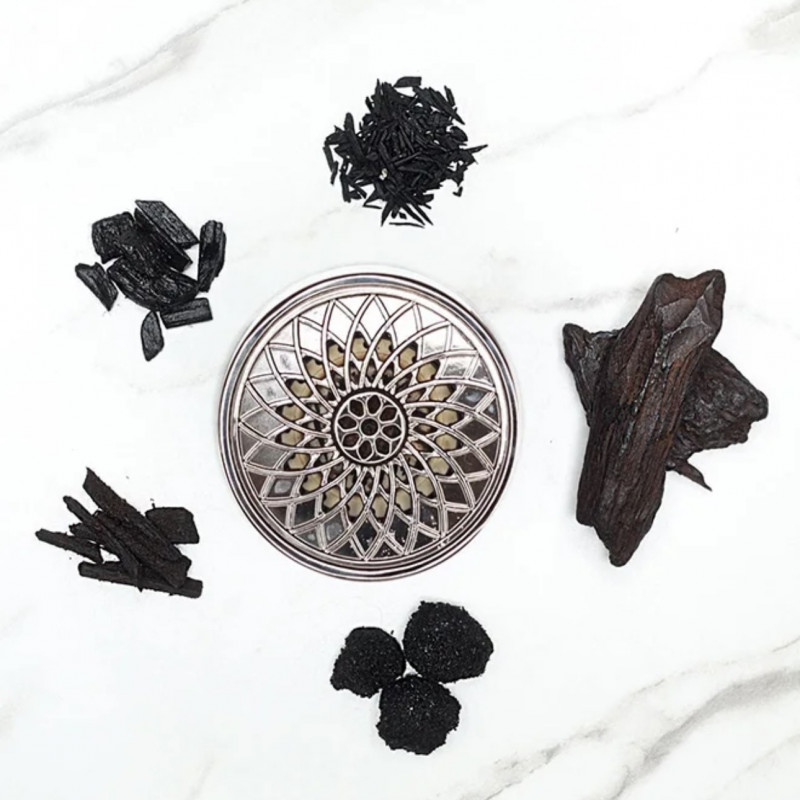

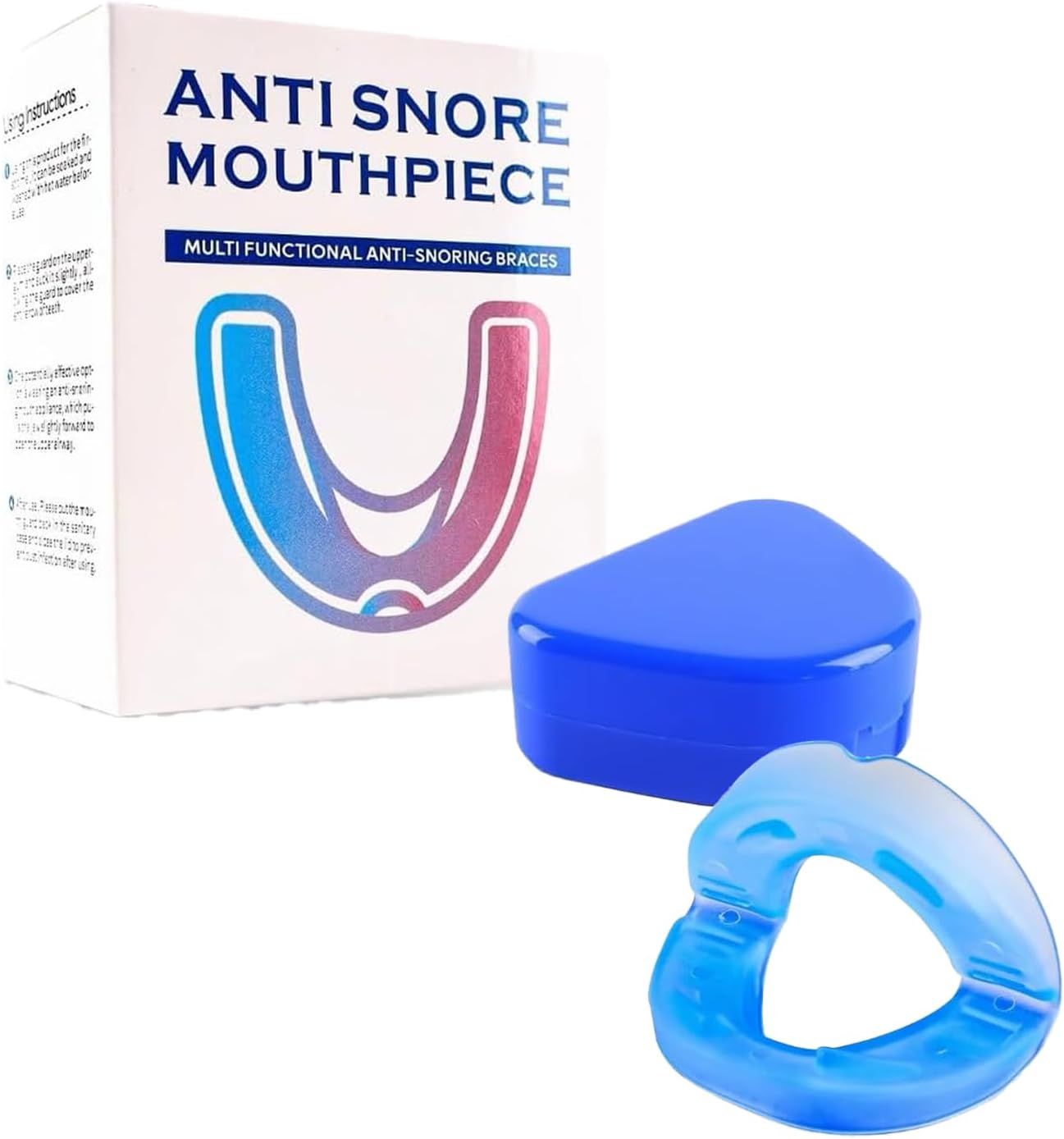
The Large Travel Cosmetic Bag is the practical companion here, since a tub of treatment is exactly the sort of thing that leaks into a suitcase without one.
Frequently asked questions about the collagen hair mask
Do I still need conditioner as well?
On mask days, no. The treatment replaces your conditioner in that wash rather than being layered on top of it. On other days, carry on with your usual conditioner as normal, since the two are meant for different frequencies.
Can I use it on coloured hair?
Yes. Chemically treated hair is one of the main reasons this kind of treatment exists, and a collagen hair mask is generally used to restore condition after colouring. Wait until at least a couple of days after a fresh colour so the cuticle has settled.
How long should I leave it on?
Follow the tub. Most deep treatments work within a set window, and leaving one on for hours does not multiply the effect. If hair is very dry, adding gentle warmth under a towel does more than adding time.
Will it help with hair fall?
Not directly. A conditioning treatment works on the strand, not the follicle, so it does not affect shedding at its source. What it does help with is breakage: hair that snaps mid-length from dryness often looks like hair fall, and that is a problem a mask genuinely improves.
Can men use it too?
Yes, without any modification. Damage from sun, chlorine, heat or bleach behaves the same way in anyone’s hair. Shorter hair simply needs a much smaller amount and a shorter rinse.
How soon will I notice a difference?
Most people feel the change in the first wash, in detangling and softness. The look of the ends usually improves over a few weeks of consistent use, because a collagen hair mask works cumulatively rather than as a one-off fix.
A collagen hair mask is one of the few hair habits where the effort and the reward line up neatly. Ten extra minutes once a week keeps damaged lengths comfortable to manage and buys real time between trims, which is often all anyone growing their hair out actually wants.
You can see the full listing on the Karseell Collagen Deep Repair Hair Mask product page, or browse more hair and beauty essentials in the Hair Care section, available across Saudi Arabia.





Add comment