A good pair of cozy home slippers does far more work than most people expect: they keep your feet warm on cold tile, stop you sliding on the stairs, and give your toes a rest from shoes that were never designed for lounging. This guide is written for anyone buying indoor footwear for the first time in years, or replacing a pair that has gone flat, thin and slippery. You will learn what separates a pair you keep wearing all winter from a pair you abandon after two weeks.
The guide also covers how to size cozy home slippers, how to wash them without wrecking the pile, and which small details genuinely matter, plus the WLD Store pick and the questions shoppers ask most often.
Why cozy home slippers matter more than you think
Floors are the coldest surface in most houses. Tile, laminate and sealed concrete sit at or below room temperature all year, and bare feet lose heat to them constantly. That steady drain is why people reach for the thermostat when a pair of cozy home slippers would have solved the problem for a fraction of the energy.
There is a hygiene argument too. Outdoor shoes carry grit, road salt, pollen and whatever was on the pavement straight into the living room. Keeping a dedicated indoor pair by the door turns a good habit into the path of least resistance, and it spares your flooring a season of scuffing at the same time.
Then there is safety, which nobody thinks about until something happens. Socks on smooth flooring are genuinely slippery, especially on stairs and in kitchens where a splash of water is normal. A slipper with a textured, grippy sole removes that hazard without asking anyone to wear trainers indoors.
Finally there is the everyday psychology of it. If you work from home, changing footwear is one of the few clear signals that the working part of the day has ended. Cozy home slippers are a small ritual that marks the switch, and that matters more than it sounds when your office and your living room are the same four walls.
What makes a good pair of cozy home slippers
Almost everything looks soft in a product photograph. The differences that decide whether you are still reaching for a pair in March come down to four things: what the upper is made from, what the sole does on your particular floors, how the fit behaves once the padding settles, and whether you can regulate the warmth.
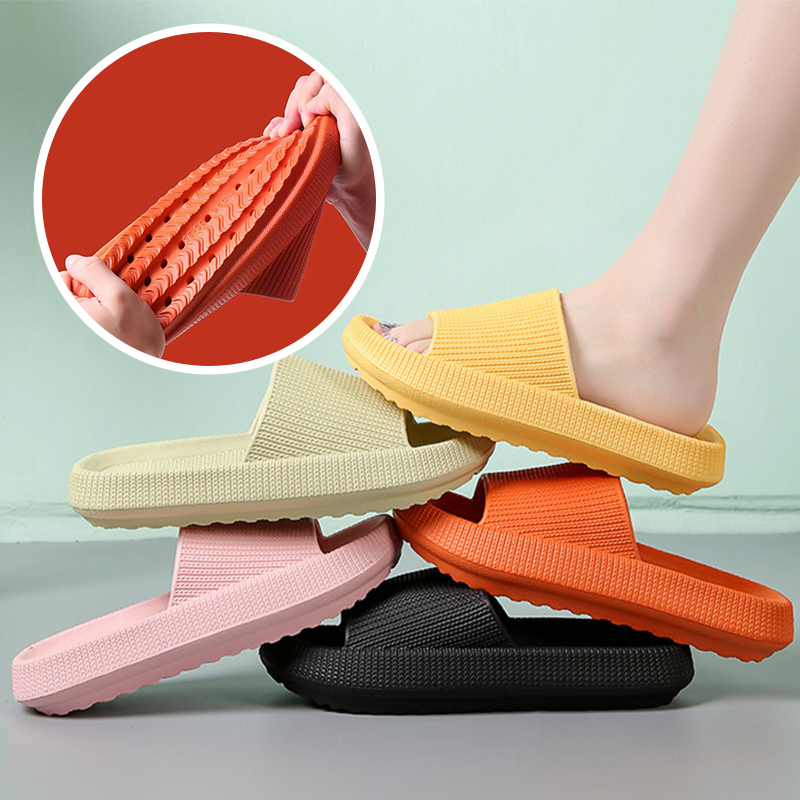
Upper material and lining
In cozy home slippers the lining does more for comfort than the outer fabric, because it is the part touching your skin. Dense, short pile holds its loft longer than very long fluff, which mats down and looks tired quickly. Run your hand against the grain when the pair arrives: if fibres come away on your palm, expect shedding on dark floors for the first few wears.
Knitted and felted uppers breathe better and suit people who overheat; plush uppers trap more warm air and suit cold houses. Neither is objectively better, and the honest way to choose cozy home slippers is to match them to how warm your home actually runs rather than to how they photograph.
Sole grip and floor protection
Look for cozy home slippers with a moulded or textured tread underneath rather than a flat, glossy panel. Grip is the single feature people underestimate, and it is the one that matters on a staircase. The sole should also be soft enough not to mark hardwood, which rules out hard plastic treads.
Check the thickness at the heel. Thin, unpadded soles transmit every cold spot in a tiled floor, and they wear through first at the ball of the foot. A slightly thicker platform insulates better and lasts longer, at the cost of feeling less like a sock.
Fit, sizing and back style
Cozy home slippers should be snug but never tight. Padding compresses by roughly a quarter of its original thickness in the first month, so a pair that feels perfect out of the box often feels loose by week five. If you sit between sizes and plan to wear thick socks, size up; if you will wear them barefoot, stay true to size.
Closed-back cozy home slippers stay on when you take the stairs two at a time and keep the heel warm. Open-back mules are quicker to slip on and cooler, but they slap on hard floors and slide off if you move quickly. Households with stairs are usually happier with a closed back.
Warmth you can regulate
The warmest pair of cozy home slippers is not automatically the best pair. Feet that overheat sweat, and damp lining feels cold and starts to smell. Good cozy home slippers keep a pocket of warm air around the foot while still letting moisture escape, which is why breathable linings beat sealed, waterproof ones for indoor use.
The WLD Store pick: Soft Cozy Home Couple Slippers
If you want one pair that covers the everyday case, here is what WLD Store lists for this product, with nothing added:
- Product: Soft Cozy Home Couple Slippers
- Brand: WLD
- Category: Home & Kitchen
- Description: plush, warm and non-slip slippers, made as the cosy pick for indoor wear at home
- Sold as: a couple pairing, so two people in the same household get the matching style
- SKU: WLD-US-0007-(CJ-CJBHNSNS25088)
- Availability: available across the USA through secure checkout
The combination that matters here is plush plus non-slip. Plenty of soft slippers skip the grip, and plenty of grippy ones are not soft. You can see the current listing, images and options on the Soft Cozy Home Couple Slippers product page.
How to get the best from your cozy home slippers
Give new cozy home slippers a few days before you judge them. Fresh padding is at its firmest on day one and settles into the shape of your foot over about a week of normal wear.
- Keep them indoor-only. One trip to the bin or the mailbox is enough to grind grit into the sole, and grit is what destroys grip.
- Decide on socks early. Wear the sock thickness you plan to live in when you first try the fit, because it changes the effective size by close to half a size.
- Store them off the floor. A shelf or a shoe rack by the door keeps the lining dry and stops the pair getting kicked under furniture.
- Rotate if you can. Two pairs alternated will outlast three pairs worn into the ground one after another, because the lining gets a full day to dry out.
- Air them every night. Loosening and opening them up rather than tossing them in a cupboard prevents most odour problems before they start.
People who treat cozy home slippers as disposable tend to replace them twice a season. People who follow the five habits above usually get a full winter and most of a second out of the same pair.
Placement: where a pair actually earns its keep
Think about your house as a set of cold surfaces. The entrance hall is where the pair should live, because that is where outdoor shoes come off and the swap needs to be effortless. If your entrance is tiled, that is also the coldest spot in the daily routine.
The kitchen is the second consideration. Standing at a counter for twenty minutes on a hard floor is hard on the heels and the lower back, and a padded sole takes a noticeable amount of that out. It is also the room where grip matters most, since water on tile is the classic indoor slip.
Bedrooms are where the closed-back question gets answered. If you get up in the night, you want something you can step into without looking and that will not slide off on the way to the bathroom. Many households end up keeping cozy home slippers in two places for exactly that reason.
Care and maintenance
Most cozy home slippers are thrown away long before they wear out, because they get grubby and nobody is sure whether washing them will ruin them. A simple routine avoids that.
Weekly: knock the soles together outside to shake out grit, and brush the upper with a soft clothes brush in one direction to lift the pile back up. This one step keeps a plush pair looking new for months.
Monthly: spot-clean marks with a cloth dampened in cool water and a drop of mild detergent. Work from the outside of the mark inwards so you do not spread it, then blot dry rather than rubbing.
As needed: a full wash. Unless the label says otherwise, cool water, a gentle cycle and a mesh laundry bag are the safe route. Never wring them out, and never put cozy home slippers in a tumble dryer, which is what melts and hardens sole materials.
Drying: stuff each slipper loosely with paper towel to hold its shape, then dry away from direct heat. A radiator feels like the fast option and is the single most common way people ruin a good pair. Expect twenty-four hours, and brush the pile again once it is fully dry.
End of season: wash, dry completely, and store somewhere ventilated rather than sealed in a plastic bag. Damp storage is what causes the musty smell people find in October.
Seasonal use: what changes through the year
Indoor footwear is treated as a winter purchase, which is why so many pairs are bought in November and forgotten by April. In practice the useful season is longer than that, and the way you wear them changes with the weather.
From late autumn to early spring, the job is insulation. This is when a plush lining earns its place, when the floor is genuinely cold underfoot, and when most households get the best value out of cozy home slippers. Thicker socks underneath are normal in this stretch, so factor that into sizing before you order.
Through spring and autumn the job changes to grip and floor protection rather than warmth. Rain gets tracked into hallways, floors get slick, and a textured sole is worth more than a thick one. Many people switch to a lighter pair here and keep the plush pair for the cold months.
Summer is the honest exception. In a hot house, or anywhere with air conditioning that keeps floors comfortable, a plush pair will make your feet sweat. Either move to an open-back knitted style for those months or go barefoot and store the winter pair properly. Washing and fully drying cozy home slippers before they go into summer storage is what prevents the musty smell people find when they dig them out again.
One planning note if you are buying as a gift: the useful window starts earlier than most shoppers assume. A pair bought in early autumn gets used immediately, while the same pair bought in January has already missed a third of the season it was meant for.
Common problems and quick fixes
- They slide on tile. The tread has usually filled with dust and skin oil. Scrub the sole with warm soapy water and a stiff brush, dry fully, and grip usually returns. If the tread has genuinely worn smooth, it is time to replace them.
- The lining has matted flat. Brush it while slightly damp with a soft brush, then let it dry naturally. Matting is compression, not loss, and most of the loft comes back.
- They smell. Odour in cozy home slippers is bacteria in trapped moisture. Wash, dry completely, and start alternating pairs. Sprinkling a little baking soda inside overnight and shaking it out in the morning handles mild cases.
- The heel has stretched loose. A thicker sock is the quick fix. The longer-term answer is a closed-back style next time, since open backs stretch fastest at exactly that point.
Who these are not for
Being honest about fit matters, because cozy home slippers are not the answer to every situation. If you need footwear for a garden, a garage or a school run, indoor slippers are the wrong tool and will be destroyed in a fortnight. Buy outdoor clogs for that.
People who need arch support for a diagnosed foot condition should treat cozy home slippers as comfort wear rather than a substitute for supportive footwear, and follow whatever advice their clinician has given. Soft padding is not the same thing as structured support.
Households with a very warm floor, such as underfloor heating running all day, often find plush styles too hot and are better served by a lighter knitted pair. And anyone who insists on wearing one pair outdoors as well as indoors should skip the plush category entirely.
Buying checklist
- Does the sole have a real tread pattern, or is it a flat glossy panel that will slide on tile?
- Will you wear them barefoot or over thick socks, and have you sized for that choice?
- Is the back closed enough to stay on if you use stairs several times a day?
- How warm does your home actually run, and does the upper match that rather than the photo?
- Can the pair be hand washed or machine washed on a gentle cycle, so a spill is not fatal?
Five honest answers here will steer you to the right cozy home slippers faster than any list of features. Most disappointing purchases fail on the first two points, not on quality.
Other home comfort picks at WLD Store
If you are putting together a general home order, these three sit alongside cozy home slippers in the WLD Store range:
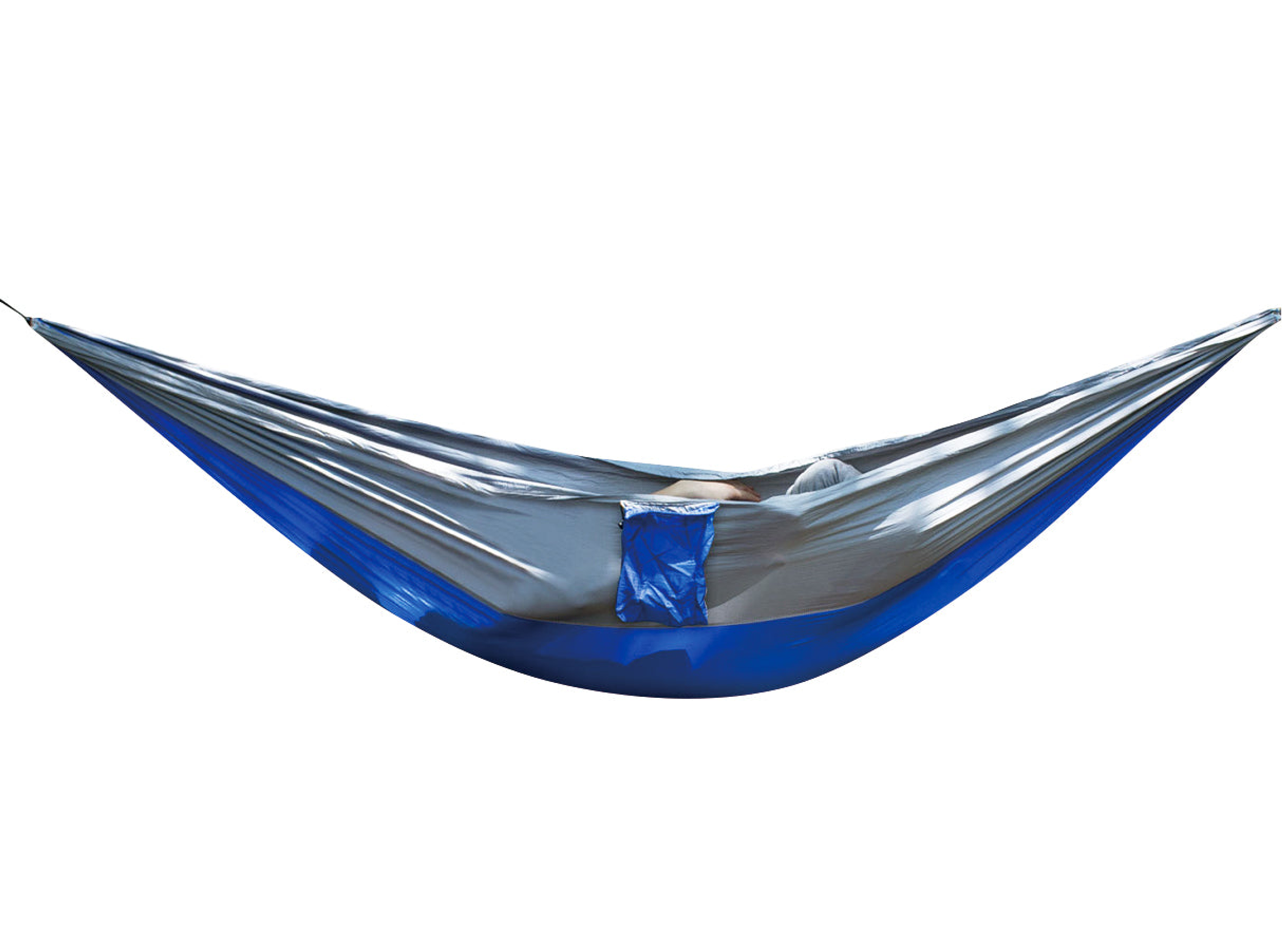
Portable Camping Hammock with Carry Pouch — a packable hammock that stores in its own pouch, for anyone whose idea of comfort extends to the garden or a weekend trip.
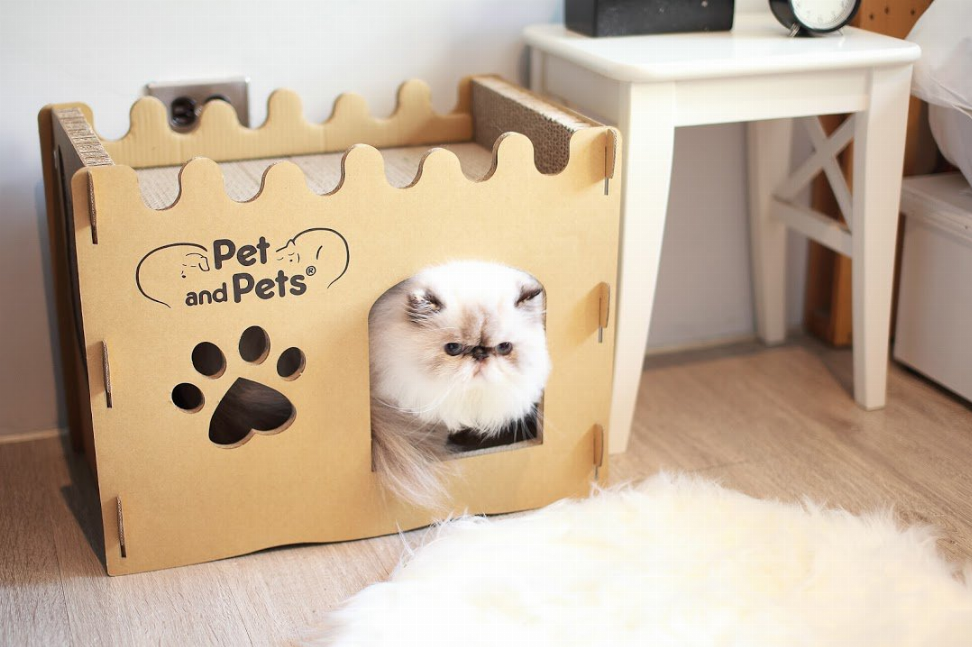
Bungalow Eco Pet House — a pet house in the eco range, for households that want the dog or cat to have a defined warm corner of their own.
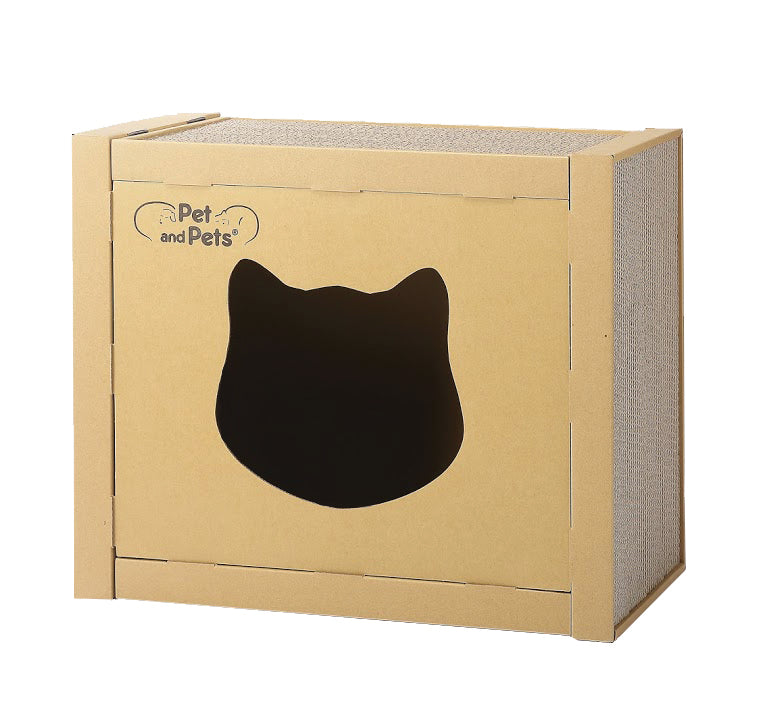
The Box Eco Pet House — the simpler box-shaped option in the same eco pet house family.
You can browse the wider range at the WLD Store shop.
Frequently asked questions about cozy home slippers
Are cozy home slippers safe on hardwood and polished tile?
A textured sole is safe on both, and considerably safer than socks. What you want to avoid is a hard, glossy sole, which behaves like a hockey puck on polished surfaces. Keep the tread clean and the grip stays reliable.
What size cozy home slippers should I order?
Order your normal shoe size if you will wear them barefoot, and size up if you live in thick socks. Padding compresses over the first month, so a pair that is very slightly snug on day one usually settles into the right fit rather than staying tight.
Can I wear cozy home slippers outside?
It is best not to. Cozy home slippers are built with soft soles for floor protection, and outdoor grit both wears the tread flat and gets carried back inside, which defeats the point of having an indoor pair at all.
How do I stop cozy home slippers smelling?
Odour comes from moisture, not from the slipper itself. Air them out every night rather than shutting them in a cupboard, alternate two pairs if you can, and wash them when they need it. That combination solves almost every case.
Is a couple pair different from buying two separate pairs?
Practically, it means a matching style for two people in the same household, which is why sets like this are popular as gifts. The construction and care advice in this guide applies exactly the same way to either half of the pair.
How long should cozy home slippers last?
With daily winter wear and the care routine above, a full season is a reasonable expectation and two is achievable. The sole tread is the usual limiting factor: once it is smooth, the pair has stopped being safe on hard floors regardless of how good the lining still looks.
The short version
Buy cozy home slippers for the sole first, the lining second and the photograph last. Match the warmth to your actual house, size for the socks you will really wear, keep the pair indoors, and wash them cool and dry them slowly. Do that and a pair of cozy home slippers stops being a throwaway item and becomes part of how the house works in winter.
If you want a plush, warm, non-slip pair to start from, the Soft Cozy Home Couple Slippers are the WLD Store pick described above, available across the USA through secure checkout. For everything else in the range, from kitchen gear to pet comfort, browse the Home & Kitchen section. If you enjoy the history behind everyday objects, the English Wikipedia entry on the slipper is a short and genuinely interesting read.


Add comment