A cordless hair straightener exists for a specific and very common problem: the moment you need to fix your hair is almost never the moment you are standing next to a plug socket. A battery-powered flat iron removes the cable, the adapter and the search for a free outlet. This guide covers what these irons genuinely do well, how to judge one before buying, how to get the most out of a limited battery, what the airline rules mean for packing one, and how to use heat on hair without doing damage over time.
What a cordless hair straightener is really for
It helps to be clear about the job a cordless hair straightener is designed to do. A cordless hair straightener is not usually intended to replace the iron on your dressing table for a full styling session from scratch. It is designed for the situations where a mains iron simply is not available.
Those situations are more common than they sound. A humid walk between the car and the office undoes a fringe. A day that started with a neat style ends with three flyaway sections after a headscarf or a helmet. A wedding, a flight, a hotel bathroom with one socket behind the mirror, a desk drawer at work: all of these are the natural home for a cordless hair straightener.
Understanding this shapes what you should look for. Speed to heat matters enormously, because you are usually working in a short window. Compact size matters because it needs to live in a bag. Total runtime matters less than you would think, because these are short sessions rather than long ones.
People who buy a cordless hair straightener expecting to do a full head of thick hair from wet, every morning, are usually the ones who end up disappointed. People who buy one as a portable touch-up tool tend to be very happy with it.
How the plates and heat actually work
A flat iron works by clamping hair between two heated plates and drawing them along the strand, temporarily reshaping it while heat and pressure are applied. The general principle is described in the Wikipedia article on hair irons.
Two things determine how well that goes: how evenly the plates hold their temperature, and how smoothly they glide. Uneven heat means some sections need a second pass, and every extra pass is extra heat exposure for the hair.
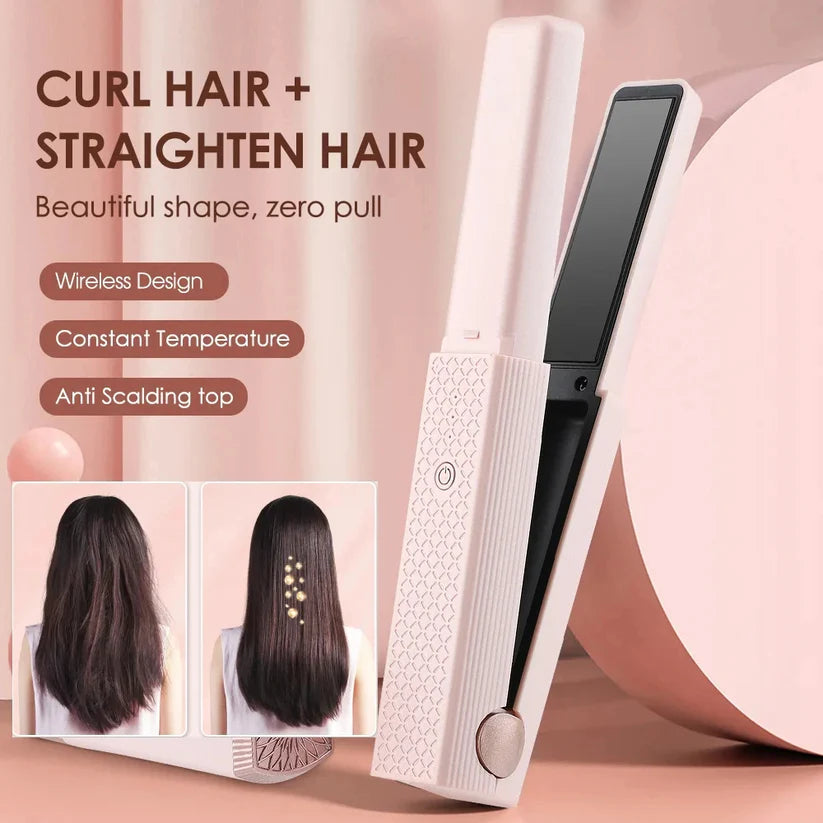
Plate material is where most of the marketing lives. Ceramic is valued for even heat distribution rather than for hot spots, and tourmaline is commonly included in coatings for its effect on frizz and shine. The WLD Store cordless hair straightener uses ceramic tourmaline plates, which the listing describes as reducing frizz and adding shine.
Temperature matters as much as material. Higher is not automatically better, because hair type determines what is appropriate, and running an iron hotter than necessary is the fastest route to damage over months of use.
What makes a good cordless hair straightener
On a cordless hair straightener, four specifications carry almost all of the practical difference between models.
Heat-up time
This is the specification that decides whether you actually use the thing. A device that takes two minutes to reach temperature will stay in the bag, because the moments you need it are the moments you have no time.
The WLD Store model is specified to reach 200°C in under 30 seconds. That is fast enough to be genuinely usable in a lift, a car park or a hotel corridor, which is exactly the point of a cordless hair straightener.
Battery life and charging
Runtime on any battery-powered heating device is limited by physics, so treat the figure as a session length rather than a day’s use. This model is specified at 30 minutes of battery life and charges over USB-C.
USB-C is worth calling out, because it means the same cable that charges your phone or laptop charges your cordless hair straightener. That removes the single most common travel problem, which is arriving somewhere without the one proprietary cable a device needs.
Plate size and body shape
Narrow plates suit a fringe, edges and short hair, and they are easier to control near the roots. Wider plates cover more hair per pass, which matters on long thick hair but makes precision work harder.
Body shape matters more than usual here because the device lives in a bag. Look for something that closes securely, has no protruding switch that can be knocked on, and is compact enough to sit alongside everything else you carry.
Safety features
A heated device in a handbag needs a heat-resistant cover or a locking mechanism, and an automatic shutoff is close to essential. Anything that can switch itself on inside a bag is a genuine hazard rather than an inconvenience.
The WLD Store pick: Cordless Hair Straightener
Here is exactly what the WLD Store listing states about this product, with nothing added:
- Product: Cordless Hair Straightener, a wireless flat iron for travel
- Brand: WLD
- Categories: Beauty & Personal Care, and Hair Care
- Charging: USB-C rechargeable
- Battery: 30 minutes of battery life
- Heat: heats up to 200°C in under 30 seconds
- Plates: ceramic tourmaline, described as reducing frizz and adding shine
- Design: compact and travel-friendly
- Availability: sold across Saudi Arabia with secure checkout
- SKU: WLD-KSA-0102-(KD-174)
The combination that matters here is the sub-30-second heat-up alongside USB-C charging, because together they define how usable a cordless hair straightener is away from home. You can see the full listing on the Cordless Hair Straightener product page.
How to use it well
Technique matters more on a cordless hair straightener than on a mains one, because every wasted pass costs runtime as well as hair health.
- Only ever straighten dry hair. Heat on wet hair causes the damage people blame on the iron itself. This is the most important rule of all.
- Use a heat protectant. Apply it before the hair is dry, not just before styling, and let it dry fully first.
- Section the hair. Thin sections straighten in one pass. Thick sections need three, which triples the heat exposure and drains the battery.
- Move steadily. One slow, continuous pass beats several fast ones, and it produces a smoother finish.
- Start at the temperature you need, not the maximum. Fine hair needs far less heat than coarse hair.
- Let it cool before packing. Every cordless hair straightener needs a few minutes and a proper cover before going back into a bag.
One habit worth building: do the sections that actually show first. If the battery runs down mid-session, you want the front and the parting done rather than the underneath layers nobody sees.
Getting the most from a limited battery
On a cordless hair straightener, a 30-minute figure is generous for touch-ups and tight for a full head, so a few habits stretch it a long way.
Charge it the night before rather than on the way out. Heating elements draw a lot of current, and a partly charged battery on a device like this delivers noticeably less usable time than a full one.
Switch it off between sections rather than leaving it hot while you clip hair up. Idle heating is where most of the runtime on a cordless hair straightener quietly disappears.
Work on prepared hair. A brush-through beforehand costs thirty seconds and saves several passes, which is the single biggest saving available.
Carry a power bank if you rely on it during long days. Because this model charges over USB-C, the same power bank you already carry for your phone will top up your cordless hair straightener between uses.
Travelling with one: what the airline rules mean
This section is worth reading before you pack, because the rules for battery-powered devices are different from those for ordinary appliances.
Devices containing lithium batteries are generally required to travel in the cabin rather than in checked baggage. That applies to a cordless hair straightener exactly as it applies to a laptop or a power bank, and it is a safety rule rather than a formality.
Rules vary by airline and by battery capacity, so check your specific airline’s dangerous goods guidance before flying rather than assuming. This is a two-minute check that avoids losing a device at a security desk.
Pack it in its cover, switched off, and ideally somewhere it cannot be pressed against other items. And do not rely on charging it in flight, since not every seat has a working USB port.
Heat and hair damage, honestly
Any heat styling has a cost, and being realistic about it is what keeps hair in good condition over years. A cordless hair straightener is no different from a mains iron in that respect.
Frequency is the main variable. Occasional touch-ups on dry hair with a protectant are a manageable habit. Daily straightening of the same sections at maximum temperature is where damage accumulates, regardless of how good the plates are.
Temperature is the second variable, and the one most people get wrong. Using the lowest setting that actually works on your hair type is more protective than any product you can apply afterwards.
Signs to watch for are increased breakage, split ends appearing higher up the strand, and a rough texture that conditioner no longer fixes. If those appear, reduce frequency before anything else. A cordless hair straightener used twice a week is a very different proposition from one used twice a day.
Matching the tool to your hair type
Hair type changes almost everything about how a flat iron should be used, and it is the variable most buying guides skip entirely.
Fine hair needs the least heat and the fewest passes. It straightens quickly, but it also shows damage soonest, so start at the lowest setting that works and only increase if a section genuinely will not hold.
Medium hair is the easiest to work with and the type most portable devices are designed around. Thin sections and one steady pass usually do it, and the runtime on a cordless hair straightener goes furthest here.
Coarse or very curly hair is the most demanding. It needs more heat, more time per section and more passes, which is exactly the combination a battery struggles with. If that is your hair type, treat a cordless hair straightener as a touch-up tool for the front sections rather than as your main iron.
Chemically treated or coloured hair deserves extra caution regardless of texture. Processing already weakens the hair shaft, so lower temperatures and less frequent styling matter more than they do on untreated hair.
Length matters separately from texture. Long hair has more surface area to cover, so a full session takes longer and drains any battery faster. Working from the parting outwards means the visible sections are finished first if you run short.
Whatever your hair type, the principle is the same: the lowest effective temperature, the thinnest practical sections and the fewest passes. That gets the best result from a cordless hair straightener and does the least damage over time.
Care and cleaning
- Let it cool completely first. Never clean or pack a warm iron.
- Wipe the plates regularly. Product residue bakes onto plates and creates drag, which means more passes and more damage.
- Keep the charging port clean. Lint in a USB-C port is a common and easily avoided cause of charging failures.
- Do not wrap anything around it. There is no cable to wind, which is one of the advantages, so avoid creating strain in other ways.
- Store it charged, not empty. Batteries left flat for months age faster than batteries stored with some charge in them.
A wipe after each use and a monthly look at the port covers everything a cordless hair straightener needs.
Cordless versus mains straighteners
A mains iron holds temperature indefinitely, usually offers wider plates and never runs out mid-session. For a full styling routine at home on thick or long hair, it remains the better tool and that is not a close call.
What it cannot do is travel well. It needs a socket, often an adapter, and a length of cable that tangles in a suitcase. A cordless hair straightener trades sustained power for the freedom to be used anywhere.
The sensible conclusion for most people is that these are complementary rather than competing. Keep a mains iron at home for full sessions, and carry a cordless one for the rest of the day.
If you can only own one and you travel frequently, a cordless hair straightener with a fast heat-up is the more useful choice. If you rarely leave the house before styling, the mains iron wins easily.
Who it is not for
Anyone with very long, very thick hair who wants to straighten it fully every day will find any battery device frustrating. The runtime is simply not designed for that job.
People who never leave home before doing their hair also gain little. The whole value proposition of a cordless hair straightener is portability, and if you never need portability you are paying for a feature you will not use.
And anyone whose hair is currently damaged should pause on heat styling altogether and focus on recovery first, with or without a cord.
Common problems and quick fixes
- The battery runs out too quickly. Switch it off between sections rather than leaving it idling, and start from a full charge rather than a partial one.
- Hair is not staying straight. Sections are too thick, or the hair is not fully dry. Take thinner sections and check the hair is completely dry first.
- The plates feel like they are dragging. Product residue has built up. Let it cool and wipe the plates clean.
- It will not charge. Check the port for lint and try a different cable before assuming the device has failed, since USB-C cables fail more often than devices do.
Buying checklist
- How quickly does it reach working temperature, and is that fast enough for how you will use it?
- Does it charge over USB-C so you can use cables you already own?
- Is the plate width right for your hair length and the sections you touch up most?
- Does it have a cover or lock so it is safe to carry in a bag?
- Have you checked your airline’s rules if you plan to fly with it?
Other beauty and personal care picks at WLD Store
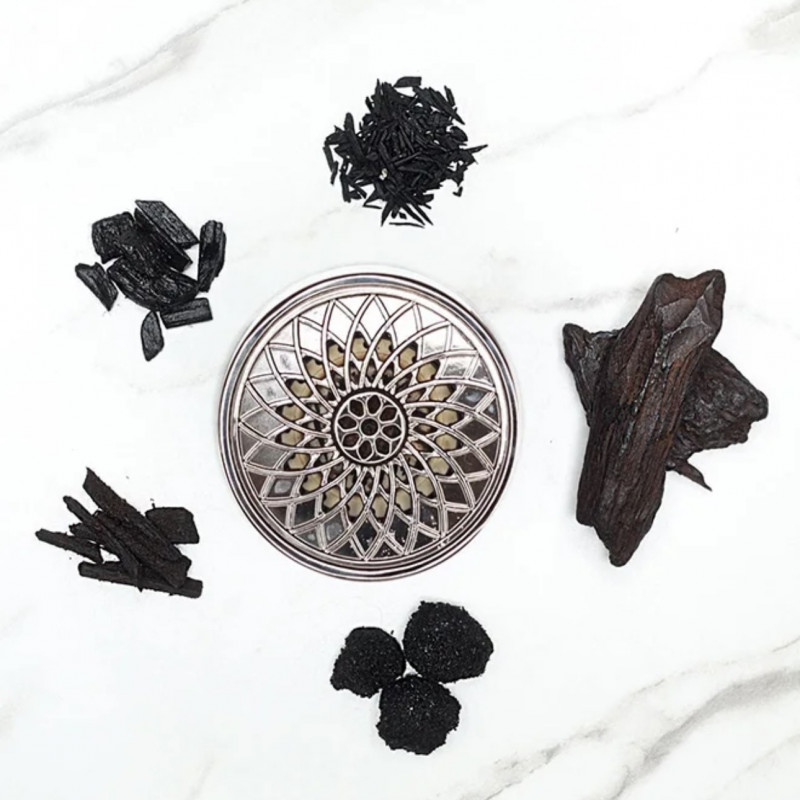
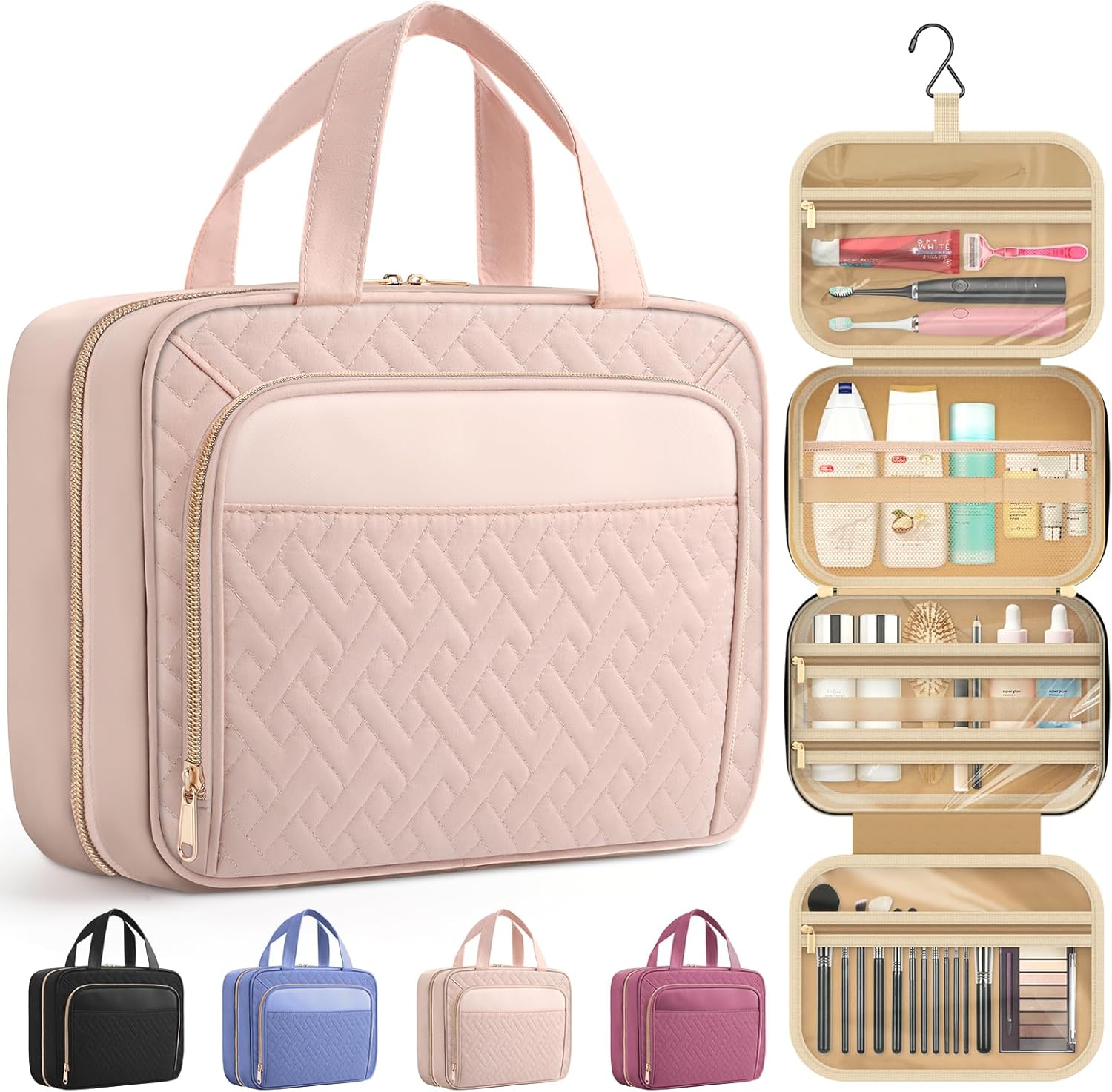
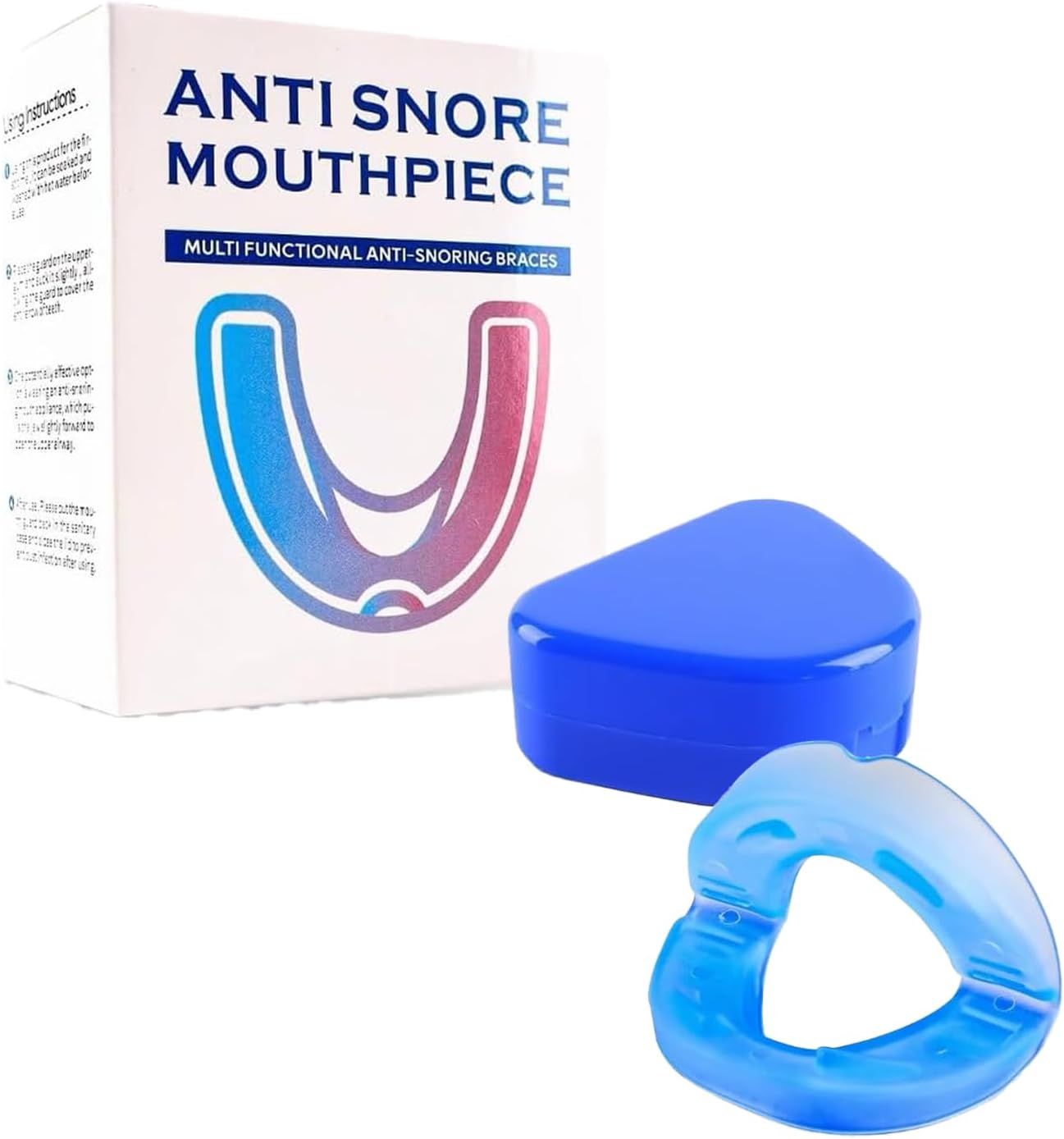
These three sit alongside it in the wider WLD Store range.
Frequently asked questions about the cordless hair straightener
How long does a cordless hair straightener last on one charge?
This model is specified at 30 minutes. In practice that covers touch-ups comfortably and a short styling session on medium-length hair, but it is not designed for straightening very long or thick hair from scratch every day.
Can I take one on a plane?
Devices with built-in lithium batteries generally must travel in the cabin rather than in checked baggage. Rules differ between airlines, so check your carrier’s guidance before you fly rather than finding out at the security desk.
Is it as effective as a mains straightener?
For touch-ups and shorter sessions, yes. For a full head of thick hair in one go, a mains iron holds temperature indefinitely and will always have the advantage. Most people who own both use each for a different purpose.
How do I charge it?
Over USB-C, which means any standard phone or laptop cable works. That is one of the practical advantages of this format, since a power bank can top up a cordless hair straightener anywhere.
Will it damage my hair?
Any heat styling carries a cost. Use it on completely dry hair, apply a heat protectant, use the lowest effective temperature and avoid repeated passes over the same section. Frequency matters far more than the specific device.
Can I use it on wet hair?
No. Straightening wet hair is the single most damaging thing you can do with any flat iron, cordless or not. Dry the hair fully first, even if that means waiting when you are in a hurry.
Bought for the right job, this is one of those products that quietly earns its place in a bag: fast to heat, easy to charge and always available when a style needs rescuing. The Cordless Hair Straightener lists its full specification on the product page, and the rest of the hair care range is in the Hair Care section.

Add comment