A camping hammock is one of the few pieces of outdoor gear that is genuinely easier than the thing it replaces. A folding chair takes up half a trunk and gives you somewhere stiff to sit; a hammock packs to the size of a loaf of bread and gives you somewhere to actually rest. This guide covers what separates a good camping hammock from a cheap one, how to hang it so it is comfortable rather than a banana-shaped trap, how to do it without damaging trees, and where the lightweight parachute-nylon model at WLD Store fits in.
Why a camping hammock earns its space in the pack
Weight and volume are the two currencies of anything you carry. A camping hammock wins on both, which is why it turns up in packs where a chair never would. It stuffs into its own pouch, weighs a fraction of rigid furniture, and takes up space that would otherwise be wasted air.
Comfort is the less obvious argument. A properly hung hammock supports you along your whole length instead of at three pressure points, and there is no ground underneath transmitting cold, damp or the one rock you failed to notice. Anyone who has spent a night on a slightly sloping campsite understands the appeal of not being on the ground at all.
Setup speed matters too. Two straps around two anchors and you are done, usually inside a couple of minutes, with no pegs to hammer into hard-baked earth and no poles to thread in fading light. That speed is what makes people actually use a camping hammock rather than leave it in the car.
It also travels beyond camping. The same piece of fabric works strung between two backyard trees, on a beach between palms, on a balcony with the right fixings, or at a festival. Very few outdoor purchases get used at home as much as this one does.
What to look for in a camping hammock
Hammocks look interchangeable in photographs and are not. Five things separate one you will keep for years from one that fails on its third outing.
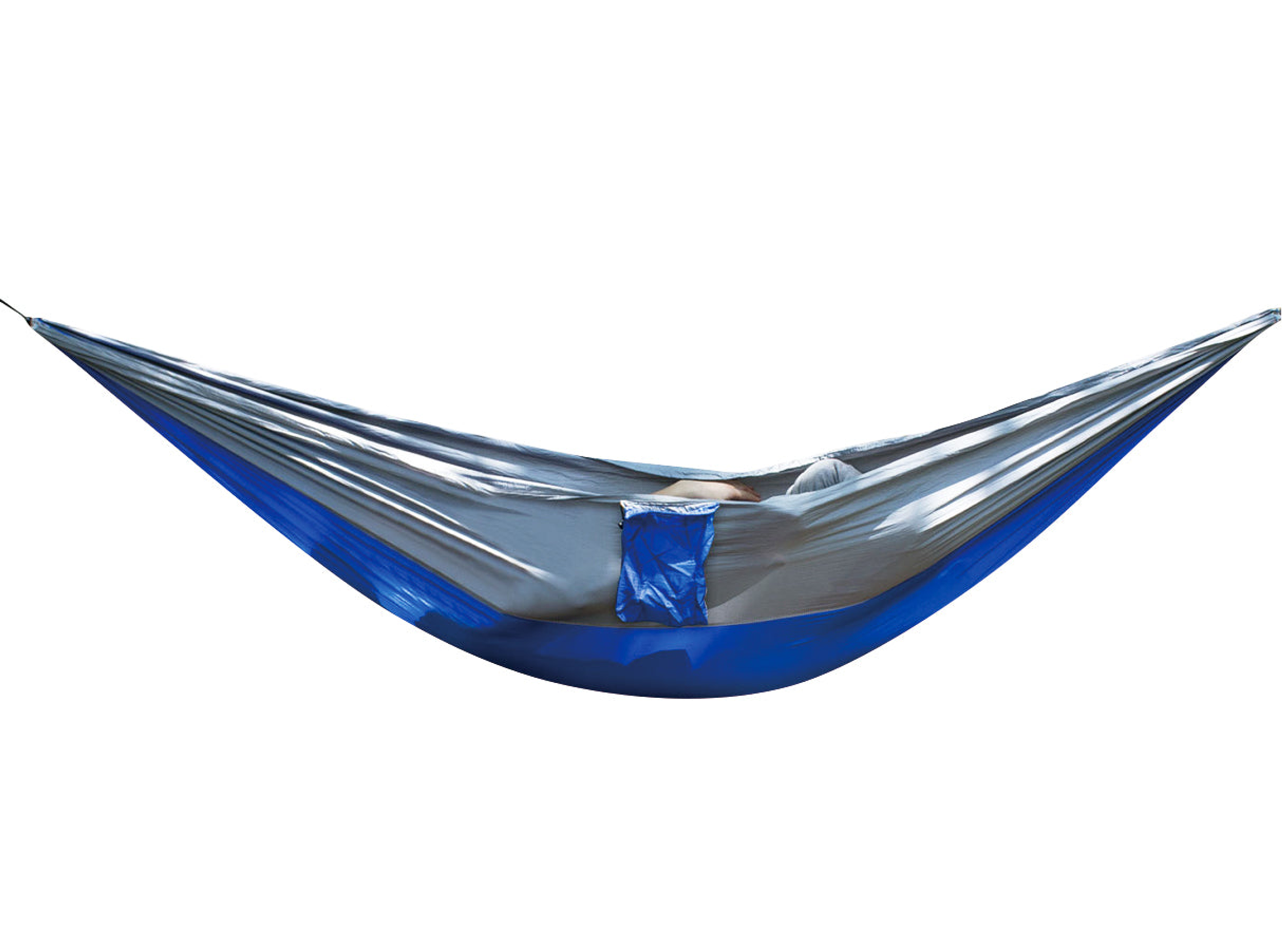
Fabric
Parachute nylon is the standard for a reason. It is strong for its weight, it breathes, it dries quickly after a shower, and it packs down without holding creases. Cotton and canvas hammocks are lovely to lie in and hopeless to carry: heavy, slow to dry, and prone to mildew if packed damp. For anything you intend to move, a nylon camping hammock is the right family of product. Look also at stitching, especially the seams at each end, since that is where load concentrates.
Straps and suspension
This is where cheap sets cut corners, and it is the part that decides both safety and tree health. Wide webbing straps spread load across bark instead of cutting into it; thin rope or bare cord does the opposite and can kill a tree over time. Multiple loops along the strap let you fine-tune the hang without knots, which matters more than it sounds when the two trees you found are not the ideal distance apart.
Size and how you will lie in it
Length governs comfort far more than width does. A hammock should be considerably longer than you are tall, because you lie diagonally in it rather than straight along the middle. Width decides how much fabric wraps around you, which is a matter of preference: more fabric is cosier and more enveloping, less is airier. If two people will ever share it, check the stated capacity rather than assuming.
Packed size and the carry pouch
An integrated pouch, usually sewn to one side so it cannot get lost, is a small feature that decides whether the thing gets packed away neatly or shoved into a bag in a ball. A camping hammock that stuffs into its own pocket in fifteen seconds gets used far more than one that needs folding.
Hardware
Carabiners, rings and links are the pieces carrying your entire weight. They should be solid, smoothly finished and free of casting flaws. Look at how the hammock attaches to them, and treat any hardware that feels light or has rough edges as a reason to look elsewhere.
The WLD Store pick: Portable Camping Hammock with Carry Pouch
Here is the camping hammock we stock, described using only what the listing states:
- Product: Portable Camping Hammock with Carry Pouch
- Brand: WLD
- Category: Home and Kitchen, outdoor and leisure
- Fabric: lightweight parachute nylon
- Included: straps and a carry pouch
- Setup: described as setting up in minutes
- Intended use: camp, beach or backyard
- SKU: WLD-US-0026-(IS-TDNS001038B001723P000034V001)
- Availability: available across the USA through WLD Store with secure checkout
Parachute nylon with straps and a pouch is the combination that makes a camping hammock portable rather than merely light, since the straps are the part people most often have to buy separately. Full details and current availability are on the Portable Camping Hammock product page.
How to hang a camping hammock properly
Almost every complaint about hammock comfort is really a complaint about how it was hung. Get these right and the difference is dramatic.
- Aim for roughly a 30-degree strap angle. The straps should come down from the anchors at about thirty degrees from horizontal, not stretched tight and level. A tight, flat hang is the single biggest cause of a hammock squeezing your shoulders.
- Let it sag. A deep curve is correct. The lowest point should sit around chair height, so you can sit down naturally and swing your legs up.
- Choose anchors carefully. Living trees at least six inches thick, with no dead branches overhead. Test anything you did not plant yourself before you trust it.
- Use wide straps, always. Webbing at least an inch wide protects bark. Many parks require it, and it is basic courtesy where they do not.
- Lie diagonally, not straight down the middle. Shift your body across the fabric at an angle and the hammock flattens out under you. This is the trick that converts a camping hammock from tolerable to genuinely comfortable.
- Keep the ends level with each other. Uneven anchor heights slide you toward the low end all night.
- Sit low enough to get out safely. A high hang is fun until you have to dismount in the dark.
For overnight use rather than an afternoon nap, remember that a hammock cools you from below. Air moving under the fabric strips heat far faster than the ground would, so an underquilt or a sleeping pad inside the hammock is what makes cool nights work. The history and construction of hammocks is worth a read if you want to understand why the diagonal lie works.
Picking the spot, and reading the weather
Where you hang matters as much as how. Look up before anything else: dead branches are the genuine hazard in a wooded site, and no amount of careful rigging helps if something falls. Then look down, because you will be getting in and out, and a slope, a root or a patch of nettles under the hammock becomes a problem in the dark.
Wind and sun deserve a thought too. A hammock strung across a gap acts like a sail on a breezy afternoon, so tucking in behind a hedge or a stand of trees makes an hour outside far more pleasant. In hot weather, hang where afternoon shade will reach you rather than where shade happens to be at noon. On the beach, keep sand out of the fabric by shaking your feet off before getting in, since grit is what wears the fibres.
If rain is a possibility, a tarp pitched above the hammock is the standard answer, and it needs to be pitched before you need it rather than after. A wet nylon hammock is usable, but a wet person in one is not.
Camping hammock care and repair
- Never pack it damp. Nylon dries quickly, so hang it for an hour before stuffing it away. Damp fabric in a sealed pouch grows mildew that no wash removes.
- Shake out grit before packing. Sand and small stones abrade fibres from the inside every time the fabric moves.
- Wash by hand and air dry. Cool water, mild soap, no bleach, no tumble dryer. Heat is what damages nylon and any coating on it.
- Inspect the seams and straps each trip. Look for fraying at the gathered ends and at any point where webbing passes over a hard edge.
- Repair small tears immediately. A nylon repair patch stops a pinhole becoming a rip. A tear under load grows very quickly.
- Store it loose and dry at home. Long-term compression in a hot car is unkind to any camping hammock, and sunlight through a windscreen degrades nylon over a season.
Common problems and quick fixes
- It squeezes your shoulders. The hang is too tight. Loosen the straps until there is a proper sag, then lie diagonally. This fixes it almost every time.
- You keep sliding to one end. The two anchor points are at different heights. Raise the low side until the fabric hangs symmetrically.
- Your back aches after an hour. You are lying along the centreline, which curves your spine. Move across the fabric at an angle so your body lies flatter.
- You are cold underneath even in mild weather. Normal, and not a fault. Air beneath the hammock removes heat; add a pad or underquilt rather than more blankets on top.
Camping hammock buying checklist
- Are straps included, and how wide are they? A hammock without tree-friendly webbing is an incomplete purchase.
- Is it long enough for a diagonal lie? Comfort depends on length far more than on width.
- What is the stated capacity, and will two people ever use it? Check rather than assume.
- Does the carry pouch attach to the hammock? Separate stuff sacks get lost within two trips.
- Where will you actually hang it? Backyard, campsite and beach all have different anchor realities; a camping hammock is only as good as the two things you tie it to.
More outdoor and home picks at WLD Store
These three are popular with the same shoppers who buy a camping hammock:

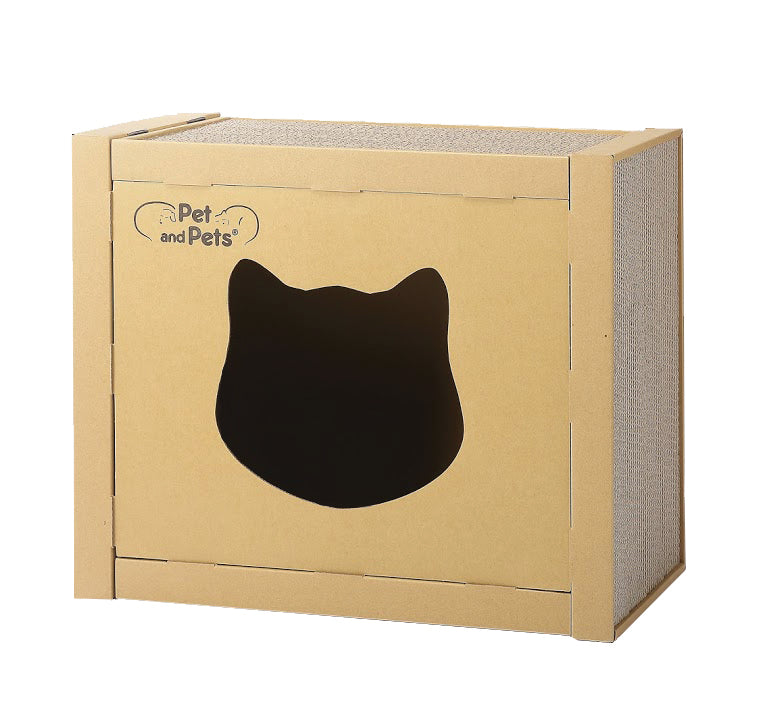
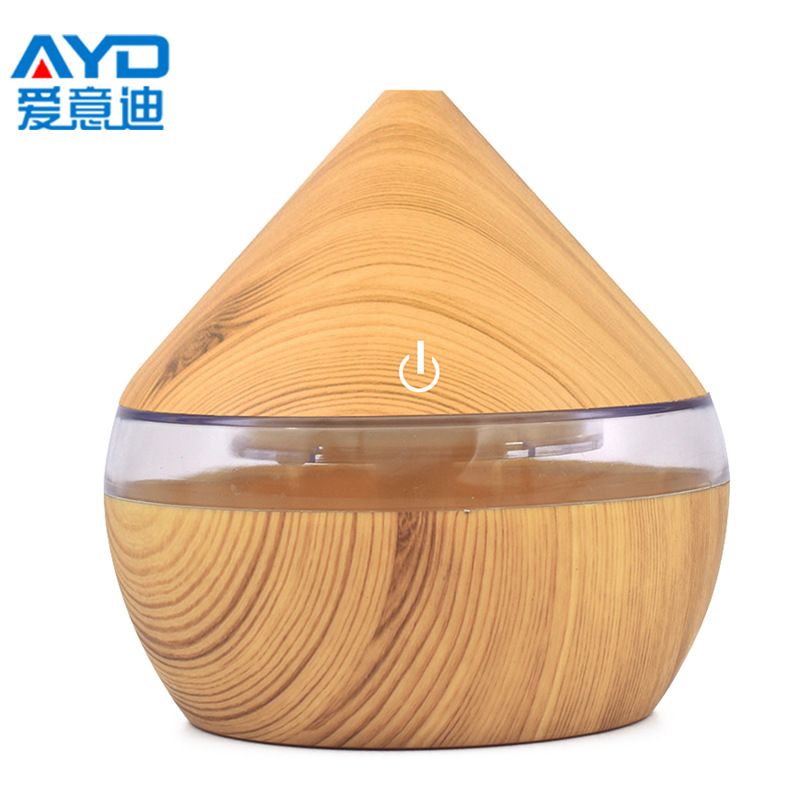
Staying warm in a camping hammock, even in mild weather
The first cold night in a hammock surprises almost everyone. You can be perfectly comfortable at a given temperature in a tent and shivering at the same temperature in a camping hammock, and the reason has nothing to do with the fabric being thin.
Insulation works by trapping air. When you lie on a sleeping bag your body weight crushes the filling underneath you flat, and crushed filling holds no air. In a tent the ground beneath is still and slowly warms up. Under a camping hammock, moving air strips that heat away all night. Campers call it cold back, and it starts at temperatures most people would describe as mild.
There are two standard fixes. A closed-cell foam or inflatable sleeping pad inside the hammock puts uncrushable insulation between you and the air; it is cheap and it works, though pads slide and you will spend part of the night rearranging one. An underquilt hangs outside and beneath the hammock so nothing compresses it, which is more comfortable and costs more.
A few habits help whichever you choose. Change into dry clothes before you get in, since damp clothing keeps pulling heat out of you. Put a jacket or a folded towel under your shoulders and hips, the two places that lose heat fastest. And rig the tarp lower on cold nights so wind is not travelling straight underneath you.
Wind matters more than air temperature. A still night can feel fine while the same night with a light breeze under the hammock feels far colder. Given a choice of pitch, take the sheltered one behind a bank or a thicket rather than the scenic one on the ridge.
Camping hammock or tent: choosing the right one for the trip
A hammock is not a lighter tent. It is a different way of sleeping outdoors with a different set of trade-offs, and the honest answer is that many experienced campers own both.
A camping hammock wins wherever the ground is against you: sloped, rocky, root-covered, waterlogged or crawling with insects. It wins on weight and packed size, it sets up in a couple of minutes, and it leaves nothing behind on the ground. It also wins on comfort for anyone whose hips complain about a thin pad over hard earth.
A tent wins wherever there are no trees. Open moorland, beaches, dunes, high alpine pitches and a great many organised campsites simply do not offer two solid anchor points at the right spacing. A tent also wins for couples, for anyone camping with small children, and for keeping gear out of the rain in a porch.
- Forest and riverside trails: a camping hammock, almost always.
- Open ground with no trees: a tent, or a hammock rigged low as a ground bivvy.
- Two people sleeping together: a tent.
- Fast overnight trips with a long walk in: a camping hammock, for the weight saved.
- Cold-season camping on a tight budget: a tent, because hammock insulation adds cost.
There is a middle option people forget. Even on a tent trip, a camping hammock in the pack is a comfortable seat at camp, a rest spot halfway through a long walk and a dry place to sit out an hour of rain.
Frequently asked questions about a camping hammock
How far apart should the trees be?
Somewhere between about ten and fifteen feet suits most hammocks, but the straps are what give you flexibility. Multiple attachment loops let you take up slack when the anchors are close and let the hammock out when they are further apart. What matters is the resulting angle, not the exact distance.
Can you sleep in one all night?
Plenty of people do, and comfortably, provided it is hung with a good sag and you lie diagonally. The thing that catches beginners out is temperature rather than comfort: you lose heat downward through the fabric, so insulation underneath you is essential on anything but a warm night.
Will it damage the trees?
Not if you use wide webbing straps. Thin rope or cord bites into bark and can girdle a young tree, which is why many parks require straps of a minimum width. Choose healthy living trees of reasonable thickness, and avoid hanging anything from a tree with dead limbs above it.
Is parachute nylon strong enough?
Yes, it is the standard fabric for portable hammocks precisely because it carries a great deal of load for very little weight. The parts to inspect over time are the seams, the gathered ends and the hardware rather than the fabric panel itself.
Can I use a camping hammock indoors or on a balcony?
Only with proper fixings into structural material, which is a different job from wrapping straps around a tree. Anchors must go into a joist, beam or masonry with hardware rated for the load. If you are unsure what is behind the wall, do not guess.
How small does it pack down?
A lightweight nylon model with an attached pouch typically stuffs to roughly the size of a small loaf, which is what makes it practical to carry on the off chance. That packability is the main reason a camping hammock gets used far more often than heavier seating ever does.
A camping hammock is a small, forgiving purchase that pays off the first afternoon you use it, and hanging it correctly costs nothing. If the parachute-nylon model with straps and carry pouch suits your trips, the full listing is on the product page, and you can browse the rest of the range in the Home & Kitchen section.







Add comment