An acne spot treatment gel is a precision tool, not a face wash. It goes exactly where a blemish is, in a small amount, and its job is to shorten the life of that individual spot rather than to manage your skin as a whole.
This guide explains how salicylic acid works, which kinds of blemish respond to a gel and which do not, what separates a good acne spot treatment gel from one that simply dries out your face, how to fit it into a routine, what the Saudi climate adds to the picture, and six questions answered for local shoppers.
What an acne spot treatment gel is actually for
There is a meaningful difference between treating acne and treating a spot, and confusing the two is the most common mistake people make.
A whole-face treatment works on the process: it keeps pores clear across the areas that break out, and it is applied everywhere those areas are, every day, whether or not anything is visible.
An acne spot treatment gel works on the individual lesion that has already formed. It is applied to that spot only, for a few days, and then stopped.
Using a spot product all over the face is how people end up with skin that is dry, tight and flaking while still breaking out. Using a whole-face routine on one spot achieves very little. Both tools have a place, and they are not interchangeable.
How salicylic acid works in a spot gel
Salicylic acid is the active in most of the market, and its single most useful property is that it is oil-soluble. That is the reason it dominates the acne spot treatment gel category.
Most exfoliating acids are water-soluble, which means they work on the surface of the skin. Salicylic acid dissolves into sebum, so it can travel down into the pore itself and loosen the plug of dead cells and oil sitting there. The chemistry is summarised on the Wikipedia page for salicylic acid.
It also has a mild calming effect on the surrounding skin, which is why an acne spot treatment gel containing it tends to reduce visible redness alongside clearing the pore.
What it does not do is work overnight. Loosening a plug takes days rather than hours, and a spot that appears to vanish by morning was usually on its way out anyway.
Which blemishes an acne spot treatment gel can help
Knowing what you are looking at saves both money and disappointment, because not every bump is the same thing.
Blackheads and whiteheads are blocked pores near the surface. These respond best to salicylic acid, since the plug is exactly what the acid is designed to loosen.
Small red papules and the pustules people call ordinary pimples usually improve too. An acne spot treatment gel can shorten their life by a day or two and calm the redness around them meaningfully.
Deep, painful lumps under the skin that never come to a head are a different matter. Nodules and cysts sit far below where a topical gel reaches, and no amount of spot treatment resolves them. Those need a doctor.
Dark marks left behind after a spot has healed are not acne at all. They are post-inflammatory pigmentation, they fade slowly on their own, and sun protection does more for them than any spot product.
What makes a good acne spot treatment gel
Every acne spot treatment gel looks interchangeable in a bottle. Five things determine whether one clears a spot or simply leaves a dry patch where the spot used to be.
A sensible concentration
More is not better with acids. Higher strengths irritate skin, and irritated skin is both redder and more prone to marking after a breakout heals.
A moderate concentration used consistently outperforms a harsh one used twice before you give up on it. The right acne spot treatment gel is one you can tolerate for several days in a row.
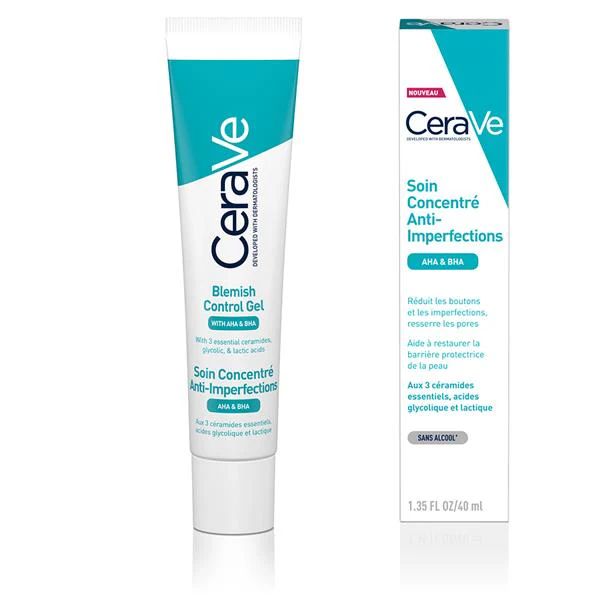
A light, non-greasy base
The base carries the active, and a heavy one on already-congested skin defeats the purpose. Gels suit oily and combination skin far better than creams for this reason.
It should also dry down enough to sit under sunscreen or makeup without rolling into pills, since most people apply one of those on top.
Soothing ingredients alongside the active
Acids work, and they also irritate. Formulas that pair the active with calming botanicals or humectants are noticeably more comfortable over several days of use.
This is what separates an acne spot treatment gel you can use for a week from one that leaves a flaking patch after two nights.
An applicator that stays clean
Anything that touches a blemish and then goes back into the bottle carries bacteria with it. A pump or a tube is more hygienic than a wide-mouthed jar.
If the product uses a wand or brush, wipe it before it returns, and never share the product with anyone else.
Packaging that protects the formula
Actives degrade in light and air. Opaque packaging with a small opening keeps a formula effective for longer than a clear bottle on a bright bathroom shelf.
Check the period-after-opening symbol as well; an old bottle of anything active is a weaker version of what you bought.
The WLD Store pick: Blemish Control Gel for Acne-Prone Skin
WLD Store lists this product for shoppers in Saudi Arabia. Everything below comes from the listing itself, with nothing added.
- Product: Blemish Control Gel for Acne-Prone Skin, a targeted spot treatment
- Category: Beauty and Personal Care, filed under Skin Care
- Brand: WLD
- SKU: WLD-KSA-0045-(KD-KD0161)
- Stated formulation: described as containing salicylic acid and soothing botanicals
- Stated action: presented as reducing redness, unclogging pores and helping prevent future breakouts
- Stated texture: listed as a lightweight, non-greasy formula suitable for oily and combination skin
- Market: available across Saudi Arabia
Current photographs, options and stock status are on the Blemish Control Gel product page. These are the listing’s own descriptions. Persistent or severe acne is a medical matter, and a dermatologist is the right person to advise on it.
How to use an acne spot treatment gel
Applying an acne spot treatment gel is a short routine, and each step exists for a reason.
- Cleanse and dry the skin first. Applying an active over sunscreen, makeup or sweat wastes it.
- Use a genuinely small amount. A thin dot that covers the blemish is enough, and spreading it wider only dries healthy skin.
- Apply with a clean fingertip or a cotton bud, not with the same finger you have used elsewhere.
- Let it absorb for a minute before anything goes on top.
- Moisturise the rest of the face as normal. A spot treatment does not replace hydration, and dry skin heals more slowly.
- Start once a day, usually at night, and only increase if your skin is comfortable after several days.
Stop when the spot has gone. Continuing to treat skin where there is nothing left to treat is how a small dry patch appears in place of the blemish.
Building a routine around an acne spot treatment gel
A spot treatment works best inside a simple routine rather than as the whole of one.
A gentle cleanser twice a day is the foundation. Harsh foaming washes that leave skin squeaky strip the barrier, and a damaged barrier breaks out more, not less.
A light moisturiser matters even on oily skin. Skipping it often increases oil production and makes any acne spot treatment gel harder to tolerate.
Sunscreen every morning is the step that protects against marks. Post-acne pigmentation darkens with sun exposure and fades far more slowly without protection.
Add one thing at a time and give it several weeks. Changing four products at once means you will never know which one helped or which one caused a reaction.
What the Saudi climate adds
Local conditions genuinely affect breakouts, and a few of them are easy to overlook.
Heat and humidity increase sweating, and sweat mixed with sunscreen and dust sits on the skin all day. Cleansing properly in the evening matters more here than in a cool climate.
Air conditioning does the opposite, drying the skin surface while oil production continues underneath. That combination of dehydrated surface and oily pores is very common locally.
Daily sunscreen is non-negotiable for anyone using an acne spot treatment gel, because salicylic acid can leave skin more sensitive to sunlight and because marks darken without it.
Frequent face touching, phone screens against the cheek and shared pillowcases in busy households all contribute. None of these are glamorous factors, and all of them are cheaper to fix than another product.
What not to do with an acne spot treatment gel
Some habits actively undo the work a treatment is doing.
Do not pick or squeeze. It pushes inflammation deeper, extends healing by days and is the single largest cause of the dark marks and scars that outlast the spot itself.
Do not layer several strong actives on the same spot. Salicylic acid, benzoyl peroxide and a retinoid together is not three times as effective; it is a recipe for a raw patch.
Do not apply an acne spot treatment gel over the entire face in the hope of prevention. That is not what it is formulated for.
Do not scrub. Physical exfoliation on inflamed skin spreads bacteria and damages the barrier at exactly the moment it needs support.
Care and storage of an acne spot treatment gel
Actives are more fragile than the packaging suggests, and heat is the main threat here.
Keep an acne spot treatment gel somewhere cool and out of direct sunlight. A closed bathroom cabinet is better than a windowsill, and far better than a car.
Close the cap fully after every use so the formula is not sitting open to the air between applications.
Do not decant into another container. Repackaging exposes the product and often loses whatever light protection the original bottle provided.
Watch for changes in colour, smell or texture. Any of them means the formula has degraded and should be replaced.
Common acne spot treatment gel problems and fixes
- A dry, flaky patch where the spot was. Too much product or too many days of use. Reduce to a thin dot, apply every other night and moisturise around it.
- Redness and stinging on application. The concentration is too strong for your skin or the barrier is already compromised. Pause for several days and restore with a gentle moisturiser first.
- Nothing has changed after a week. The blemish may be a nodule or cyst, which a topical gel cannot reach. That is the point to seek professional advice.
- New spots keep appearing elsewhere. Spot treatment does not prevent breakouts. You need a whole-face routine addressing the process, not more of the gel.
Who an acne spot treatment gel is not for
It is not for severe, widespread or cystic acne. Those respond to prescription treatment, and delaying that in favour of a topical gel allows scarring that is far harder to address later.
It is not for skin that is already raw, broken or sunburned. Adding an acid to a compromised barrier makes things worse before it makes them better.
Anyone pregnant or breastfeeding should check with a doctor before using salicylic acid products, as recommendations differ by strength and by country.
Very dry or highly reactive skin often tolerates a gel formula poorly. If that is you, patch test on the jawline before putting anything on your face.
Realistic timelines for an acne spot treatment gel
Understanding the timeline is what stops people from over-applying out of impatience.
A spot already inflamed will typically calm over two to four days with consistent treatment, and the redness usually improves before the bump does.
Pores that are congested but not inflamed clear more gradually, over one to two weeks, because loosening a plug is a slow mechanical process.
Marks left behind take months regardless of what you apply. Sun protection speeds that up more than any acne spot treatment gel can.
Photograph your skin in the same light every couple of weeks. Memory is unreliable, and gradual improvement is almost impossible to notice day to day.
Spot gel against the alternatives
Salicylic acid is not the only active sold for blemishes, and the alternatives suit different situations.
Benzoyl peroxide is antibacterial and works well on inflamed pustules. It is also notorious for bleaching towels and pillowcases, and it dries skin faster than salicylic acid does.
Hydrocolloid patches do not treat anything chemically. They absorb fluid from a spot that has already opened and, more usefully, physically stop you from picking it. Many people use a patch by day and an acne spot treatment gel by night.
Sulfur preparations are gentler and older, and they suit skin that reacts badly to stronger actives. They smell unmistakably of sulfur, which is why they never became popular.
Tea tree oil has some evidence behind it and a high rate of contact allergy, so patch testing matters more with it than with most alternatives.
None of these prevent new breakouts. They treat what is already there, which is the boundary every spot product shares.
Marks left behind after a spot heals
What frustrates people most is not usually the spot itself but the mark that outlasts it, sometimes by months.
Red or purple marks are vascular. They are the last stage of inflammation clearing, and they fade on their own over several weeks with no treatment at all.
Brown marks are pigment, and they are more common and more stubborn on medium and deeper skin tones. They fade over months rather than weeks.
Sun exposure darkens both and slows both. That is why daily sunscreen does more for the aftermath of a breakout than any acne spot treatment gel applied to a spot that has already healed.
Picking is what turns a mark into a scar. A scar is a change in the texture of the skin rather than its colour, and unlike a mark it does not fade with time.
Buying checklist
- Is this a spot treatment or a whole-face product, and which do you actually need?
- Does the base suit your skin type, particularly if you are oily or combination?
- Are there soothing ingredients alongside the active, or acid alone?
- Is the packaging opaque with a small opening and a hygienic applicator?
- Do you already have a gentle cleanser, a moisturiser and a sunscreen to use alongside it?
Other picks at WLD Store
These three listings sit nearby in the WLD Store catalogue if you are browsing more widely.
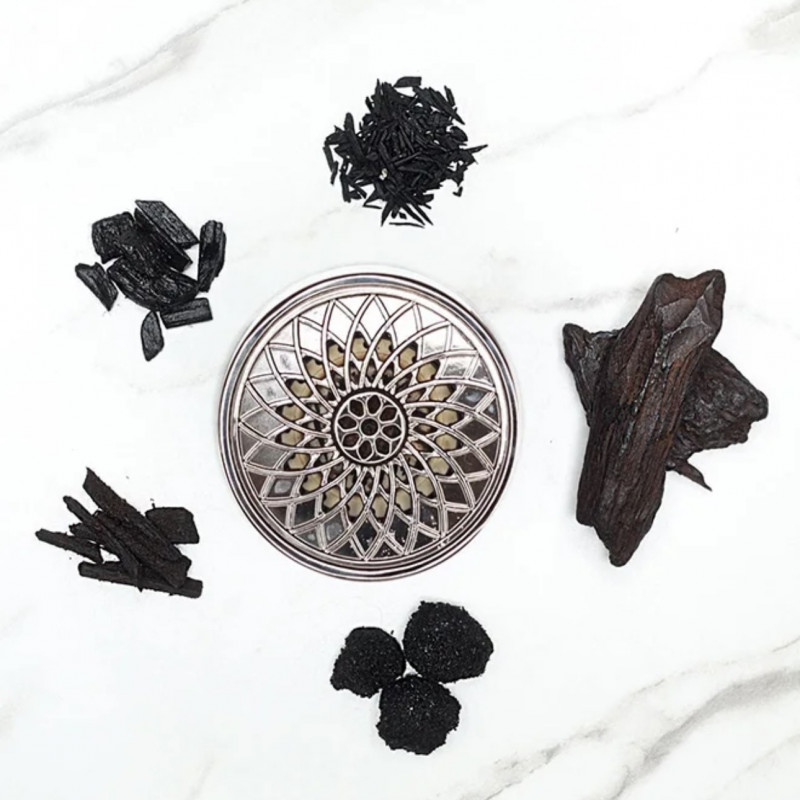
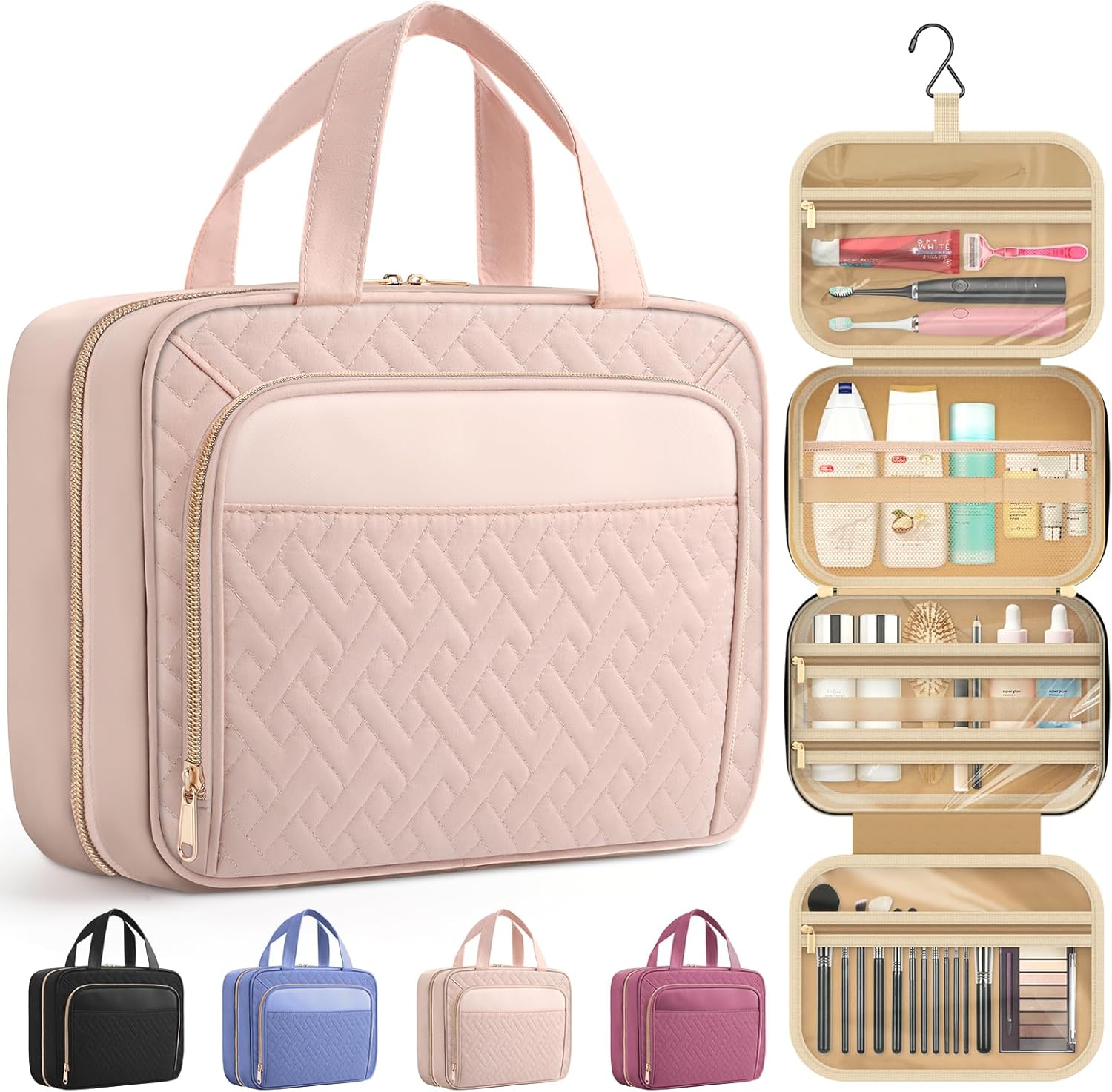
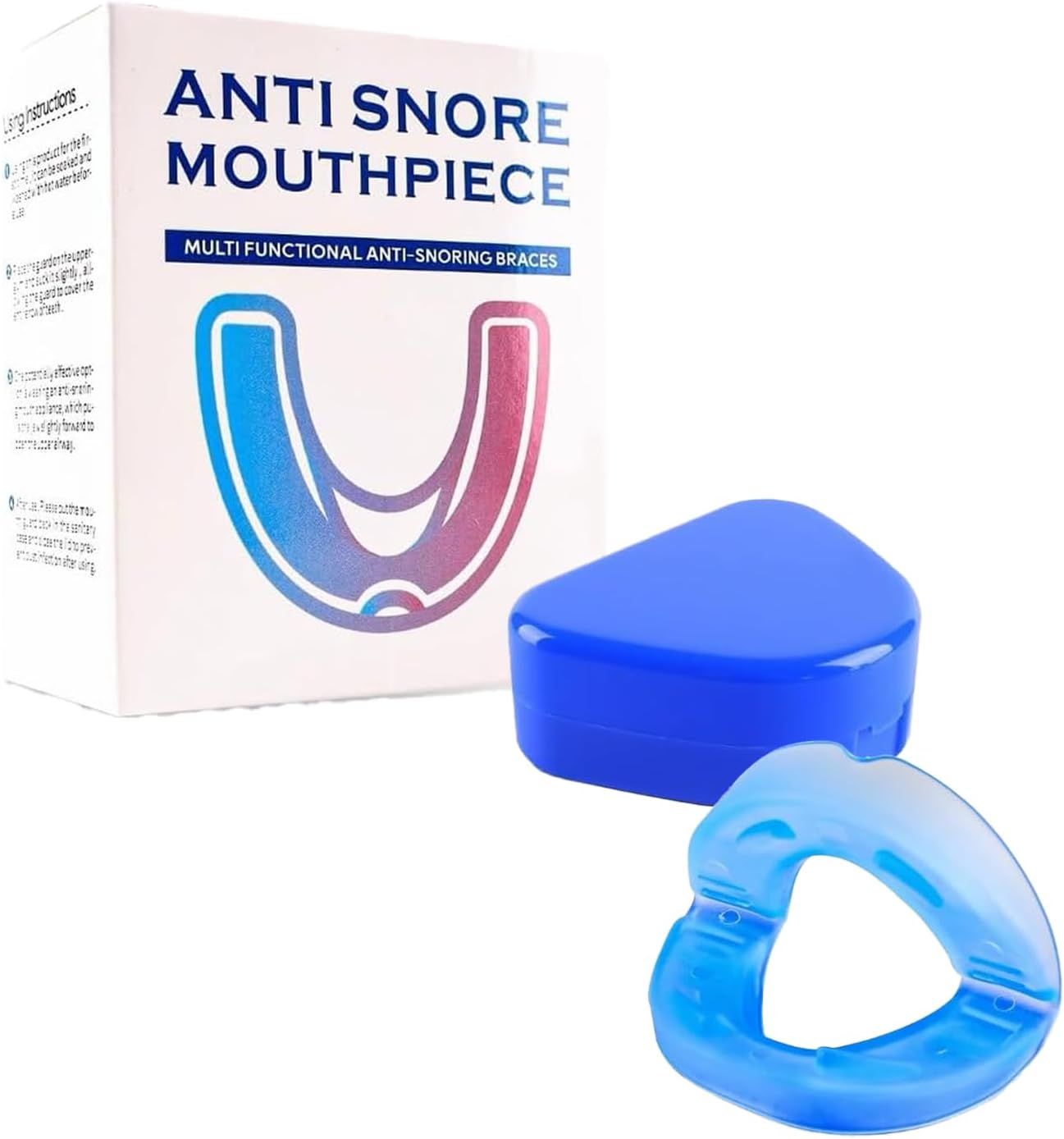
Frequently asked questions about acne spot treatment gel
How often should I apply an acne spot treatment gel?
Start once daily, usually in the evening, and only move to twice daily if your skin is comfortable after several days. Frequency causes more irritation than strength does.
Can I use it under makeup?
Yes, once it has fully absorbed. Give it a minute, then apply makeup as normal. Applying makeup immediately tends to lift the product straight off.
Does it work on cystic acne?
No. Deep nodules and cysts sit below the reach of a topical gel. They need medical treatment, and treating them at home usually delays the care that would actually help.
Can I use it with a retinoid?
Cautiously, and rarely on the same night in the same place. Alternate nights is the safer approach, since combining strong actives on one spot mostly produces irritation.
Will an acne spot treatment gel remove dark marks?
Not directly. Marks are pigmentation left after inflammation, and they fade over months. Daily sunscreen is the single most effective thing you can do about them.
Is it safe for sensitive skin?
Often, in a well-formulated product used sparingly, but patch test first on the jawline for a couple of days. Any stinging that lasts beyond a minute is a reason to stop.
An acne spot treatment gel is at its best as one small, precise part of a calm routine: gentle cleanser, light moisturiser, daily sunscreen and a thin dot exactly where it is needed. Keep it targeted, stop when the spot has gone, and see a doctor for anything deep or persistent. You can review the current listing on the product page or browse the wider beauty range in the Skin Care section.





Add comment