A super absorbent floor mat does one job that ordinary mats do badly: it takes water off feet immediately rather than spreading it around. In a bathroom doorway or in front of a kitchen sink, that difference is the whole reason the product exists.
This guide covers how absorbency and grip actually work, where these mats belong and where they do not, how to wash one without ruining the backing, and how to keep a wet floor from becoming a fall. It also introduces the model WLD Store stocks for Saudi Arabia, with a checklist and six questions.
Why a super absorbent floor mat is worth having
Wet hard floors are one of the most common causes of household slips, and the risk is highest in exactly the places people move fastest: stepping out of a shower, turning from a sink, carrying laundry. A mat that both absorbs water and stays put addresses the cause rather than the symptom.
Speed of absorption is what separates this category from a normal towel-style mat. A thin cotton mat holds a limited amount of water and then simply becomes a wet layer on the floor. A super absorbent floor mat pulls water into a thicker structure, so the surface you stand on feels dry and the water goes somewhere.
The second benefit is to the floor itself. Repeated wetting damages a surprising range of surfaces, from laminate joints to unsealed grout, and standing water is the enemy in all of them. Catching it at the doorway is far easier than mopping it afterwards.
The third is simply comfort. Stepping out of a shower onto a thick, dry mat is a better experience than stepping onto cold tile, and a mat in front of the kitchen sink makes standing there for twenty minutes noticeably easier on the feet.
What makes a good super absorbent floor mat
Photographs in this category all look the same and every listing promises fast drying. The differences show up after a month of daily use. These are the things worth checking before buying any super absorbent floor mat.
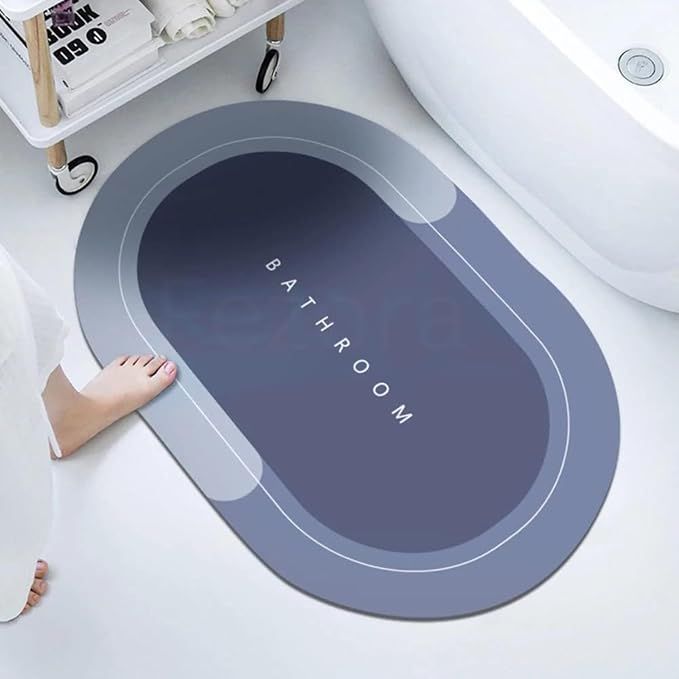
The absorbent layer
Thickness and pile structure decide how much water the mat can take before it feels wet underfoot. A dense, deep surface holds more and keeps the top layer drier. A thin mat may absorb quickly but saturates just as quickly, which is why cheap mats feel effective for a week and disappointing thereafter.
The backing
This is the safety feature, and it deserves more attention than the colour. A rubber or textured backing grips hard floors and stops the mat sliding when someone steps onto it at an angle. A mat that slides is worse than no mat, because it moves at the exact moment a person is off balance.
How fast it dries
Absorbing water is only half the job; releasing it again matters just as much. A mat that stays damp for a day breeds smell and, in a humid bathroom, mildew. Quick-drying materials and hanging the mat between uses solve most of this.
Size and where the edges land
Measure the doorway or the run of floor you want covered before ordering. A super absorbent floor mat that is slightly too small leaves a wet strip exactly where feet land, and one that is too large curls against a door and becomes a trip hazard itself.
Washability
Check whether the mat is machine washable and at what temperature, because the backing is the limiting factor. Rubber backings dislike heat, and a mat that has been through a hot wash and a tumble dryer often comes out with a cracked, shedding underside that no longer grips.
The WLD Store pick: Super Absorbent Floor Mat
For readers who want a specific product rather than category advice, this is the mat stocked for the Saudi market. Everything below comes from the product listing itself.
- Product: Super Absorbent Floor Mat, described as ultra-thick and quick-drying.
- Absorbency: the listing states the material absorbs water instantly.
- Safety: the listing describes a non-slip rubber backing intended to prevent slips.
- Suggested placement: the listing names bathroom entrances, kitchen areas and laundry rooms.
- Care: the listing describes it as machine washable and durable for long-term use.
- Category: Home & Kitchen, also listed under Kitchen Tools. Brand: WLD.
- SKU: WLD-KSA-0020-(KD-KD0160). Market: available across Saudi Arabia through secure checkout.
Current images, available sizes and the order page are on the Super Absorbent Floor Mat product page. Exact dimensions, fibre composition and washing temperature should be confirmed there and on the care label rather than taken from a guide.
Where to put a super absorbent floor mat, room by room
Placement decides how useful the mat is, and a few spots are much better than others.
Bathroom doorway. The highest-value position in most homes, because it catches water before it reaches a corridor. Place it just outside the wet zone rather than inside the shower area.
In front of the sink. Kitchen sinks drip constantly and the floor there is wet more often than anywhere else in the house. A super absorbent floor mat here also makes washing up more comfortable.
Laundry area. Washing machines leak small amounts around the door seal, and a mat catches that before it works its way under a unit.
Beside a bath. Useful for getting out safely, but keep it clear of the door swing so it cannot bunch up.
Entrance from a garden or balcony. Good for dust and damp shoes, though a coarser outdoor mat is better for grit. Use both if the doorway sees heavy traffic.
Where not to put one. Not on a rug, not on a polished surface it can slide on, and not anywhere it will sit permanently damp with no chance to dry.
Slips, grip and the honest limits of a super absorbent floor mat
It is worth being precise here, because this is a product sold partly on safety and no mat can do everything.
A non-slip backing reduces the chance of the mat itself moving on a dry, clean, hard floor. It does not make a wet tiled floor safe, and it does not stop a mat sliding on a surface that is already wet or has polish or soap residue on it.
Wipe the floor and let it dry before placing a mat, and check periodically that the backing still grips. Backings wear out, particularly after hot washes, and a mat that has lost its grip should be replaced rather than kept in a doorway.
Edges matter too. A curled corner is a trip hazard, especially for older members of the household and for anyone moving in the dark. If a super absorbent floor mat will not lie flat, it is the wrong size for that spot.
Finally, a mat is not a substitute for a grab rail or a proper shower mat inside a bath. Those solve a different problem, and anyone with genuine mobility concerns should treat them as the priority.
How to get the best from a super absorbent floor mat day to day
- Shake it out weekly to lift trapped dust from the pile, which otherwise reduces absorbency over time.
- Hang it to dry after heavy use rather than leaving it flat on a cold floor all day.
- Rotate it end to end every few weeks so one area does not take all the wear.
- Keep two in rotation in a busy bathroom so one can dry properly while the other is in use.
- Lift it when mopping and let the floor dry completely before putting the mat back down.
None of this takes real effort, and together these habits roughly double the useful life of a super absorbent floor mat while keeping it from ever smelling.
Washing a super absorbent floor mat without ruining the backing
The backing is almost always what fails first, and almost always because of heat.
Follow the care label. Where a mat is machine washable, use a cool or warm cycle rather than a hot one, and check whether the label allows a spin.
Wash it alone or with towels. Zips and buttons on other laundry can catch the pile and pull it.
Skip fabric softener. It coats fibres and reduces how much water they can absorb, which undermines the one thing the mat is for.
Avoid the tumble dryer unless the label specifically permits it. Heat is what makes rubber backings crack, shed and lose grip.
Dry it flat or hanging, out of direct sun where you can. Strong sunlight fades colour and hardens backings over time.
Materials and how absorbency actually works
The marketing word is absorbency, but the mechanism is worth understanding because it explains every care instruction in this guide.
Fine fibres work by having an enormous amount of surface area packed into a small space. Water is drawn into the gaps between fibres and held there by capillary action rather than being soaked up like a sponge. That is why a deep pile holds far more than a thin one of the same material.
It also explains why fabric softener is such a problem. Softener coats the fibres with a thin film, and a coated fibre cannot draw water in the same way. A few washes with softener can noticeably reduce what a super absorbent floor mat is capable of.
Drying works the same way in reverse. Water held between fibres evaporates from the surface, so a mat hung with air on both sides dries many times faster than one lying flat on cold tile. Ventilation, not heat, is what you want.
Diatomite or stone-style mats work on a different principle again, drawing water into a porous mineral surface. They dry quickly and never smell, but they are hard underfoot and can crack if dropped, which is why textile mats remain the more common choice.
Households with children, older adults or pets
Some homes get more out of this product than others, and a few need to think a little harder about placement.
With young children. Bathroom floors after bath time are the wettest they ever get, and children move quickly and unpredictably. A large mat covering the whole landing area is worth more here than a small decorative one.
With older adults. Be careful about edges above all else. A curled or rucked edge is a genuine trip hazard, so choose a mat that lies completely flat and check it daily. A super absorbent floor mat should never be placed on top of another rug.
At night. Anyone crossing a bathroom in the dark benefits from a mat that stays exactly where it was left. If the backing has worn smooth, replace it rather than moving it to a quieter room.
With pets. Water bowls create a permanently damp patch, and a mat under the bowl protects the floor. Expect to wash it more often, and choose a size you can fit in your machine comfortably.
In shared bathrooms. Two mats in rotation is the practical answer, because a single mat in a busy family bathroom rarely gets a chance to dry.
Common problems and quick fixes
- It has started to smell. The mat is not drying fully between uses. Hang it after every heavy use, wash it, and improve ventilation in the room.
- It slides on the tile. Either the floor is wet or dusty, or the backing has worn. Clean and dry the floor first; if it still slides, replace the mat.
- The edges curl. Common after washing. Lay it flat under a light weight overnight. Persistent curling on a super absorbent floor mat usually means the backing has been heat-damaged.
- It feels wet on top. It is saturated and needs drying, or it is too small for the traffic it is taking. Two smaller mats in rotation often work better than one.
- The backing is shedding crumbs. The rubber has perished. This cannot be repaired and the mat is no longer providing grip.
Choosing the size and shape of a super absorbent floor mat
Getting this right at the point of purchase saves the most common disappointment in the category.
Measure the width of the doorway or the run of worktop first, then look for a mat that covers the whole landing zone for feet. Water that is caught by half a step is water that reaches the corridor.
Consider door clearance. A thick mat can jam under a door that opens inwards, and forcing it is how edges get damaged. Measure the gap under the door before ordering a very deep pile.
Long, narrow shapes suit kitchen sinks and laundry areas, where the wet zone follows a line rather than a square. Rectangular shapes suit bathroom doorways, where the wet zone is where people step down.
If you are covering more than about a metre and a half, two mats are usually better than one large super absorbent floor mat. They wash more easily, dry faster and can be rotated independently.
Who a super absorbent floor mat is not for
There are situations where this is not the right product, and it is better to say so than to oversell it.
It is not an outdoor mat. Grit, sand and stones need a coarse scraper mat, and a soft absorbent pile fills with sand quickly in this part of the world.
It is not right for a household that cannot dry it. In a bathroom with no window and no extraction, any absorbent textile left on the floor will eventually smell, and a hard drainage mat is the better answer.
A super absorbent floor mat is also not a safety solution on its own for someone with real mobility difficulty. Grab rails, a proper seat and non-slip flooring do that job, and a mat is a helpful addition rather than a replacement.
Buying checklist for a super absorbent floor mat
- Have you measured the space, including the gap under any door that opens over it?
- Is the backing rubber or textured, and does it look substantial rather than a thin coating?
- Does the care label allow machine washing, and at what temperature?
- Is there somewhere to hang it to dry between uses?
- Would two smaller mats in rotation suit your household better than one large one?
Other Home and Kitchen picks at WLD Store
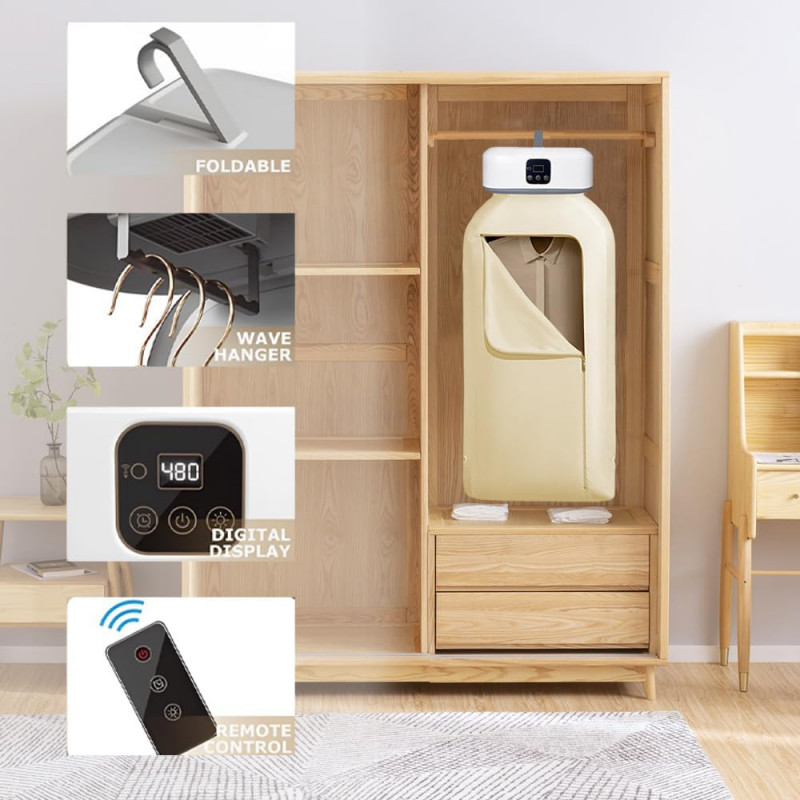
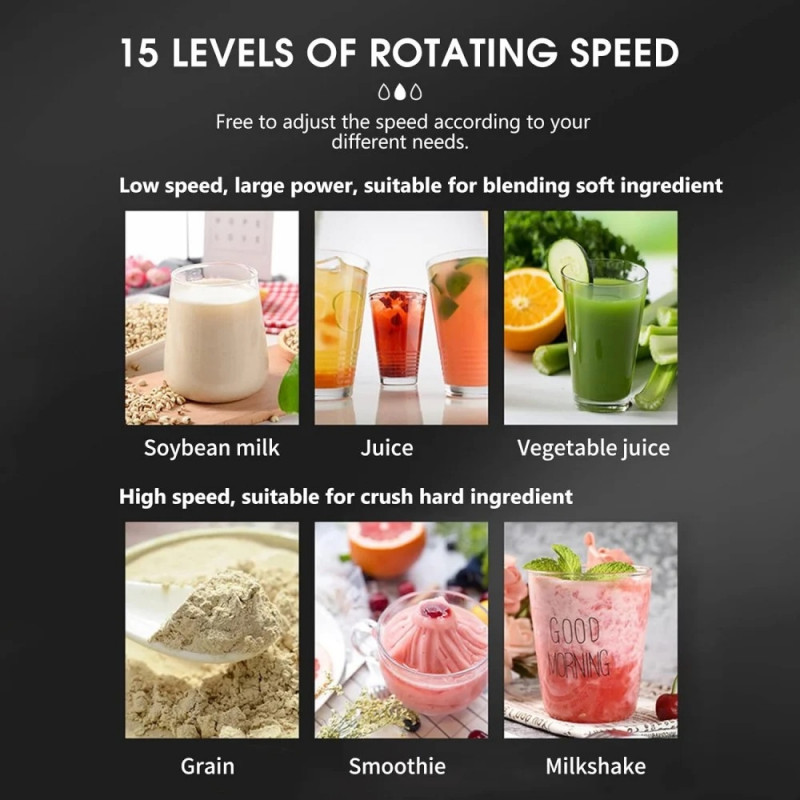
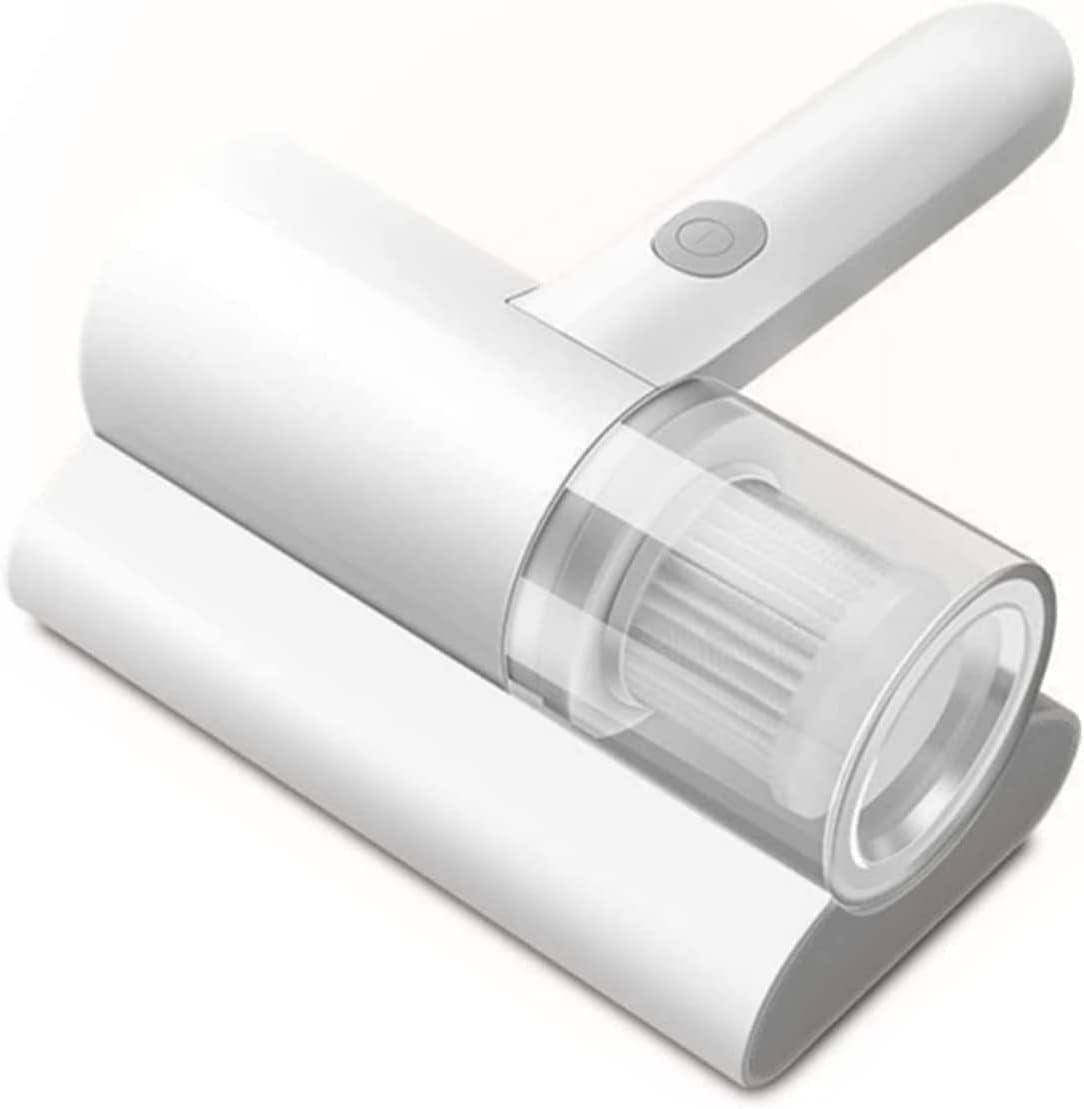
If you are equipping a home rather than buying a single item, these three sit nearby in the catalogue and work well alongside a super absorbent floor mat.
Frequently asked questions about the super absorbent floor mat
How is a super absorbent floor mat different from a normal bath mat?
The difference is in the depth and structure of the absorbent layer. A thin cotton mat holds a small amount of water and then sits wet; a thicker absorbent construction takes more water away from the surface, so the top stays drier for longer under the same use.
Can I put it in the washing machine?
Usually yes, but follow the care label and keep the temperature low. Heat is what damages rubber backings, so avoid hot washes and tumble drying unless the label specifically allows them. Wash it with towels rather than with clothing that has zips.
Will it stop me slipping on a wet floor?
It reduces the amount of water reaching the floor and the backing helps the mat itself stay put, which lowers the risk. It cannot make an already wet tiled floor safe. Dry spills promptly and treat the mat as one part of bathroom safety rather than the whole of it.
How often should a super absorbent floor mat be washed?
In a busy bathroom, weekly is a sensible rhythm; in a low-traffic area, every two or three weeks. Wash sooner if it stops feeling fresh, since smell is a sign it is not drying fully between uses.
Can it go outside the front door?
It is not designed for that. Sand and grit work into the pile and are difficult to remove, and sunlight degrades both fibres and backing. Use a coarse outdoor mat outside and keep the absorbent one just inside.
How long does one last?
That depends mostly on washing habits rather than foot traffic. A super absorbent floor mat washed cool and dried flat lasts far longer than one put through hot cycles, where the backing is usually what gives up first.
A super absorbent floor mat is a small purchase that quietly removes a daily annoyance and a real hazard. Measure the space before ordering, choose one with a substantial backing, wash it cool and give it a chance to dry between uses. You can see the model on its product page, read more about the material family many of these mats use in the microfibre article on Wikipedia, or browse the wider range in the Kitchen Tools section.


Add comment