A hair darkening conditioner sits in an odd space between hair care and hair colour, and that is exactly why so many shoppers are unsure what to expect from one. It is not a permanent dye, it is not a treatment for the cause of greying, and it does not work overnight. This guide explains what the category actually does, how to patch test before you commit, how to apply it evenly, how long results realistically take, and who should skip it. It also covers one product listed by WLD Store for shoppers in Saudi Arabia, using only what that listing says.
What a hair darkening conditioner actually does
Grey hair is not dirty or damaged hair. It is hair growing without pigment, because the pigment-producing cells in the follicle have slowed or stopped. Nothing applied to the outside of a strand restarts that process, so any product in this category works by adding colour to the hair you already have.
The difference from a permanent dye is how the colour is delivered. A permanent dye opens the hair’s outer layer and develops colour inside the strand. A hair darkening conditioner instead deposits or builds colour on and near the surface over repeated uses, which is why the effect is described as gradual rather than instant.
That gradual behaviour has real advantages. There is no harsh line at the roots as hair grows, no single dramatic change to explain to anyone, and you can stop at a shade you like rather than committing to a full colour. The trade-off is patience and repetition.
The conditioning half of the name matters too. Most formulas in this category are built on a conditioning base, so they are applied like a conditioner and left on for a period before rinsing. That makes the routine familiar even to people who have never coloured their hair.
What to look for in a hair darkening conditioner
Shopping for a hair darkening conditioner is mostly about reading carefully and setting realistic expectations. A few points separate a product worth trying from one you will abandon after two uses.
The ingredient list comes first
Read the full list before anything else, and do not rely on front-of-pack wording. Terms like natural, herbal and chemical-free are marketing language rather than regulated definitions — every substance, including water and plant extracts, is a chemical. What matters is whether you personally react to anything on the list.
If you have ever reacted to a hair dye, a temporary tattoo, or a rubber product, take that history seriously and speak to a doctor before using any colouring product, including a hair darkening conditioner.
Gradual build versus instant colour
Decide which you actually want. Gradual products give you control and a soft transition but need repeated use. Instant products deliver a visible change in one session and need root touch-ups on a schedule. Buying a gradual formula and expecting day-one results is the most common disappointment in this category.
Format, size and how long it lasts
Tubes and pump bottles are easier to control than wide-mouth jars, especially with gloved hands. Think about how much you use per session as well: long, thick hair can go through a small bottle quickly, so a 100ml size may be several sessions for short hair and only a couple for long hair.
Scent, texture and rinse-out
You will have this on your head for several minutes at a time, so scent matters more than shoppers expect. Texture matters for a practical reason: a thin formula runs down the neck and stains skin, while a thicker one stays where you put it.
Suitability for your hair
Chemically straightened, bleached, relaxed or heavily heat-damaged hair is more porous and takes colour unevenly. If your hair falls into any of those categories, a strand test is not optional. The same applies if you have recently used a permanent dye.
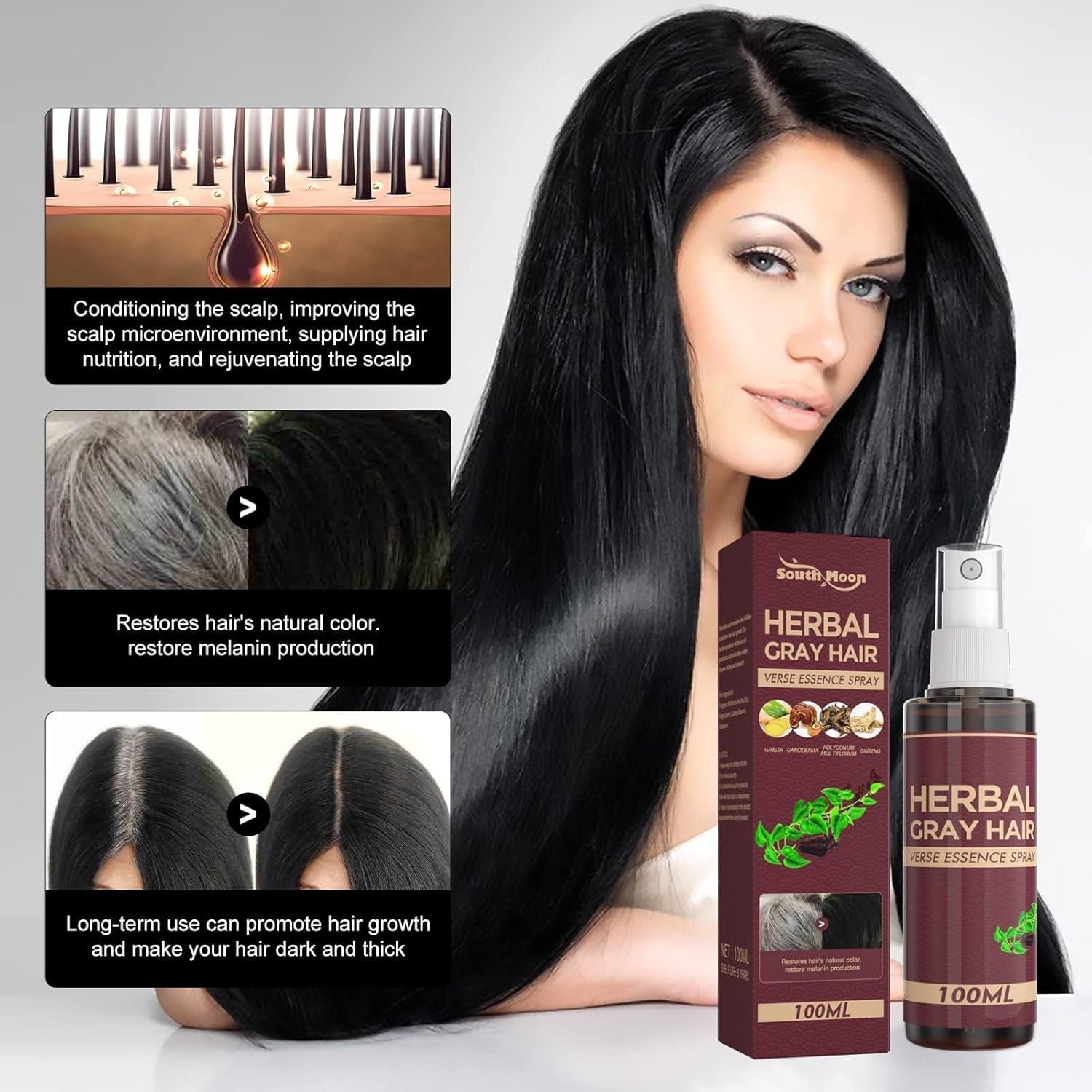
The WLD Store pick: Herbal Hair Darkening Conditioner 100ml
WLD Store lists a Herbal Hair Darkening Conditioner in a 100ml size for customers in Saudi Arabia. Here is what the listing states, with nothing added:
- Product: Herbal Hair Darkening Conditioner 100ml
- Category: Beauty & Personal Care — Hair Care
- Brand: WLD
- SKU: WLD-KSA-0014-(KD-KD0108)
- Size: 100ml
- Listed composition: the listing describes it as infused with plant extracts
- Described effect: the listing says it gradually darkens grey hair while conditioning the strand
- Stated suitability: the listing says it is suitable for all hair types
- Market: available across Saudi Arabia through secure checkout
You can check the current details and images on the product page: Herbal Hair Darkening Conditioner 100ml at WLD Store. Phrases such as “chemical-free” and “safe for all hair types” are the manufacturer’s wording. Read the label on the bottle you receive, and patch test regardless of what any listing claims.
Patch testing: do this before anything else
A patch test before any hair darkening conditioner takes two days and prevents the one outcome nobody wants. Apply a small amount behind the ear or on the inner elbow, leave it undisturbed, and wait forty-eight hours. Any itching, burning, swelling or rash means stop and do not use the product on your scalp.
Repeat the test before every new bottle, even of a product you have used before. Formulations change, and sensitivities can develop over time in people who previously had none. This is standard advice for all hair colouring products, not caution specific to any one brand.
Do a strand test at the same time. Take a small, hidden section of hair, apply the hair darkening conditioner exactly as you plan to use it, and see what colour and timing actually produce on your hair rather than on the packaging.
If you are pregnant, breastfeeding, being treated for a scalp condition, or taking medication that affects the skin, ask a healthcare professional before starting. General beauty guidance is not medical advice.
How to apply a hair darkening conditioner evenly
- Wear gloves. Colour transfers to fingers and nails easily, and gloved hands also stop you touching your face mid-application.
- Protect the hairline. A thin layer of plain balm along the forehead, ears and neck stops staining and wipes off afterwards.
- Start with clean, towel-dried hair. Product sitting on top of styling residue applies patchily.
- Section the hair. Four sections minimum. Working blind at the back is how people end up with an uneven result.
- Work roots outward. Greys are usually most visible at the temples and parting, so start there while the product is at its freshest.
- Comb it through. A wide-tooth comb distributes a hair darkening conditioner far more evenly than fingers alone.
- Time it properly. Follow the label rather than guessing, and rinse until the water runs clear.
Keep any colouring product away from the eyes, and never use it on eyebrows or eyelashes. That restriction applies to every product in this category without exception, and eye injuries from misuse are difficult to reverse.
How long results take, honestly
Gradual means gradual. Most people using a hair darkening conditioner see a change in tone over several applications rather than after one, and the first sessions often look like a slight softening of contrast rather than a colour change.
Coarse grey hair resists a hair darkening conditioner more than fine grey hair does, so the same routine can give two people quite different timelines. Hair that is entirely white takes longer to shift than salt-and-pepper hair, where the surrounding pigment does some of the visual work.
Once you reach a shade you like, most people move to a maintenance rhythm — less frequent use, focused on the roots and the parting. Continuing at the initial frequency usually just deepens the shade beyond what you wanted.
Making the colour last between sessions
Hot water opens the hair’s outer layer and speeds colour loss, so rinse a hair darkening conditioner out in cool or lukewarm water. This one change makes a bigger difference than any specialist product, and it is free.
Clarifying and strongly detergent shampoos strip deposited colour quickly. A gentler shampoo, used less often, keeps the result from fading between applications of your hair darkening conditioner.
Sun and chlorine both fade colour. A hat outdoors and a rinse straight after swimming are simple protections, and they benefit hair condition generally rather than only the colour.
Heat styling accelerates fade too. If you use straighteners or a dryer daily, lower the temperature and use them on dry hair rather than damp, which is harsher on the strand.
Common problems and quick fixes
- Patchy colour. Almost always uneven application. Section more carefully next time and comb the product through rather than rubbing it in.
- Skin staining at the hairline. Wipe immediately with a damp cloth; a gentle cleanser removes most of what remains. Prevention with a barrier balm is easier than removal.
- Colour fades quickly. Check your water temperature and shampoo. Frequent hot washes undo a gradual build faster than it accumulates.
- Scalp feels itchy. Stop using the product and rinse thoroughly. Persistent itching or any rash needs a doctor, not a second attempt.
Who should skip this category
Anyone with a known dye allergy, an inflamed or broken scalp, or a history of severe reactions to cosmetics should not experiment at home. Similarly, if your hair has been chemically treated in the last few weeks, wait — porous hair grabs colour unpredictably.
If you want full, uniform grey coverage on the first application, a gradual product will frustrate you. That is a mismatch of expectations rather than a fault in the product, and a salon consultation is a better use of your time.
Children should not use adult colouring products, and nobody should use a hair darkening conditioner on facial hair, brows or lashes.
Compared with the alternatives
Permanent dye covers greys completely in one session and lasts until it grows out, at the cost of a visible root line and a stronger chemical process. It is the right answer when you want full coverage now.
Henna and other plant dyes give a colour that is difficult to reverse and can interact unpredictably with later chemical treatments. They suit people committed to that approach long term.
Root touch-up sprays and powders sit on the surface and wash out the same day. They are excellent for an event and useless as a long-term plan, which is the opposite trade-off to a hair darkening conditioner.
Doing nothing is also a legitimate choice. Grey hair is not a problem to be solved, and plenty of people simply switch to a shampoo that keeps grey looking bright rather than dull.
A realistic first month with a hair darkening conditioner
Week one is usually the least dramatic part. You apply the product, rinse, and the mirror shows something subtler than you hoped — a slight dulling of the brightest greys rather than a colour change. This is normal for a hair darkening conditioner and not a sign that the bottle is faulty.
Week two is where the pattern becomes visible. With two or three applications behind you, the contrast between grey and pigmented hair softens, particularly at the parting where greys show most. Take a photo in the same light each week, because memory is a poor judge of gradual change.
By week three or four, most people either have the tone they wanted or can see clearly that they will not get it. Both outcomes are useful. If nothing has shifted after a month of correct use, the formula is not matching your hair, and extra applications will not change that.
Keep notes on timing. Writing down how long you left each application on, and what the result looked like, turns guesswork into a routine you can repeat. Those notes matter most when you move from building colour to simply maintaining it.
Resist the urge to escalate. Doubling the quantity or leaving a hair darkening conditioner on far longer than the label says does not produce a deeper result on resistant grey; it mostly produces staining on the scalp and an uneven finish along the lengths.
Climate, sweat and swimming
In a hot climate, colour has more to fight. Strong sun fades deposited pigment, chlorine strips it, and salt water dries the strand so it holds less colour. None of that makes a hair darkening conditioner unsuitable — it means the maintenance interval is simply shorter than it would be somewhere cooler.
Sweat is the underrated factor. Regular training means more washes, and more washes mean faster fade. If you exercise most days, rinsing with water alone on some of them and saving shampoo for when you genuinely need it will stretch each application further.
Air conditioning dries hair as reliably as sun does, and dry hair looks duller whatever its colour. A plain weekly conditioning treatment keeps the result looking better without adding more pigment than you wanted.
Covered hair has its own considerations. Fabric rubbing against a freshly treated hairline can pick up colour in the first day or two, so let hair dry completely before covering it and choose a darker scarf right after applying a hair darkening conditioner.
Travel is worth planning for as well. A 100ml bottle is a convenient size for a bag, but decant nothing into unlabelled containers, keep it upright, and remember that a hot car boot is a bad storage place for any cosmetic formula.
Buying checklist
Five questions worth answering before you order:
- Have I read the full ingredient list, and does anything on it worry me?
- Am I prepared to patch test forty-eight hours before use, every time?
- Do I want a gradual build, or do I actually want one-session coverage?
- Is the bottle size realistic for my hair length and how often I will use it?
- Has my hair been chemically treated recently, and should I wait?
Other beauty picks at WLD Store
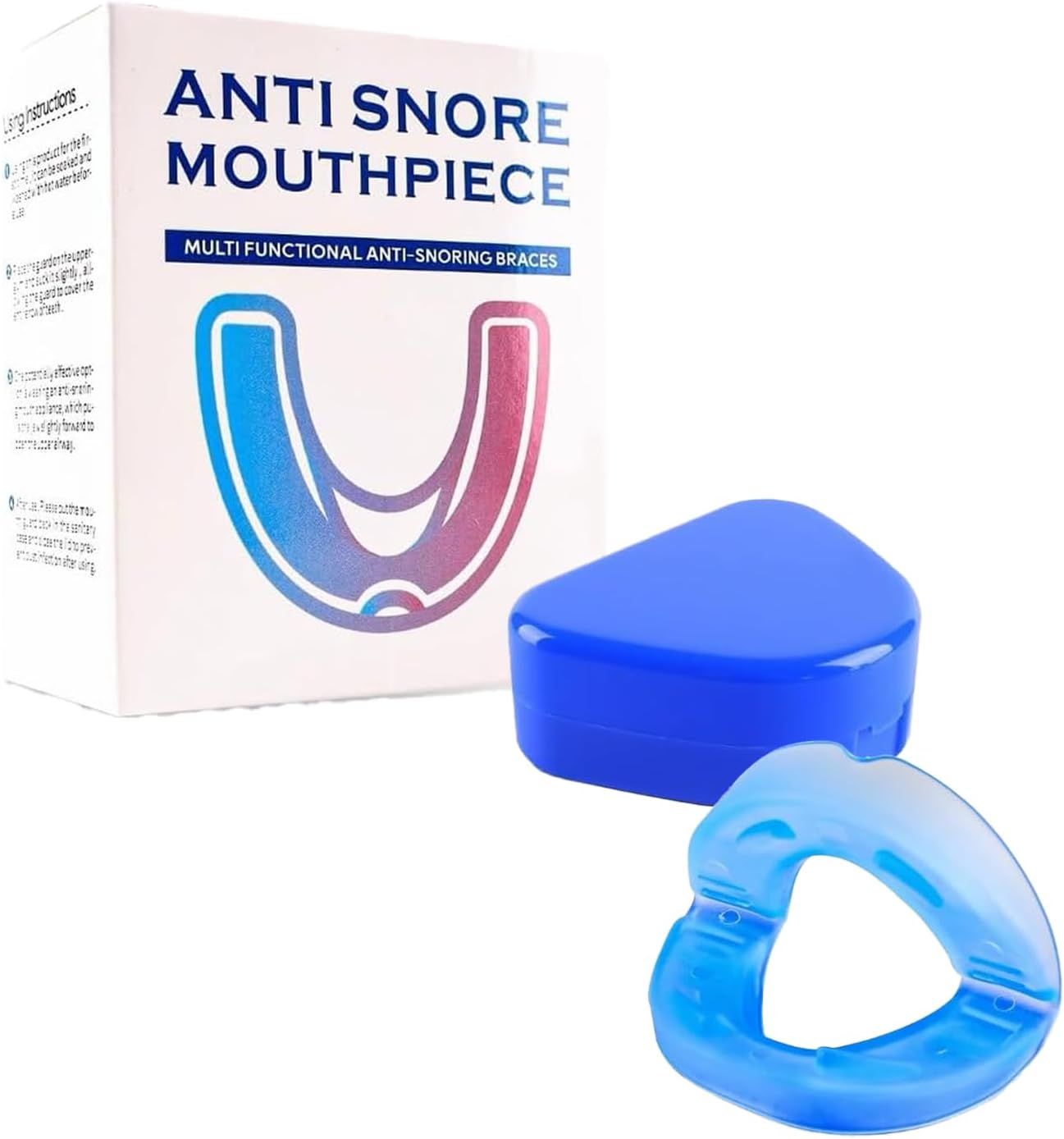
Three more items from the same range worth a look:

Frequently asked questions about hair darkening conditioner
Will it cover greys completely?
A gradual product blends and softens rather than covering in the way a permanent dye does. How close it gets depends on how coarse your grey hair is and how consistently you use it. If complete coverage is the goal, this is not the right category.
Can I use it if I already dye my hair?
Wait until the dye has settled, then strand test before applying anything else. Layering products on chemically treated hair produces unpredictable tones, and the safest route is to ask whoever does your colour first.
How often should I apply it?
Follow the label during the build-up phase, then reduce frequency once you reach the shade you want. Using a hair darkening conditioner more often than directed does not speed things up meaningfully and increases the chance of an uneven result.
Does it stain towels and pillowcases?
It can, particularly during the first few uses and if hair is not rinsed until the water runs clear. Use a dark towel, dry hair thoroughly before bed, and rinse longer than feels necessary.
Is “chemical-free” a meaningful claim?
No. Everything is made of chemicals, including water and every plant extract. Treat the phrase as marketing and read the actual ingredient list, which is the only part of the packaging that tells you what you are applying.
Can it stop hair going grey?
No. Greying happens inside the follicle and no topical conditioner changes that. A hair darkening conditioner adds colour to hair that has already grown; it makes no difference to what grows next.
A last word
The people happiest with this category are the ones who understood it before buying: a gradual, repeatable routine that softens contrast rather than a one-session transformation. Patch test, strand test, and let the product build. For a neutral overview of how conditioners work on the hair shaft, the Wikipedia article on hair conditioner is a good non-commercial starting point.
If it suits your routine, the Herbal Hair Darkening Conditioner 100ml is listed for shoppers across Saudi Arabia, and the wider range is in the Hair Care section. Whatever hair darkening conditioner you choose, read the label, test first, and give it time.







Add comment