If you have ever walked into a Saudi living room minutes before guests arrive, you already know what omani bakhour smells like: warm wood, a little sweetness, and a curl of smoke that seems to settle the whole house. This guide is written for people who want to buy incense well rather than by guesswork. We cover what the material actually is, how to judge quality by look and smell, which burner suits which room, how long a small tin should last, and the safety habits that matter when you are burning something in a closed, air-conditioned home.
Why omani bakhour matters in a Saudi home
Scenting the house is not decoration in the Gulf; it is hospitality. A guest who steps through the door and meets a familiar wood note reads it instantly as welcome. That is the job omani bakhour has done for generations, and it is why a small tin sits in so many kitchen cupboards next to the coffee and cardamom.
There is a practical side too. Homes in Riyadh, Jeddah and Dammam run sealed and air-conditioned for most of the year. Cooking smells, closed curtains and recirculated air build up a flat, stale quality that no amount of spray fully clears. Burning omani bakhour for a few minutes replaces that flatness with something warmer, and because the smoke settles into fabric, the effect lingers long after the burner has cooled.
It also marks time. Many families burn omani bakhour on Thursday evening, on Friday after prayer, at the start of Ramadan, or whenever a relative visits from out of town. The scent becomes a signal that the day is different from the ones around it, which is something a plug-in air freshener never manages.
Finally, it travels well as a gift. A tin is small, it does not spoil quickly, and it suits almost any recipient. That combination is rare, and it explains why omani bakhour appears so often on Eid gift tables alongside dates and coffee.
What makes a good omani bakhour
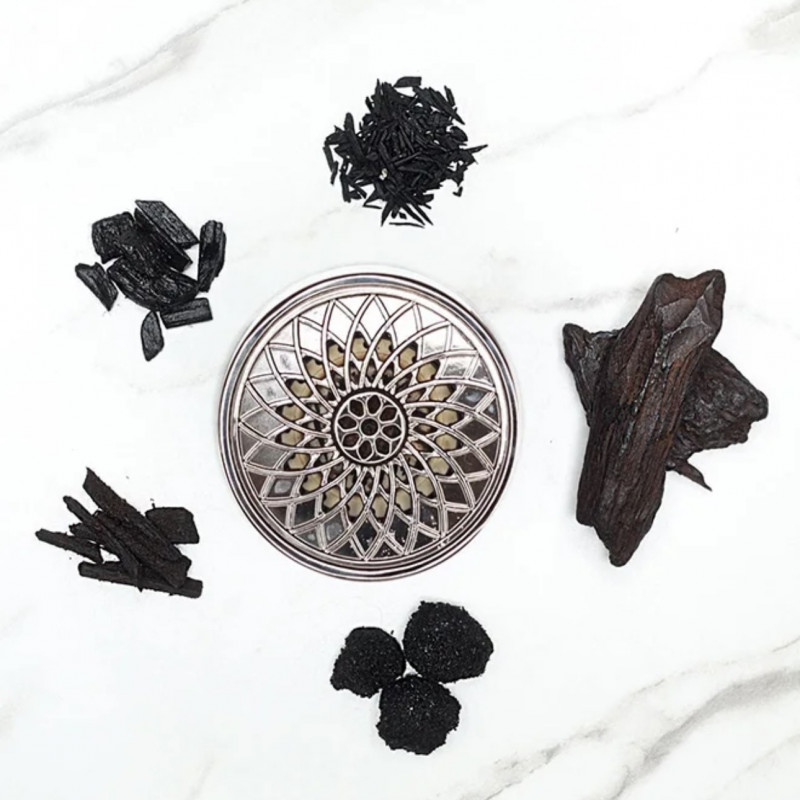
Bakhour is a blend, not a single ingredient. Most recipes start with wood chips and add fragrance oils, resins and a binder, then leave the mixture to mature. Understanding those parts makes it much easier to tell a good tin from a disappointing one before you light anything.
The wood and oil blend
The base is usually wood chips carrying scented oil. Where agarwood is involved, the character turns deep and slightly animalic; lighter blends lean sweet and floral. Good omani bakhour smells layered even in the tin, with a base note you can pick out under the top sweetness. A flat, single-note smell that reads mostly as perfume alcohol is a warning sign.
Grain size and consistency
Look at the grains. They should be broadly even, slightly moist to the touch, and hold together without turning to paste. Very dry, dusty crumbs burn out in seconds and give a thin, sharp smoke. A tin that has fused into one solid block has usually been stored somewhere hot, and it will burn unevenly.
Burn behaviour and smoke
Quality omani bakhour releases scent steadily rather than in one burst. You want visible but gentle smoke, not a hard grey plume. Heavy, acrid smoke normally means the heat is too high or the blend carries too much binder, and it leaves that burnt edge on curtains that nobody wants.
Packaging and freshness
Fragrance oils evaporate. A sealed tin or a jar with a tight lid protects the blend far better than a paper wrap, and a smaller pack such as a 40g tin is easier to finish while it is still at its best. Buying a huge quantity of omani bakhour to save effort usually means the last third smells noticeably weaker than the first.
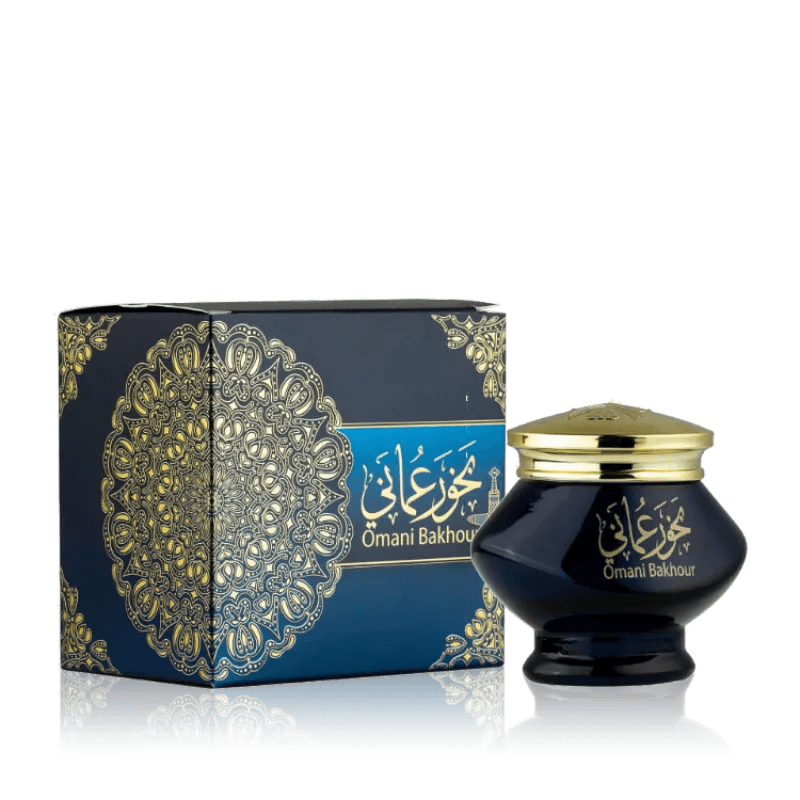
The WLD Store pick: AL MAS Omani Bakhour 40g
If you want a straightforward starting point, this is the tin WLD Store lists for the Saudi market. Here is exactly what the product listing states, with nothing added:
- Product: AL MAS Omani Bakhour 40g, a traditional Omani incense.
- Scent described by the listing: a deep, earthy oud fragrance of the kind long favoured across the Gulf.
- Suggested uses per the listing: home ambiance, majlis gatherings and special-occasion gifting.
- Category: Beauty & Personal Care, filed under Fragrances / Perfumes.
- Brand: WLD | SKU: WLD-KSA-0152-(KD-6287015120778)
- Availability: listed for customers across Saudi Arabia, with secure checkout.
Those are the manufacturer and listing claims rather than laboratory measurements, and scent is personal, so treat the description as a guide to style rather than a promise about how it will smell in your particular room. You can read the full listing and current options on the AL MAS Omani Bakhour 40g product page.
How to burn omani bakhour properly
Most disappointing sessions come down to technique rather than the blend itself. Work through these steps and even a modest tin performs better.
- Heat the burner first. Whether you use charcoal or an electric plate, bring it up to temperature before the grains go on. Adding omani bakhour to a cold surface wastes the first minutes.
- Use a small amount. A pinch, roughly what sits on a teaspoon tip, is enough for an average majlis. More does not mean stronger; it usually means smokier.
- Keep the heat moderate. The aim is to warm the oils out of the wood, not to set the wood alight. Gentle heat gives a longer, sweeter release.
- Move through the house. Carry the burner slowly from room to room rather than leaving it in one place. Thirty seconds per doorway spreads omani bakhour far more evenly.
- Open a window afterwards. A few minutes of fresh air clears the heavy top layer and leaves the softer base note behind.
Timing matters as much as method. Burn omani bakhour about fifteen to twenty minutes before guests arrive so the smoke has settled and the room smells scented rather than freshly smoked.
Charcoal burner or electric burner?
The burner shapes the result almost as much as the blend does, and the two common options behave very differently.
A traditional charcoal censer gives the strongest, most authentic release. It also demands attention: the charcoal must be lit properly, it stays dangerously hot for a long time afterwards, and it produces combustion products of its own. Used carelessly, it scorches omani bakhour instead of warming it.
An electric burner heats a plate to a controlled temperature. The scent is gentler and less smoky, the unit switches off, and there is no live ember to forget about. For apartments, bedrooms and homes with children, that trade is usually worth making. WLD Store lists a Smart Electric Bakhoor Burner if you want to go that route.
Many households keep both: electric for everyday use, charcoal for the evenings that call for something more dramatic. If you only buy one, start electric, because it is far more forgiving while you are still learning how much omani bakhour your rooms actually need.
How it differs from incense sticks and sprays
Stick incense burns continuously from a lit tip and releases a steady, fairly narrow scent for as long as the stick lasts. Bakhour works the other way round: you control the heat, you control the dose, and you stop whenever the room is right. That makes it better suited to short, deliberate sessions before guests arrive.
Sprays sit at the opposite end again. They are instant and leave no residue, but the effect fades quickly because nothing is being absorbed into wood smoke or fabric. Many households use both, reaching for a spray between gatherings and lighting the burner when the occasion actually warrants it.
Room-by-room placement and dosing
Where you put the burner changes how the scent travels. Air-conditioning currents will pull smoke toward a return vent within seconds, which is why a burner left directly beneath one seems to do nothing.
In a majlis, place the burner low and central, away from the AC outlet, and let it work for a few minutes before guests sit down. In a bedroom, use roughly half the quantity you would use downstairs and stop well before sleep. In an entrance hall, a very short burst is enough, because that space is the first impression rather than the destination.
Kitchens are the exception. Cooking smells are stubborn and competing with them mid-meal rarely works; burn omani bakhour after the kitchen has been cleaned and aired, not while the pans are still hot.
Scenting clothes, hair and textiles
Passing garments over incense smoke is an old Gulf habit and it works, but it needs care. Hold the fabric well above the burner so that no ember can reach it, and keep synthetic materials at a greater distance than cotton or wool, since they scorch far more easily.
For hair, keep the distance generous and the exposure brief. Hair holds smoke strongly, and what feels pleasant at the time can be overwhelming for several hours. Never use omani bakhour smoke near freshly applied hairspray or any alcohol-based styling product.
Curtains, majlis cushions and rugs absorb scent readily and release it slowly for days. That is a feature when you like the blend and a problem when you do not, so test a new omani bakhour in a smaller room before committing the whole house to it.
Care, storage and shelf life
Incense degrades through heat, light and air, so storage is genuinely worth a minute of thought.
- Keep the tin closed between uses and press the lid down properly rather than resting it on top.
- Store it away from windows, cookers and anything that gets warm. A cupboard at room temperature suits omani bakhour far better than a shelf in direct sun.
- Do not decant into an open bowl for display; the scent will fade within weeks.
- Clean the burner plate or censer after every few sessions, because old residue burns bitter and taints the next blend.
- Keep different blends in separate containers so their oils do not migrate and blur into each other.
Treated this way, a small tin stays close to its original character for a long time. Left open on a hot windowsill, the same omani bakhour can lose much of its top note in a single summer.
Safety notes worth reading
Burning anything indoors deserves respect, and incense is no exception. Any burning material produces smoke and fine particles, which is why ventilation is not optional.
- Never leave a lit charcoal burner unattended, and never leave one within reach of children or pets.
- Ventilate during and after use. A closed room plus continuous smoke is the combination to avoid.
- People with asthma, other respiratory conditions, or a history of smoke sensitivity should keep sessions short and rooms well aired, and should speak to a doctor if smoke consistently triggers symptoms.
- Place the burner on a heat-resistant surface, never on a tablecloth, a rug or a plastic tray.
- Let charcoal cool completely before disposal, and keep omani bakhour itself away from open flame, since the oils are flammable.
None of this makes incense unusual; it is the same common sense a candle deserves. Following it simply means the pleasant part is all you remember.
Common problems and quick fixes
- Scent disappears in minutes. The heat is too high. Lower the setting, or move the grains to the cooler edge of the plate, and use slightly larger pieces.
- Smoke smells burnt or bitter. Either the burner plate is coated in old residue or the grains have been left too long. Clean the plate and start with a fresh pinch of omani bakhour.
- The whole house smells the same for days. You used too much. Cut the quantity, shorten the session and ventilate properly afterwards.
- The blend has hardened into a block. It has been stored somewhere warm. Break off small pieces rather than heating the block whole, and move the tin to a cooler cupboard.
Buying checklist
- Do I want a deep, woody character or something lighter and sweeter for everyday use?
- How often will I actually burn it? A 40g tin suits occasional use far better than a large jar.
- Do I already own a burner, and is it charcoal or electric?
- Is anyone in the household sensitive to smoke, and do the rooms I use have real ventilation?
- Is the omani bakhour sold in a sealed container that will keep the oils from evaporating?
Who this is not for
Incense is not universal. If someone at home has asthma or a chronic cough that smoke reliably aggravates, a woody home fragrance oil or a simple diffuser is the kinder choice. Very small flats with no openable window are also a poor fit, because there is nowhere for the smoke to go.
Households with toddlers or curious cats should think carefully about charcoal in particular. If you still want the tradition, an enclosed electric burner on a high shelf removes most of the risk, and you can enjoy omani bakhour without leaving a live ember at floor level.
Through the year: when to burn it
Usage naturally rises and falls with the calendar. Ramadan brings the heaviest use, with many families burning omani bakhour before iftar and again before taraweeh. Eid mornings call for a generous session while the house fills with visitors.
Wedding season and the cooler winter months, when windows finally open and majlis gatherings move later into the evening, are the other peak. Through the deep summer, when doors stay shut against the heat, shorter and lighter sessions work better than long ones. Adjusting the dose to the season is the simplest way to keep omani bakhour feeling special rather than constant.
Other fragrance and home picks at WLD Store
If you are building a small home-fragrance and comfort kit, these three listings sit alongside the tin in the same catalogue:
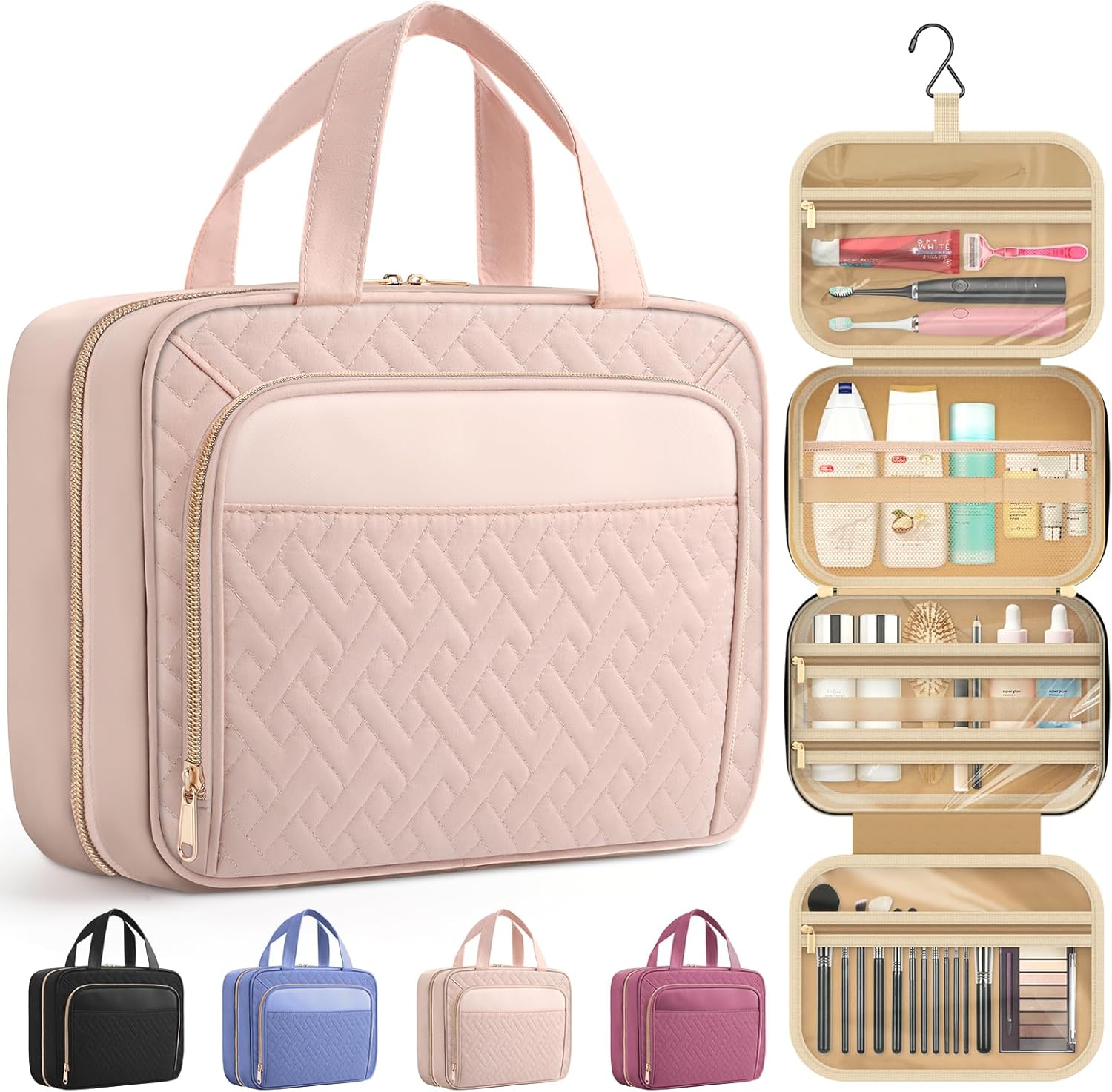
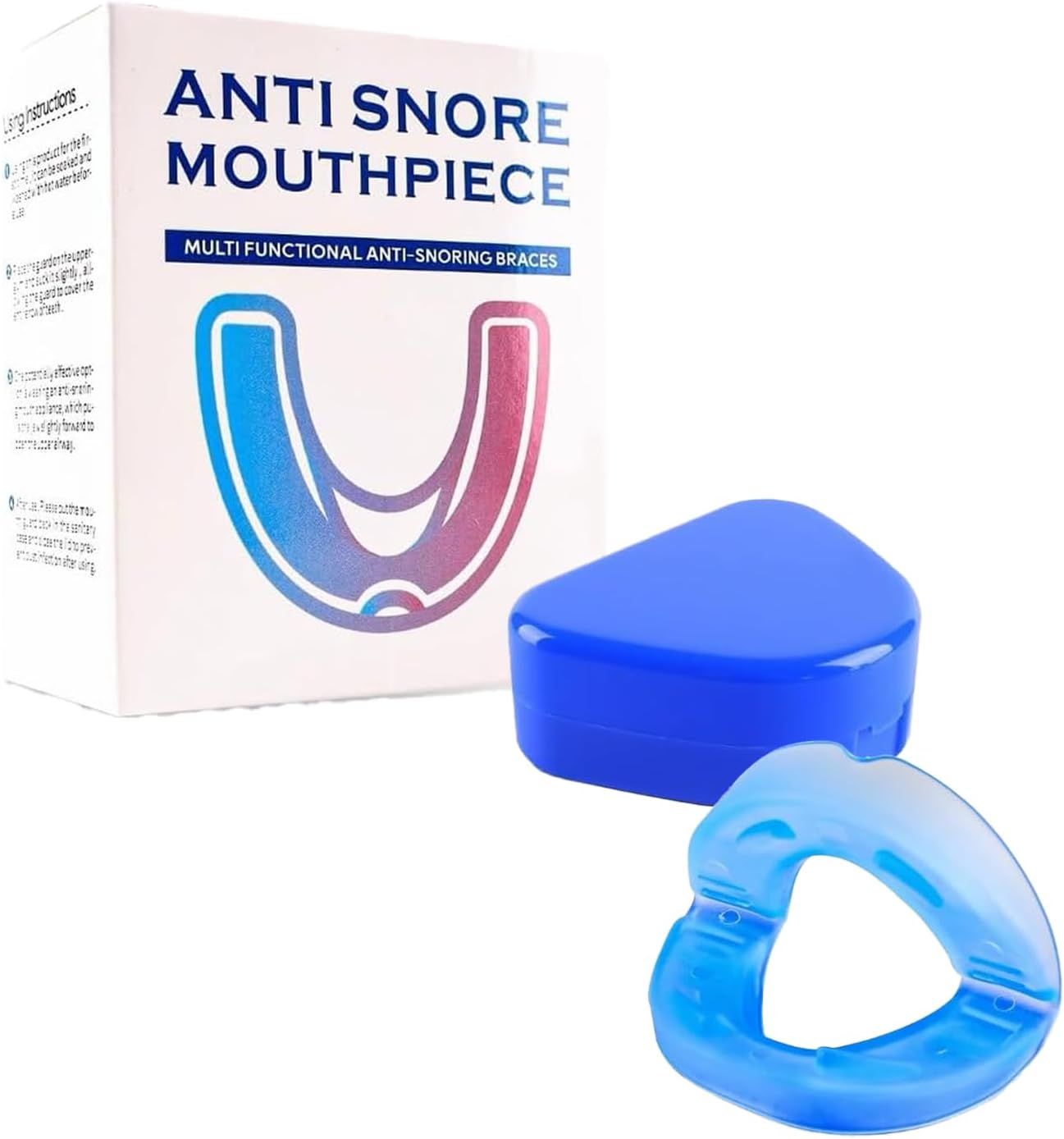
The Smart Electric Bakhoor Burner is the natural companion piece. The Large Travel Cosmetic Bag keeps a tin and a small burner together when you travel, and the Anti-Snore Mouthpiece rounds out a bedroom comfort kit.
Frequently asked questions about omani bakhour
What is omani bakhour made from?
Traditional blends combine wood chips with fragrance oils and resins, left to mature so the oil soaks fully into the wood. The exact recipe varies by maker and is usually not published in full. You can read a general background on bakhoor for the wider context of how these blends are used across the region.
How long does a 40g tin last?
That depends entirely on how much you use per session and how often you burn. A pinch at a time for occasional gatherings stretches a small tin over many weeks; daily use through Ramadan will finish it far quicker. Starting with a smaller tin is a sensible way to learn your own rhythm.
Do I need charcoal, or will an electric burner do?
An electric burner is perfectly capable and considerably safer indoors. Charcoal gives a stronger, smokier result that some people prefer for special occasions. Neither is wrong; choose based on the room, the household and how much supervision you can give the burner.
Will the smell get into my clothes and furniture?
Yes, and that is partly the point. Fabric holds the scent for days, which is why it is best to test a new blend briefly in one room first. If you want a lighter result, shorten the session and ventilate straight afterwards.
Is omani bakhour safe to burn every day?
Any indoor smoke should be used in moderation and with ventilation. Short, well-aired sessions are far preferable to long ones in a closed room, and anyone with a respiratory condition should be cautious. If smoke triggers coughing or wheezing, stop and seek medical advice.
Does it work as a gift?
It is one of the safer gift choices in the Gulf, because the format is familiar and a sealed tin travels easily. Pairing omani bakhour with a burner turns it into a complete present rather than a refill, which is worth considering for Eid or a wedding.
Bought thoughtfully and burned with a little restraint, omani bakhour does something no spray can manage: it makes a house smell like it is expecting you. Start with a small sealed tin, learn how much your rooms need, and build from there. You can view this blend on its product page, or browse the wider range in the Fragrances / Perfumes section.





Add comment