An ultrasonic room humidifier solves a problem most people in Saudi Arabia feel long before they name it: waking with a dry throat, static in your clothes, and skin that never quite settles no matter what you put on it. Air conditioning is excellent at cooling and very good at stripping moisture out of a room.
This guide explains how the technology works, how to size an ultrasonic room humidifier to the room it will live in, where to put it, why water quality matters more than most buyers expect, and how to clean one on a schedule that actually gets followed. There is a checklist, six questions answered, and the WLD Store pick set out as the listing describes it.
Why dry indoor air calls for an ultrasonic room humidifier
Outdoor humidity in much of the Kingdom is low for large parts of the year, and indoor air is usually drier still. Air conditioning removes moisture as a by-product of cooling, so a room that is comfortable in temperature can be well below the range most people find comfortable in humidity.
The effects are cumulative rather than dramatic. Dry air pulls moisture from skin and from the mucous membranes in your nose and throat, which is why the symptoms are most obvious first thing in the morning after eight hours of it.
It affects the house as well as the people in it. Wooden furniture and doors shrink slightly in very dry conditions, houseplants struggle, and static builds up on carpets and synthetic fabrics. None of this is serious, but all of it is avoidable.
An ultrasonic room humidifier addresses the cause rather than the symptom. Adding measured moisture back into the air is a more direct fix than another layer of moisturiser or a glass of water beside the bed, though it is worth saying plainly that a humidifier is a comfort appliance and not a medical device. If dry air is triggering something that concerns you, speak to a doctor rather than relying on an appliance.
How an ultrasonic room humidifier works
The mechanism is worth understanding because it explains almost every practical quirk of ownership, from the noise level to the white dust question.
Inside the base sits a small ceramic disc, a piezoelectric transducer, that vibrates at a frequency far above hearing. Those vibrations break the surface of the water into a fine cool mist, which a quiet fan pushes out through the nozzle.
Because there is no heating element, the mist leaves at roughly room temperature. That is the main safety advantage of an ultrasonic room humidifier over a warm-mist model: nothing gets hot, so there is no scald risk if a child pulls it off a table.
It is also why these units are quiet. The transducer itself is silent to human ears, and the only audible component is a small fan, which is why manufacturers describe the category as whisper-quiet.
The trade-off is that whatever is dissolved in the water goes into the air with it. A boiling humidifier leaves minerals behind in the tank; an ultrasonic one atomises them along with the water. That single fact drives the water-quality advice further down this page.
What makes a good ultrasonic room humidifier
Specifications in this category are often vague, so it is worth knowing which handful of details actually decide whether you are happy with an ultrasonic room humidifier.
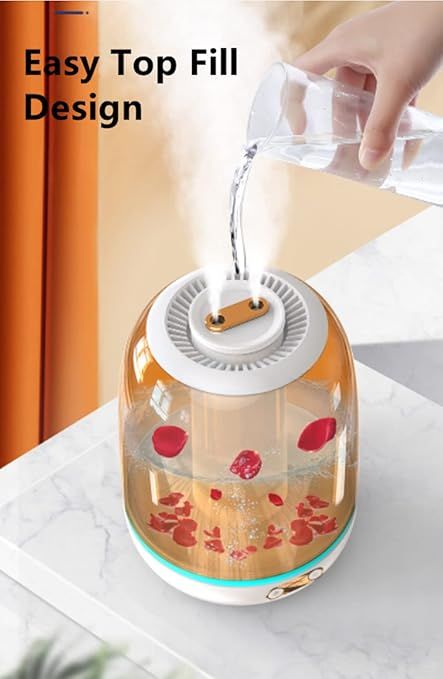
Tank size and runtime
Tank capacity decides how often you refill, and refilling is the chore that determines whether an appliance gets used. A tank that runs through a full night without intervention is the practical minimum for a bedroom.
Be aware that runtime figures assume the lowest mist setting. On maximum output, real runtime is usually a fraction of the headline number, so read any stated hours as a best case.
Adjustable mist output
A single-speed unit is a blunt instrument. Adjustable output lets you run a small amount continuously rather than swinging between saturated and dry, which is how you keep a room stable.
Look for at least a low, medium and high setting. On an ultrasonic room humidifier, the low setting is the one you will use most of the time once the room has reached a comfortable level.
Auto shut-off
This is a safety feature and a convenience feature at once. When the tank empties, the transducer should stop rather than continue running dry, which can shorten its life. It also means you can leave the unit running overnight without thinking about it.
Noise in practice
Ultrasonic units are the quietest common type, but “quiet” is not “silent”. Expect a soft fan noise and an occasional gurgle as water moves from tank to reservoir. In a bedroom, that gurgle is the sound people actually notice.
How easy it is to clean
This matters more than any other feature, because a humidifier that is awkward to clean will not be cleaned. Look for a wide tank opening you can get a hand or a brush into, and a base reservoir that is easy to wipe.
Narrow-necked tanks look elegant and are genuinely difficult to scrub. If you can only see the opening in product photos, that is a reasonable proxy for how much effort weekly maintenance will take.
Footprint and nozzle height
The unit needs to sit on a stable surface above floor level, so check the base dimensions against wherever you plan to put it. A rotating or angled nozzle helps direct mist away from walls and furniture.
The WLD Store pick: Ultrasonic Room Humidifier
WLD Store lists this unit as a cool mist humidifier for everyday household use. The points below are taken from the listing itself.
- Product: Ultrasonic Room Humidifier, described as a whisper-quiet cool mist humidifier
- Function: the listing states it adds moisture to a room to combat dry air
- Controls: adjustable mist output, according to the listing
- Safety: auto shut-off is listed as a feature
- Stated benefits: the listing mentions better sleep, healthier skin and reduced allergy symptoms; these are the seller’s descriptions rather than claims verified here
- Intended use: presented as suited to Saudi Arabia’s dry climate and air-conditioned rooms
- Category: Home & Kitchen, filed under Home Appliances
- Brand: WLD | SKU: WLD-KSA-0055-(KD-KD0179)
- Market: available across Saudi Arabia with secure checkout
The full description, all photographs and current availability are on the Ultrasonic Room Humidifier product page. Check the stated tank capacity there against the room-sizing advice below.
Sizing an ultrasonic room humidifier to your room
Matching output to room volume is the difference between an appliance that works and one that hums away making no perceptible difference.
Small rooms, a bedroom, a study, a nursery, are where a single compact ultrasonic room humidifier performs best. In an enclosed room with the door shut, a modest output can lift humidity noticeably within an hour.
Large open-plan spaces are a different problem. A living area that flows into a kitchen and hallway has too much volume, and too much air exchange, for one small unit to shift. Either accept a local effect around the machine or size up considerably.
Ceiling height is the factor people forget. A room with high ceilings holds far more air than the floor area suggests, so judge by volume rather than square metres.
Air exchange matters too. If the air conditioning is bringing in outside air continuously, an ultrasonic room humidifier is working against a constant supply of dry air. Closing the door of the room you are humidifying is the cheapest possible upgrade.
Where to place an ultrasonic room humidifier
Placement changes an ultrasonic room humidifier’s performance more than most people expect, and the common mistakes are easy to avoid.
- Raise it off the floor. A stable table or shelf about half a metre up distributes mist far better than floor level and keeps it out of the way.
- Keep it away from walls and curtains. Mist that lands on a surface is wasted and, over time, can mark paint or fabric. Leave at least thirty centimetres of clear space.
- Do not point it at electronics. Direct mist onto a television, laptop or socket is a genuinely bad idea.
- Keep it out of the air conditioning stream. A vent blowing across the nozzle disperses the mist before it can raise humidity in the room.
- Place it on a water-tolerant surface. Put a tray or a towel underneath; a small amount of condensation around the base is normal.
- In a nursery, keep it out of reach. Cool mist removes the burn risk but not the tipping risk.
Ultrasonic room humidifier water quality and white dust
If you take one practical point from this guide, make it this one. Because an ultrasonic room humidifier atomises whatever is in the water, mineral content ends up in the air and eventually as a fine pale film on nearby surfaces.
That film is the “white dust” people report. It is not a fault; it is dissolved minerals from hard tap water. The harder the water, the more visible it becomes, and a dark tabletop near the unit is where you will notice it first.
The fix is straightforward: use distilled or demineralised water where you can. Filtered water helps somewhat, but a standard jug filter reduces some minerals rather than removing them. Some units accept a demineralisation cartridge, which is worth checking for.
There is a hygiene dimension as well. Standing water in any humidifier can support microbial growth, and an ultrasonic unit will disperse whatever is in the tank. This is precisely why the cleaning schedule below is not optional.
Never add anything to the tank unless the manufacturer explicitly permits it. Essential oils in particular can degrade the plastic and the transducer on units not designed for them, and they belong in a diffuser instead.
Getting the humidity level right
More moisture is not automatically better, and an ultrasonic room humidifier left on maximum will overshoot, which causes its own problems.
The commonly recommended indoor range is roughly thirty to fifty per cent relative humidity. Below that, dry-air symptoms appear. Above sixty per cent, you start creating conditions that favour mould and dust mites, which is the opposite of what most people buy a humidifier for.
Buy a cheap hygrometer. It costs very little and turns an ultrasonic room humidifier from guesswork into something you can actually manage. Place it across the room from the unit, not next to it, or you will only ever read the mist plume.
Use the reading to set output, then leave it. Most people run high output for the first hour and then drop to low to hold the level, which is far more effective than running maximum all night.
Watch the windows. Condensation on glass in the morning is the clearest sign you have gone too far, and it is a signal to reduce output before moisture starts collecting anywhere less visible.
Ultrasonic room humidifier cleaning schedule
An ultrasonic room humidifier is one of the few appliances where skipping maintenance actively works against the reason you bought it. The routine is short.
- Empty and refill daily. Do not top up stale water. Tip out what is left, rinse the tank and refill with fresh.
- Wipe the base reservoir every few days. A soft cloth over the transducer area removes the film that builds up there.
- Descale weekly. White vinegar diluted in water, left in the tank for twenty minutes then rinsed thoroughly, removes mineral scale without harsh chemicals.
- Use a soft brush on the transducer. Never scrape it. The disc is the part that fails if damaged, and it is the heart of the unit.
- Dry it fully before storage. If an ultrasonic room humidifier is going away for a season, empty, dry and store it with the tank cap off.
- Replace filters or cartridges on schedule. Where fitted, these have a finite life and a clogged one reduces output noticeably.
For a broader technical overview of the different humidifier types and how they compare, the Wikipedia article on humidifiers covers the main categories clearly.
Common ultrasonic room humidifier problems and quick fixes
- No mist, but the unit is powered on. Usually scale on the transducer. Descale with diluted vinegar and brush gently; check the water level is above the minimum mark.
- Fine white film on furniture. Mineral content in the water. Switch to distilled or demineralised water and wipe surfaces; the film is harmless but persistent.
- A musty smell from the mist. Stop using it immediately and clean thoroughly. This indicates growth in the tank or reservoir, and continuing to run it disperses that into the room.
- Gurgling that disturbs sleep. Normal water transfer, but worse when the tank is very full or unevenly seated. Reseat the tank and try filling it slightly less.
Ultrasonic room humidifier versus an evaporative model
The two dominant technologies suit different households, and neither is universally better.
An evaporative unit blows air through a wet wick. Because evaporation is self-limiting, it cannot easily over-humidify a room, and minerals stay in the wick rather than going into the air, so there is no white dust. The costs are a louder fan and wicks that need replacing.
An ultrasonic room humidifier is quieter, uses less power, produces a visible mist that reassures people it is working, and has no consumable wick. The trade-offs are the mineral issue and the fact that it will happily over-humidify a small room if you leave it on maximum.
If you have very hard water and no appetite for buying distilled water, evaporative is the easier life. If quiet operation matters most, particularly in a bedroom or nursery, the ultrasonic type is the better choice.
Who an ultrasonic room humidifier is not for
It is the wrong tool for a large open-plan area if you expect whole-space results from one compact unit. Be realistic: you will get a local improvement near the machine.
It is also not ideal for anyone unwilling to commit to weekly cleaning. An unmaintained humidifier is worse than no humidifier, and that is not an exaggeration.
And it is not an air purifier, an air conditioner or a treatment for a medical condition. It adds moisture to air. Anything beyond that belongs to a different appliance or a different professional.
Ultrasonic room humidifier buying checklist
- Will the tank run a full night on low? Refill frequency is what decides whether you keep using it.
- Can you get your hand inside the tank? A wide opening is the single best predictor of easy cleaning.
- Is mist output adjustable? Single-speed units are hard to hold at a comfortable level.
- Is auto shut-off included? Essential for overnight use and for the life of the transducer.
- How hard is your water? If it is hard, budget for distilled water or a demineralisation cartridge from day one.
Other Home & Kitchen picks at WLD Store
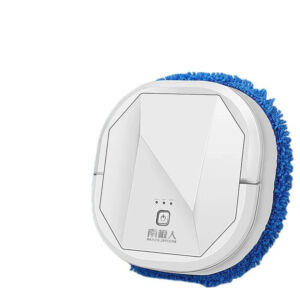
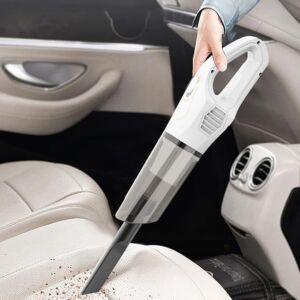
These three sit in the same section of the catalogue and address related household problems.
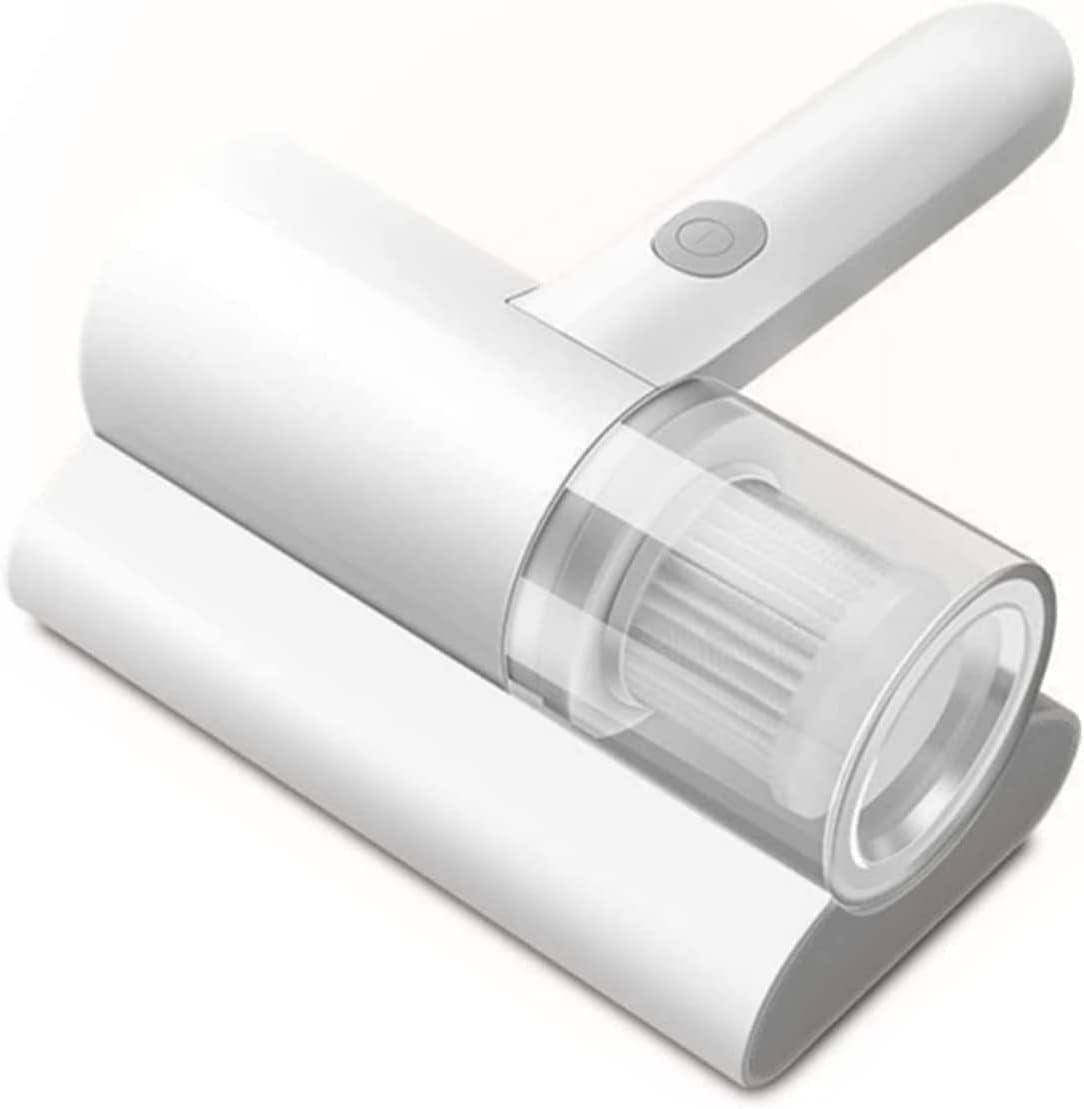
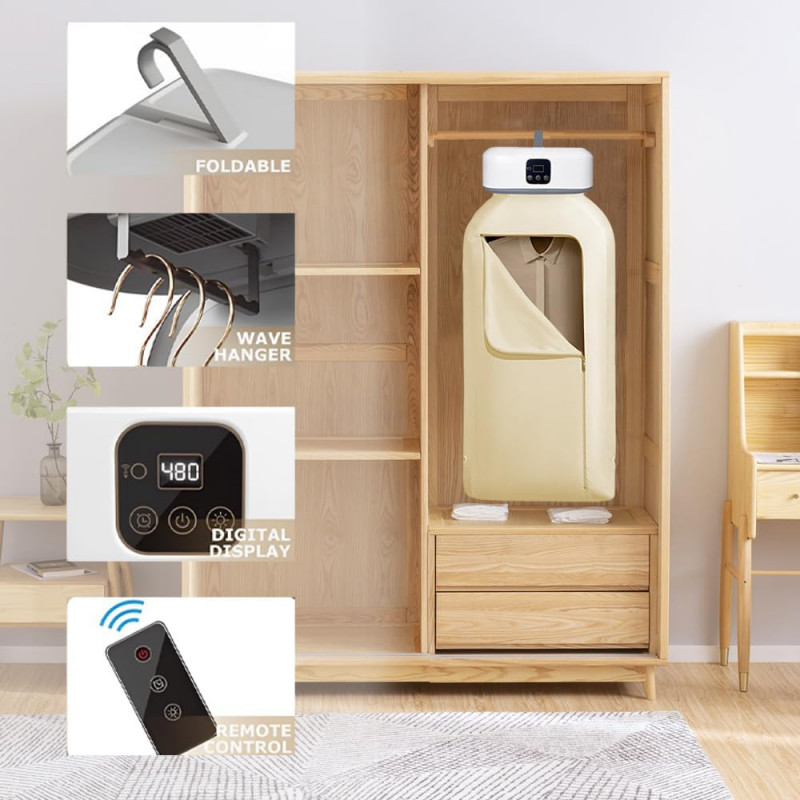

The mite vacuum is the closest companion purchase if bedroom air quality is your concern, the electric dryer handles laundry indoors, and the blender belongs to the kitchen side of the range.
Frequently asked questions about an ultrasonic room humidifier
Can I run an ultrasonic room humidifier all night?
Yes, and that is the usual pattern, provided the unit has auto shut-off and the tank is large enough. Run it on a low setting rather than maximum: holding a steady level uses less water and avoids over-humidifying the room by morning.
What water should I use?
Distilled or demineralised water is best in any ultrasonic room humidifier, because minerals in tap water are atomised into the room and settle as white dust. If you use tap water, expect to wipe nearby surfaces and to descale the tank more often.
Can I add essential oils to the tank?
Only if the manufacturer says so. Oils can damage plastic components and the transducer on units not designed for them, and doing so usually voids any warranty. Use a separate diffuser for fragrance.
How often does it need cleaning?
Rinse and refill daily, wipe the base every few days, and descale weekly with diluted white vinegar. This is not optional maintenance, because an ultrasonic room humidifier disperses whatever is growing in the tank along with the mist.
Is cool mist safe around children?
The mist itself is not hot, so there is no scald risk of the kind a warm-mist unit carries. The remaining risks are tipping and cables, so place the unit out of reach on a stable surface and keep the flex tucked away.
Will it help with dry skin and a dry throat?
Many people find that raising indoor humidity into the thirty to fifty per cent range makes both more comfortable, and that is what the product listing claims. It is a comfort appliance rather than a treatment, so persistent symptoms are worth discussing with a doctor.
An ultrasonic room humidifier is a genuinely useful appliance in an air-conditioned home, provided you size it to one room, keep the door shut, watch a hygrometer and clean it weekly. Get the water right and the white dust question disappears with it. You can see the full specification on the Ultrasonic Room Humidifier page, or compare it with other home appliances in the Home Appliances section.



Add comment