A garlic presser is one of the few kitchen gadgets that survives the drawer cull, and the reason is simple arithmetic: most households cook with garlic several times a week, and peeling, chopping and then scrubbing the smell off a board takes longer than the cooking itself.
This guide explains what separates a good garlic presser from one that bends on the third clove, how pressing changes flavour compared with slicing, how to clean the thing properly, and where the tool genuinely does not help. There is a checklist, six answered questions, and the WLD Store pick described exactly as the listing states it.
Why a garlic presser earns its drawer space
The strongest argument is not speed, though it is faster. It is consistency. Hand-chopping produces pieces of wildly different sizes, and the small fragments burn while the large ones stay raw. A press gives you a uniform texture every time, which behaves predictably in a hot pan.
The second argument is contamination. Garlic on a wooden board transfers to whatever you cut next, and the smell lingers on your fingers through several hand washes. A garlic presser keeps the clove enclosed, so the board and your hands stay clean.
There is also a yield point that surprises people. Chopping leaves a surprising amount of garlic stuck to the knife and board. A press pushes almost everything through the plate, and what stays behind is scraped off in one go.
Finally, it lowers the barrier to using fresh garlic at all. Plenty of cooks reach for jarred paste on a weeknight purely because fresh feels like effort. A garlic presser removes that friction, and fresh garlic tastes considerably better than anything from a jar.
What makes a good garlic presser
The category looks uniform in photographs and is not. Four details separate a tool that lasts a decade from one that fails in a month, and all four can be checked before you buy.
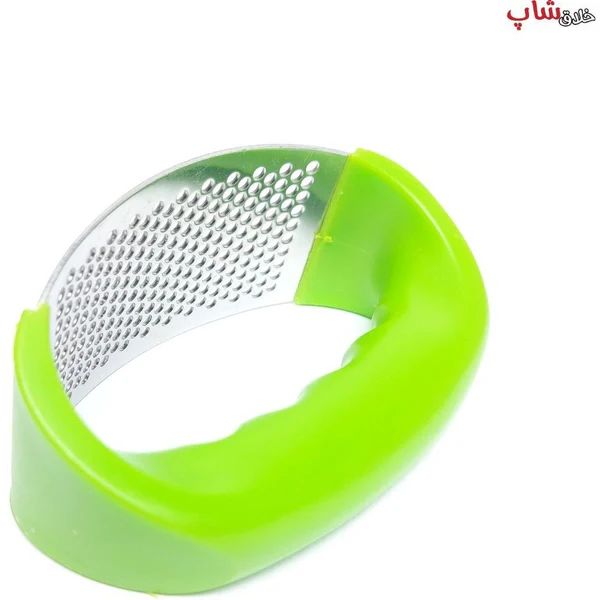
Material and construction
Stainless steel is the sensible default. It does not absorb odours, it survives contact with acidic ingredients, and it will not stain from repeated use. Zinc alloy presses are common and cheaper, but the pivot is where they eventually fail.
Look at how the two arms are joined. A riveted or pinned hinge that sits inside a reinforced boss handles far more force than a thin bent tab. When a garlic presser breaks, the hinge is almost always where it goes.
Hopper size and clove fit
A hopper that only takes a small clove is an immediate annoyance, because you end up halving every large one. A chamber that accepts a full clove, and ideally two small ones together, is what makes the tool quick.
Depth matters as much as width. A shallow chamber squeezes garlic out around the edges instead of through the plate, which is messy and wastes product. Check the product photographs for a chamber with real walls.
The hole plate
Hole size sets the texture. Smaller holes give a fine paste that dissolves into a sauce; larger holes give a coarser mince that keeps some bite in a stir-fry. Neither is wrong, but you should know which one you are buying.
More important is how the holes are made. Cleanly punched holes with a slight taper release their contents easily. Rough, burred holes on a cheap garlic presser trap garlic on the underside and make cleaning a chore.
Handles and leverage
Long handles do the work for you. The longer the arm from the hinge, the less force your hand needs, which matters if you have any grip weakness or arthritis. Short, stubby presses look neat and are genuinely harder to use.
Comfort at the contact point counts too. A rounded or padded handle spreads the pressure across the palm; a thin metal edge digs in. Squeeze the handles together in the shop if you can, or look for a wide handle profile in the photos.
How it comes apart for cleaning
This is the feature people ignore and then regret daily. A hinged cleaning plate with pins that push residue back through the holes turns a two-minute scrub into a five-second rinse. Without it, you are picking garlic out of holes with a brush.
Some designs open flat, which is even better, because you can reach every surface. A garlic presser you dread washing is one that stays in the drawer.
Multi-function heads
Some presses add a slicing plate or a second chamber for coarser work. These are useful if you actually want both textures. Judge them on whether each function is properly built rather than on the number printed on the box.
The WLD Store pick: Multi-Function Garlic Presser
WLD Store lists this as a manual crusher built for everyday kitchen use. The following comes from the listing itself, kept separate from the general advice above.
- Product: Multi-Function Garlic Presser, described as a sturdy manual crusher
- Functions: the listing states that it minces, slices and presses garlic in one squeeze
- Material: stainless steel, described as not absorbing odours
- Cleaning: the listing notes it is easy to clean under running water
- Fit: stated to accommodate all garlic clove sizes
- Category: Home & Kitchen, filed under Kitchen Tools
- Brand: WLD
- SKU: WLD-KSA-0056-(KD-KD0183)
- Market: available across Saudi Arabia with secure checkout
Full photographs, the complete description and current availability are on the Multi-Function Garlic Presser product page. Nothing beyond what the listing states has been added here.
How to use a garlic presser properly
Most complaints about this tool come from technique rather than the tool. Five minutes of habit-forming fixes almost all of them.
- Do not peel the clove. This is the single most useful trick. The skin stays in the chamber and acts as a liner, the garlic goes through, and cleaning becomes far easier.
- Trim the root end. That hard base does not press and jams the plate. One cut with a knife tip removes it.
- Squeeze slowly and steadily. A gradual press extracts more than a sharp jerk, and puts less strain on the hinge.
- Scrape the plate with a knife. A good half-teaspoon clings to the outside of the holes. Scrape it straight into the pan.
- Rinse immediately. Dried garlic is glue. Thirty seconds under the tap now saves five minutes later.
- Press over the pan, not a bowl. Fewer surfaces means less smell and less washing up.
One more point on timing. Pressed garlic cooks much faster than chopped, so add it later than you would otherwise. Dropping a garlic presser’s output into hot oil at the start of a recipe is the usual reason people say pressed garlic tastes bitter.
How a garlic presser changes the flavour
This is not a small detail; it is the main reason cooks argue about the tool at all.
Garlic flavour develops when cell walls rupture and enzymes meet their substrate. The more thoroughly you break the cells, the more of that pungent compound is produced. Pressing ruptures far more cells than slicing, so pressed garlic is noticeably sharper and stronger.
That makes a garlic presser the right tool for dressings, marinades, dips, garlic butter and anything raw or briefly cooked, where you want the flavour to carry. It is also excellent in a sauce where you do not want to encounter pieces.
Slicing is better for slow-cooked dishes where you want the garlic mellow and sweet, and for anything where visible pieces are part of the dish. Whole cloves roasted in their skins are milder still.
A practical consequence: use slightly less when pressing. If a recipe was written for chopped garlic, pressing the same quantity will taste stronger than the author intended, so start with about three quarters and adjust.
What else a garlic presser can handle
Most presses handle more than their name suggests, though it is worth being realistic about the limits.
Fresh ginger works well if you cut it across the grain into a short chunk first. The fibres are what cause problems, so a piece pressed lengthways will clog. Expect ginger juice and pulp rather than a neat mince.
Small shallots press acceptably, though they are wetter than garlic and produce more liquid. Chillies can be pressed but the residue is difficult to wash out completely, and the heat transfers to the next thing you press for several uses.
What does not work: anything hard or dry. Nuts, whole spices and frozen items will damage the plate or the hinge. A garlic presser is a soft-produce tool, and pushing it beyond that is how the hinge cracks.
Prepping garlic ahead for the week
Batch prep is where a garlic presser starts saving real time, but it is also where food safety matters, so it is worth doing properly rather than improvising.
Pressed garlic keeps for a few days in a sealed container in the fridge. It loses sharpness as it sits, which is fine for cooked dishes and noticeably worse in a raw dressing, so press fresh for anything uncooked.
Do not store raw garlic submerged in oil at room temperature. Oil creates an oxygen-free environment and garlic can carry the bacteria responsible for botulism, so any garlic-in-oil mixture belongs in the fridge and should be used within a few days. This is one of the genuine food safety rules in a home kitchen, not an over-cautious one.
Freezing works better than most people expect. Press a batch, spread it thinly in a small freezer bag, flatten it and freeze it. You can then snap off a piece the size you need. Frozen pressed garlic goes straight into a hot pan without thawing.
If you cook the same dishes repeatedly, one weekly session with a garlic presser and a freezer bag removes the task from every weeknight. Twenty cloves take about five minutes including cleaning the tool.
Keep the tool itself somewhere reachable rather than at the back of a drawer. A garlic presser used three times a week belongs in the same place as the tin opener, not buried under the whisks.
Garlic presser cleaning and maintenance
The whole tool lives or dies on this. A short routine keeps it working and odour-free.
- Rinse under running water straight after use. While residue is still wet it lifts out with almost no effort.
- Push residue back through the holes. Use the cleaning plate if fitted, or the back of a teaspoon handle if not.
- Use a small brush weekly. An old toothbrush or a dedicated bottle brush reaches into the hinge, which is where smell accumulates.
- Dry it fully before putting it away. Trapped water in the hinge causes corrosion even on stainless steel fittings joined with other metals.
- Check dishwasher suitability first. Many presses are dishwasher safe, but a hot cycle can dull a plated finish. Confirm before assuming.
- Deal with lingering smell with bicarbonate. A paste of bicarbonate of soda and water, scrubbed in and rinsed, neutralises odour better than detergent.
Stainless steel resists odour retention well, which is why it is the standard for this kind of tool. If you are curious about the design history and the debate among cooks about pressing versus chopping, the Wikipedia article on the garlic press is a useful neutral summary.
Common garlic presser problems and quick fixes
- The handles are hard to squeeze. Usually an overfilled chamber. One clove at a time, root trimmed, needs far less force than two crammed in.
- Garlic escapes around the edges. The chamber is overfilled or the plate is misaligned. Check nothing is caught in the hinge preventing the arms closing squarely.
- Holes are blocked and will not clear. Soak in hot water for ten minutes, then push through from the inside with a wooden skewer. Never force a metal pin, which can enlarge the holes.
- A smell persists after washing. The hinge is the culprit, not the plate. Work bicarbonate paste into the joint with a brush, rinse thoroughly and dry it open.
Garlic presser versus a knife and board
A good cook with a sharp knife can produce anything a press can, and more besides. If you enjoy knife work and cook garlic in varied forms, the knife wins on flexibility and there is nothing extra to wash.
The press wins on speed, consistency, hand cleanliness and accessibility. For anyone with reduced grip strength or limited hand mobility, a long-handled garlic presser is genuinely easier than fine knife work, and that is not a minor consideration.
Volume changes the answer again. For a single clove, the press is faster including cleaning. For a whole head going into a large batch of food, a knife and board is quicker overall, because you are not reloading the chamber ten times.
Most kitchens want both. Keep the press for the weeknight single clove and the knife for the weekend batch, and neither tool sits unused.
Who a garlic presser is not for
It is not for cooks who want visible slices or slivers in a dish. Pressing destroys the shape entirely, so anything where the garlic is meant to be seen needs a knife.
It is also unhelpful if you mostly cook garlic slowly and sweetly. Confit, roasted heads and long braises want whole or halved cloves, and pressing works against the flavour you are trying to build.
And it is redundant if you already own a mini food processor and use it regularly. For batch quantities that appliance is faster, though it is considerably more to wash for one clove.
Garlic presser buying checklist
- Is the body stainless steel or a coated alloy? Steel is the more durable choice and does not hold odour.
- Does the chamber take a whole large clove? If not, you will be halving garlic every time you cook.
- Is there a cleaning plate or does it open flat? This decides whether you use the tool or avoid it.
- How long are the handles? Longer arms mean less hand force, which matters more than it sounds.
- How is the hinge built? A solid pinned joint in a reinforced boss is what makes a garlic presser last years rather than months.
Other Home & Kitchen picks at WLD Store
If you are equipping a kitchen rather than buying one tool, these three sit in the same section of the catalogue.
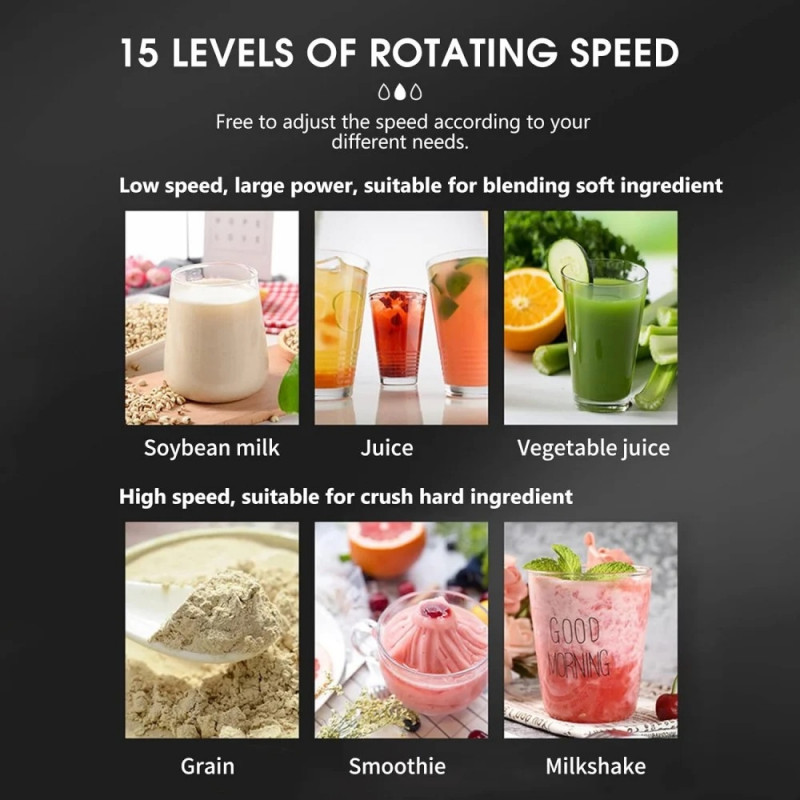
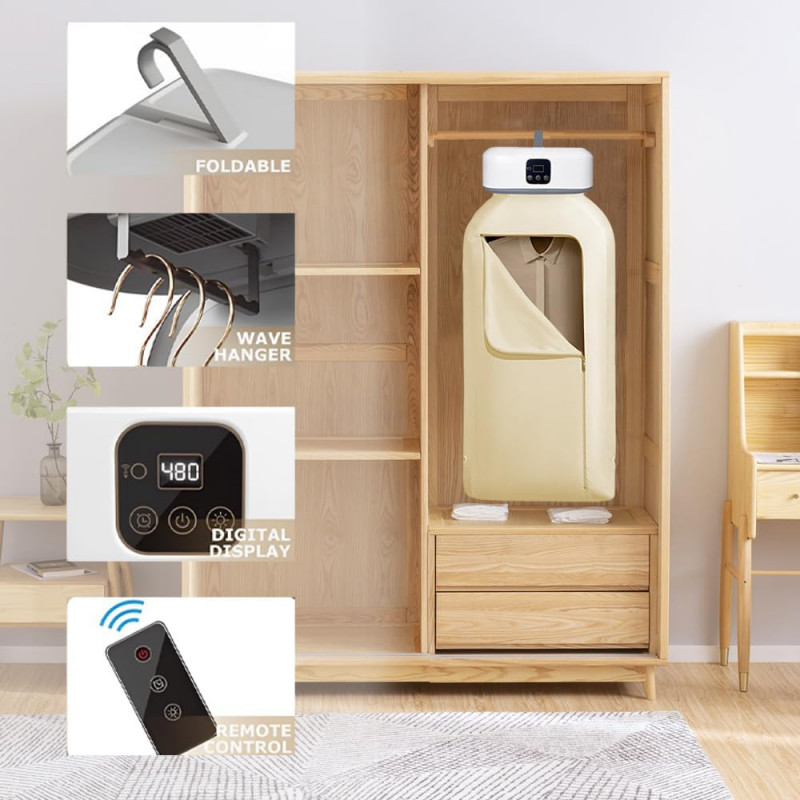
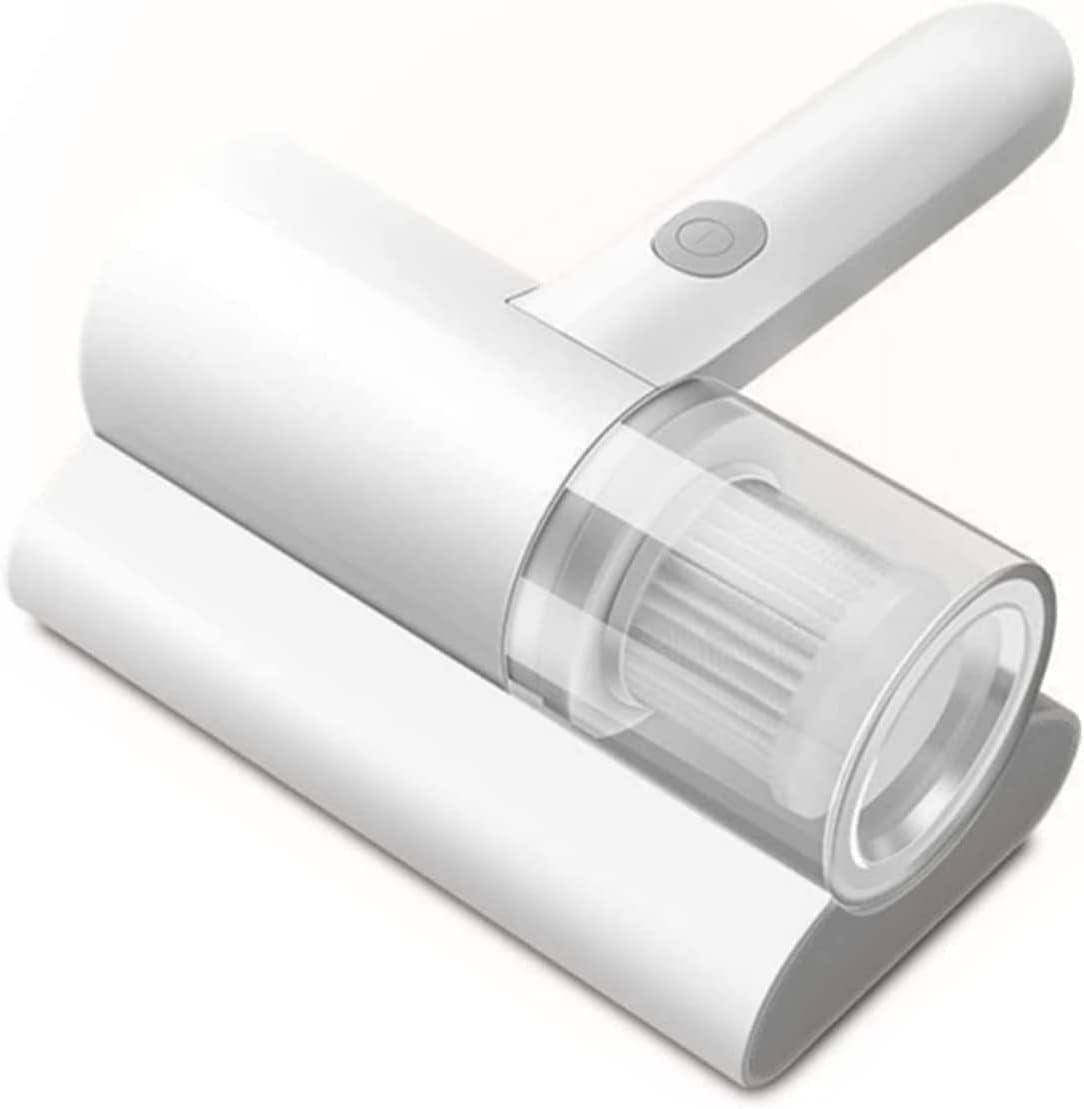
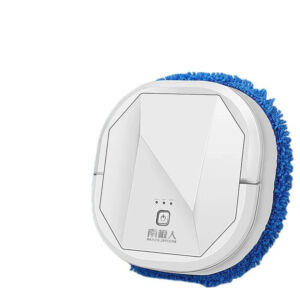
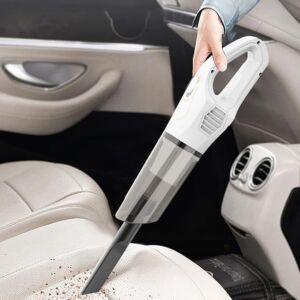
The blender is the obvious companion for anyone who makes sauces and dips in quantity, while the dryer and the mite vacuum sit in the wider home section rather than food preparation.
Frequently asked questions about a garlic presser
Do I need to peel garlic before pressing?
No, and it is better not to. Press the clove with the skin on: the papery skin stays behind in the chamber, the garlic goes through the plate, and you lift the skin out in one piece afterwards. Cleaning is much faster this way.
Does a garlic presser waste garlic?
Less than chopping does, provided you scrape the underside of the plate. A useful amount clings there after every press, and a single pass with a knife edge recovers it. Chopping leaves comparable amounts on the board and knife.
Is pressed garlic stronger than chopped?
Yes, noticeably. Pressing ruptures more cell walls than chopping, which produces more of the pungent compounds responsible for garlic’s bite. Use about three quarters of what a recipe specifies for chopped garlic and taste before adding more.
Can it go in the dishwasher?
Many can, but check the specific product first. Even where it is permitted, a rinse straight after use is better, because a dishwasher cycle bakes any dried residue into the holes rather than clearing it.
Will it handle ginger?
Usually, if you cut a short chunk across the fibres first. Expect juice and pulp rather than a clean mince, and clean the tool promptly because ginger fibre is more stubborn than garlic. Hard, dry ingredients should never go in.
How do I stop it smelling of garlic?
Rinse immediately, brush the hinge weekly, and dry it fully open. If a smell has already set in, a bicarbonate of soda paste worked into the joint clears it. Stainless steel holds odour far less than plastic-bodied alternatives.
A garlic presser is a small purchase that changes a small task you repeat hundreds of times a year. Look for steel, a chamber that takes a whole clove, long handles and a cleaning plate, press the clove unpeeled, and rinse it while it is still wet. You can see the full details on the Multi-Function Garlic Presser page, or browse the rest of the kitchen range in the Kitchen Tools section.




Add comment