A car seat organizer is one of those additions that sounds trivial until the first long drive without one. Bottles roll under the pedals, tissues live on the floor, and every stop begins with someone searching the footwell for a charging cable.
This guide covers what a car seat organizer genuinely solves, how to judge the mounting and fabric, where to fit it without losing legroom, two packing plans for different kinds of driver, the safety checks worth doing, cleaning advice and six questions buyers in Saudi Arabia ask most often.
Why loose items in a car are a problem
Clutter in a cabin is not only untidy. It has consequences that most drivers never think about until something goes wrong.
The first is safety. Anything loose in a car keeps moving when the car stops suddenly. A hard water bottle in a footwell can end up under a brake pedal, and a heavy item on a parcel shelf becomes a projectile in a collision.
The second is distraction. Reaching for something that has slid out of range is a genuine source of inattention, and it happens most often exactly when traffic demands attention. A car seat organizer removes the reason to reach.
The third is damage. Drinks tip, food gets trodden into carpet and sun cream leaks into upholstery. Contained storage keeps spills in one washable place instead of soaking into the car itself.
The fourth is simply time. Ten minutes a week spent clearing the back of a car adds up to hours a year, and almost all of it is avoidable with somewhere sensible to put things.
What a car seat organizer actually solves
These products cover a wide range, from a slim seat-back pocket to a large box that sits on a seat cushion. They solve different problems, so it is worth being clear about which one you have.
A hanging seat-back panel puts small items in front of rear passengers: tissues, tablets, colouring books and snacks. It uses space that was otherwise wasted, and it does not consume any seat.
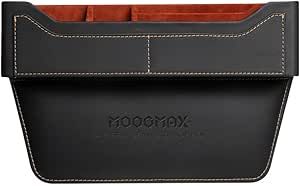
A box-style car seat organizer sits on the cushion of a seat and holds bulkier things upright: shopping, bags, tools, files or a laptop case. It stops a bag tipping over on the first roundabout.
The WLD Store listing for this model describes a large-capacity backseat organizer with multiple pockets for tablets, water bottles, snacks and essentials, which places it firmly in the family-use category.
What makes a good car seat organizer
Five things decide whether the product earns its space or ends up folded in the boot after a month.
How it attaches
Mounting is what everything else depends on. Adjustable straps that pass around a headrest and a seat base hold far better than a single loop, because two anchor points stop the panel swinging.
Quick-release buckles matter more than they sound. A car seat organizer that takes five minutes to remove will simply stay in place when you need the seat, which defeats the point of a removable accessory.
Fabric and how it handles spills
Everything in a car eventually meets a drink. A coated or laminated fabric wipes clean; an untreated woven fabric absorbs and stains. The listing describes premium waterproof fabric that protects against spills.
Look at the seams as well as the surface. Stitched corners on a loaded car seat organizer take real strain, and reinforced stitching at the strap anchors is the detail that decides how long it lasts.
Pocket layout
Pocket count is less important than pocket variety. A good layout mixes one deep section for tall items, a flat sleeve for a tablet or documents, elastic pockets for bottles and small closed pockets for things that must not fall out.
Closures matter for anything that moves. Open pockets are fine for tissues and are the wrong home for keys, coins or a phone on a bumpy road.
Rigidity
A completely floppy panel sags as soon as it is loaded and everything ends up in a heap at the bottom. Some internal structure keeps the pockets open and usable, which is the practical difference between a car seat organizer you use and one you fight.
Size against legroom
A large unit on the back of a front seat costs rear passengers knee room. Measure before ordering, particularly in a smaller car with a rear-facing child seat already fitted.
The WLD Store pick: Car Seat Organizer
Here is what the WLD Store listing states about this car seat organizer, with nothing added.
- Product: Car Seat Organizer Storage Box, listed under Automotive and Car Accessories.
- Brand: WLD.
- Described as: a large-capacity backseat organizer with multiple pockets.
- Intended contents: tablets, water bottles, snacks and everyday essentials.
- Fabric: the listing describes premium waterproof fabric that protects against spills.
- Fitting: stated to install in seconds on any car seat.
- Market: available across Saudi Arabia, with secure checkout.
- SKU: WLD-KSA-0036-(KD-KD0056).
Dimensions, pocket layout and current photographs are on the Car Seat Organizer product page. Compare the listed size against the space behind your front seats before ordering, especially in a compact car.
Where to fit it
Position changes what the product is good for, so choose deliberately rather than defaulting to the driver’s seat back.
- Behind the front passenger seat: the usual choice for families. Rear passengers can reach everything, and the driver is not disturbed.
- Behind the driver’s seat: better if the front passenger seat is regularly used by an adult who wants full seat travel.
- On the rear seat cushion: where a box-style car seat organizer holds bags upright. Best in a car that rarely carries rear passengers.
- In the boot: for shopping and sports kit, though a boot organiser is a different shape of product.
Whichever position you choose, sit in the rear seat afterwards and check knee clearance. A car seat organizer that makes the rear seat unusable has traded one problem for another.
Fitting it in a few minutes
The whole job takes less time than reading about it, but the order matters.
- 1. Empty the seat back first. Remove anything already in the factory pocket so nothing gets trapped.
- 2. Loop the upper strap around the headrest posts, not around the headrest cushion itself.
- 3. Secure the lower strap around the seat base so the panel cannot swing forward under braking.
- 4. Tension both straps evenly. The unit should sit flat against the seat back with no sag.
- 5. Load the heaviest items in the lowest pockets. Weight high up makes any car seat organizer sway.
- 6. Check seat movement. Slide the front seat fully back and forward and confirm nothing snags or blocks the rails.
- 7. Check the rear seat belt path. Nothing you fit should sit across a belt buckle or a child seat anchor point.
Re-tension the straps after the first week. Fabric settles, buckles bed in, and two minutes of adjustment stops the whole thing drooping.
Two packing plans
How you load it matters more than how many pockets it has. Here are two approaches that work.
The family plan. Bottom pockets take water bottles and a small first aid kit. The middle holds tissues, wet wipes and a spare shopping bag. The tablet sleeve carries a tablet in a case, and the top pockets take snacks that survive heat. Keep one pocket permanently empty as a place for rubbish until the next stop.
The work plan. One deep pocket for a document folder, one for a laptop or tablet, elastic pockets for a charger, a power bank and pens, and a closed pocket for anything small enough to be lost. A car seat organizer used this way replaces the habit of piling files on a passenger seat.
In both plans the rule is the same: every item has one home, and it goes back into that home. Storage only stays tidy while the habit holds.
Safety checks worth doing
None of this is complicated, and all of it is worth two minutes.
Check your vehicle handbook before covering any part of a seat. Some cars have airbags built into the seat backrest or the bolster, and nothing should obstruct the path of an airbag.
Keep child seat anchor points completely clear. If a rear-facing or forward-facing child seat is fitted, a car seat organizer must not interfere with the anchor, the top tether or the belt route.
Do not overload it. A heavily loaded panel puts continuous strain on the seat back, and heavy items at head height are exactly what you do not want in a sudden stop.
Keep the driver’s view clear. Nothing mounted on a seat should appear in the rear-view mirror or block a rear window. General background on vehicle seating is collected on the car seat reference page.
What not to store in a hot car
Parked cars in Saudi Arabia reach temperatures that change what is sensible to leave inside, and an organiser makes it easy to forget what is in there.
Do not leave medicines, sun cream or hand sanitiser in a car seat organizer through a summer day. Heat degrades many products, and pressurised or alcohol-based items are best carried in and out.
Electronics are the other category to remove. Power banks, phones and tablets should not sit in a parked cabin in direct sun, and a tablet left in a seat-back sleeve is in exactly the wrong place.
Food and drink deserve a thought too. Chocolate melts, fizzy drinks build pressure and anything dairy spoils quickly. Sealed snacks and plain water travel far better.
Cleaning and care
Ten minutes every few weeks keeps it looking new for years.
Take everything out and shake it upside down outside the car. Crumbs collect in the bottom corners of every pocket, and no amount of wiping reaches them while the pockets are loaded.
Wipe coated fabric with a damp cloth and a little mild detergent, then dry it fully before reloading. Avoid solvent cleaners, which can lift the waterproof coating that makes a car seat organizer wipeable in the first place.
Deal with spills immediately. A sealed liner holds liquid, which is helpful in the moment and unhelpful if it is left for a week.
Check the straps and buckles at the same time. Sun exposure through glass slowly weakens webbing, and a frayed strap is worth replacing before it fails on a loaded unit.
Common problems and quick fixes
Four complaints cover almost everything owners report.
- It sags in the middle. The lower strap is missing or loose. Anchor the base as well as the headrest and re-tension both.
- It swings on braking. Weight is too high. Move heavy items to the lowest pockets and tighten the lower strap.
- Rear passengers have no knee room. The unit is too deep for the car. Move it to the seat behind the less-used front seat, or switch to a slimmer design.
- Pockets stay collapsed and unusable. The panel lacks structure. A piece of firm card cut to size inside the main section restores the shape of most soft organisers.
Buying checklist
Five questions before ordering any car seat organizer.
- What is it actually replacing? A tidy boot needs a different product from a messy back seat.
- Will it fit your car? Compare the listed depth against the gap between the front seat back and the rear cushion.
- Does it mount at two points? Headrest plus seat base is far more stable than headrest alone.
- Can you wipe it clean? Coated fabric handles spills; woven fabric absorbs them.
- Does it clear child seats and belts? Check anchors and belt routes before ordering.
When it is not the answer
Storage products are easy to buy and easy to regret, so it is worth naming the cases where one does not help.
If the rear seats are always full of passengers, a bulky box-style car seat organizer has nowhere to live. A slim seat-back panel is the only version that makes sense.
If the problem is really the boot, an organiser on a seat will not fix it. Boot dividers, collapsible crates and a simple bag hook solve that differently and cost less.
And if the car is shared and nobody agrees on where things go, no product will hold. The habit is what keeps a car tidy; a car seat organizer only makes the habit easier to keep.
Making it work with children in the back
Children are the reason most people buy one and the reason most people are disappointed by one, so it is worth setting it up around them.
Mount it within their reach. A car seat organizer that a child cannot reach means an adult passing things back at every request, which is more disruptive than the mess it replaced.
Give each child their own pocket rather than sharing sections. Ownership settles arguments before they start, and it makes the end-of-journey tidy-up obvious rather than negotiable.
Expect kicking. The back of a front seat is at exactly foot height for a child in a booster, so tension the straps firmly and check them regularly rather than assuming they will stay tight.
Keep anything hard out of the top pockets. In a sudden stop, weight at head height is the last thing you want near a child’s face.
A five-minute weekly reset
Any storage system drifts back to chaos without a short routine, and five minutes once a week is enough to prevent it.
Start by taking out everything that does not belong in a car: school letters, empty packets, single gloves and the sports kit from last weekend. This is usually half the contents.
Refill each pocket to its assigned purpose, top up the water and the tissues, and check nothing heat-sensitive has been left behind. A car seat organizer works best when its contents are deliberate rather than accumulated.
Finish by wiping the outer face and re-tensioning the straps. Doing it at the same time as refuelling or the weekly wash makes it a habit rather than a chore you remember once a season.
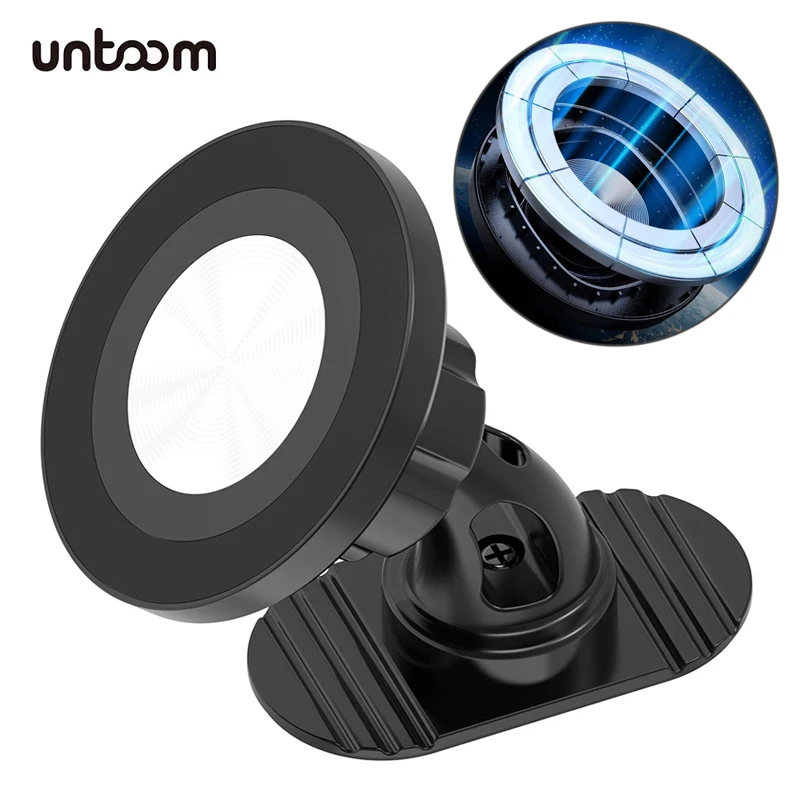
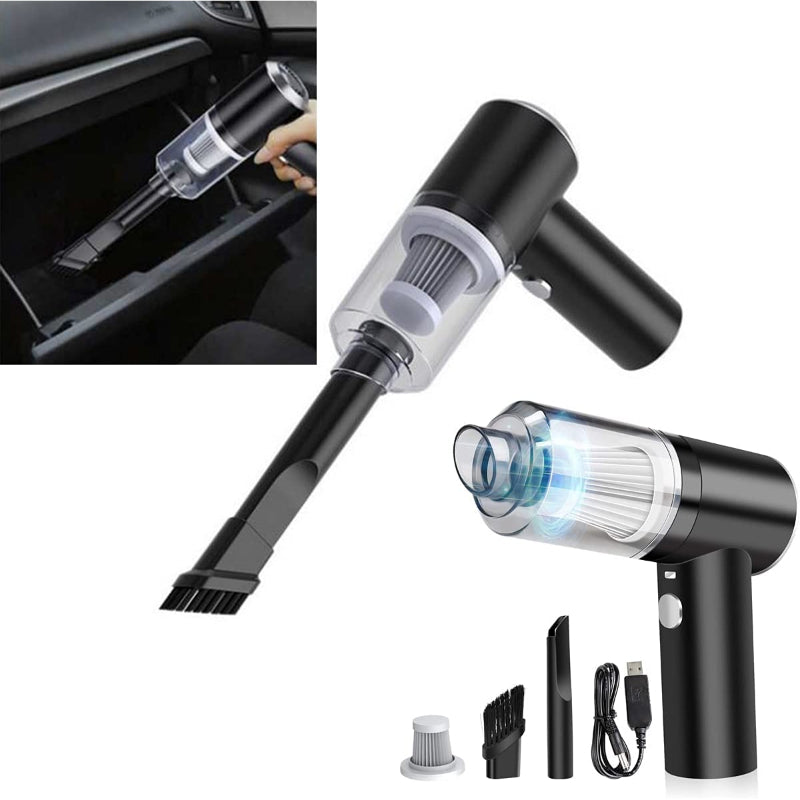
Other Automotive picks at WLD Store
Three more accessories from the same range worth a look while you are shopping.

Frequently asked questions about the car seat organizer
Will it fit any car?
Most seat-back designs fit the great majority of cars because they strap to the headrest posts. The variable is depth: a large car seat organizer in a small car can leave rear passengers short of knee room.
Can it be used with a child seat fitted?
Often yes, on the opposite side. Never fit anything that crosses a child seat anchor, a top tether route or a seat belt path, and check the child seat instructions as well.
Is waterproof fabric worth it?
In a family car it is the single most useful feature. The listing describes premium waterproof fabric, which means a spilled drink can be wiped out rather than soaked out of upholstery.
How much weight can it hold?
Treat any unlisted weight limit conservatively. Keep heavy items low and near the seat, and remember that everything you load is carried by the seat back and the straps.
Does it come off easily for cleaning?
With buckle straps, yes, in under a minute. That is worth checking before buying, because a car seat organizer that is awkward to remove rarely gets cleaned properly.
Will it mark the upholstery?
Straps can leave impressions on soft leather over time, particularly in heat. Re-tension rather than over-tighten, and move the unit occasionally if the seat material is delicate.
Tidy cars are mostly a matter of giving everything a home: strap it at two points, load it low, wipe it out regularly and keep heat-sensitive items out of it. You can see the current listing on the Car Seat Organizer page, or browse the rest of the range in the Car Accessories section.



Add comment