An early education machine is a small handheld device that turns counting, adding and times tables into a game a child will actually choose to play. It sits somewhere between a toy and a tutor, and used well it is one of the more genuinely useful things in a young child’s cupboard. This guide explains what these devices do, how to judge one before buying, how to introduce it without turning maths into a chore, how bilingual support changes its value in a home where two languages are spoken, and what it cannot replace.
What an early education machine actually is
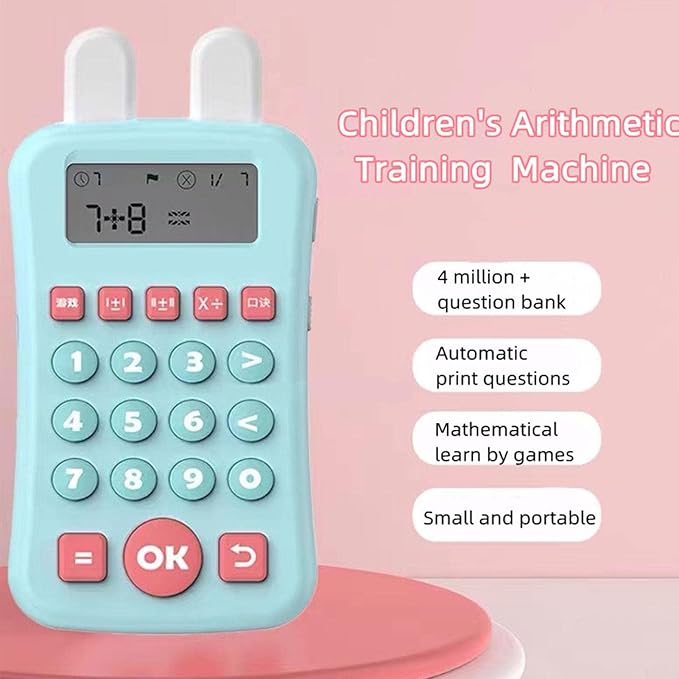
The format of an early education machine is consistent across the category. A handheld unit with a small screen and a set of buttons runs a series of interactive games, each aimed at one skill: recognising numbers, counting objects, adding, subtracting, and later multiplying.
The child answers on the keypad and the device responds immediately. That immediate response is the whole design idea. A child working through a worksheet waits for an adult to mark it, but an early education machine tells them straight away whether they were right, which is what keeps a four-year-old engaged.
Most units also keep some form of progression, so questions get harder as a child improves. This matters more than it sounds, because a device stuck at one difficulty level is abandoned within a week while one that keeps stretching a child stays in use for years.
What it is not is a screen in the tablet sense. There is no browser, no video, no app store and no notifications, and for a lot of parents that limited scope is the main attraction of an early education machine over handing a child a phone.
Why early numeracy matters
Comfort with numbers in the early years is a good predictor of later confidence in mathematics, and the broader concept is described in the Wikipedia article on numeracy. What matters at three to eight is not speed but familiarity.
Children who meet numbers regularly in a low-pressure setting build an intuition for quantity. They start to sense that seven is more than four without counting, which is the foundation everything else is built on.
Repetition is what builds that intuition, and repetition is exactly what most children resist when it comes from an adult with a worksheet. An early education machine solves the delivery problem: the repetition is framed as a game, so the child supplies the motivation themselves.
The other benefit is emotional. Getting an answer wrong in front of a parent or a teacher carries weight for some children. Getting it wrong in front of a device that simply asks again carries none, and that lowered stake matters enormously for a hesitant learner.
What makes a good early education machine
Four things separate an early education machine that gets used for years from one that is put away by the second week.
Range of content and progression
The most important question is whether the content grows with the child. A device covering only number recognition is finished the moment a child can count.
The WLD Store unit covers numbers, addition, subtraction and multiplication, which spans a genuinely wide developmental range. That breadth is what allows an early education machine to stay relevant from preschool into the early school years rather than being outgrown in months.
The display
Small children need clear, high-contrast digits they can read without squinting, and colour helps hold attention at the youngest end of the range. The WLD Store model uses a colourful LCD display.
Just as important is what the screen does not do. A simple display showing a question and an answer keeps the focus on the task, which is precisely why an early education machine holds attention differently from a tablet.
Power and durability
A rechargeable battery is the practical choice for a children’s device, because the alternative is a household constantly hunting for the right cells. This model is rechargeable.
Durability matters as much as any feature. A device for a three-year-old will be dropped, sat on and carried by one corner, so build quality is a real specification rather than a detail.
Language support
Bilingual support is a significant advantage in many households. The WLD Store early education machine supports both Arabic and English, which means the same device works for a child learning numbers in either language.
The WLD Store pick: Children’s Mathematics Early Education Machine
Here is exactly what the WLD Store listing states about this product, with nothing added:
- Product: Children’s Mathematics Early Education Machine, a learning toy
- Brand: WLD
- Categories: Baby & Kids, and Toys
- Content: interactive games teaching numbers, addition, subtraction and multiplication
- Languages: bilingual Arabic and English support
- Display: colourful LCD screen
- Power: rechargeable battery
- Age range: suitable for ages three to eight years
- Availability: sold across Saudi Arabia with secure checkout
- SKU: WLD-KSA-0101-(KD-KD0240)
The bilingual support and the five-year age range are the two details that decide long-term value here. You can read the listing in full on the Children’s Mathematics Early Education Machine product page.
How to introduce it without creating resistance
How an early education machine is introduced determines whether a child sees it as a game or as homework, and that impression is very hard to change later.
- Let them explore first. Hand it over charged and let the child press buttons freely for the first session without any goal at all.
- Start below their level. Early success builds willingness. Starting with questions they find hard produces the opposite.
- Sit with them the first few times. Your presence turns it into a shared activity rather than something they were given to keep them quiet.
- Never use it as a punishment or a test. The moment an early education machine becomes a consequence, it stops being a toy.
- Let them stop when they want to. A child who chooses to stop will come back. A child made to continue will not.
- Praise the effort, not the score. Getting a hard question wrong after real thought is worth more than a run of easy correct answers.
The most common mistake parents make is turning the device into a daily obligation in the first week. Enthusiasm for anything new fades, and if the routine only exists because an adult enforces it, an early education machine ends up in a drawer.
Session length and routine
With an early education machine, short and frequent beats long and occasional at every age in this range, and it beats it decisively.
Ten to fifteen minutes is plenty for a young child, and attention naturally drops off after that. Two short sessions in a week that the child chooses are worth more than a forced half-hour every day.
Where the device lives matters too. Kept in a bag it will be forgotten; kept somewhere visible in the room where the child plays, an early education machine gets picked up spontaneously, which is exactly the behaviour you want.
Travel is one of the natural fits. A car journey, a waiting room or a flight are all moments where a self-contained device with no internet requirement is genuinely welcome, for both child and parent.
The bilingual angle
In households where Arabic and English are both used, a bilingual device does something a single-language one cannot.
Number vocabulary is often learned in one language and then quietly missing in the other. A child may count fluently in Arabic and hesitate in English, or the reverse, depending on where they learned it.
Being able to switch languages on the same early education machine means the child meets the same mathematical concept through both, which reinforces the maths and the vocabulary at once. That is more efficient than owning two separate devices.
It is also practical for extended families. A grandparent more comfortable in one language can sit with the child on the same device, which is not possible with a single-language product.
What it cannot replace
Being honest about the limits of an early education machine keeps expectations sensible and the device useful.
It does not replace a teacher. Explaining why a method works, spotting a misunderstanding and adapting to how one particular child thinks are things no handheld unit does. An early education machine drills and reinforces; it does not teach concepts from scratch.
It also does not replace physical maths. Counting real objects, sharing biscuits between siblings and measuring ingredients build understanding that a screen cannot, because young children learn quantity through their hands first.
And it does not replace conversation. Talking about numbers during ordinary life, counting stairs, reading house numbers, adding up shopping items, is free and works extremely well alongside any device.
Matching it to the age range
A five-year span covers very different children, so it is worth knowing what to expect at each end.
At three, expect number recognition and simple counting, with an adult nearby. Sessions are short, the appeal is largely the buttons and sounds, and that is fine. Familiarity is the goal at this age, not accuracy.
At five or six, addition and subtraction come into range and children start playing independently. This is usually the sweet spot where an early education machine gets the most use, because the content and the child’s ability line up well.
At seven or eight, multiplication becomes the main draw and the device turns into a practice tool alongside school work. Interest naturally tapers as school provides more structure, which is the normal end of the cycle rather than a fault.
Using it alongside school and home learning
Once a child starts school, the device’s role changes from introduction to reinforcement, and adjusting to that shift is what keeps it useful rather than redundant.
Follow the school’s sequence rather than running ahead of it. If a class is working on addition within ten, set the same range instead of jumping to multiplication, because matching the two builds confidence while racing ahead creates confusion.
Use it for the parts that genuinely need repetition. Number bonds and times tables benefit from drilling, and drilling is exactly what an early education machine does without an adult having to run flashcards every evening.
Watch for what the child avoids. If they consistently skip subtraction, that is useful information about where the gap is, and it is easier to notice on a device that keeps them moving than in a homework book.
Keep it separate from homework in the child’s mind. Homework is an obligation with a deadline; the device should stay optional. Mixing the two is the fastest way to make an early education machine feel like more work.
Timing helps as well. A short session before school, in the car or while waiting for a sibling fits into gaps that would otherwise be dead time, and it avoids competing with the evening homework slot.
Finally, talk about what they did. Asking which game they played and what the hardest question was turns solitary practice into something shared, and it tells you far more about progress than any score would. That small conversation is what turns an early education machine from a distraction into part of how a family does learning.
Care and durability
- Charge it before it is fully empty. A device found flat is a device that disappoints, and children have no patience for waiting.
- Wipe the keypad regularly. Sticky fingers and buttons are a permanent combination, and a damp cloth prevents keys sticking.
- Keep liquids away. No children’s electronic device survives a spilled juice box, so a rule about drinks nearby is worth having.
- Store it somewhere consistent. A regular home means it gets found and used rather than lost behind a sofa.
- Check the charging port. Lint and crumbs collect in ports and are the most common cause of a charging failure.
Treated with that basic level of care, an early education machine easily lasts through the full age range it is designed for and often through a second child as well.
Early education machine versus tablets and flashcards
A tablet can do everything this device does and a great deal more, which is precisely the problem. Every session competes with videos, games and notifications, and a young child will not reliably choose the maths app.
A dedicated early education machine has one purpose. There is nothing else on it to drift towards, which is why many parents find it produces more actual practice than a tablet does despite being far less capable.
Flashcards are the low-tech alternative and they work, but they need an adult to run them. That adult availability is the real constraint in most households, and it is the constraint a self-contained device removes.
The sensible position is that these tools complement each other. Flashcards with a parent, a device for independent practice, and real-world counting during everyday life together cover far more ground than any one of them alone.
Common problems and quick fixes
- The child lost interest quickly. The level is probably wrong. Move down a difficulty so answers come easily again, then let it build back up.
- It will not switch on. Check the charging port for crumbs and lint, and try a different cable before assuming a fault.
- The buttons stick. Wipe the keypad with a barely damp cloth and dry it fully. Sticky residue around keys is the usual cause.
- It is only used when I suggest it. Move it somewhere visible in the play area. An early education machine kept out of sight is rarely picked up spontaneously.
Buying checklist
- Does the content span enough levels to grow with your child rather than being outgrown in months?
- Is the display clear and readable for a young child at arm’s length?
- Is it rechargeable, or will you be buying batteries continually?
- Does the language support match the languages spoken at home?
- Is the stated age range a good fit for your child right now and for the next year or two?
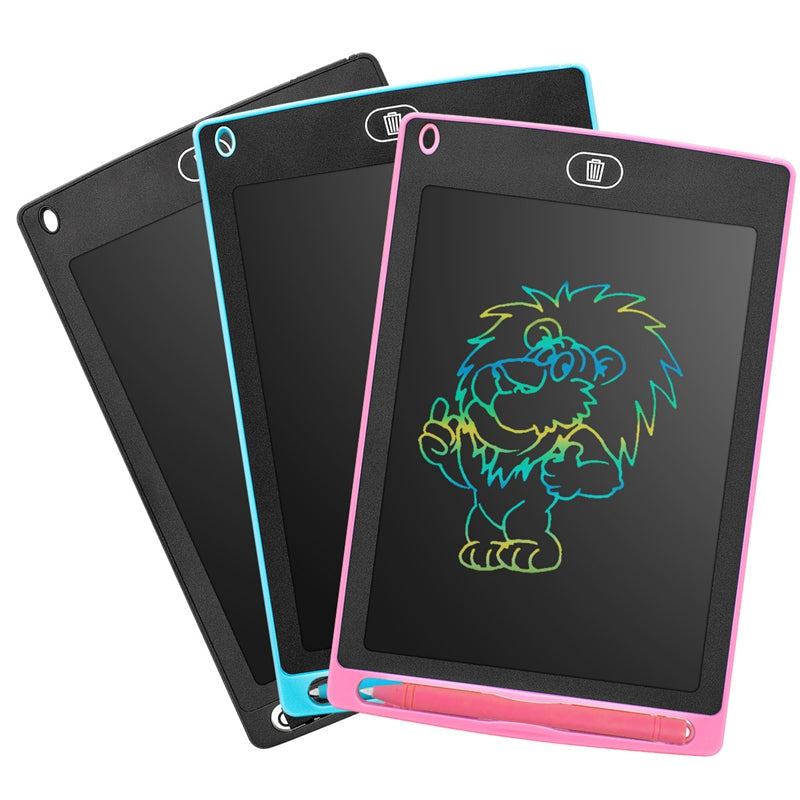
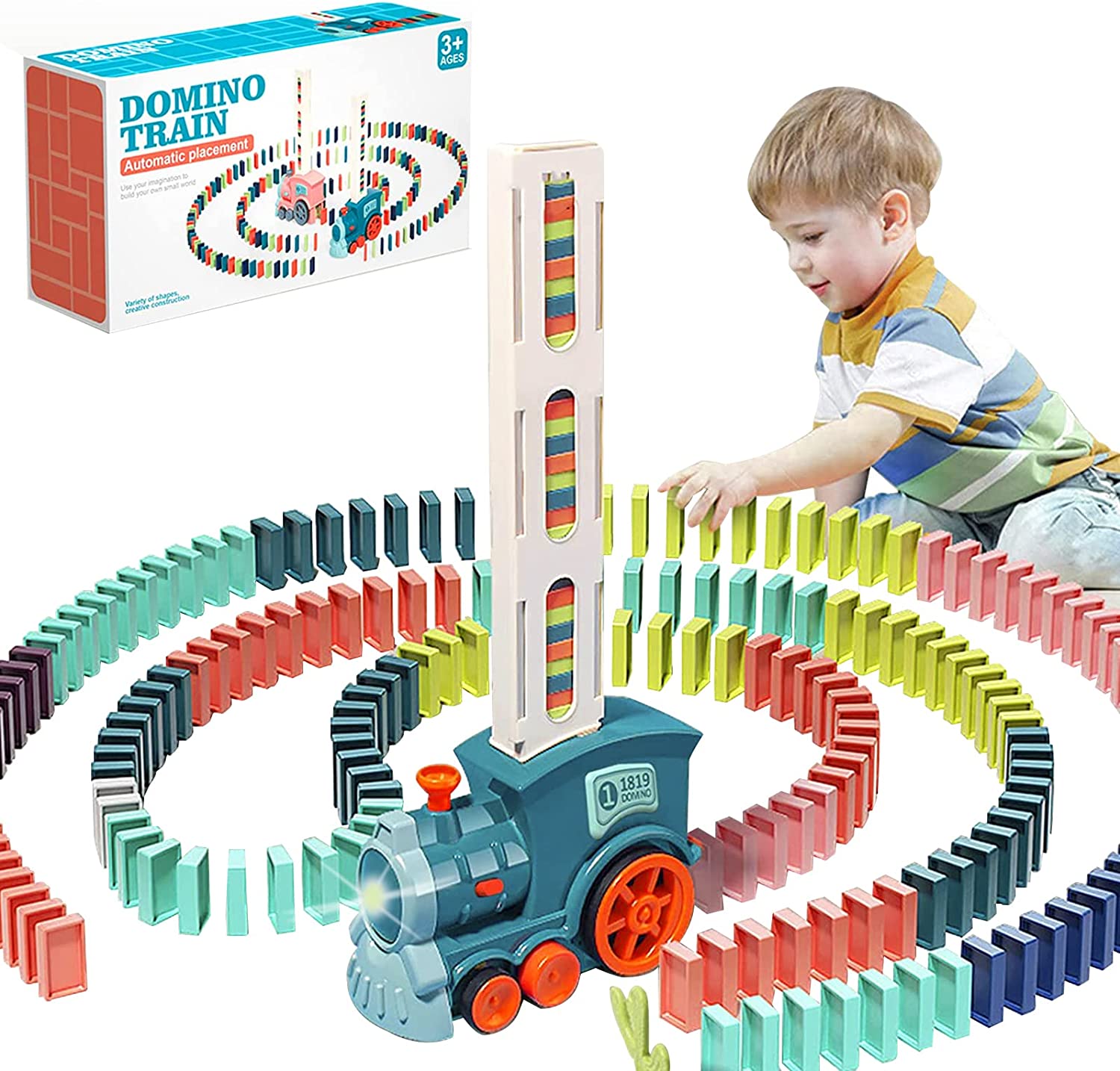
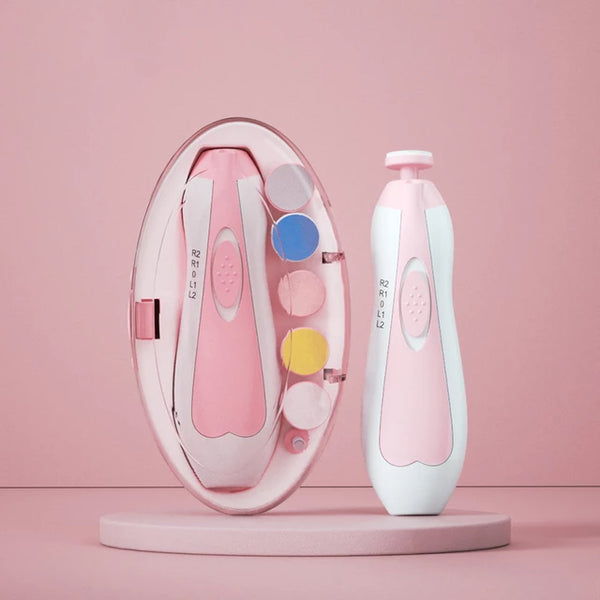
Other kids and toys picks at WLD Store
These three sit in the same children’s range if you are shopping for more than one gift.
Frequently asked questions about the early education machine
What age is an early education machine best for?
This model is listed for ages three to eight. The youngest children get the most from number recognition and counting with an adult nearby, while five to seven is usually the period of heaviest independent use as addition and subtraction come into range.
Does it count as screen time?
It has a screen, so technically yes, but it is a very different proposition from a tablet. There is no video, no browsing and no algorithm choosing what comes next, which is why many parents treat it separately from general screen time.
Can it be used in Arabic and English?
Yes. This unit offers bilingual Arabic and English support, so the same device works in both languages. That is genuinely useful where number vocabulary has been learned in one language but not the other.
Will it teach my child maths on its own?
No, and no device should be expected to. An early education machine is very good at drilling and reinforcing what a child is already meeting at home or at school, but explaining a concept for the first time is a job for a person.
How long should each session be?
Ten to fifteen minutes suits most children in this age range, and stopping while they are still enjoying it is better than pushing on. Short and frequent produces far more learning than long and forced.
Is it a good gift?
It works well as one because it is immediately playable, needs no setup beyond charging, and does not require an adult to sit with the child every time. It also suits a wide age range, which makes it a safer choice than a toy pitched at one narrow stage.
Keep sessions short, keep it visible, start easier than you think you should, and let the child lead. Do that and a small device does a surprising amount of quiet work. The Children’s Mathematics Early Education Machine lists its full description on the product page, and the rest of the children’s range is in the Toys section.



Add comment