A multi-function cleaning paste is the tub that quietly replaces four or five bottles under the sink. Instead of a separate product for the hob, the tiles, the taps and the glass, one paste handles the lot with a damp sponge.
This guide explains how a multi-function cleaning paste works, what to look for, exactly how to apply it without wasting product, which surfaces it suits and which need caution, and how to store it so it lasts. There is a room-by-room section, a troubleshooting list, an honest comparison with sprays and powders, a buying checklist and six questions answered.
Why one paste beats a cupboard full of bottles
Most households accumulate cleaning products the way they accumulate cables. A degreaser for the kitchen, a limescale remover for the bathroom, a metal polish for taps, a glass spray, and something for the oven that nobody enjoys using.
Each of those was bought to solve one problem, and each takes up space, expires, and gets used a fraction as often as expected. A multi-function cleaning paste collapses that collection into one container that stays in use.
There is a practical advantage beyond tidiness. When cleaning requires choosing the right bottle first, small jobs get postponed. When one tub and a sponge handle everything, the sink gets wiped because the decision has already been made.
Cost per job usually improves too. Sprays are largely water, and much of what leaves the nozzle lands where it was not needed. A paste is applied only where it is required, so a single tub covers a surprising number of jobs.
How a cleaning paste actually works
The mechanism of a multi-function cleaning paste is different from a spray, and understanding it explains why technique matters so much.
A paste combines a mild abrasive with cleaning agents in a thick, low-water base. The abrasive provides gentle mechanical action that lifts residue the chemistry alone would leave behind, while the thickness keeps everything sitting on the surface instead of running off.
That second point is the real advantage on vertical and sloped surfaces. A spray applied to a shower screen begins draining immediately; a multi-function cleaning paste stays exactly where you put it and keeps working. The general chemistry behind domestic products of this kind is summarised on the cleaning agent reference page.
What makes a good multi-function cleaning paste
Multi-function cleaning paste products are not interchangeable. Four qualities separate a tub you finish from one that sits at the back of a cupboard.
Genuinely broad surface coverage
The whole promise depends on breadth. A paste worth owning should handle kitchen worktops, tiles, metal, plastic and glass without needing a different product for each.
Breadth is also what keeps it in daily use. A multi-function cleaning paste that covers most of the house lives on the worktop; one that covers two surfaces goes back under the sink and is forgotten.
Effective on the hard cases
Everyday dust is easy. The tests that matter are baked-on grease around a hob, rust marks on metal, tarnish on taps and the grey film that builds on tiles.
A paste that handles those four handles nearly everything else. If a product only claims general cleaning without naming the difficult residues, it is probably a mild surface wipe rather than a genuine multi-function cleaning paste.
Gentle enough for the surfaces you own
Abrasive power and surface safety pull against each other, and the balance is what defines a good product. Too soft and nothing shifts; too harsh and it dulls a stainless steel sink on the first pass.
The right balance is a paste described as tough on grime but gentle on surfaces, which in practice means a fine abrasive that works with pressure you control rather than one that cuts regardless.
No harsh chemical load
Anything used across a whole home ends up on hands, worktops and near food preparation areas. A formulation that does the job without harsh chemicals is easier to live with, particularly in a household with children.
It also means fewer restrictions on where you use it. A multi-function cleaning paste that does not need heavy ventilation or long rinsing gets used far more often.
The WLD Store pick: Multi-Function Cleaning Paste
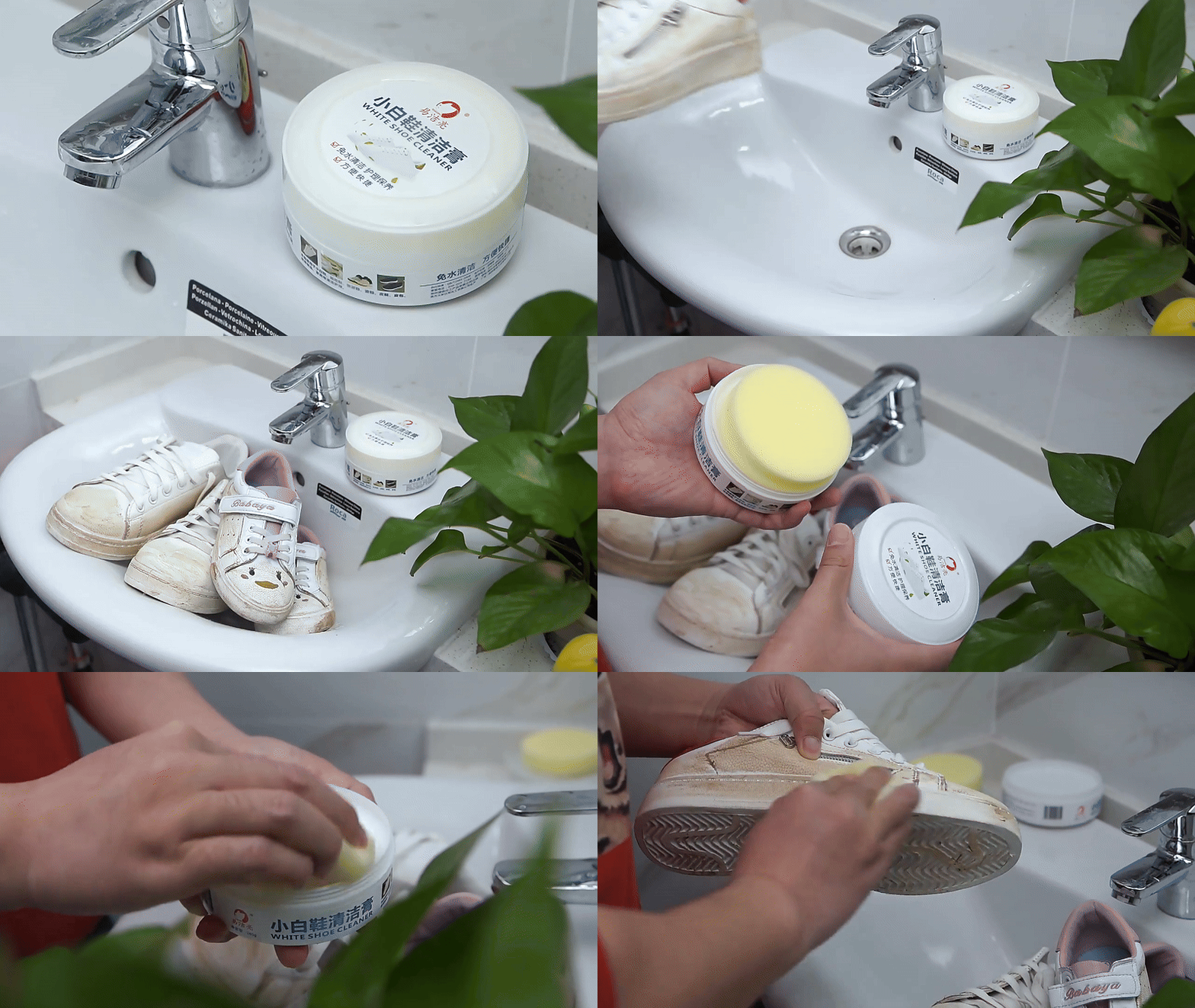
WLD Store lists an all-surface paste matching the description above. Here is exactly what the listing states, with nothing added:
- Product: Multi-Function Cleaning Paste, a universal surface cleaner sold under the WLD brand.
- Removes: stubborn stains, grease, rust and tarnish.
- Surfaces: kitchen surfaces, tiles, metal, plastic and glass.
- Character: gentle on surfaces but tough on grime.
- Formulation: no harsh chemicals needed, described as suitable for family households.
- Category: Home & Kitchen, in the Kitchen Tools section.
- Availability: stocked for households across Saudi Arabia.
- SKU: WLD-KSA-0083-(KD-KD0249).
Photographs, current availability and secure checkout are on the Multi-Function Cleaning Paste product page.
How to use it properly
Technique matters more with a paste than with a spray, and the difference between a good result and a mediocre one is mostly in these six steps.
- Test somewhere hidden first. The underside of a worktop lip or the back of an appliance. Do this once per surface type and you never have to worry again.
- Start with a damp sponge, not a wet one. Excess water dilutes the paste and washes it off before it can work.
- Take a small amount. A coin-sized scoop covers far more area than people expect. Overloading the sponge is the main reason a tub empties quickly.
- Work in small circles with light pressure. Let the paste do the cutting. Pressing hard is what causes marks on softer surfaces.
- Give it a moment on stubborn areas. Apply a multi-function cleaning paste to baked-on grease, leave it a minute or two, then work it. Time replaces effort.
- Rinse and buff dry. Wipe with a clean damp cloth, then dry with a soft one. The drying step is what leaves metal and glass streak-free.
Surfaces it handles well
A multi-function cleaning paste is at its best where residue is bonded to a hard surface.
Stainless steel is the standout. Sinks, hobs, kettles, pans and appliance fronts respond well, and a multi-function cleaning paste followed by a dry buff restores shine that spray cleaners leave behind.
Ceramic tiles and grout lines are the second strong case. The paste stays on a vertical tile long enough to work, which is exactly where liquid cleaners fail.
Glass benefits too, particularly shower screens with hard-water film. Apply thinly, work it, rinse thoroughly and dry with a clean cloth for a clear finish.
Hard plastics such as sink surrounds, appliance housings and outdoor furniture clean up well. These usually need less pressure than metal, so use a lighter touch.
Surfaces to test first or avoid
Being clear about the limits of a multi-function cleaning paste protects your home, and it is where honest advice matters most.
Test anything coated or polished. Non-stick pan interiors, painted surfaces, lacquered metal and anodised finishes can all be affected by abrasion, and no multi-function cleaning paste should be used on them without a hidden test first.
Be cautious with natural stone. Marble and some granites are porous and sensitive, and stone generally wants a dedicated product rather than a general one.
Avoid highly polished or mirrored trim, gloss acrylic and clear plastic windows on appliances. Fine scratching is invisible until the light hits it at the wrong angle.
Keep it away from screens entirely. Phone, tablet, laptop and television displays have optical coatings that no abrasive should touch, and a dry microfibre cloth is the correct tool there.
Room by room: the kitchen
The kitchen is where a multi-function cleaning paste does its most visible work.
Around the hob, apply to cooled surfaces and leave briefly before working. Grease that has been baked repeatedly needs dwell time, and a multi-function cleaning paste is designed to sit there rather than run.
For the sink, work with the grain of the steel rather than across it. This keeps the finish consistent and hides any fine marks that would otherwise show.
Taps and metal fittings respond quickly. A small amount, a soft cloth, a light polish and a dry buff removes water marks and tarnish in under a minute.
For extractor filters and splashbacks, apply, wait, then work. These accumulate an oily film that is far easier to lift after a short soak than through pure effort.
Room by room: bathroom, car and outdoors
Beyond the kitchen, the same tub covers several jobs people usually buy separate products for.
In the bathroom, shower screens, tile grout, taps and around the basin all suit paste application. Rinse thoroughly afterwards, because residue left in grout lines attracts dirt.
Car interiors are a good use once tested. Plastic trim, cup holders and door sills clean well, though anything with a soft-touch coating or a printed label needs the hidden test first.
Outdoors, plastic garden furniture and metal railings clean up quickly. In Saudi Arabia these collect a fine sandy film that a multi-function cleaning paste lifts far better than water alone.
Around the house generally, think of it for door handles, light switch surrounds, appliance fronts and anything that has developed a dull film from repeated handling.
Storage and getting the tub to last
A multi-function cleaning paste is a different storage problem from a bottle, and a few habits matter.
Close the lid firmly every time. The thickness that makes it work comes from low water content, and an open tub slowly dries into an unusable block.
Never dip a soaking sponge straight into the tub. Water carried back in thins the product and can spoil it over time. Take a scoop out onto the sponge instead.
Store it somewhere cool and out of direct sun. Heat is the main enemy of any paste, and a cupboard is far better than a windowsill or a hot balcony.
If the surface has dried slightly, a few drops of water worked in usually restores it. That is a normal consequence of a lid left ajar rather than a fault with the product.
Choosing the right cloth or sponge
The applicator matters almost as much as the multi-function cleaning paste itself, and most disappointing results come from pairing the right paste with the wrong tool.
A soft cellulose sponge is the default. It holds a small amount of multi-function cleaning paste, spreads it evenly and carries enough water to work without flooding the surface.
Microfibre cloths are better for glass and polished metal. They lift residue rather than pushing it around, and they leave far fewer streaks during the drying pass than a cotton cloth does.
A soft brush earns its place on grout lines and textured plastic. Bristles reach into the texture where a flat sponge simply skates across the high points.
Keep one sponge for kitchen work and another for bathroom and outdoor jobs. It costs nothing and it stops residue from one area travelling to another on the same applicator.
Building a simple cleaning routine around one tub
Owning fewer products only helps if the routine gets simpler too, and a paste makes that easy.
Do a two-minute daily pass on the sink and hob. A small amount of multi-function cleaning paste on a damp sponge, a quick circle, a rinse and a buff is enough to stop residue ever building up.
Once a week, extend it to taps, splashback and appliance fronts. These are the surfaces that look dull long before they look dirty, and a weekly pass keeps them bright.
Once a month, take on the harder jobs: extractor filter, grout lines, shower screen and any outdoor furniture. Apply, leave, then work, because dwell time replaces effort on all four.
Keep the tub where the work happens rather than in a distant cupboard. A multi-function cleaning paste under the kitchen sink gets used far more often than one stored in a utility room upstairs.
Common problems and quick fixes
- It leaves a white residue. Too much product or not enough rinsing. Use less, then wipe with a clean damp cloth and buff dry.
- Stubborn marks are not shifting. Give it dwell time rather than pressure. Apply, wait two minutes, then work again with light circles.
- The surface looks dull afterwards. Too much pressure on a soft or coated finish. Stop, and test on a hidden area before using the paste on that surface again.
- The paste has dried out. The lid was not sealed. Work in a few drops of water, and close it firmly from now on.
Compared with sprays and scouring powders
Each format has a place, and being realistic about where a multi-function cleaning paste fits helps you use all three well.
Sprays are fastest for large, lightly soiled areas such as a worktop after breakfast. They cover ground quickly but run off vertical surfaces and rarely shift bonded residue.
Scouring powders cut aggressively, which is occasionally what you want and frequently what ruins a finish. They are also messy and hard to control on a vertical tile.
A multi-function cleaning paste sits between them: controllable enough for delicate work, abrasive enough for real grime, and thick enough to stay where it is placed. For most households it is the one that gets used daily, with a spray kept for quick wipe-downs.
Who should skip it
Homes finished largely in natural stone or delicate polished surfaces should look at dedicated products instead. The versatility argument stops being an advantage when most of your surfaces need a specialist.
Anyone who only ever wipes light everyday dust may find a simple spray and cloth sufficient. A multi-function cleaning paste is aimed at bonded residue rather than loose dirt.
People with sensitive skin should plan on wearing gloves for extended cleaning sessions, as they would with any cleaning product used repeatedly over an hour.
Buying checklist
- Which surfaces do I actually need to clean? Match the listed surfaces against the ones in your home.
- Does it name the hard residues? Grease, rust, tarnish and stubborn stains are the useful benchmarks.
- Is it gentle enough for my finishes? Check for a paste described as gentle on surfaces, and always test first.
- How many products would it replace? Count the bottles under your sink to judge whether the versatility is worth it.
- Where will it be stored? Somewhere cool, dry and easy to reach, or it will not get used.
Other home and kitchen picks at WLD Store
These related listings sit in the same Home & Kitchen range if you are browsing more widely.

Frequently asked questions about the multi-function cleaning paste
What surfaces can it be used on?
The listing names kitchen surfaces, tiles, metal, plastic and glass. As with any all-surface product, test a hidden area of each new surface once before using it more widely.
Will it scratch stainless steel?
Used with light pressure and a soft sponge it should not, and the product is described as gentle on surfaces. Work with the grain of the steel and avoid pressing hard, which is what causes marks on any brushed finish.
Can it remove rust?
The listing states it removes rust and tarnish along with grease and stubborn stains. Heavier rust benefits from applying a multi-function cleaning paste, leaving it a few minutes, then working the area rather than scrubbing immediately.
Does it need rinsing afterwards?
Yes. Wipe with a clean damp cloth and then buff dry. Rinsing removes residue, and the drying step is what leaves metal and glass looking clear rather than hazy.
Is it suitable for a family home?
The listing describes it as needing no harsh chemicals and being suitable for family households. As with all cleaning products, keep it out of reach of children and rinse food preparation surfaces thoroughly after use.
How long does one tub last?
Longer than most people expect, because a multi-function cleaning paste is applied in small amounts directly where it is needed rather than sprayed across an area. Using a coin-sized scoop at a time is the main factor.
Replacing four bottles with one tub is the kind of small change that quietly makes a house easier to keep on top of. You can see the current listing on the Multi-Function Cleaning Paste page or browse more household items in the Kitchen Tools section, with secure checkout and availability across Saudi Arabia.



Add comment