A remote controlled flying toy is one of the few gifts that turns into a skill. Unlike most toys, it cannot simply be switched on and enjoyed; there is a short learning curve, and getting through it is the entire appeal. The reward is a genuine sense of control over something in the air, which is why the hobby holds attention long after other presents are forgotten.
This guide covers choosing a first plane, finding somewhere safe to fly, the technique that gets a beginner through their first few flights without breaking anything, how to land, how to look after the battery, and what to do when something inevitably needs repairing. It ends with a checklist and the questions parents ask most.
Why a remote controlled flying toy is a good first hobby
The first reason is that progress is visible. A child can see themselves improving from flight to flight in a way that is much harder to perceive in most activities, and that visible progress is what keeps them coming back.
The second is that it is genuinely three-dimensional. Controlling something that moves in height as well as direction demands a kind of spatial thinking that a car or a boat never asks for. It takes a few sessions before the controls stop feeling backwards when the plane is heading towards you.
The third is that it gets people outside. A remote controlled flying toy needs open space, which means a park, a field or a beach rather than a living room. For a lot of families that is half the point of buying one.
There is a patience element too, and it is worth being upfront about it. Batteries need charging, weather needs checking and repairs need making. Children who enjoy a remote controlled flying toy tend to be the ones who find that preparation part of the fun rather than an obstacle.
Finally, modern electronics have made the whole category far more accessible than it used to be. A built-in gyroscope constantly corrects small wobbles, which means a beginner is learning to steer rather than fighting to stay level. That single change is why a remote controlled flying toy is now a realistic present rather than a specialist purchase.
What makes a good remote controlled flying toy
For a first aircraft, forgiveness matters far more than performance. These are the features that decide how many flights you get before the first serious repair.

Built-in stabilisation
A gyroscope senses unwanted rotation and corrects it automatically many times a second. In practice this means the aircraft self-levels instead of tipping into a spiral the moment attention wanders. For a beginner it is the single most valuable feature in any remote controlled flying toy.
Airframe material
Foam is the standard for good reason: it is light, it absorbs impact, and it can be glued back together in minutes. A rigid plastic airframe looks smarter in photographs and shatters where foam simply dents. Expect to land badly while learning, and choose a material that forgives it.
Wing layout
A high wing with a broad, flat profile is the most stable arrangement, because the weight hangs below the lift and naturally pulls the aircraft upright. Low-wing and sharply swept designs fly faster and turn harder, and both punish a beginner. Stability first, speed later.
Control simplicity
Fewer channels means fewer ways to get into trouble. A first remote controlled flying toy that manages throttle and turning, with the electronics handling level flight, is far easier to learn on than one offering full control of every surface.
Battery and flight time
Flight sessions are measured in minutes rather than hours, so realistic expectations matter. Check the stated flight time and the charging time, and understand that most of any afternoon is spent waiting rather than flying unless you have spare packs.
Spare parts availability
Propellers break. It is not a sign of poor quality; it is the nature of a spinning blade meeting grass. Before buying any remote controlled flying toy, check that spare propellers and a spare battery can be obtained, because a broken propeller with no replacement ends the hobby immediately.
The WLD Store pick: Airplane Remote Controlled Flying Toy
WLD Store lists this as an RC plane for kids and aviation enthusiasts. Everything below comes directly from the product listing:
- Category: Baby and Kids, listed under Toys.
- Brand: WLD. SKU: WLD-KSA-0093-(KD-193).
- Capable of 360 degree aerobatic manoeuvres.
- Described as offering stable flight with easy controls.
- Built-in gyroscope for smooth flying.
- Rechargeable battery providing 15 or more minutes of flight time.
- Positioned as a birthday gift, available across Saudi Arabia including Riyadh, Jeddah and Dammam, with secure checkout.
Photographs and current availability are on the Airplane Remote Controlled Flying Toy product page. For background on the wider hobby and how these aircraft are controlled, the reference article on radio-controlled aircraft is a good neutral overview.
Choosing where to fly
Site choice does more for a beginner’s success rate than any feature on the remote controlled flying toy itself. Get this right and most first-flight problems disappear.
You want open grass, and more of it than feels necessary. A football pitch is roughly the right scale. Grass matters because it is a forgiving landing surface; the same arrival on tarmac breaks propellers that grass would have spared.
Look up as well as around. Trees, floodlights, goalposts and overhead cables are what a remote controlled flying toy finds when the wind pushes it, and a plane in a tree is usually a plane you are not getting back today.
Avoid anywhere near people, roads, car parks, animals or buildings, and check local rules before flying anywhere public. Regulations for model aircraft vary considerably between countries and even between individual parks, so confirm what applies where you live rather than assuming.
Your first flight, step by step
The first session sets the tone. Work through these in order and resist the urge to skip ahead.
- Charge the battery fully at home, the day before if possible.
- Check the weather; a still morning is worth waiting for.
- At the field, inspect the airframe and propeller for damage before switching anything on.
- Switch the transmitter on first, then the aircraft, and reverse that order when you finish.
- Stand with the wind at your back and plan to launch into the wind.
- Apply throttle and give a firm, level throw forwards rather than upwards.
- Climb to a comfortable height before attempting any turn at all.
- Make wide, gentle turns and keep the aircraft in front of you rather than overhead.
- Bring it back and land while you still have battery in reserve, not when it runs out.
The most common first-flight mistake is throwing upwards. A remote controlled flying toy needs forward speed to generate lift, and an upward throw simply stalls it a few feet from your hand.
The second is flying too low. Height is time to recover from a mistake, and beginners instinctively stay near the ground where there is none. Climb higher than feels comfortable and everything becomes easier.
Learning to land
Landing is the skill that takes longest to master with any remote controlled flying toy, and it is worth practising deliberately rather than treating it as the thing that happens when the battery runs out.
The approach is everything. Line up into the wind, well out from where you intend to touch down, and reduce throttle gradually rather than cutting it. A remote controlled flying toy that arrives with power off and no forward speed drops rather than glides.
Aim to fly it onto the grass at a shallow angle, keeping the nose slightly up in the final moments. Expect the first several landings to be untidy; foam is forgiving, and an untidy landing you walked away from is a successful one.
Wind, weather and time of day
Wind is the single biggest factor in whether a session is fun or frustrating, and beginners consistently underestimate it. A breeze that feels pleasant on the ground can be more than a light foam aircraft can penetrate.
Early morning is usually the calmest part of the day, and late evening is often second best. Midday tends to bring the most thermal activity and the gustiest conditions, which is exactly what a first-time pilot does not need.
Avoid rain entirely. Water and electronics do not mix, and wet foam becomes heavy and soft. If a shower arrives, land promptly rather than trying to finish the pack, and dry everything thoroughly before packing a remote controlled flying toy away.
Battery care and charging
The rechargeable pack is the most expensive consumable in the hobby, and how it is treated decides how long a remote controlled flying toy keeps flying.
Charge on a hard, non-flammable surface, never on a bed or carpet, and stay in the room while it charges. This is standard practice for any rechargeable flight pack and is worth taking seriously regardless of the model.
Let the pack cool before charging after a flight, avoid running it completely flat, and store it somewhere cool rather than in a hot car. Following those three habits will do more for the life of a remote controlled flying toy battery than anything else.
Safety rules for children
These are simple, and they are the ones that prevent every common injury.
- Never touch a propeller while the battery is connected, even if the motor is stopped.
- Keep fingers, hair and loose clothing clear when powering up.
- Always launch away from people, never towards a group.
- An adult connects and disconnects the battery until the child is clearly old enough.
- Stop flying immediately if anyone walks onto the field.
- Never fly near roads, animals, water or overhead cables.
A remote controlled flying toy is not a dangerous object, but a spinning propeller deserves the same respect as any other blade. Establishing these rules on day one avoids arguments later.
Repairs and spare parts
Expect to repair rather than replace, because almost everything on a foam remote controlled flying toy is fixable.
Foam-safe glue is the single most useful thing to own. Ordinary superglue attacks some foams and melts them, so check the label. A clean break in a wing or fuselage, glued and taped, is often as strong as it was before.
Keep a small kit with the aircraft: spare propellers, foam-safe glue, clear tape and a small screwdriver. Being able to fix a break at the field rather than driving home is what keeps a remote controlled flying toy in the air across a whole afternoon.
Who it is not for
If there is no open green space within a reasonable distance, be honest about it. A remote controlled flying toy needs a field, and no amount of stabilisation makes a small garden or a living room a viable flying site.
It is also a poor choice for a child who finds setbacks discouraging. There will be crashes, waits for charging and days when the wind wins. A child who enjoys tinkering will love it; a child who wants instant results may not.
Plane, drone or helicopter
The three fly very differently, and the right first remote controlled flying toy depends on what the pilot wants to do.
A quadcopter drone hovers, which makes it easier to stop and think. It is arguably simpler to keep in one place, but it teaches hovering rather than flying, and it is far more sensitive to wind at low weights.
A helicopter is the hardest of the three to learn and the least forgiving of a bad landing. Very few people start there successfully.
A fixed-wing remote controlled flying toy sits in between. It must keep moving forward, which feels harder for the first two flights, but it is more stable in wind, glides when power is cut and generally survives a bad arrival better. For learning actual flying, it remains the best starting point.
Care and storage
Between sessions, a little care prevents most of the damage that never happens in the air.
- Wipe grass and dirt off the airframe before packing it away.
- Store the aircraft somewhere it cannot be leaned on or crushed.
- Keep it out of direct sun and away from heat, which warps foam permanently.
- Disconnect the battery whenever the remote controlled flying toy is not in use.
- Remove transmitter batteries if it will be unused for several weeks.
- Check the propeller for chips before every session, since a chipped blade causes vibration.
Most aircraft that stop working were damaged in a cupboard rather than in a crash. Storage is genuinely half of maintenance.
Common problems and quick fixes
- It stalls immediately after launch. The throw was upwards. Throw level and firm, with throttle already applied.
- It constantly turns one way. Trim needs adjusting, or a wing is warped. Trim first, then check the airframe is straight.
- Flight time is much shorter than expected. Usually a partly charged or ageing pack, or flying in wind, which uses far more power.
- It will not respond to the transmitter. Switch everything off, then on in the right order: transmitter first, aircraft second.
None of these mean a faulty remote controlled flying toy. Launch technique and battery condition explain the great majority of first-week problems.
Buying checklist
- Does it have built-in stabilisation, so a beginner is steering rather than fighting?
- Is the airframe foam rather than rigid plastic?
- Is the wing high and broad rather than low and swept?
- Are spare propellers and a spare battery obtainable?
- Do you have a large area of open grass within easy reach?
The last question is the one that decides everything. Without somewhere to fly, no remote controlled flying toy is the right purchase.
Building skills after the first few flights
Once launching and landing feel routine, progress comes from practising one thing at a time rather than flying aimlessly until the battery dies.
Figure eights are the classic next step. They force turns in both directions, and they force you to handle the moment when the aircraft is flying towards you and every control feels reversed. Ten minutes of figure eights improves orientation faster than an hour of aimless circuits.
After that, practise holding a constant height across the field without climbing or sinking. It looks unspectacular, it teaches throttle control, and throttle control is exactly what makes landings tidy.
Only then is it worth exploring the 360 degree aerobatic manoeuvres the listing describes. Aerobatics need height, space and the confidence to recover when something goes wrong, and attempting them too early is the fastest route to a broken remote controlled flying toy.
A useful habit is to fly each battery with a plan: one pack for circuits, one for figure eights, one for landings. Pilots who improve quickly are almost always the ones treating a remote controlled flying toy as something to practise with rather than something to show off with.
Keep a rough note of what you worked on each session. It sounds excessive for a toy, but two lines in a phone note make it obvious which skill has stalled and what the next remote controlled flying toy session should concentrate on.
Other Baby and Kids picks at WLD Store
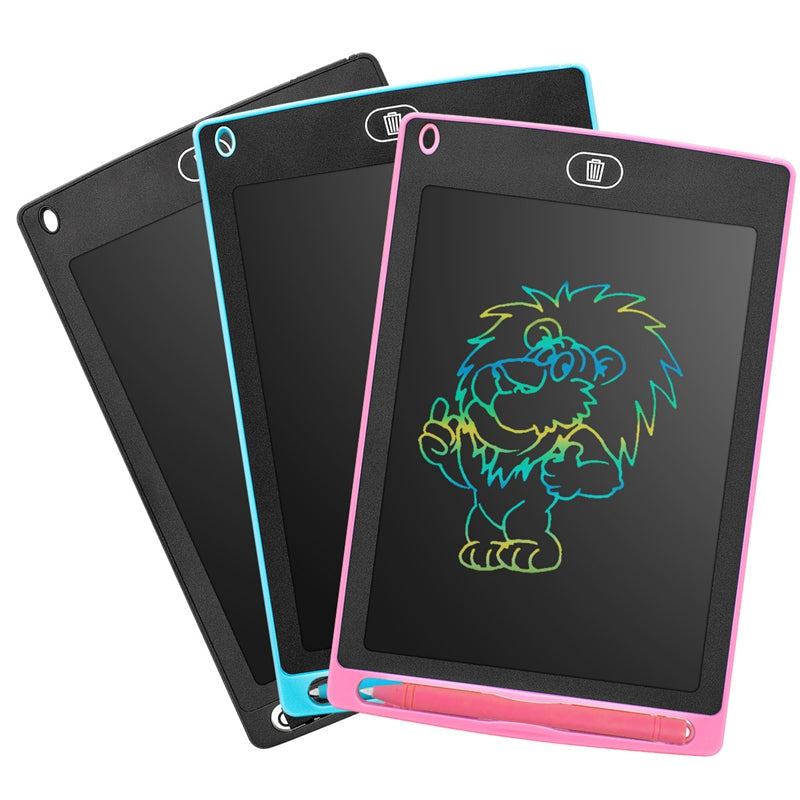
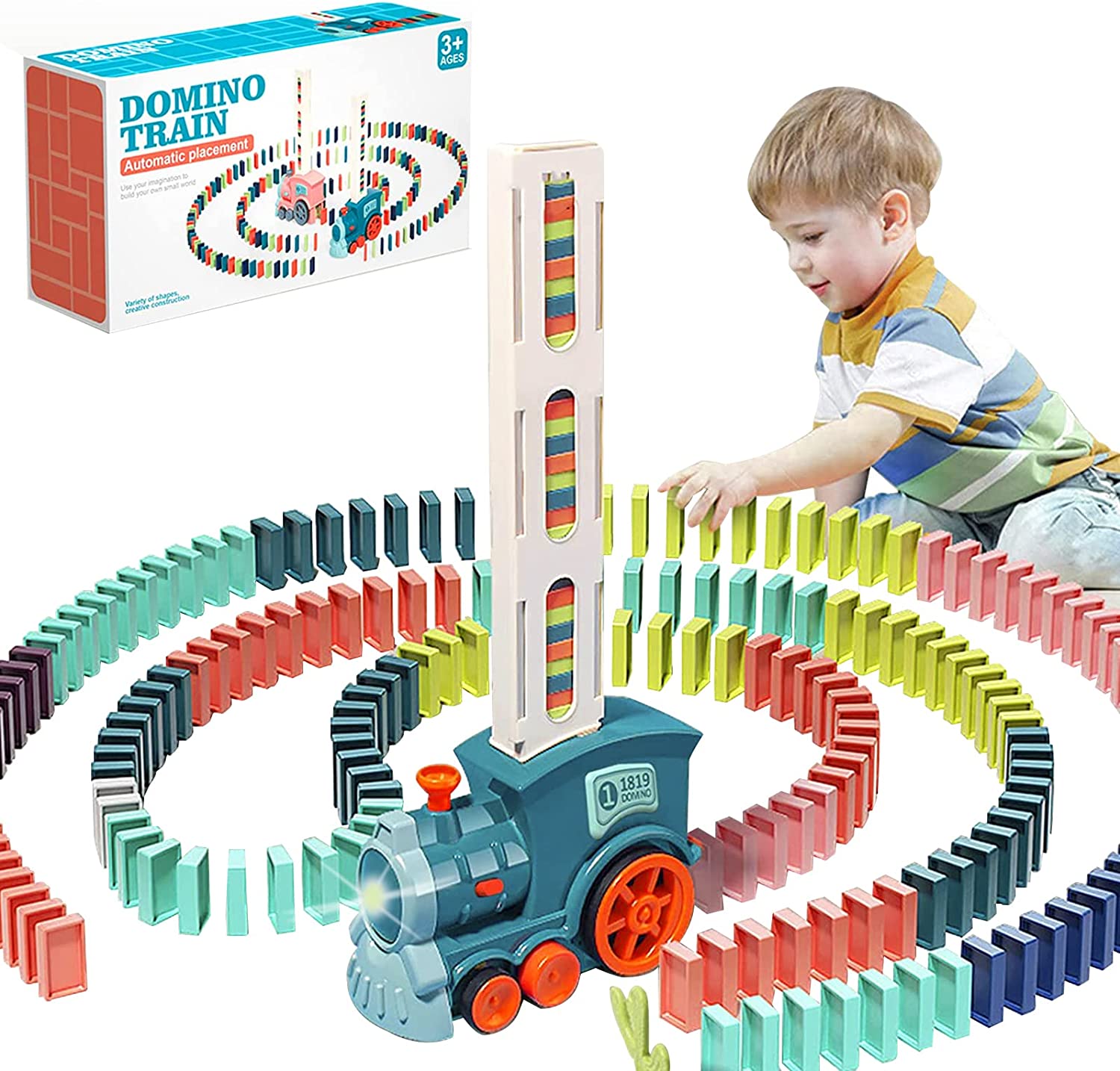
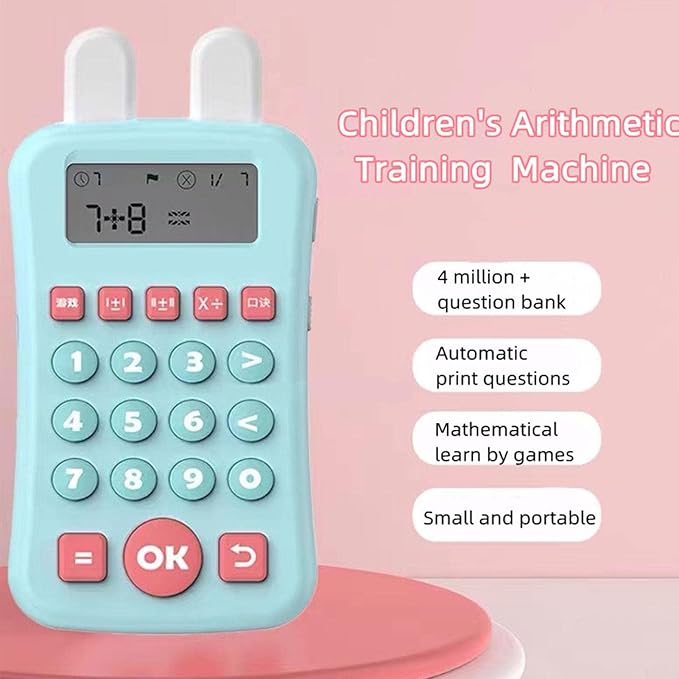
Three more items from the same section for younger children.
Frequently asked questions about a remote controlled flying toy
What age is this suitable for?
It depends far more on patience and supervision than on a number. Younger children generally fly best with an adult handling the battery and the launch, then taking over the controls once the aircraft is at height.
How long does a flight last?
The WLD listing states 15 or more minutes of flight time from the rechargeable battery. Wind reduces that noticeably, because the motor works harder to make headway.
Can it be flown indoors?
No. A fixed-wing aircraft needs continuous forward speed, and no indoor room provides the space for that. Any remote controlled flying toy of this type needs open outdoor ground.
What does the gyroscope actually do?
It detects unwanted rotation and corrects it automatically, which keeps the aircraft level without input from the pilot. That is what allows a beginner to concentrate on direction rather than balance.
What happens when it crashes?
Usually very little. Foam absorbs impact well, propellers are the most common casualty, and most breaks glue back together. Keeping spares and foam-safe glue in the bag turns a crash into a five-minute pause.
Do I need permission to fly it?
Rules for model aircraft differ by country and by individual park, so check what applies locally before flying in any public space. As a general principle, keep well away from people, roads, animals and buildings wherever you fly.
Given open grass, a still morning and a bit of patience, a remote controlled flying toy is one of the few presents that keeps teaching something long after the first afternoon. See the current listing on the product page, or browse more toys and gifts in the Toys section.


Add comment