A baby breathing bear is a plush toy with a small mechanism inside that makes its body rise and fall in a slow, steady rhythm, usually alongside a soft heartbeat sound and a choice of lullabies. The idea is straightforward: give a settling baby something calm and regular to synchronise with, in the same way an adult’s breathing slows when they sit beside someone sleeping.
This guide explains how a baby breathing bear is meant to work, where it can safely be placed, how to fold it into a bedtime routine, what to expect in the first two weeks, and how to keep it clean. It also covers the safe-sleep rules that matter more than any product feature.
How a baby breathing bear helps at bedtime
Newborns spend nine months surrounded by constant, rhythmic sound and movement. A quiet, still room is not neutral to them; it is a dramatic change. Much of what soothes very young babies, from swaddling to gentle rocking to a running extractor fan, works by restoring some of that familiar background.
A baby breathing bear takes the same approach in one object. The slow rise and fall gives a visual and tactile rhythm, the heartbeat sound supplies the audible one, and the plush body provides something familiar to lie beside. None of these is dramatic on its own; together they change the character of a room.
There is also a strong association effect. Sleep cues work largely because they are repeated, so a sound that only ever appears at bedtime becomes shorthand for sleep. Used consistently, a baby breathing bear becomes part of that signal alongside dimming lights and a familiar sleeping bag.
It is worth being clear about what is claimed here. A breathing plush is a comfort and routine aid, not a medical device, and it does not monitor anything. Nothing in this guide is medical advice, and any concern about a baby’s breathing or sleep should go to a doctor or health visitor.
Finally, parents benefit too. Standing in a dark room waiting for a baby to settle is easier with something steady to focus on. A baby breathing bear does not shorten every settle, but it gives the room a rhythm that most adults find calming as well.
What makes a good baby breathing bear
The plush part is easy to make well. The details below are what separate one that gets used nightly from one that ends up on a shelf.

The breathing rhythm itself
The movement should be slow, shallow and quiet. A visible heave is distracting and a fast rhythm is the opposite of settling, since the whole point is to model something calmer than the baby currently is. The mechanism should also be near silent, because a mechanical whirr undoes the effect entirely.
Sound options and volume
A heartbeat sound and a small number of lullabies covers what most families need. What matters more is that the volume is genuinely low at its lowest setting. Sleep sound should sit under the level of normal conversation, and a baby breathing bear that only offers loud is a baby breathing bear you will stop using.
Automatic shutoff
A timer that stops the sound and movement after a set period does two useful things. It avoids sound continuing all night, and it stops the batteries draining by morning. Fifteen minutes covers most settles, which is why that is the common setting.
Materials and washability
Anything that spends time near a baby’s face needs to be washable and made from materials chosen with sensitive skin in mind. Look for a removable mechanism so the plush shell can be washed properly rather than only sponged, and check the stated care instructions before the first wash.
Construction and safety details
Check that eyes and any nose or trim are embroidered or firmly fixed rather than glued on, that seams are tight, and that there are no small loose parts. Any battery compartment must fasten with a screw. These are non-negotiable on a toy intended for a nursery.
Size and weight
Bigger is not better here. A moderately sized, light plush is easier to position beside a cot, easier to pack and less likely to be dragged into places it should not be. A large, heavy baby breathing bear is harder to place safely and harder to travel with.
The WLD Store pick: Baby Breathing Bear
WLD Store lists this as a soothing sleep aid for newborns. All of the following comes directly from the product listing:
- Category: Baby and Kids, listed under Baby Products.
- Brand: WLD. SKU: WLD-KSA-0096-(KD-178).
- A soft plush toy that simulates a gentle breathing rhythm.
- Soothing heartbeat sound plus three lullaby melodies.
- Automatic shutoff after fifteen minutes.
- Described as using safe hypoallergenic materials.
- Available across Saudi Arabia with secure checkout.
Photographs and current availability are on the Baby Breathing Bear product page. For background on why steady background sound is used as a settling aid at all, the reference article on white noise is a useful neutral explanation.
Safe sleep comes first
This is the most important section in the guide. Widely published safe-sleep guidance is that babies under twelve months should sleep on their back, on a firm flat mattress, in a cot clear of soft toys, pillows, bumpers and loose bedding.
That guidance does not change because a toy is designed for sleep. For a young baby, a baby breathing bear belongs outside the sleep space: beside the cot, on a shelf within sight, or held during the settling routine and then removed before the baby is put down.
Used that way, the toy still does its job. The rhythm and sound fill the room during settling, which is when they matter, and the cot stays clear. Many families keep the bear on a low chest of drawers next to the cot for exactly this reason.
Once a child is over twelve months and out of the highest-risk window, a comfort toy in the cot is a decision most parents make with their own doctor or health visitor. If you are unsure at any age, ask them rather than guessing. A baby breathing bear is a comfort item, and no comfort item is worth compromising sleep safety for.
Building a bedtime routine around it
Routine is what makes any sleep cue work. A simple, repeatable sequence beats an elaborate one you cannot manage on a difficult night.
- Dim the lights in the room fifteen or twenty minutes before you intend to settle.
- Keep the last part of the routine in the sleep room, not the living room.
- Start the bear at its lowest volume once you are in the room, not before.
- Use the same sound every night; variety works against association.
- Hold the baby near the bear during the final calm minutes of the routine.
- Place the baby down on their back in a clear cot, with the bear outside it.
- Let the automatic shutoff end the sound rather than switching it off manually.
- Leave the room while the baby is drowsy rather than fully asleep, if that suits your approach.
Consistency over two or three weeks matters far more than any single night. A baby breathing bear is a cue, and cues take repetition before they mean anything.
The first two weeks: what to expect
Almost nothing happens on night one, and that is normal. A new object in the room is initially just a new object, and some babies are more alert rather than less for the first few evenings.
By the end of the first week, the useful sign is not faster sleep but faster calming. If the baby stops fussing and turns towards the sound a little sooner than before, the association is forming. That precedes any change in how long settling takes.
If nothing at all has changed after two or three weeks of consistent use, it is reasonable to conclude that a baby breathing bear is not the lever for your child. Babies differ enormously in what soothes them, and no single product works for every family.
Sound, light and the wider sleep environment
A settling aid works best in a room that is already set up for sleep, and the room is usually the bigger factor.
Light comes first. Even modest light delays settling, so a blackout blind or lined curtain often does more than any device. Keep any night light dim and warm in tone rather than bright and blue.
Temperature comes second. A room that is too warm is one of the most common causes of unsettled sleep, and it is easy to overlook because adults judge it while moving around rather than lying still under a blanket.
Sound comes third, and this is where a baby breathing bear fits. Its job is to make the room slightly less silent and slightly more rhythmic, so sudden noises from elsewhere in the house are less likely to cut through.
When it is not the answer
Some unsettled nights are not routine problems. Hunger, teething, illness, a wet nappy and being too warm all cause crying that no sound or rhythm will fix, and working through those first is quicker than any settling technique.
Persistent difficulty settling, unusual crying, feeding problems or any concern about breathing are questions for a doctor or health visitor. A baby breathing bear plays no diagnostic role whatsoever and should never delay asking for advice.
There are also children who simply dislike sound while settling, and a smaller group who find the movement stimulating rather than calming. If your baby consistently becomes more alert when the bear is running, believe what you are seeing and try silence instead.
Breathing bear, sound machine or plain plush
The three overlap, and plenty of families own more than one. Knowing what each does well makes the choice easier.
A dedicated sound machine gives the widest range of sounds, the finest volume control and runs from the mains, which suits families whose main issue is household noise. What it does not offer is anything to hold or look at.
A plain comfort plush offers familiarity and attachment with no batteries, no sound and nothing to break. For an older toddler who has already formed an attachment, that is often all that is needed.
A baby breathing bear combines a smaller version of both, which is its appeal for the newborn months when settling rather than attachment is the challenge. Some families start with a baby breathing bear and move to a plain plush later, as the child grows into wanting a companion more than a rhythm.
Travel and second homes
Sleep away from home is where familiar cues earn their keep, because everything else about the room is different.
Pack the bear where you can reach it without unpacking everything, and set it up in the new room before the first bedtime rather than during it. Familiar sound in an unfamiliar room is the whole point.
Take spare batteries. A baby breathing bear that dies on the second night of a trip is worse than one you never brought, because the cue disappears exactly when the child needs it most. Check the compartment screw is tight before you travel as well.
Care and cleaning
A plush toy near a baby’s face needs regular cleaning, and the mechanism needs to survive it.
- Remove the sound and movement unit before any wash, and follow the care label exactly.
- Wash the plush shell gently and reshape it while damp so it dries evenly.
- Air dry completely before reinserting the mechanism; trapped damp harms electronics.
- Wipe the mechanism housing with a barely damp cloth only, never under a tap.
- Check the battery compartment screw every few weeks and keep it firmly closed.
- Remove batteries if the baby breathing bear will not be used for a long period.
Inspect seams and eyes each time you wash. Any loosening on a nursery toy is a reason to retire it, however well the electronics still work.
Common problems and quick fixes
- The sound seems too loud even at minimum. Move the bear further from the cot; distance is a volume control that costs nothing.
- The rhythm stops before the baby settles. That is the fifteen-minute shutoff working. Restart it once rather than disabling the routine.
- The baby seems more alert with it running. Try sound only, then movement only, then neither. Some children respond to one and not the other.
- Batteries drain quickly. Usually the unit is being left running. Let the automatic shutoff finish rather than switching it on again after the baby is asleep.
None of these indicate a fault. Placement and volume explain most early disappointment with a baby breathing bear.
Buying checklist
- Is the lowest volume genuinely quiet, well below conversation level?
- Is there an automatic shutoff so nothing runs all night?
- Can the mechanism be removed so the plush can be washed properly?
- Are the eyes and trim embroidered or firmly fixed, with a screwed battery compartment?
- Do you have somewhere safe beside the cot to place it, outside the sleep space?
If the last answer is no, sort the placement before buying. Where a baby breathing bear sits matters more than which one you choose.
Shared rooms and older siblings
Plenty of babies share a room, either with a parent for the first months or with an older brother or sister. Both situations change how a settling aid should be used, and neither is a reason to skip it.
In a room shared with an older child, the main risk is not the sound but the ownership. A soft toy with lights or music is exactly what a three-year-old will want to operate, so place it out of reach and make the rule simple: the baby breathing bear is not a toy that anyone presses buttons on at bedtime.
Different bedtimes are the other complication. If the older child goes down later, running a settling sound for the baby and then having the room reopened an hour afterwards undoes some of the calm. Where possible, settle the baby first and keep the later routine quiet and lit as dimly as the older child will accept.
When a baby shares with a parent, distance is your volume control. A baby breathing bear on the far side of the cot is quieter for the baby and less likely to keep an adult awake, and the shutoff means neither of you is listening to it at two in the morning.
Batteries and everyday practicalities
Small things decide whether a sleep aid survives past the first month. Keep spare batteries in the same drawer as the nappies rather than in a kitchen cupboard, because the moment you discover a flat one is never a convenient moment.
Check the compartment screw whenever you change them, and keep the small screwdriver with the spares. A loose battery door on any nursery item is a safety issue, not a minor annoyance, and it is the one part of a baby breathing bear worth checking regularly.
Other Baby and Kids picks at WLD Store
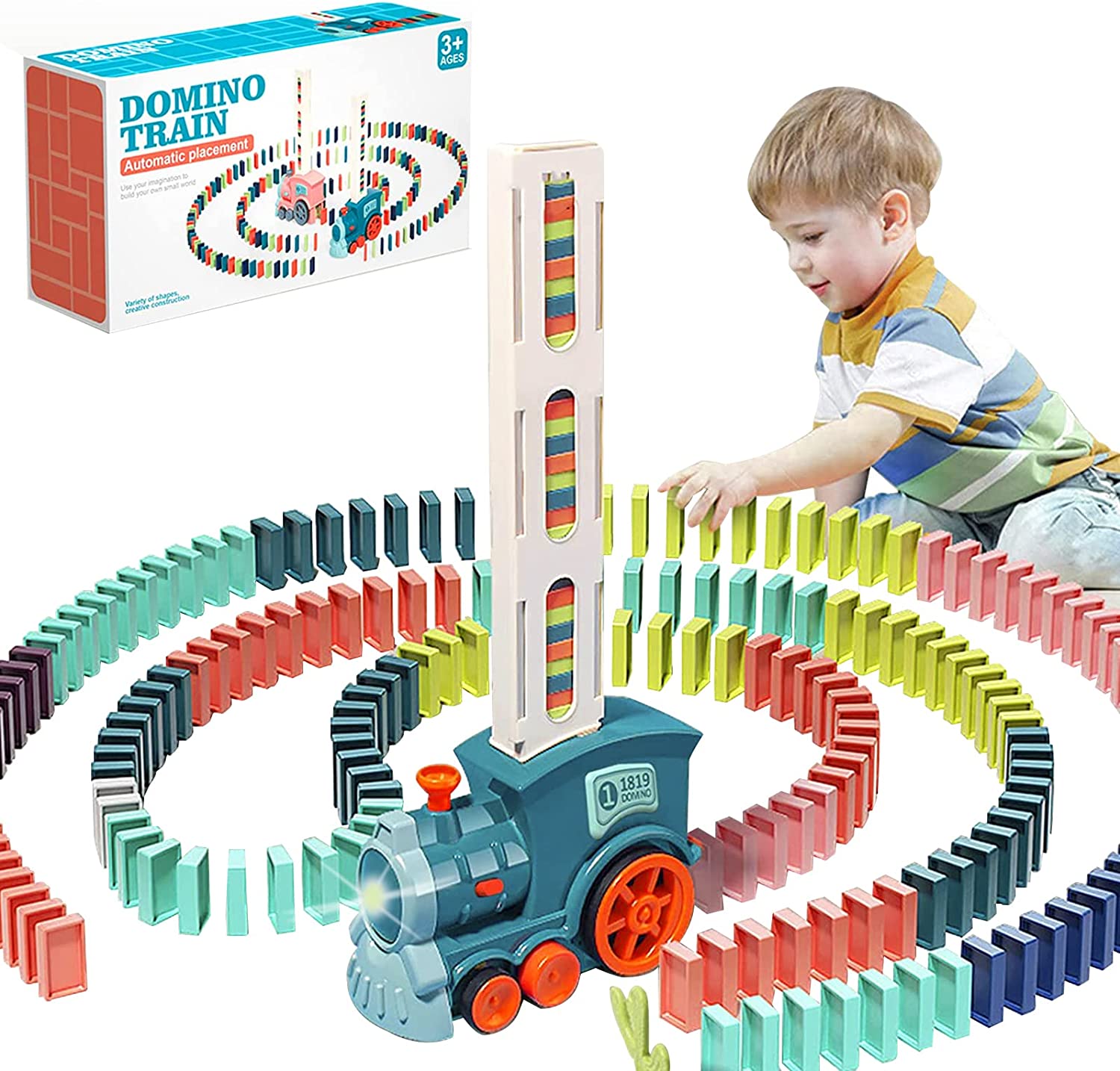
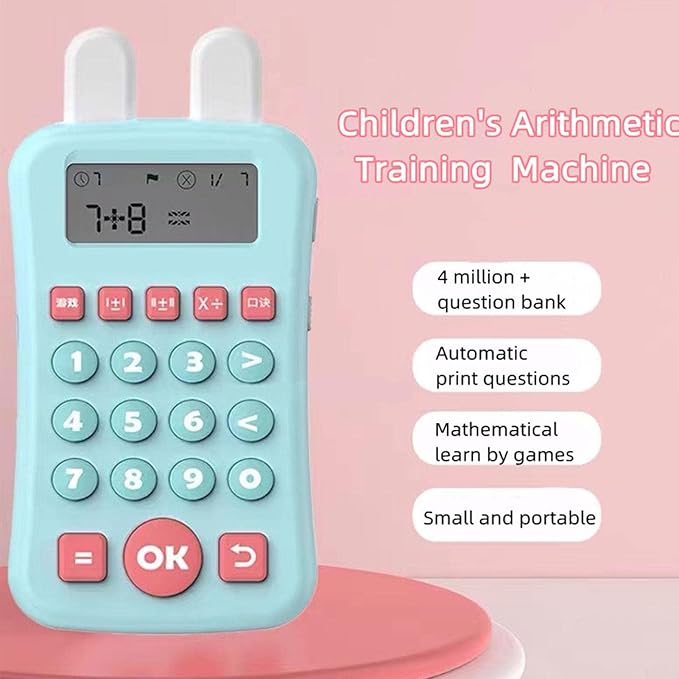
Three more items from the same section, for children a little further along.

Frequently asked questions about a baby breathing bear
Can it go in the cot with a newborn?
No. Safe-sleep guidance is that a cot should be clear of soft toys for babies under twelve months. Place a baby breathing bear beside the cot instead, where the sound and rhythm still reach the room.
Does it monitor my baby’s breathing?
Not at all. It simulates a breathing rhythm as a comfort cue. It measures nothing, alerts to nothing, and must never be treated as a monitoring device of any kind.
How long does the sound run for?
The WLD listing states an automatic shutoff after fifteen minutes. That is designed to cover a typical settling period without running through the night.
What sounds does it make?
The listing describes a soothing heartbeat sound and three lullaby melodies. Using the same one every night is more effective than rotating between them, because the value is in the association.
Is it suitable from birth?
It is described as a newborn sleep aid, and used beside the cot rather than inside it there is nothing about a baby breathing bear that is age-restricted. As with any nursery item, check with your health visitor if you have specific concerns.
What if it does not help?
Give it two or three weeks of consistent use before deciding, then stop if nothing has changed. Babies vary enormously, and no settling aid works for every child.
Used beside the cot, at low volume and as part of the same routine every night, a baby breathing bear gives a quiet room the gentle rhythm that many small babies settle better with. See the current listing on the product page, or browse more nursery items in the Baby Products section.




Add comment