Hair straightening cream is the at-home version of a treatment that used to mean a long afternoon in a salon chair. Applied properly, it smooths the cuticle so hair dries straighter, sits flatter and stops reacting to every change in humidity.
It is also the kind of product that rewards reading the instructions twice. This guide covers what a smoothing treatment actually changes inside the strand, how to apply one safely, how long the effect lasts, what to do afterwards to protect it, and who should leave this particular product alone.
Why people turn to hair straightening cream
Most people who buy a smoothing treatment are not chasing poker-straight hair. They are tired of the daily routine: twenty minutes with a flat iron every morning, a result that collapses the moment they step outside, and hair that gets a little more damaged each week from the heat used to control it.
Frizz is the specific complaint. Hair frizzes because a raised cuticle lets moisture move in and out of the strand freely, so humid air swells it and the surface roughens. No amount of brushing fixes that, because the cause is the condition of the cuticle rather than the styling.
A hair straightening cream addresses the cause instead of the symptom. By sealing the cuticle and relaxing some of the bonds that give hair its curl pattern, it changes how the strand behaves for weeks at a time rather than for the few hours a flat iron buys.
The trade is time and care up front. Thirty minutes of careful work once every few months replaces a daily struggle, which is why the treatment appeals most to people with thick, coarse or naturally frizzy hair who currently spend the longest on styling.
What a hair straightening cream actually changes
Hair gets its shape from bonds between the protein chains inside the cortex. Keratin is the protein in question, and the arrangement of those bonds is what decides whether a strand grows curly, wavy or straight.
A keratin bond hair straightening cream works on two levels at once. It relaxes part of that internal structure so the strand holds a straighter shape, and it deposits smoothing agents along the outside that flatten the cuticle scales and seal them down.
That sealing is where most of the visible benefit comes from. A flat cuticle reflects light evenly, which reads as shine, and it slows the movement of moisture in and out of the strand, which is what stops humidity from creating frizz an hour after you leave the house.
It is worth being realistic about the limits. A hair straightening cream changes hair that already exists on your head. New growth arrives with its original texture, which is why the effect fades from the roots downward rather than uniformly.
What makes a good hair straightening cream
Hair straightening cream formulas differ far more than the packaging suggests, and the differences matter for both safety and results.
What is not in it
Formaldehyde-free is the single most important thing on a label. Older salon smoothing systems relied on formaldehyde or compounds that release it under heat, which is exactly why those treatments needed professional ventilation. A formaldehyde-free hair straightening cream is what makes at-home use reasonable in an ordinary bathroom.
How long it takes to work
Processing time is a practical filter. A treatment that works in around thirty minutes fits into a normal evening; one that needs several hours plus a blow-dry rarely gets used a second time. Shorter is not weaker, it simply reflects a different formula.
Who it is formulated for
Check whether chemically treated hair is included. Hair that has been coloured, bleached or previously relaxed is more porous and reacts faster, and a formula that has not been designed with it in mind is where problems start.
How long the result lasts
Duration is the honest measure of value. A treatment listed at up to three months is a semi-permanent one: it wears off gradually as hair is washed and as new growth comes through, rather than stopping suddenly on a given date.
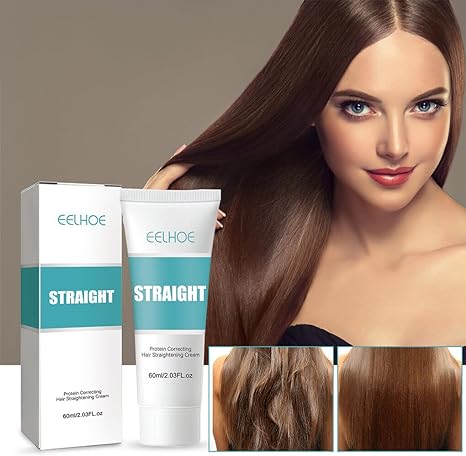
The WLD Store pick: Hair Straightening Cream
This is the hair straightening cream WLD Store stocks for people who want salon-style smoothing without booking an appointment.
- Product: Hair Straightening Cream, a keratin bond smoothing treatment
- How it works: keratin bond formula that seals the cuticle to reduce frizz
- Listed duration: silky, smooth results for up to three months
- Formulation: formaldehyde-free
- Suitable for: chemically treated and natural hair
- Processing time: works in around 30 minutes
- Category: Beauty & Personal Care, Hair Care · Brand: WLD · SKU: WLD-KSA-0117-(KD-041)
- Availability: available across Saudi Arabia through secure checkout
Photographs and the full listing are on the Hair Straightening Cream product page. Always read the instructions supplied with the product itself, since they take precedence over any general advice.
How to apply hair straightening cream: 9 easy steps
Preparation is most of the job with any hair straightening cream. Work through these nine steps in order and the result is even from root to tip.
- 1. Do a strand test first. Treat a small hidden section, wait, and see how your hair responds before committing to a whole head. This is the step people skip and later regret.
- 2. Patch test your skin. Apply a little to the inside of the elbow and leave it for the time the instructions state, to rule out a reaction.
- 3. Clarify, then dry. Wash out styling product and oils so the hair straightening cream can reach the strand, then dry hair as directed.
- 4. Open a window. Even a formaldehyde-free product benefits from moving air. Never treat hair in a small closed bathroom.
- 5. Wear the gloves. Repeated skin contact is unnecessary and easily avoided, and gloves also stop you touching your face mid-application.
- 6. Section the hair. Four clipped sections, then thin sub-sections. Even coverage is the single biggest factor in an even result.
- 7. Keep it off the scalp. Leave a small gap at the roots. The scalp is the most sensitive area and gains nothing from the treatment.
- 8. Time it properly. Set a timer for the stated processing period. Longer does not mean straighter, it means more stress on the strand.
- 9. Rinse and finish as directed. Follow the product instructions exactly for rinsing, drying and any waiting period before the first wash.
Work with a mirror behind you or ask someone to check the back. Missed patches at the crown are the most common flaw in a home treatment.
How long hair straightening cream results last
The listed duration for this product is up to three months, and in practice that varies with hair type and how it is washed. Coarse, thick hair tends to hold smoothing longest; fine hair often sees the effect soften sooner.
Washing frequency is the biggest variable you control. Every wash removes a little of what was deposited, so someone washing daily will see a hair straightening cream fade faster than someone washing twice a week, regardless of anything else.
Growth sets the other limit. New hair emerges with its natural texture, so after two months there is a visible difference between treated lengths and fresh roots. That line is normal and is the point at which most people plan the next treatment.
Aftercare that protects your hair straightening cream result
What happens in the days after application matters as much as the application itself. Follow the waiting period in the instructions before the first wash, since the treatment continues to settle into the strand during that window.
Switch to a gentle, sulphate-free shampoo. Strong detergents strip the smoothing agents a hair straightening cream leaves behind, and this single change is what most often separates a result that lasts three months from one that lasts three weeks.
Keep hair loose for the first couple of days. Tight ponytails, clips and even a firm headband can press a bend into freshly treated hair that is difficult to remove afterwards.
Carry on conditioning. Smoothed hair still needs moisture, and a weekly conditioning treatment on the mid-lengths and ends keeps the strand flexible rather than glassy and brittle.
Matching a hair straightening cream to your hair
Thick, coarse and frizz-prone hair is the ideal candidate, and the type that sees the most dramatic change. It has the structure to take a smoothing treatment well and the most daily styling time to save.
Wavy hair usually keeps some movement rather than going flat, which many people prefer. If you want to loosen a wave and stop frizz rather than remove texture completely, a hair straightening cream tends to deliver exactly that.
Fine hair needs the most caution. It processes faster, shows any unevenness immediately, and can end up limp if the treatment is too strong for it. This is the hair type where a strand test stops being optional.
Fitting the treatment into a real routine
Timing matters more than people expect. Treat hair on an evening when nothing follows it, not before an event, so there is room to wash, dry and see the result without pressure.
Plan around other chemical services. A hair straightening cream and a fresh bleach or colour should never happen in the same session, and most people leave a clear gap of at least two weeks between them so the hair is not processed twice in quick succession.
Think about the calendar too. Because the effect fades over weeks rather than stopping abruptly, many people time an application before the most humid stretch of the year, when frizz is at its worst and the benefit is most obvious.
Keep a note of the date. Knowing exactly when you last treated your hair prevents the most common mistake of all, which is repeating the process sooner than the hair can comfortably take.
Humidity, sun and hard water
Climate decides how much benefit you get and how long it lasts. Humid air is the reason frizz exists at all: moisture moves into a strand with a raised cuticle and swells it unevenly, which is what lifts hair into a halo an hour after styling.
That is why a hair straightening cream is most noticeable to people living somewhere warm and coastal, and least noticeable to people in dry, cool air whose hair behaves reasonably anyway. If your hair is only difficult in certain months, timing a treatment for those months makes sense.
Strong sun works against you. Ultraviolet light breaks down the protein structure a smoothing treatment depends on, and fades colour at the same time. Covering hair during the hottest part of the day, or simply keeping it up, protects the result at no cost.
Hard water is the quiet one. Mineral deposits build along the cuticle and make hair feel rough even shortly after treatment, which people usually blame on the product. An occasional clarifying wash, well before a treatment rather than after it, clears that build-up.
Air conditioning dries hair steadily through the day. It will not undo a hair straightening cream, but it does make conditioning the mid-lengths and ends more important, since smoothed hair that has gone dry loses movement and starts to look flat rather than sleek.
Care and maintenance between hair straightening cream treatments
Heat is still the main threat. Smoothed hair needs far less styling, and taking advantage of that is the whole point; if you do use a dryer or iron, keep the temperature moderate and use a heat protectant every time.
Protect it from chlorine and salt. Both strip smoothing agents quickly, so rinse hair with plain water before swimming so it absorbs less, and rinse again immediately afterwards.
Trim as normal. A hair straightening cream improves how the ends look but does not repair a split, and a trim every couple of months keeps the overall finish clean while the treatment grows out.
Store the product properly. Keep any remaining cream tightly closed, away from heat and direct sun, and check the instructions for how long it stays usable once opened.
Common problems and quick fixes
Four issues account for most disappointing hair straightening cream results, and all four are avoidable.
- Patchy, uneven straightening. Sections were too thick or the back was missed. Take thinner sub-sections and have someone check the crown next time.
- The effect faded within weeks. Almost always a sulphate shampoo, or washing daily. Switch to a gentle formula and stretch the time between washes.
- Hair feels stiff or over-processed. The timing ran long, or the treatment was repeated too soon. Give hair a rest and focus on deep conditioning for a few weeks.
- Scalp irritation. Product was applied too close to the roots, or no patch test was done. Rinse thoroughly, stop use, and do not reapply.
Hair straightening cream, flat iron or salon treatment
A flat iron is instant, costs nothing extra once you own one, and lasts until the next wash or the next humid afternoon. It also applies high heat to the same hair repeatedly, which is the main cause of the damage people later try to correct.
A professional salon service gives the most controlled result, with someone assessing your hair and adjusting as they work. An at-home hair straightening cream sits between the two: longer lasting than an iron, far less time-consuming than a salon booking, and dependent on you following the process carefully.
Buying checklist before you order
Five questions to answer before any hair straightening cream goes into a basket.
- Is it formaldehyde-free? For home use in an ordinary bathroom, treat this as non-negotiable.
- Does it cover your hair type? Check that chemically treated hair is listed if yours has been coloured or bleached.
- How long does it take? A thirty-minute treatment gets repeated; a four-hour one usually does not.
- How long does it last? Match the stated duration against how often you are willing to repeat the process.
- Are you ready for the aftercare? A hair straightening cream needs a gentle shampoo afterwards to be worth doing at all.
Other Beauty & Personal Care picks at WLD Store
These three sit close by in the catalogue and cover the rest of a grooming and travel routine.
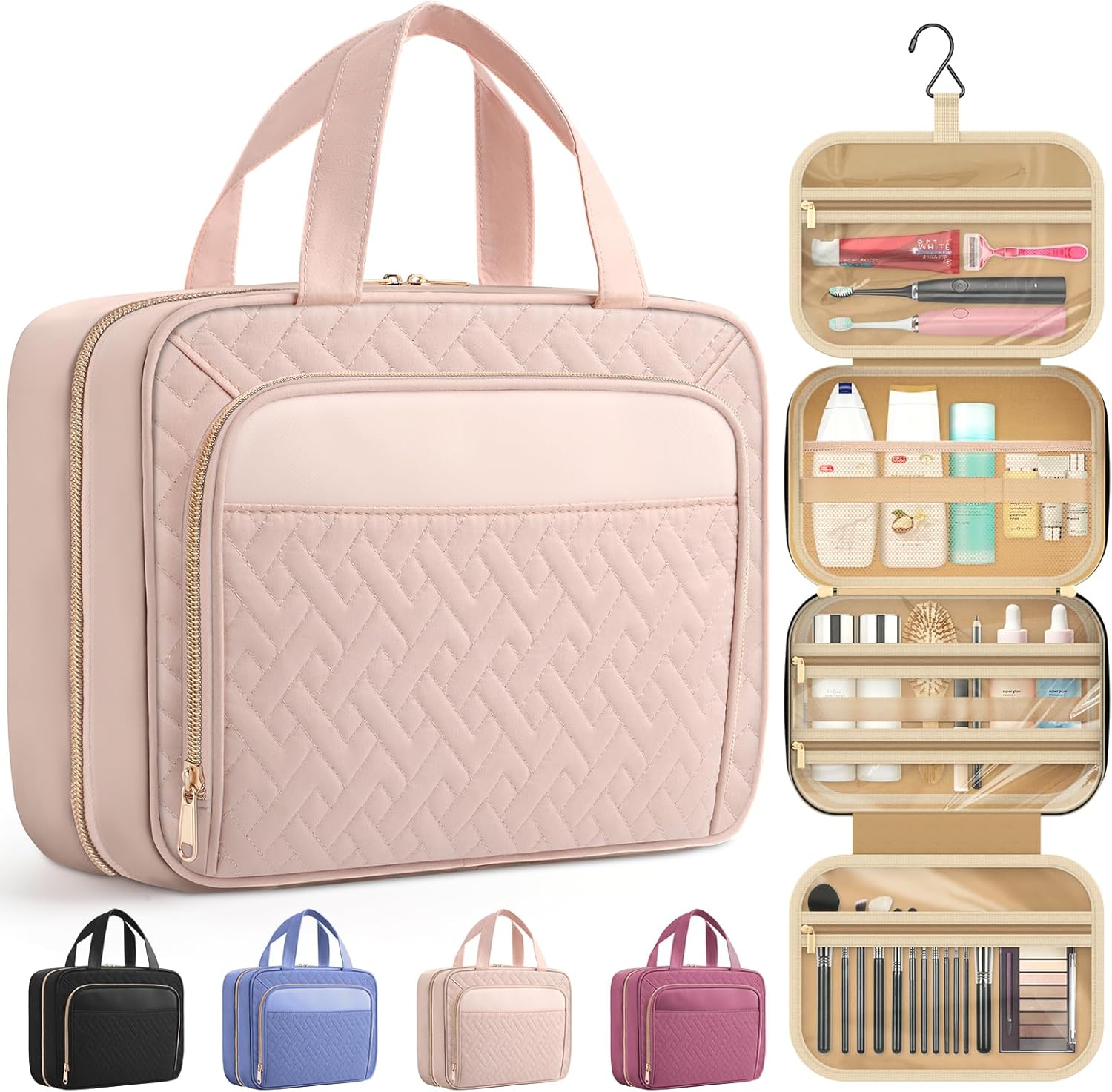
The Large Travel Cosmetic Bag is the useful companion, since a smoothing routine tends to come with several bottles that need keeping together.
Frequently asked questions about hair straightening cream
Is it safe for coloured hair?
This formula lists chemically treated hair as suitable, so coloured hair is included. Leave a gap after a fresh colour service rather than treating on the same day, and always run a strand test first, because coloured hair is more porous and processes faster.
How soon can I wash my hair afterwards?
Follow the waiting period stated in the product instructions, since it differs between formulas. During that window the treatment is still settling, and washing early is one of the main reasons a hair straightening cream underperforms.
Will my hair go completely straight?
That depends on your starting texture. Wavy hair usually becomes smooth and much looser, thick frizzy hair becomes noticeably straighter and far easier to manage, and very curly hair generally relaxes rather than straightening entirely.
Can I use it on my child’s hair?
No. Chemical smoothing treatments are formulated for adult hair, and this is not a product to use on children. If you are pregnant, breastfeeding or have a scalp condition, speak to a professional before using any hair straightening cream.
What happens as it grows out?
The line between treated hair and new growth softens gradually rather than appearing as a hard demarcation, because the treatment fades with washing at the same time as roots come through. Most people find it grows out tidily.
Can I still use heat styling afterwards?
Yes, though the point of the treatment is that you need it far less. If you do reach for a dryer or iron, use a lower temperature and a heat protectant, since protecting the result is easier than repeating it.
A hair straightening cream is one of those products where care in the process matters more than anything on the label. A strand test, thin sections, an accurate timer and a gentle shampoo afterwards are what separate a good three months from a frustrating fortnight.
The full listing sits on the Hair Straightening Cream product page, and there is more hair care and everyday beauty in the Hair Care section, available across Saudi Arabia.





Add comment