Magnetic building blocks are one of the few toys that hold a child’s attention for years rather than weeks, which is why they turn up on so many gift lists. The idea is simple: flat tiles with magnets sealed inside the edges, so pieces snap together into walls, boxes, towers and anything else a child can picture. This guide covers what separates a good set from a frustrating one, how the play changes as children grow, the safety points every parent should know, and the set stocked at WLD Store, along with a few related picks for younger children.
It is written for someone choosing a first set of magnetic building blocks or replacing a tired one, so nothing here assumes you already know the category.
What magnetic building blocks are and why children stay with them
Each tile in a set of magnetic building blocks is a plastic frame, usually a square or a triangle, with small magnets set into the edges. Because the magnets can rotate inside the frame, tiles flip to attract rather than repel, so a child never has to work out which way round a piece goes. That one design decision is the reason toddlers can build with them at all.
The appeal is that the toy has no correct answer. A set of magnetic building blocks does not come with a single model to copy and a bag of leftover pieces. Children build a house, knock it down, build a rocket, then flatten everything into a mosaic on the floor. The play changes shape as they do.
There is also a quiet learning benefit, which is what the WLD Store listing means by STEM skills. Working out that four squares and a roof make a box, or that a tall tower needs a wider base, is early geometry and structural thinking without a worksheet in sight. Children discover it by knocking things over, which is the most reliable teaching method there is.
Compared with interlocking plastic bricks, magnetic building blocks are faster to assemble and far more forgiving. Nothing needs to be pressed together, nothing needs a tool to separate, and a two-year-old can succeed on the first attempt. The trade-off is less precision: you will not build a detailed model, and structures get wobbly above a certain height. For a wider view of how construction toys have evolved, Wikipedia’s article on the toy block is worth a read.
What makes a good set of magnetic building blocks
Sets of magnetic building blocks look nearly identical online. Four things actually decide whether a set gets played with every week or abandoned by the spring.
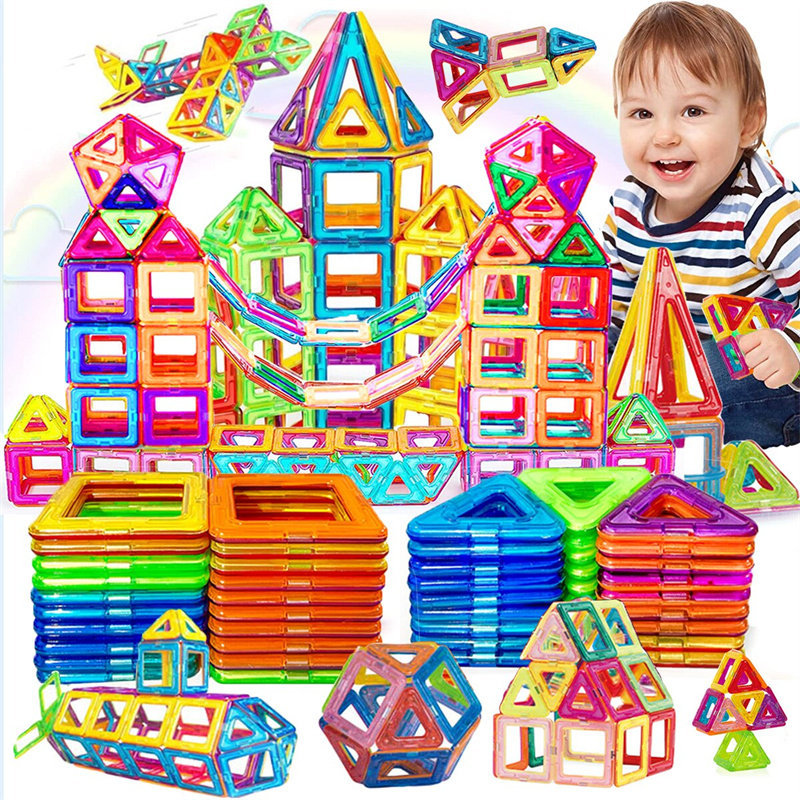
Magnet strength and how the tiles hold
Hold is everything. Weak magnets make a tower collapse under its own weight, and nothing sours a child on a toy faster than a build that falls apart while they are still placing pieces. Strong magnets let a structure stay up long enough to be admired, photographed and then demolished on purpose, which is the whole point of magnetic building blocks.
You cannot measure this from a photograph, so look at how the tiles behave in the listing images and, once they arrive, test a simple cube. Good magnetic building blocks will hold a six-sided box that you can pick up by one face. If the box sags or pops open when lifted, the magnets are on the weak side and builds will stay low.
The mix of shapes in the set
Piece count gets all the marketing attention, but the mix matters more. Squares do the work of walls and floors. Triangles make roofs and angled faces. Without enough triangles you get boxes and very little else, and children notice that limitation quickly.
Check the listing photographs and count what is actually shown. A set of magnetic building blocks with a sensible spread of squares and triangles beats a bigger set that is almost all one shape. Larger specialty pieces such as arches or wheels are a bonus rather than a requirement for a first set.
Edges, seams and build quality
The single most important physical detail is how the two halves of each tile are joined. This is where cheap tiles fail: the seam splits, and a loose magnet is a serious hazard rather than a minor annoyance. Run a fingernail around the edge of a new tile. It should feel like one solid piece with no gap, no flex and no rattle when shaken.
Look at the plastic quality too. Slightly translucent tiles are popular because children hold them up to a window or a light and get a stained-glass effect, which adds a whole extra kind of play to the same set of magnetic building blocks.
Age suitability
Check the manufacturer’s stated age guidance for any magnetic building blocks you are considering, and follow it rather than guessing from your child’s ability. Age labels on construction toys are about small parts and magnets, not about whether a clever toddler could manage the building. That distinction matters, and it is covered in more detail in the safety section below.
The WLD Store pick: Magnetic Building Blocks Set for Kids
Here is what the WLD Store listing states for this set, with nothing added or assumed.
- Product: Magnetic Building Blocks Set for Kids
- Brand: WLD
- Category: Baby & Kids, filed under Toys
- In short: creative DIY magnetic tiles that build STEM skills while children play
- Availability: available across the USA
- SKU: WLD-US-0008-(CJ-CJYZ1219787)
The photographs, the piece breakdown as listed and secure checkout are on the Magnetic Building Blocks Set product page. Check the images for the exact shapes included and the stated age guidance before ordering, since those two details decide whether a set of magnetic building blocks suits the child you are buying for.
Play ideas that grow with the child
The reason magnetic building blocks survive several birthdays is that the same tiles support completely different kinds of play at different ages.
Toddlers mostly stack, sort and knock down. Do not rush them past this. Sorting tiles into color piles and clicking two together is exactly the right level of challenge, and the satisfying snap is half the appeal.
Preschoolers start building enclosures. Boxes become beds for small figures, garages for toy cars, and pens for plastic animals. This is where magnetic building blocks stop being an abstract toy and start being a set for the rest of the toy box.
School-age children get ambitious. Towers, bridges, pyramids and shapes that need planning ahead. This is also the age where a child will discover on their own that a wide base holds more weight, which is a better physics lesson than being told.
A few prompts that work at almost any age: build something that a toy car can drive through, build the tallest tower that still stands when you clap next to it, or build a shape and challenge someone else to copy it from the other side of the room.
Getting the most out of a set
- Build on a hard floor, not a rug. Deep pile makes the base wobble and the whole structure will lean.
- Start every tall build with a wide base. Two or three tiles across at the bottom roughly doubles the height a child can reach.
- Keep the set complete. A missing handful of triangles quietly reduces what can be built, so a sweep under the sofa is worth doing.
- Try them on the fridge. Most magnetic building blocks stick to a steel refrigerator door, which turns a kitchen into a vertical building surface while dinner cooks.
- Add a light source. Translucent tiles on a window sill or over a flashlight give a completely different effect and often restart interest in a set that has gone quiet.
- Join in briefly, then step back. Building alongside a child for five minutes usually sparks twenty minutes of independent play.
Mixing brands of magnetic building blocks is worth a mention. Tiles from different manufacturers often connect, since the magnet placement is broadly standard, but sizes may not match exactly. If you plan to expand a set later, keep the packaging so you can compare dimensions.
Safety first: what every parent should know
This is the section that matters most, and it applies to every brand of magnetic tile rather than to any one product.
Swallowed magnets are dangerous. If a child swallows more than one, the magnets can attract each other through the wall of the intestine and cause serious internal injury. This is not a choking risk that passes; it is a medical emergency that needs immediate attention. If you suspect a child has swallowed any magnet, seek urgent medical help and say specifically that magnets are involved.
That is why sealed tiles matter so much. Intact magnetic building blocks keep the magnets inside the frame where no child can reach them. Inspect tiles regularly, especially after they have been dropped or chewed, and retire any tile that has a split seam, a crack or a rattle. One damaged tile is a reason to remove that tile, not to panic about the set.
Follow the stated age guidance rather than your judgment of your own child, and keep sets away from babies and toddlers who still put everything in their mouths. Older siblings need the rule explained too, since the usual route to a problem is a big brother handing a tile to a baby.
Two more practical points. Keep magnets away from pacemakers and other implanted medical devices, and keep them off laptops, credit cards and hotel key cards. Neither is dramatic, but both save a bad afternoon.
Care, cleaning and storage
Cleaning magnetic building blocks takes minutes. Wipe the tiles with a barely damp cloth and a little mild soap, then dry them properly. Do not soak magnetic building blocks in a sink of water and do not put them in a dishwasher: water that gets past a seam reaches the magnets, and the heat can weaken the join between the two halves of a tile.
Check the tiles over while you clean them. That is the natural moment to spot a split edge or a hairline crack, and a two-minute inspection every few months is the whole of the maintenance job.
Storage is worth a little thought because these tiles do not tidy themselves. A shallow open box works far better than a deep toy chest, since children can see what is there. Stacking tiles in matched piles takes seconds and stops the set spreading across a room.
Keep the box away from anything the magnets should not meet, such as a laptop or a stack of cards, and store the set somewhere dry rather than in a damp garage.
Common problems and quick fixes
Almost every complaint about magnetic building blocks comes down to four things, and three of them have easy answers.
- Towers keep collapsing. Usually a narrow base or a soft floor. Widen the base, move to a hard surface, and build in layers rather than straight up.
- Some tiles will not stick. Check for a dropped or damaged tile, and check nothing metallic is trapped between faces. A tile that has lost its hold should be retired.
- The child lost interest. Change the surface rather than the toy. Move the set to the fridge door, add a light box, or bring in toy cars and small figures.
- A tile has cracked open. Remove it immediately, find any loose magnet, and dispose of both. Do not glue a split tile and return it to the box.
Buying checklist for magnetic building blocks
- Does the set include enough triangles, or is it mostly squares?
- Do the tiles look properly sealed, with no visible seam or gap along the edge?
- Does the stated age guidance match the child, including any younger siblings in the house?
- Is the hold strong enough that a six-sided cube can be lifted by one face?
- Is there somewhere shallow and open to store them where the child can see the pieces?
Five yes answers and the set of magnetic building blocks will be played with. The second question is the one never to compromise on.
How they compare with wooden blocks and interlocking bricks
Most homes end up with more than one construction toy, and each does something the others cannot. Knowing the difference helps you choose the first one rather than buying all three.
Wooden blocks are the oldest of the three and still excellent. They teach balance in a way nothing else does, because gravity is the only thing holding a tower together. They are also quiet, durable and pleasant to handle. What they cannot do is hold a wall upright, so builds stay simple and collapse often, which frustrates some children and delights others.
Interlocking plastic bricks sit at the opposite end. They lock hard, hold detail and support models with moving parts, but small hands struggle to press and separate them, and following an instruction booklet is a different activity from free building. They suit older children and long projects.
Magnetic building blocks sit in the middle and that is their strength. Structures hold well enough to survive being carried across a room, yet come apart with a gentle pull, so a three-year-old can build and rebuild without help or frustration. The limit is precision: you get shapes and spaces rather than detailed models. For a first construction toy, and for the widest age range from one set, that middle ground is usually the right compromise.
Who magnetic building blocks are not for
They are not the right toy for a household with a baby who is still mouthing everything, unless you can genuinely keep the set out of reach and only bring it out under supervision. That is a real constraint and worth being honest about before ordering.
They are also not a substitute for a detailed construction set. A child who wants to build a working crane with moving parts will find magnetic building blocks too loose and too simple, and would be happier with interlocking bricks.
And if floor space is genuinely tight, be aware that this toy spreads. It builds outwards as much as upwards, and a large set needs a clear patch of floor to be enjoyable. A smaller set in a home with room to spread often beats a huge set in a crowded one.
Other Baby & Kids picks at WLD Store
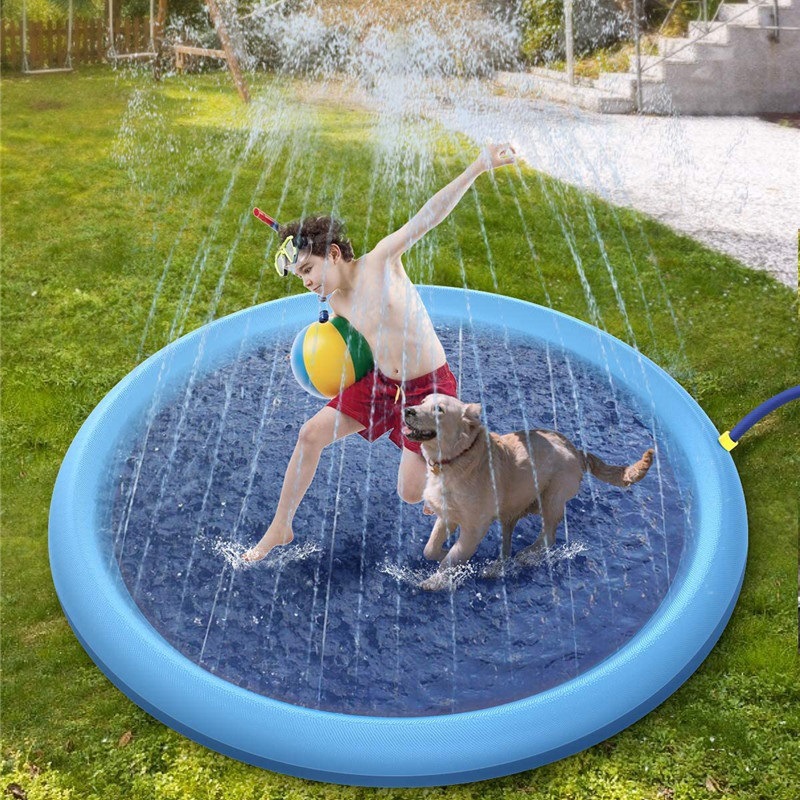
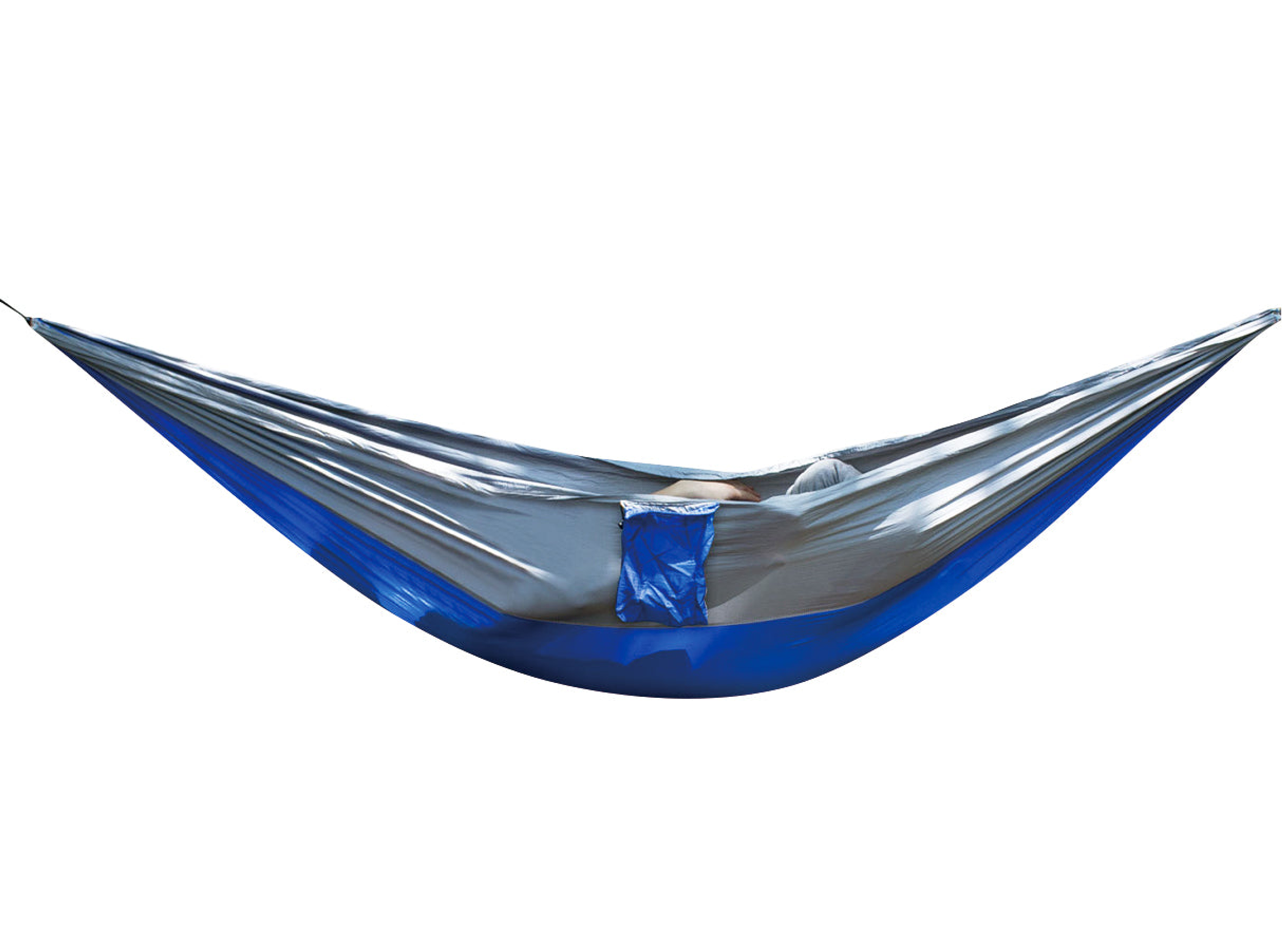
Three more from the same part of the range, covering quieter play, water play and the outdoors.

Frequently asked questions about magnetic building blocks
What age are magnetic building blocks suitable for?
Follow the age guidance printed on the product you buy, since it reflects that manufacturer’s testing rather than a general rule. As a practical matter, this style of toy is usually aimed at preschool age and upwards, and the limiting factor is magnets and small parts rather than whether a child can manage the building itself.
Are magnetic tiles safe for toddlers?
Only within the stated age guidance and with supervision. The concern is a child swallowing more than one magnet, which can cause serious internal injury and needs emergency medical care. Sealed tiles in good condition keep the magnets contained, so inspect them regularly and retire any tile with a split seam or a crack.
Do magnetic building blocks from different brands work together?
Often, but not always. Magnet placement along the tile edges is broadly similar across manufacturers, so tiles will usually attract each other. Exact tile dimensions vary, though, and mismatched sizes make builds untidy. If you intend to expand later, note the tile size of your first set.
How many pieces does a child actually need?
Fewer than most gift guides suggest. A modest set is enough for a toddler and for the first year of play, and it is easier to tidy. Children reach for more pieces when they start building enclosures and towers, which is a good moment to add a second set rather than buying a huge one up front.
Can magnetic building blocks be washed?
Wipe them with a damp cloth and mild soap, then dry them. Do not submerge them and keep them out of the dishwasher, because water past the seam reaches the magnets and heat can weaken the join. Cleaning is also the best moment to check every tile for damage.
Are they worth it compared with plastic bricks?
They serve different purposes. Magnetic building blocks are quicker, more forgiving and better for younger children and open-ended play. Interlocking bricks are better for detailed models and for older children who want precision. Many households end up with both, and the tiles usually come out first.
A set of magnetic building blocks is one of the safer bets in a toy cupboard: simple enough for a toddler, open-ended enough for a seven-year-old, and quick to tidy at the end of the day. Check the seams, follow the age guidance, and give the set somewhere to spread out. You can see the full listing on the product page, and the rest of the children’s range is in the Toys section.


Add comment