A baby head protector is a soft padded cushion worn on the back of the head, held in place by adjustable straps, designed for the months when a child is learning to sit, cruise and walk. Falls in that window are frequent, low and usually backwards, which is exactly the direction a small child cannot brace against. The pad puts a layer of foam between the back of the skull and the floor.
This guide explains what a baby head protector realistically does, how to fit one so it actually stays where it should, when to use it, when to take it off, and how to keep it clean. It is deliberately honest about the limits, because a padded cushion is a small part of a much larger safety picture.
What a baby head protector is for
Between roughly six and eighteen months, a child’s head is proportionally large and heavy compared with the rest of the body, and the muscles that steady it are still developing. When balance goes, the head follows, and it usually goes backwards. That combination is why so many early falls involve the back of the skull.
Most of these falls are from a very low height, onto a floor, and result in nothing worse than a fright and a cry. A baby head protector is aimed squarely at that everyday category: the sit-down-too-hard, the backwards topple from standing, the wobble on a rug. It is not designed for anything faster or higher.
Padding works by spreading force over time and area. Instead of the skull meeting a hard floor at a single point, the foam compresses over a few milliseconds and distributes the load across a wider patch. That is the same principle behind every impact-absorbing material, scaled down for a very light body.
There is a parental angle too. Many families find that a baby head protector lets them relax slightly during the tottering phase, which in turn means the child gets more floor time and more practice. Confidence for the adult often translates into more independence for the child.
Finally, a baby head protector is inherently temporary. Most children need it for a few months at most, from the first unsupported standing to reasonably steady walking. Judging it against that short window is the fair way to think about the purchase.
What makes a good baby head protector
The differences that matter are all about fit, weight and breathability rather than how much foam is packed in.
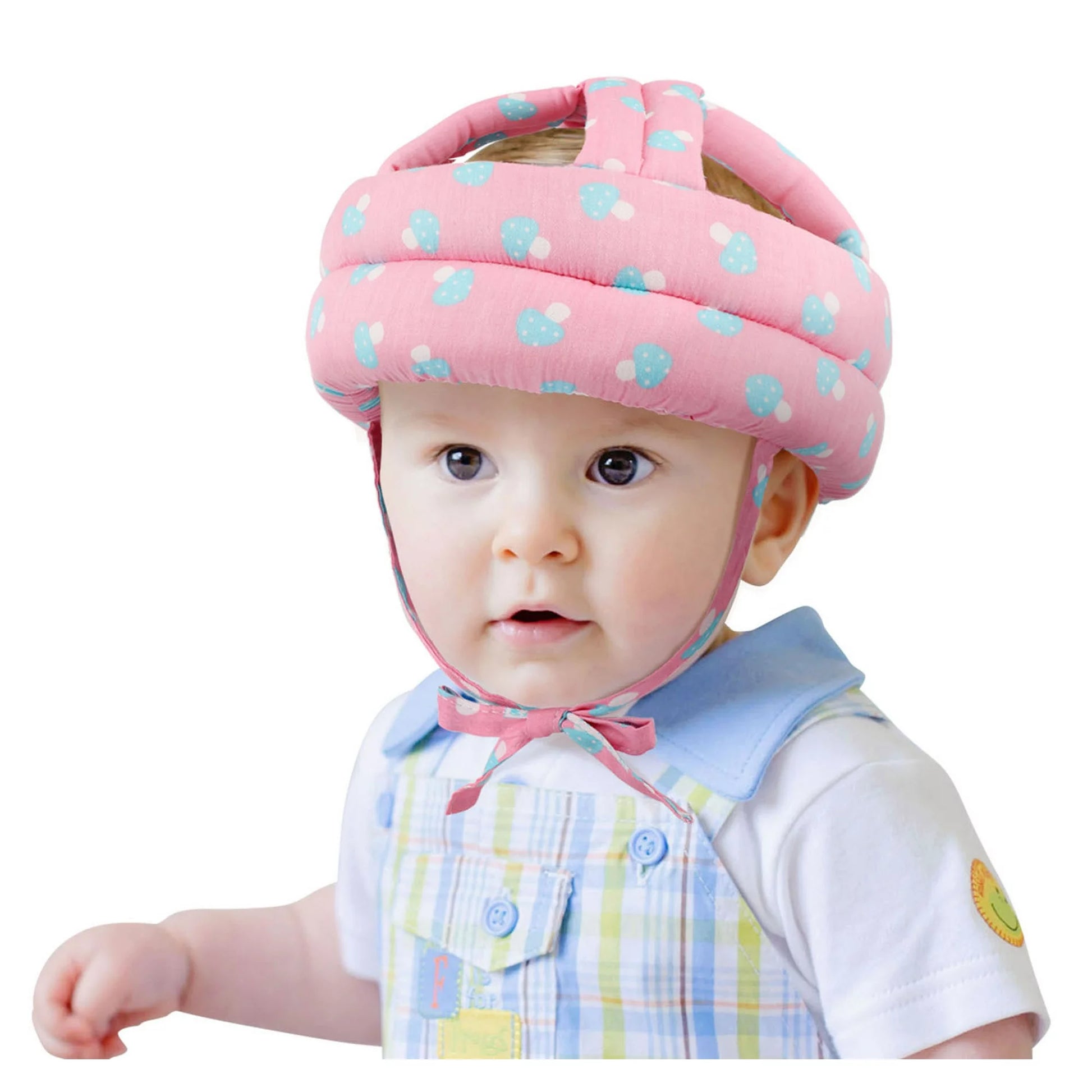
Padding material and coverage
Closed-cell foams such as EVA are the usual choice because they compress under impact, spring back afterwards and do not soak up moisture. Coverage should extend low enough to cover the back of the head where it meets the neck, since that is where a backwards fall lands. Padding higher up the crown looks reassuring but is used far less often.
Weight and balance
This is the detail people underestimate. A pad that is too heavy shifts the centre of gravity backwards and can actually make a wobbly toddler less stable, which is the opposite of what you want. A good baby head protector should feel almost weightless in the hand.
Strap system
Two straps, one over the crown and one under the chin, are the common arrangement. Both should adjust independently so you can size the pad to a growing head without the whole thing sliding. Look for smooth buckles that a child cannot open but you can, quickly, with one hand.
Breathability
Heads lose a lot of heat, and a child who is too warm will pull at anything on their head until it comes off. Ventilation channels or an open-weave harness make the difference between a baby head protector that gets worn and one that ends up in a drawer.
Washability
Anything a toddler wears daily will meet food, dribble and floor dust within a week. A pad that can be machine washed, or at minimum has a removable cover, is genuinely more hygienic than one that can only be sponged. Check that the foam is rated for washing, not only the fabric.
Appearance and appeal
It sounds trivial and it is not. A child who likes the look of a pad, particularly one with animal ears or a friendly shape, is far more likely to leave it alone. Half the practical success of any baby head protector comes down to whether the wearer tolerates it.
The WLD Store pick: Baby Head Protector
WLD Store lists this as a safety helmet cushion for toddlers. Everything below is taken directly from the product listing:
- Category: Baby and Kids, listed under Baby Products.
- Brand: WLD. SKU: WLD-KSA-0097-(KD-051).
- Soft breathable EVA padding that absorbs impact.
- Adjustable strap fitting head circumferences from 44 to 52 centimetres.
- Lightweight and machine washable.
- Animal designs intended to appeal to small children.
- Available across Saudi Arabia with secure checkout.
Photographs and current availability are on the Baby Head Protector product page. For background on the foam family used in this kind of padding, the reference article on ethylene-vinyl acetate describes its impact-absorbing properties.
How to fit a baby head protector correctly
A badly fitted pad is worse than none, because it gives false reassurance while sitting in the wrong place. Take two minutes over the first fit.
- Measure the head circumference with a soft tape, level, just above the ears and eyebrows.
- Check that measurement falls inside the stated 44 to 52 centimetre range before anything else.
- Sit the pad so it covers the back of the head and the area just above the nape, not the crown alone.
- Adjust the crown strap first so the pad sits level and does not tip forwards or back.
- Adjust the chin strap next, leaving room for one finger comfortably between strap and chin.
- Ask the child to look up, down and side to side, or move a toy to make them do it.
- Push the pad gently in each direction; it should move slightly and return, not slide off position.
- Recheck the fit every few weeks, because heads grow quickly at this age.
The single most common fitting error is wearing the pad too high, like a cap. It looks tidier and protects almost nothing, because the impact point in a backwards fall is lower than most parents expect.
The second most common error is a chin strap left loose so the child does not complain. A loose strap lets the whole baby head protector rotate on impact, which puts foam where it is not needed and bare skull where it is.
When to use it and when to take it off
The natural window is supervised floor time on hard surfaces: tiles, wood, stone, or a thin rug over any of those. This is when a baby head protector earns its place, because the child is upright, unstable and the floor is unforgiving.
Take it off for sleep, always, without exception. Nothing with straps belongs on a sleeping baby, and a nap in a cot does not need padding anyway. The same applies to car seats, where the pad interferes with correct harness position and headrest contact.
It also comes off for feeding in a high chair, for bath time, and any time the child is being carried. Treat a baby head protector as a piece of equipment for a specific activity, in the same way you would treat armbands at a pool, rather than something worn all day.
Padding is only half the job
The most effective safety measures during the learning-to-walk months cost nothing and involve the room rather than the child.
Start with the corners. Coffee tables, hearths, television stands and radiator ends are at exactly toddler head height, and they cause the injuries that actually matter. Move them, pad them, or block access to them entirely for a few months.
Next, the floor surface. A large soft rug in the main practice area does more good than any wearable pad, because it works for every part of the body and needs no cooperation from the wearer. Add a baby head protector on top of that and you have covered both.
Finally, stairs and thresholds. Gates at the top and bottom of stairs address the falls that pose real risk, which is precisely the category that padding cannot help with. Get those in place before you think about anything else.
What a baby head protector does not do
It is not a helmet. It has no hard shell, no certification for cycling, scootering or riding, and it should never be used in place of a proper helmet for any wheeled activity. The two products solve different problems.
It does not protect the face, forehead or temples in a forward fall, and forward falls are common once children start running. Nor does it help with falls from a height, from furniture, or down stairs, where the forces involved are far beyond what a thin foam pad can absorb.
Most importantly, it does not replace supervision. A baby head protector reduces the sting of ordinary backwards bumps on a flat floor; it does not make a room safe or a child unbreakable. If a child has any fall that concerns you, seek medical advice regardless of what they were wearing.
Head protector, helmet or padded mat
Each of the three solves a different problem, and understanding which is which prevents wasted money.
A padded play mat is the broadest solution. It protects head, elbows, knees and everything else, requires nothing to be worn, and works for babies who are not yet mobile. Its limit is that it only helps inside its own boundary, and toddlers do not stay inside boundaries.
A certified helmet is for wheels, and only for wheels. It is hard-shelled, tested to a standard, and far too heavy and hot for indoor use. Fitting one on a child for general play would be uncomfortable and pointless.
A baby head protector sits between the two. It travels with the child rather than the floor, it is light enough to wear for an hour, and it targets one specific and very common accident. Most families end up using a mat and a baby head protector together rather than choosing between them.
Getting a reluctant child to accept it
Some children ignore the pad entirely from day one. Others pull at it within thirty seconds. A few small tactics tip the odds.
Introduce it during something enjoyable rather than before a nap or a meal. Two or three minutes at a time, during a favourite activity, builds tolerance far faster than an hour of struggle.
Check for heat before assuming stubbornness. A warm room and a padded head is uncomfortable, and children have no way to explain that except by pulling. Moving to a cooler room often solves what looks like a behavioural objection to a baby head protector.
Let them handle it. Small children accept things they have inspected. Letting a toddler hold the pad, squeeze the foam and put it on a doll or a parent first is unglamorous but effective.
Care, washing and storage
Daily wear means regular cleaning, and clean padding lasts longer as well as smelling better.
- Wash according to the label; the WLD listing describes this model as machine washable.
- Use a gentle cycle with mild detergent and no fabric softener, which clogs breathable fabric.
- Air dry completely and away from direct heat, since hot air can distort foam permanently.
- Never tumble dry or iron any part of a baby head protector.
- Check straps and buckles each week for fraying, and stop using it if a buckle cracks.
- Store it hanging or loose rather than crushed, so the foam keeps its shape.
Foam that has been compressed hard in a single impact, or that no longer springs back when squeezed, has done its job and should be replaced rather than trusted again.
Common problems and quick fixes
- The pad slides forward over the eyes. The crown strap is too loose. Tighten it first, then re-set the chin strap.
- The child pulls it off constantly. Usually heat or a strap pressing on an ear. Cool the room, reposition, and build up wearing time gradually.
- Red marks under the chin. The strap is too tight or twisted. Leave a one-finger gap and check the strap lies flat.
- It smells after a few weeks. Normal with daily wear. Wash it, dry it fully, and rotate with a second pad if you have one.
None of these are faults in the product. Fit and temperature explain nearly every complaint about a baby head protector.
Buying checklist
- Does your child’s head measurement fall comfortably inside the stated size range?
- Is the pad light enough that it will not affect an already wobbly balance?
- Do both straps adjust independently, with buckles you can release quickly?
- Is it washable in a way that includes the padding, not just the cover?
- Does the coverage reach low at the back, where a backwards fall actually lands?
Five clear yes answers describe a baby head protector worth putting on a child every day for a few months.
Travel, nurseries and shared care
A pad that lives at home covers only part of a toddler’s week. Grandparents’ houses, holiday apartments and nursery rooms all have their own floors, and unfamiliar surfaces are exactly where a wobbly child is most likely to go over.
Hard floors are the common factor. Tiled and stone floors are standard in a lot of homes and apartments, and they are far less forgiving than the carpet a child practises on at home. Packing a baby head protector alongside the usual bag contents takes almost no space and covers those visits.
If your child attends a nursery or is cared for by relatives, talk it through rather than simply sending the pad along. Show whoever is caring for the child how to set the crown strap first and the chin strap second, and agree when it goes on and comes off. A baby head protector fitted wrongly by a well-meaning adult is the most common way it stops working.
Hotel rooms and holiday lets deserve a quick sweep too. Look for stone hearths, low glass tables, marble thresholds and sharp bed frames, and rearrange what you can before letting a toddler loose. Padding on the child never replaces removing the hazard, and away from home there is usually a hazard worth moving.
One practical note for travel: pack the pad somewhere it will not be crushed flat under heavy luggage for a week. Foam that has been compressed for days takes time to recover, and a baby head protector that has lost its loft is not doing the job you brought it for.
Other Baby and Kids picks at WLD Store
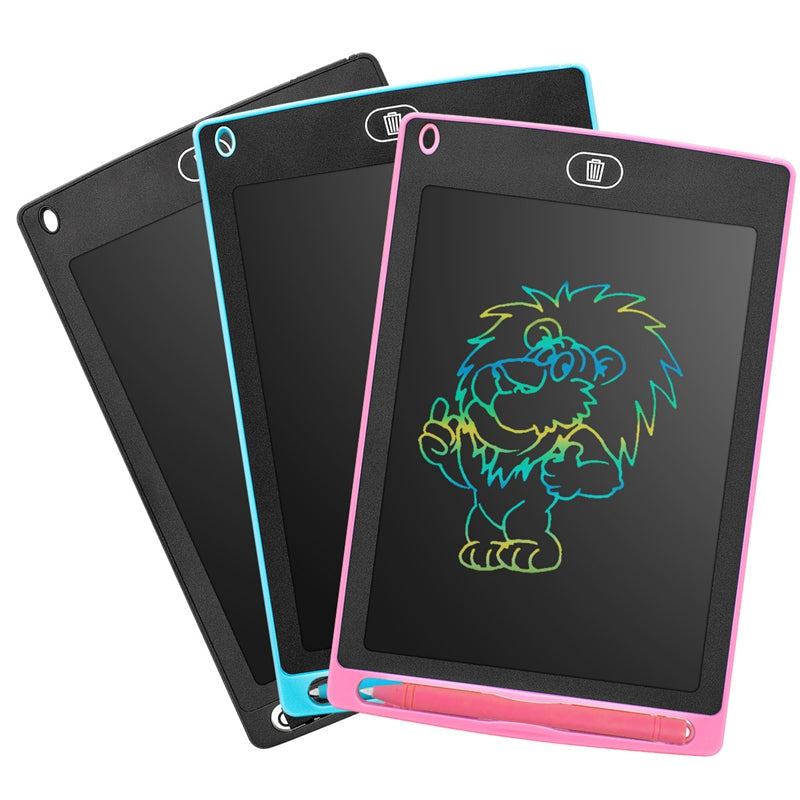
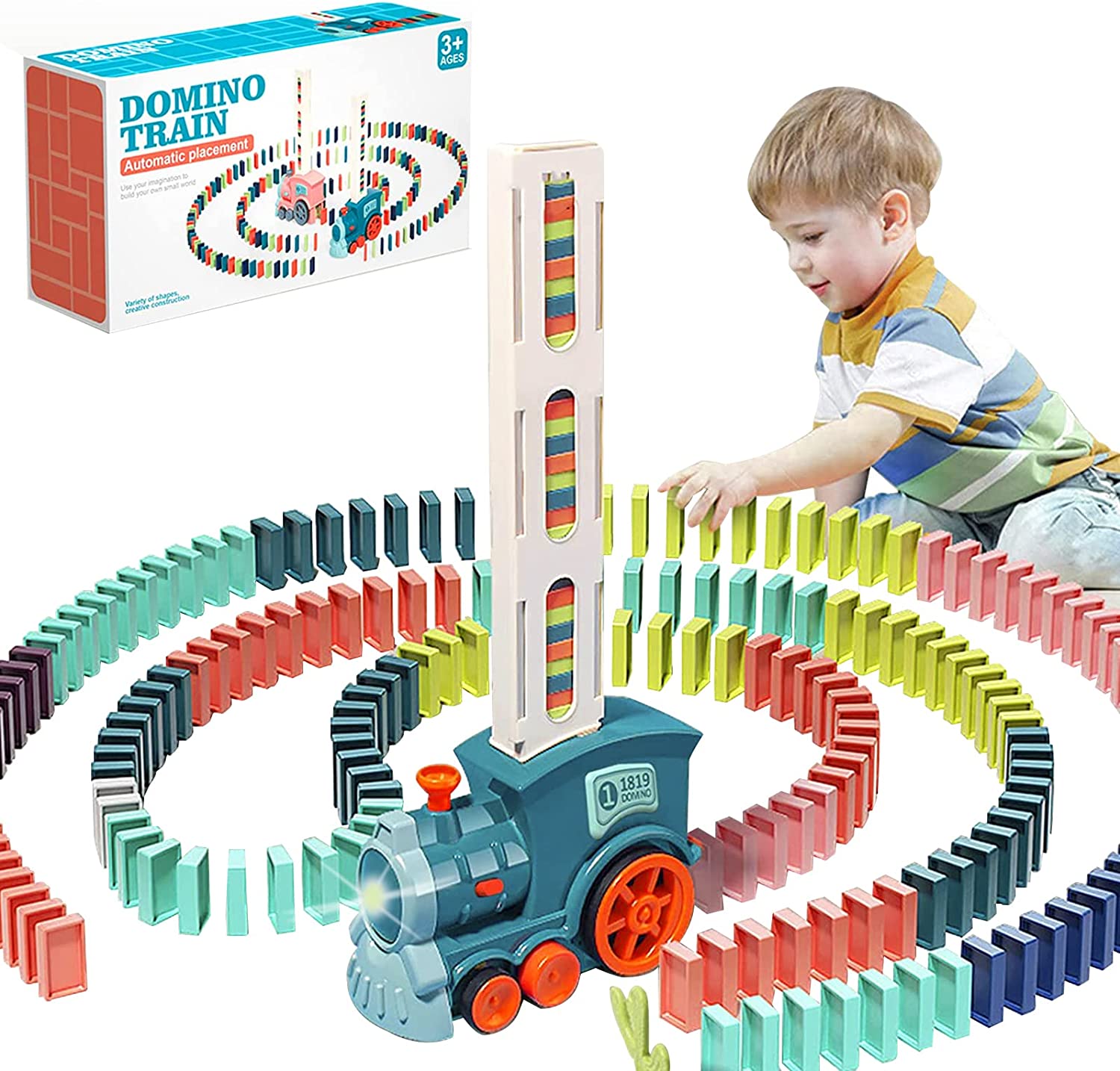
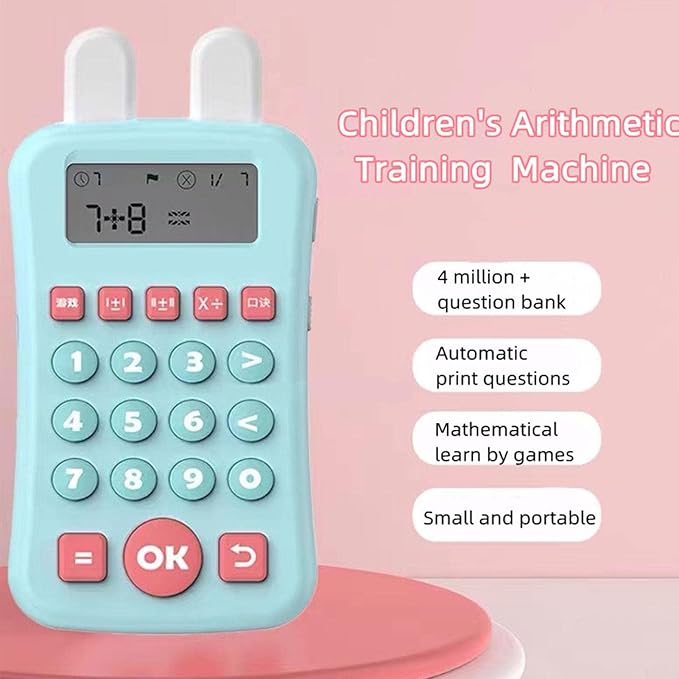
Three more items from the same section for slightly older children.
Frequently asked questions about a baby head protector
At what age should a child wear one?
The useful window is roughly from the point a child pulls up to stand until walking is reasonably steady, which for most children falls somewhere between six and eighteen months. Head circumference matters more than age, and this model is listed for 44 to 52 centimetres.
Can it be worn during naps?
No. Nothing with straps should be on a sleeping baby, and a cot does not need padding. Remove a baby head protector before sleep every time, without exception.
Is it a substitute for a cycle helmet?
Absolutely not. It has no hard shell and no certification for wheeled activities. Any bike, balance bike, scooter or ride-on requires a proper helmet designed and tested for that purpose.
Will it make my toddler more unstable?
A light pad should not. Weight is exactly why the listing emphasises a lightweight design; a heavy pad shifts balance backwards. If you notice more toppling after fitting one, take it off and reassess.
How do I stop it slipping?
Set the crown strap before the chin strap, and check the pad sits low at the back rather than high like a cap. Recheck every few weeks, since a fit that was correct last month may be loose now.
How long does one last?
Usually as long as the child needs it, which is a matter of months. Replace it earlier if the foam stops springing back, if a buckle cracks, or if it has taken one genuinely heavy impact.
Used for the right few months, fitted properly and alongside a padded floor and corner covers, a baby head protector takes the sting out of the wobbliest stage of learning to walk. See the current listing on the product page, or browse more baby and kids items in the Baby Products section.


Add comment