A baby nail clippers set exists because adult clippers are the wrong shape for the job. Newborn nails are thin, soft and set into fingertips that are still plump, so the skin sits proud of the nail edge in a way it never does on an adult hand. A tool designed for that anatomy makes the difference between a quick trim and a frightening nick.
This guide walks through what belongs in a baby nail clippers set, how to choose one, the routine that makes trimming genuinely low-stress, and how the job changes as a newborn becomes a toddler. It also covers hygiene, common mistakes and the questions almost every new parent asks.
Why a baby nail clippers set matters
The first reason is scratching. Newborns have very little control over their arms, and their nails grow surprisingly fast. Within days, faces acquire fine red lines that upset parents far more than they upset the baby. Keeping the edges short and smooth is the simplest way to stop it.
The second reason is proportion. An adult clipper has a wide jaw and a deep cutting curve designed for a nail several times the size. Bring that jaw towards a tiny fingertip and there is no way to see whether skin has been drawn into it. The narrow jaw in a baby nail clippers set is what makes the cut visible and controlled.
The third reason is that the tools work together. A clipper leaves an edge; that edge needs smoothing or it scratches just as effectively as an untrimmed nail. Scissors handle awkward corners a clipper cannot reach. This is exactly why a baby nail clippers set is sold as a set rather than a single tool.
There is a confidence element too, and it should not be dismissed. Most parents are genuinely nervous the first few times. Tools that are clearly sized for the job, with a grip you can hold securely and light where you need it, remove a lot of that hesitation. A calm parent produces a calmer trim.
Finally, short nails matter for hygiene. Small hands go into mouths constantly, and long nails trap far more than short ones. Regular trimming with a baby nail clippers set is a small routine with an outsized effect on how often little fingers carry anything unwelcome.
What makes a good baby nail clippers set
Sets vary more than they appear to. These are the details worth checking before anything else.
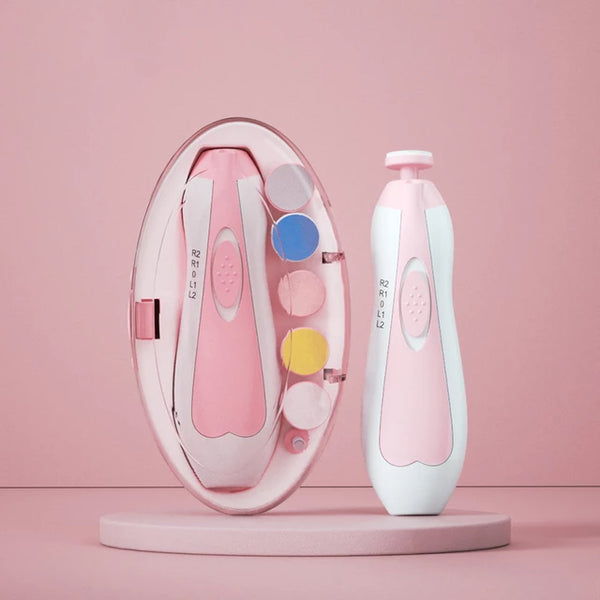
Blade shape and finish
The cutting edges should be fine and the outer tips rounded rather than pointed. Rounded tips are the single most important safety feature, because they cannot puncture skin even if a hand moves unexpectedly. Run a fingertip over the outside of the jaw; anything that feels sharp on the outside is the wrong shape for a baby nail clippers set.
Grip and handle
You will be holding the tool with one hand while steadying a moving finger with the other, quite possibly in poor light. A non-slip ergonomic grip that stays secure when your hands are slightly damp is worth more than any other refinement. Test whether you can hold it confidently with two fingers rather than a full fist.
Light where you need it
Nails are translucent and the quick underneath is hard to see, especially on a darker background or during an evening feed. A small LED aimed at the cutting area removes the guesswork. Parents who trim during naps rate this feature far higher than they expect to before trying it.
The file
A clipped edge always has microscopic corners. The file in a baby nail clippers set smooths those away, and for the first few weeks many parents skip the clipper altogether and simply file, because filing cannot cut skin at all. A fine grit is essential; a coarse adult board is far too aggressive.
Scissors for the awkward corners
Small rounded-tip scissors reach into the corners of a nail and along the sides where a clipper jaw will not sit flat. They also suit thumbnails, which are usually the thickest and most curved. A set without scissors leaves you improvising on exactly the nails that need the most care.
Case and storage
These are small items that disappear into a changing bag. A case keeps them together, protects the blade edges from being blunted against other objects, and keeps them clean. It also means the whole baby nail clippers set travels as one thing rather than four.
The WLD Store pick: Baby Nail Clippers Set
WLD Store lists this as a safe newborn nail trimmer kit. Everything below comes straight from the product listing:
- Category: Baby and Kids, listed under Baby Products.
- Brand: WLD. SKU: WLD-KSA-0098-(KD-075).
- Ultra-fine rounded blades with a non-slip ergonomic grip.
- LED light for visibility in low light.
- Includes scissors, a nail file and tweezers.
- Described as gentle enough for newborns.
- Available across Saudi Arabia with secure checkout.
Photographs and current availability are on the Baby Nail Clippers Set product page. If you are curious about why baby nails behave differently from adult ones, the general reference on the anatomy of the nail explains the structure clearly.
How to trim safely, step by step
The technique matters more than the tool. Work through these in order and the whole thing takes two or three minutes.
- Wash your hands and wipe the blades before you start.
- Sit somewhere with good light, or switch on the LED if the room is dim.
- Hold the hand so that one finger is isolated, with your thumb pressing the fingertip pad gently downwards and away from the nail.
- Look for the pale free edge; cut only within that pale band and never into the pink area.
- Take two or three small cuts across the nail rather than one wide cut, following the natural curve.
- Leave a whisker of white rather than trimming flush with the fingertip.
- Smooth the edge with the file, moving in one direction rather than sawing back and forth.
- Check each nail with your own fingertip; if it catches on your skin, file it a little more.
Stop if the baby becomes upset. There is no reason to finish all ten at once, and a baby nail clippers set is just as effective across two short sessions as one long one.
The best moment to trim
Timing is half the battle. The easiest window for most families is during deep sleep, roughly twenty minutes after the baby has settled, when hands are relaxed and open. Startle reflexes have usually faded by then.
The second-best window is straight after a bath. Nails are softer, so they cut cleanly rather than tearing, and most babies are calm. The trade-off is that damp fingers are slippery, so dry the hands thoroughly first.
Feeding time works well for some parents, particularly with a second adult present to hold the baby. Avoid trimming when a baby is hungry, overtired or already unsettled; you are not going to win, and a bad experience makes the next attempt harder for both of you.
Fingernails, toenails and how they differ
Fingernails grow noticeably faster than toenails and typically need attention every few days in the first months. Toenails may only need trimming every couple of weeks, so the two do not have to happen at the same time.
Shape differs too. Fingernails follow the natural curve of the fingertip and should be trimmed to that curve. Toenails should be cut straight across, because a rounded toenail corner is more likely to grow into the surrounding skin. The scissors in a baby nail clippers set are usually better than the clipper for a straight toenail cut.
Toenails are also thicker and more likely to look ingrown when they are simply short and soft. If a toe is red, swollen or clearly painful, that is a question for your doctor or health visitor rather than something to solve with a sharper tool.
Newborn to toddler: how the job changes
In the first two or three weeks, many parents file only. Newborn nails are so soft and so attached to the skin underneath that clipping carries more risk than benefit, and a fine file does the whole job safely.
From roughly a month, nails firm up and clipping becomes straightforward. This is the easiest phase, because babies of this age sleep deeply and do not object to having a hand held. Most parents settle into a rhythm of a quick trim twice a week.
Around six to twelve months, wriggling starts and technique matters more than tools. Isolating one finger at a time becomes essential, and short sessions beat thorough ones. Keeping the baby nail clippers set somewhere reachable helps, because the opportunity is often brief.
With toddlers, the useful trick is participation. Letting a toddler hold the file, choose which hand goes first, or count the fingers with you turns a struggle into a game. The tools stay the same; the negotiation changes completely.
When a trim is not the answer
Some situations are not tool problems. Persistent redness or swelling around a nail, pus, a nail that is lifting away, or a nail that seems painful to touch all warrant medical advice rather than a closer trim.
The same applies to any bleeding that does not stop quickly after a small nick. Minor nicks happen to almost everyone eventually; gentle pressure with a clean cloth is the normal response, and a plaster is not recommended for babies because of the choking risk if it comes loose.
If your baby is premature, has very fragile skin, or has any condition affecting the nails, ask your health visitor or doctor what they recommend before using a baby nail clippers set at all. This guide is general information, not medical advice.
Clippers, scissors or an electric file
Each format has a genuine strength. Clippers are fastest and give the cleanest edge on a firm nail, which is why they are the default from about a month onwards.
Scissors are more precise. They let you follow a curve, reach a corner and see exactly what is happening, which is why they suit thumbnails, toenails and any nail you are unsure about. Most parents end up using both tools from the same baby nail clippers set within a single session.
Electric files are the gentlest option and cannot cut skin, which is genuinely reassuring for a first-time parent. They are slower, they need batteries, and the buzzing wakes some babies. A manual file in a baby nail clippers set achieves the same safety with none of the noise, and costs far less.
Care and hygiene
These tools touch broken-in skin around tiny fingers, so cleanliness is not optional.
- Wipe the blades with an alcohol wipe or warm soapy water after every use, then dry fully.
- Never share a baby nail clippers set with adult family members or between children.
- Store the tools dry and closed; a damp case is where corrosion starts.
- Replace the file when it stops smoothing quickly, since a worn file encourages sawing.
- Check the blades every few weeks for nicks or dullness by trimming one of your own nails.
- Keep the whole set well out of a child’s reach, cased and latched.
A well-kept baby nail clippers set easily lasts through more than one child. It is the file that wears out first, not the steel.
Common problems and quick fixes
- You cannot see where the nail ends. Use the LED and reposition so light falls across the nail rather than behind it.
- The nail tears instead of cutting. The blade is dull or the nail is very soft. File instead for now and check the blade edge afterwards.
- The baby wakes every time. You are starting too early. Wait until limbs are fully floppy, usually about twenty minutes into a nap.
- The edge still scratches after trimming. The corners were not filed. Run the file over each edge until your own fingertip glides across it.
None of these mean the baby nail clippers set is faulty. Almost every early difficulty is about light, timing or finishing rather than the tool itself.
Buying checklist
- Are the outer tips of the clipper and scissors genuinely rounded?
- Does the grip stay secure in a slightly damp hand?
- Is there a light, and does it point at the cutting area rather than past it?
- Does the set include a fine file, not a coarse adult one?
- Is there a case that keeps everything together and clean in a changing bag?
Five yes answers describe a baby nail clippers set that will still be useful when your newborn is a toddler.
Building a trimming kit you will actually reach for
The best tool is the one within arm’s reach at the moment the opportunity appears. Babies do not schedule their deep naps, so a baby nail clippers set locked in a bathroom cabinet upstairs tends to go unused for weeks at a time.
Most parents settle on two locations. One set lives wherever naps usually happen, in a drawer beside the chair or the cot. A small pouch lives permanently in the changing bag for days out. Buying twice is unnecessary; simply moving the case with you works if you are disciplined about putting it back.
Pair the baby nail clippers set with two things that cost nothing: a small hand towel for drying damp fingers, and a soft cloth to catch clippings. Both remove the interruptions that most often stop a trim halfway through.
It also helps to group the tools by how you actually use them. Most parents reach for the file first, the clipper second, and the scissors only for thumbs and toes. Laying the baby nail clippers set out in that order in its case saves fumbling one-handed in dim light.
Keeping nails short between trims
Trimming is not the only lever available. Two small habits reduce how often you need to reach for the tools at all.
The first is filing little and often. Thirty seconds with the file every couple of days keeps edges smooth and means a full trim is needed far less frequently. It is also the least stressful part of the routine, so it is easy to keep up even on a bad week.
The second is checking after baths, when nails are soft and any rough corner is obvious to your own fingertip. Catching one snagging edge early avoids the scratch that prompts an urgent trim later. Used this way, a baby nail clippers set becomes quiet maintenance rather than a rescue mission.
Other Baby and Kids picks at WLD Store
Three more items from the same section, aimed at slightly older children.
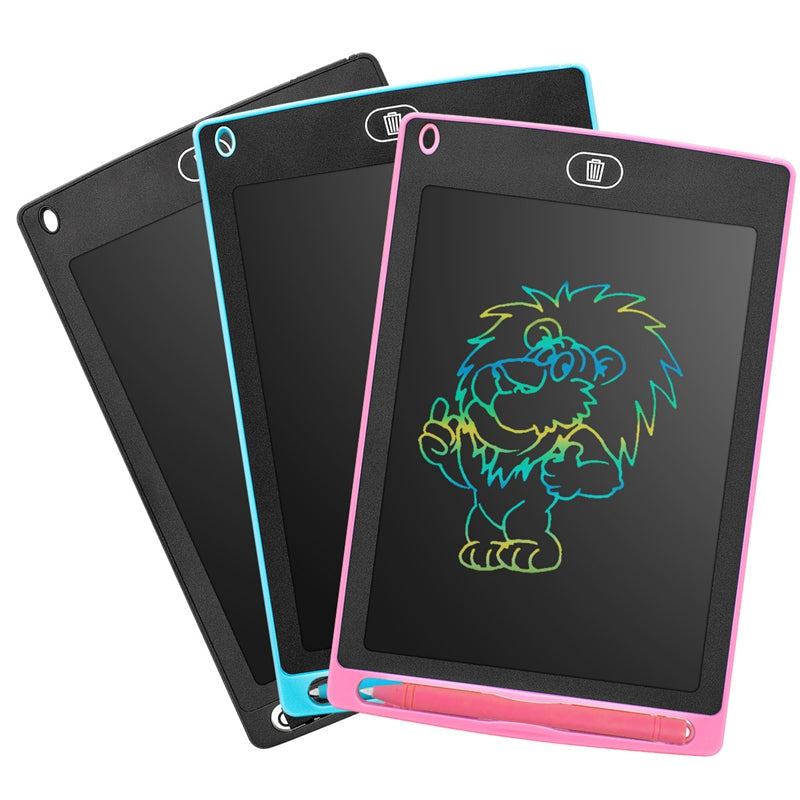
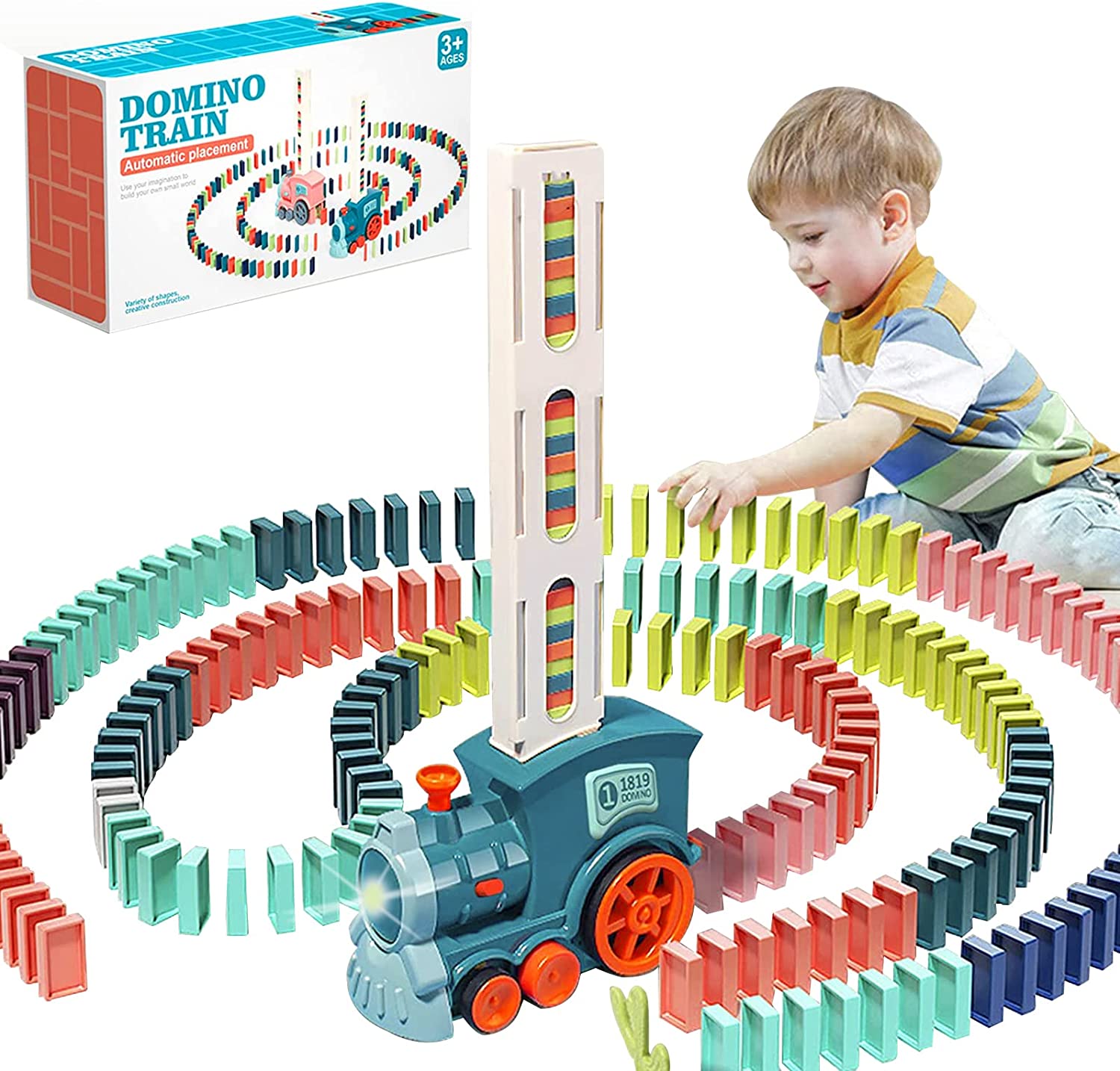
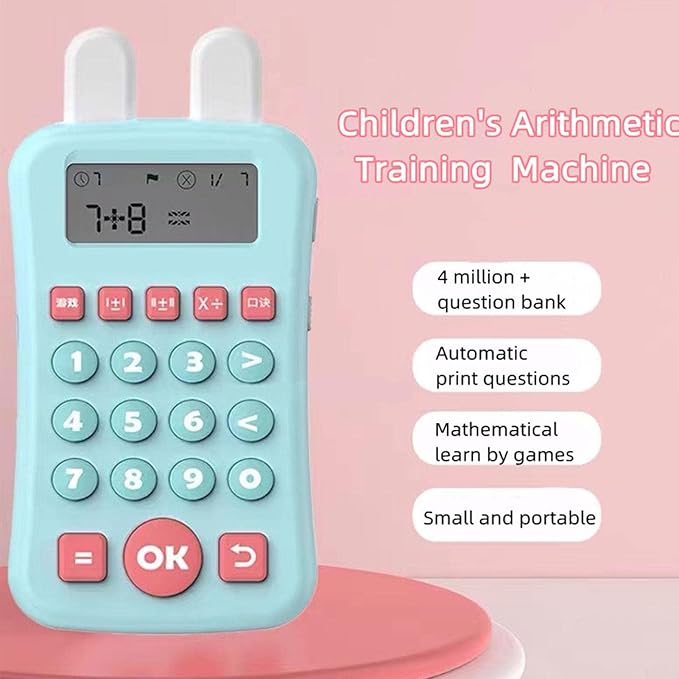
Frequently asked questions about a baby nail clippers set
When can I first trim a newborn’s nails?
Many parents file rather than clip for the first two or three weeks, because newborn nails are very soft and closely attached to the skin beneath. Filing carries no cutting risk at all, and a baby nail clippers set that includes a fine file covers this stage.
How often do baby nails need trimming?
Fingernails often need attention every few days, toenails perhaps every couple of weeks. Rather than following a schedule, run your fingertip over the nails and trim whenever an edge catches.
Is the LED light really necessary?
It is not essential, but it is the feature parents mention most after trying it. Trimming during a nap usually means dim light, and being able to see the pale free edge clearly is what stops you cutting too far.
What do the tweezers in the set do?
The WLD listing includes tweezers alongside the scissors and file. Tweezers are generally used for lifting a small splinter or removing a loose fragment of nail; they are not a trimming tool.
Can I use adult clippers instead?
It is not recommended. Adult jaws are too wide to see around and their corners are usually pointed. The narrow jaw and rounded tips in a baby nail clippers set exist precisely because the adult shape is unsuitable for small fingers.
What should I do if I nick the skin?
Apply gentle pressure with a clean cloth until it stops, which is usually quickly, and comfort the baby. Avoid plasters on small fingers because of the choking risk, and speak to a doctor if bleeding persists or the area later looks red or swollen.
Trimming tiny nails stops being stressful once you have the right shape of blade, decent light and a routine that fits your baby’s sleep. A well-chosen baby nail clippers set gives you all three. See the current listing on the product page, or browse more baby essentials in the Baby Products section.


Add comment