An oral irrigator is the small bathroom device that finally makes cleaning between your teeth feel effortless. Instead of threading string floss around your fingers, you aim a thin jet of water along the gum line and let pressure do the work.
This guide covers what an oral irrigator actually does, how it differs from floss, which features matter when you compare models, how to use one without soaking the mirror, and how to keep the tank and nozzle clean. There is also a buying checklist, a frank note on who does not need one, and six questions shoppers in Saudi Arabia ask before they order.
Why an oral irrigator has become a bathroom staple
Brushing reaches the flat outer surfaces of teeth well and the spaces between them badly. Dentists have spent decades telling patients to clean those gaps daily, and most people still do not. The reason is rarely ignorance. It is that traditional floss is fiddly, uncomfortable at the back of the mouth, and easy to skip when you are tired.
An oral irrigator removes almost all of that friction. You hold a handle, run a jet along the gum margin for under a minute, and you are done. Because the barrier to using it is so low, people who own one tend to actually use it, and consistency is what changes outcomes in oral care.
The second reason for the category’s growth is dental work. Anyone with braces, a bridge, an implant or a permanent retainer knows that string floss is close to unusable around fixed appliances. A water jet slips under wires and around abutments where nothing else easily reaches.
Comfort matters too. Gums that bleed when flossed often do so because floss is being snapped down rather than curved gently. A water jet applies pressure that you can dial down, which is why many people who gave up on flossing keep using an oral irrigator instead.
What makes a good oral irrigator
Oral irrigator models look similar in photos and behave very differently in a real bathroom. Four attributes decide whether one becomes a daily habit.
Tank capacity and runtime
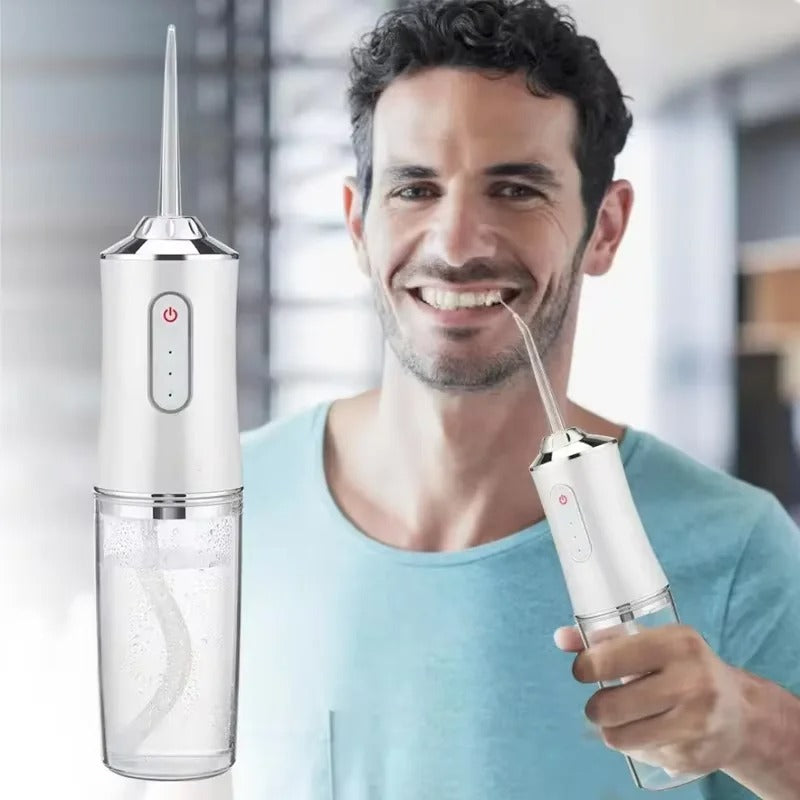
The water reservoir sets how long you can clean before refilling. A tank that empties halfway through a session is the single most common reason a device gets abandoned. Around 300ml is a sensible middle ground for one adult: enough for a full pass around both arches without a top-up, but still compact enough to sit on a shelf.
Larger tanks exist, but they make the unit bulkier and heavier in the hand. Smaller ones travel better and suit shorter sessions. Match the tank to how you will realistically use the device rather than to the biggest number on offer.
Nozzle design and reach
The nozzle is the part that does the work, and a rotating head is a genuine advantage rather than a marketing flourish. A 360 degree rotating nozzle lets you keep your wrist in one comfortable position while directing the jet up, down and sideways.
Reach around the rearmost molars is where cheap designs fail. If the nozzle cannot angle backwards, you end up cleaning the front of your mouth thoroughly and the back barely at all, which is exactly the wrong distribution of effort.
Power source and portability
Corded units tether you to a socket, which is often inconvenient in a bathroom with a single outlet already occupied. A USB rechargeable oral irrigator can be charged anywhere and used at the sink without cable management.
Rechargeable also means travel-friendly. A device that charges from the same cable as your phone is one less thing to pack, and that convenience is worth more than a small difference in raw pressure.
Extra heads and combined functions
Some units ship as a single-purpose water flosser. Others add attachments so the same handle covers more of the routine. A tongue cleaner is the most useful addition, because the tongue holds a large share of the bacteria responsible for bad breath and most people never clean it properly.
Judge these extras on whether you will genuinely use them. An oral irrigator with two attachments you use daily is better value than one with six that live in a drawer.
The WLD Store pick: 3 in 1 Oral Irrigator
WLD Store lists a three-function model that matches the priorities above. Here is exactly what the listing states, with nothing added or estimated:
- Product: 3 in 1 Oral Irrigator, sold under the WLD brand.
- Three functions: water flossing, whitening and tongue cleaning from one handle.
- Nozzle: a 360 degree rotating nozzle for angling the jet without twisting your wrist.
- Tank: a 300ml water reservoir.
- Power: USB rechargeable.
- Category: listed under Home & Kitchen, in the Kitchen Tools section.
- Availability: stocked for households across Saudi Arabia, including Riyadh, Jeddah and Dammam.
- SKU: WLD-KSA-0089-(KD-266).
Photographs, current availability and secure checkout are on the 3 in 1 Oral Irrigator product page.
How to use an oral irrigator without flooding the bathroom
Almost everyone sprays the mirror the first time they pick up an oral irrigator. The technique that avoids it is simple and takes one session to learn.
- Fill with lukewarm water. Cold water on sensitive teeth is unpleasant enough to put people off the habit entirely. Lukewarm is far more comfortable.
- Lean over the sink first. Get into position before switching on, with your chin down and your mouth slightly open so water runs out rather than pooling.
- Start on the lowest setting. Build up over a week. Beginning at full pressure is the fastest way to decide an oral irrigator is not for you.
- Place the nozzle before you switch on. Put the tip against the gum line with your lips closed around it, then start the motor.
- Work in a pattern. Trace the gum line tooth by tooth, pausing briefly in each gap. Outer surfaces first, then inner. A consistent route means nothing gets missed.
- Let the water fall out. Do not try to hold it in. Continuous drainage into the sink is what keeps the session tidy.
A full pass takes about a minute once the routine is familiar. Use the oral irrigator after brushing rather than before, so the jet flushes loosened debris away.
Where an oral irrigator fits in a daily routine
The order of operations is worth thinking through, because it affects how much benefit you get from the same two minutes.
Brushing comes first. It breaks up plaque on the tooth surfaces mechanically, which is something no water jet can replicate. An oral irrigator then flushes what the brush dislodged out of the gaps rather than leaving it to settle.
If the device has a tongue cleaning attachment, use it last. Working front to back on the tongue surface and rinsing afterwards makes a noticeable difference to morning breath, and doing it at the end avoids redistributing anything you have just removed.
Evening is the better slot for most people. Saliva flow drops overnight, so anything left between the teeth at bedtime sits there for eight hours. If you only manage one session a day, make it the last thing before bed.
Care and maintenance
An oral irrigator moves water through narrow channels, which means the enemy is stagnation rather than wear.
Empty the tank after every session. Water left standing in a warm bathroom is exactly the environment that encourages growth, and an emptied reservoir dries out harmlessly between uses. Leave the lid open so air circulates.
Run the unit briefly with clean water at the end of each session to clear the internal line. Ten seconds is enough, and it stops mineral deposits building where you cannot see them.
Once a fortnight, fill the tank with warm water and a small amount of white vinegar, run about half through, then rinse thoroughly with plain water twice. Hard water areas need this more often than soft water areas.
Rinse and dry the nozzle after each use, and replace it when the tip looks worn or the jet begins to spray sideways. Store the handle upright so residual water drains rather than pooling inside.
Charge before the battery is completely flat rather than running it to zero every time. Lithium cells last longer with partial cycles, and a USB rechargeable oral irrigator is easy to top up while you shower.
Common problems and quick fixes
- The jet is weak or sputtering. Usually air in the line after a refill. Point the nozzle into the sink and run it for a few seconds until the flow steadies. If it persists, check the nozzle for a blockage.
- Gums bleed during the first week. This is common when interdental cleaning starts after a long gap and normally settles within days. Reduce the pressure setting. If bleeding continues beyond two weeks, see a dentist.
- Water sprays everywhere. The nozzle is being switched on outside the mouth or the lips are too open. Close your lips around the tip before starting and keep your chin over the sink.
- Runtime is dropping. Either the battery needs a full charge cycle or the tank is being underfilled. Charge fully, then time a session with a full 300ml tank to see which it is.
An oral irrigator compared with string floss
This is the comparison most shoppers actually want, and the honest answer is that the two do overlapping but not identical jobs.
String floss has one clear advantage: it physically scrapes the tooth surface on each side of the gap. A water jet flushes rather than scrapes, so for tight contacts between healthy teeth, floss removes adherent film more decisively.
An oral irrigator wins almost everywhere else. It reaches under bridges, around implants and through braces. It is far gentler on inflamed gums. It takes less time, requires no dexterity, and it is dramatically easier to keep doing every single night.
Dental professionals generally treat a water jet as an excellent addition to brushing rather than a total replacement for floss. If you currently floss well and enjoy it, keep going. If you do not floss at all, an oral irrigator you will actually use beats perfect floss technique you will not. General background on the wider subject is available on the oral hygiene reference page.
Understanding pressure settings
Pressure is the setting people misunderstand most, and getting it right is the difference between a device you enjoy and one you resent.
The instinct is to assume higher pressure cleans better. It does not, past a certain point. Once the jet is strong enough to lift debris out of a gap, extra force mainly adds discomfort and splash. What actually improves results is holding the tip in each space for a moment longer.
Start at the lowest setting for the first three or four sessions. Gums that are not used to interdental cleaning need time to firm up, and pushing hard early is the main reason people describe an oral irrigator as painful.
Move up one level at a time, and only when the current level feels comfortable throughout the whole mouth. Many adults settle in the lower-middle of the range permanently, which is completely normal rather than a sign of a sensitive mouth.
Sensitive areas deserve individual treatment. If one tooth or one section of gum reacts badly, drop the pressure for that area rather than for the whole session. An oral irrigator gives you that control, which string floss does not.
Travelling with an oral irrigator
A rechargeable unit travels far better than a corded one, but there are a few habits worth adopting before it goes in a bag.
Empty and dry the tank completely before packing. Water sealed inside a warm case for a day is unpleasant to open, and a damp reservoir is the one condition this device really does not tolerate.
Charge it fully the night before rather than relying on finding a socket at the other end. A full charge on an oral irrigator typically covers several days of normal use, which is usually enough for a short trip without carrying the cable at all.
Pack the handle with the nozzle removed and stored separately. Nozzles are the part most likely to snap under pressure in luggage, and a bent tip sprays sideways permanently.
At the destination, use bottled or filtered water if the local supply is very hard. Mineral-heavy water accelerates deposit build-up inside the channels, and a short trip is not the moment to discover that.
Who does not need one
It is worth being clear about the cases where this purchase makes less sense.
If you have no dental work, no crowding and you already floss every night without difficulty, an oral irrigator adds convenience but not much else. Your routine is already working.
Anyone with a specific dental condition should ask their dentist first. Recent oral surgery, active gum disease under treatment or particular restorations can all come with instructions that override generic advice, and a dentist who knows your mouth is a better guide than any buying guide.
Households short on counter space should also think it through. The device needs a home near a socket for charging and a spot where the tank can dry. A unit stored in a cupboard between uses tends to become a unit that is never used.
Buying checklist
- Is the tank big enough for a full session? Around 300ml suits one adult without a mid-session refill.
- Does the nozzle rotate? A rotating head is what makes back molars reachable without awkward wrist angles.
- How does it charge? USB rechargeable means one cable for travel and no fight for a bathroom socket.
- Will I use the extra attachments? Count only the functions you know you will use daily.
- Where will it live? Confirm a shelf near a socket with room for the tank to air-dry between sessions.
Other home and kitchen picks at WLD Store
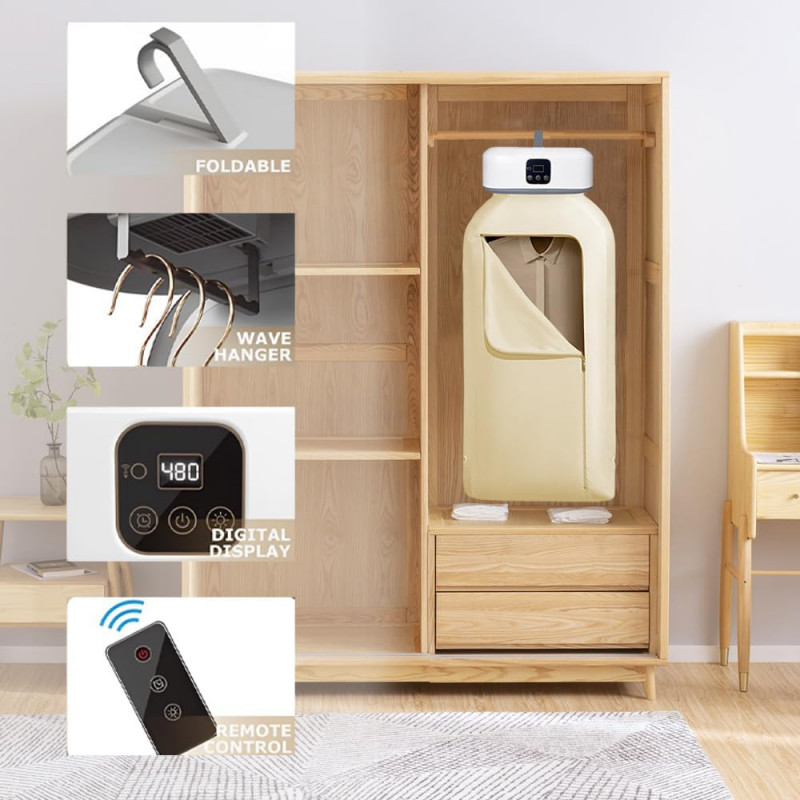
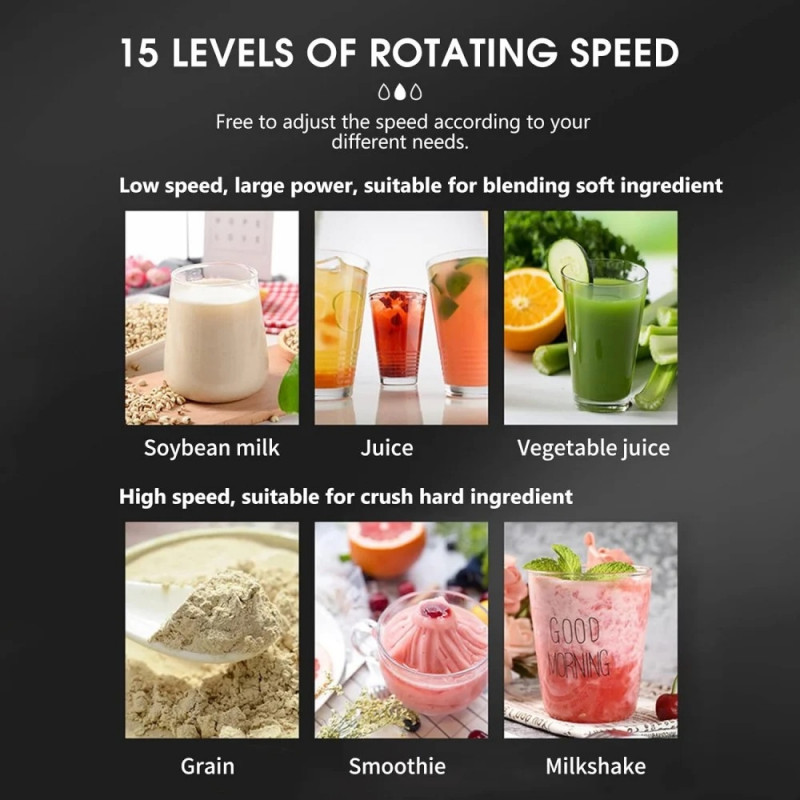
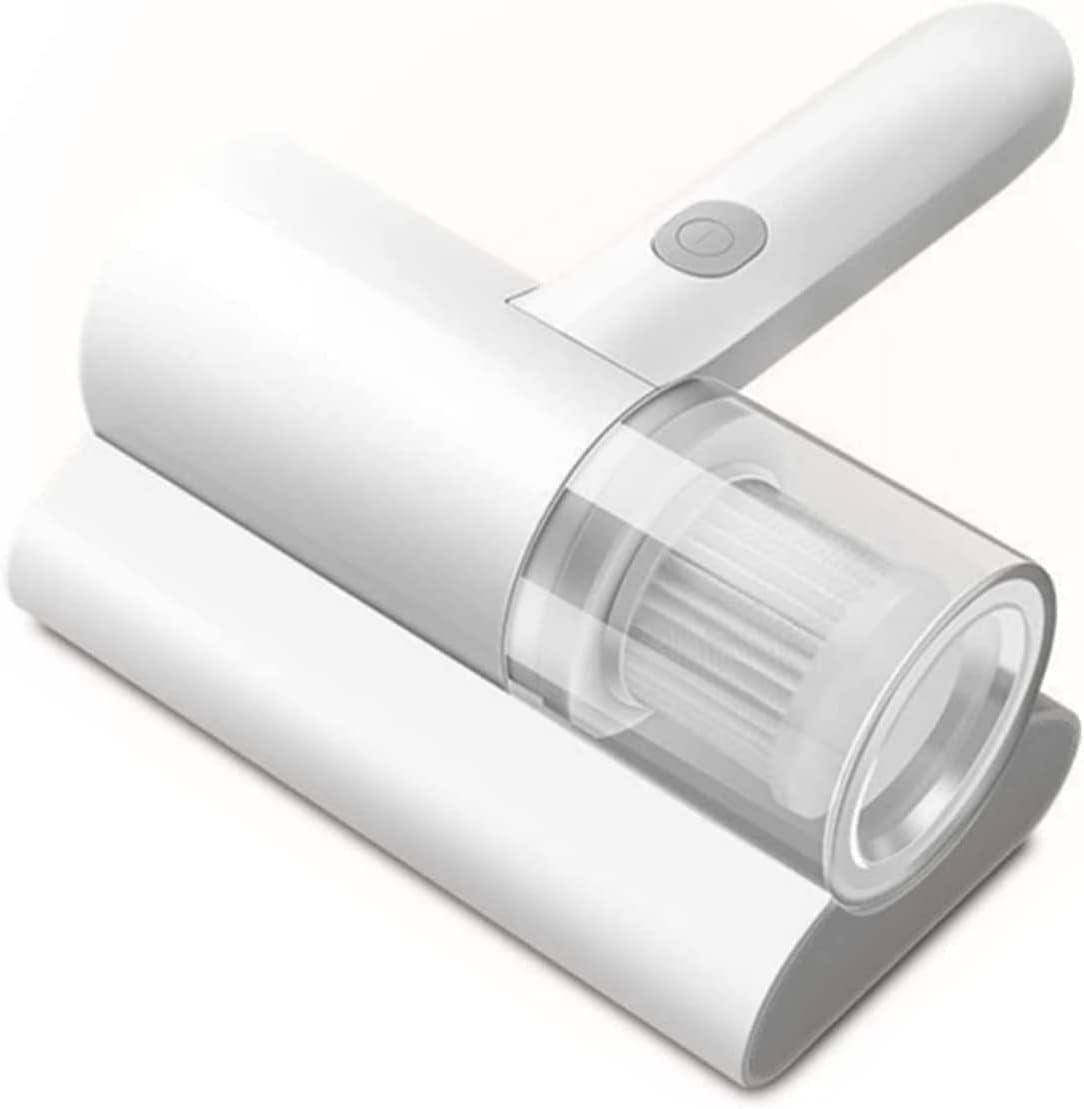
These related listings sit in the same Home & Kitchen range if you are browsing more widely.
Frequently asked questions about the oral irrigator
Does an oral irrigator replace brushing?
No. Brushing removes plaque from tooth surfaces mechanically, and nothing about a water jet changes that. Think of the device as the step that comes after brushing, cleaning the gaps a brush cannot enter.
How long does one tank of water last?
A 300ml tank generally covers a full pass around both the upper and lower arches for one adult. Higher pressure settings empty the reservoir faster, which is another reason to start low and increase gradually.
Can children use an oral irrigator?
Older children usually can, on the lowest setting and with an adult supervising the first few sessions. Younger children tend to struggle with keeping the tip in place, so a dentist’s opinion on the right age for a specific child is the sensible starting point.
Should I use mouthwash in the tank instead of water?
Plain lukewarm water is the safest default and the easiest on the internal channels. Some people dilute mouthwash heavily, but anything other than water leaves residue, so a thorough rinse cycle afterwards becomes essential rather than optional.
Why do my gums bleed when I start using one?
Gums that have not been cleaned between the teeth for a while are often mildly inflamed, and any new cleaning disturbs them. This usually settles within a week or two of consistent, gentle use at a low setting. Persistent bleeding is a reason to see a dentist rather than to stop.
How often should the nozzle be replaced?
Replace it when the tip shows visible wear, when the jet loses its narrow shape, or when it starts spraying at an angle. Rinsing and drying the nozzle after every session on your oral irrigator extends its useful life considerably.
Used consistently, an oral irrigator turns the most-skipped step in oral care into the easiest one, and that shift in habit is worth more than any single feature on a spec sheet. You can view the current listing on the 3 in 1 Oral Irrigator page or explore the wider catalogue in the Kitchen Tools section, with secure checkout and availability across Saudi Arabia.



Add comment