A portable tire inflator is the one piece of car equipment that earns its place before you ever have a puncture. Correct pressure is checked in a driveway, not at the roadside, and a compact compressor in the boot turns a five-minute job into something you will actually do.
This guide covers why pressure matters more in Saudi heat than almost anywhere else, how a portable tire inflator differs from a petrol-station airline, what to look for in gauges, power and auto-shutoff, the correct way to inflate a tire, a maintenance routine, and six questions answered for drivers in Saudi Arabia.
Why tire pressure deserves your attention
An underinflated tire flexes more than it should as it rolls. That flexing generates heat, and heat is what destroys tires. On a long drive at highway speed, the difference between correct pressure and low pressure is the difference between a tire that lasts and one that fails.
Fuel economy suffers too. A soft tire has a larger contact patch and more rolling resistance, so the engine works harder to maintain the same speed. It is one of the cheapest efficiency gains available to any driver.
Wear patterns tell the same story. Underinflation scrubs the shoulders of the tread while the centre stays fresh; overinflation does the opposite. Either way you throw away tread you paid for.
Then there is handling. Braking distance, steering response and stability in a sudden lane change all depend on tires being at the pressure the manufacturer specified. A portable tire inflator is how you keep that number where it belongs between services.
Why Saudi heat changes portable tire inflator readings
Air expands when it warms. That is basic physics, and it has practical consequences on a road surface that can be far hotter than the air temperature.
Pressure readings taken after an hour of driving in summer will be noticeably higher than readings taken at dawn. This is why the correct habit is to check tires cold, before the car has been driven more than a couple of kilometres.
Some drivers see a high hot reading and let air out, then find themselves badly underinflated the next morning. Owning a portable tire inflator makes the correct routine easy, because you can top up at home when the tires are cold instead of guessing at a station.
Long drives across open desert road add another reason. There are stretches where the next working airline is a long way away, and a compressor in the boot is worth more there than anywhere else.
How a portable tire inflator works
Inside a portable tire inflator is a small electric motor driving a piston. The piston compresses air and pushes it through a hose into the valve, exactly like a scaled-down version of the compressors used in workshops. The general principle is described on the Wikipedia page for air compressors.
What distinguishes a modern portable tire inflator from an older 12-volt pump is the control electronics. A digital sensor reads the pressure in the tire, compares it with the target you set, and stops the motor when the two match.
That automation matters more than raw speed. Without it you are watching a needle and guessing when to stop, which is where most overinflation comes from.
What makes a good portable tire inflator
Every portable tire inflator photographs almost identically. Five practical things separate one that lives in your boot for years from one that fails when you need it.
An accurate, readable gauge
The gauge is the whole point of the device. A digital display that reads clearly in bright sunlight is worth far more than one extra unit of claimed pressure.
A useful habit is to cross-check a new portable tire inflator against a separate pencil gauge once. If the two agree closely, you can trust the display from then on.
Automatic shutoff at the target pressure
Preset the number, connect, press start, and walk back to the driver’s door. When the tire reaches the target the motor stops on its own.
This is the single feature that turns pressure checking from a chore into a routine. A portable tire inflator without it demands constant attention and invites mistakes.
Power source and cordless convenience
Cordless units run on an internal battery and can be carried around the car freely, which matters when a rear tire is parked awkwardly against a kerb. Corded units draw from the 12-volt socket and never run flat.
Both are valid. What matters is that you know which you have and keep it ready: a cordless portable tire inflator should be charged periodically even when unused, because a flat pump helps nobody.
Hose, nozzle and adaptors
A short hose forces the body of the unit to hang off the valve, which is awkward and puts strain on the valve stem. A slightly longer hose lets the unit sit on the ground while it works.
The screw-on brass connector should thread cleanly onto the valve without leaking. Adaptors for bicycle valves, sports balls and inflatable beds turn a portable tire inflator into a general household tool.
Heat management and duty cycle
Small compressors get hot. A good one manages that heat with venting and a sensible duty cycle, so it can bring a very soft tire up to pressure without stopping.
Inflating four tires in a row is more demanding than any single tire. If a unit needs a pause between tires, that is normal; give it one rather than pushing through.
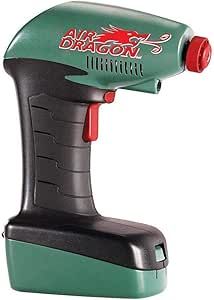
The WLD Store pick: Portable Air Dragon Tire Inflator Compressor
WLD Store lists this model for drivers in Saudi Arabia. The following comes from the product listing itself, with nothing added.
- Product: Portable Air Dragon Tire Inflator Compressor
- Category: Automotive, filed under Car Accessories
- Brand: WLD
- SKU: WLD-KSA-0049-(KD-KD0168)
- Gauge: described as having a digital pressure gauge
- Control: listed with auto-shutoff at the target PSI
- Format: presented as a compact cordless design
- Stated compatibility: car tires, bike tires and sports equipment
- Market: available across Saudi Arabia
Current photographs, options and stock status are on the Portable Air Dragon Tire Inflator Compressor product page. Anything beyond the points above is not stated by the listing, so treat other claims with care.
How to use a portable tire inflator correctly
The sequence matters with any portable tire inflator. Doing it in this order gives an accurate result every time.
- Find your target pressure first. It is printed on a placard inside the driver’s door frame or in the owner’s manual, not on the tire sidewall. The sidewall number is a maximum, not a recommendation.
- Check cold. Park the car for a few hours, or check first thing in the morning before driving.
- Remove the valve cap and put it somewhere you will not lose it. A pocket, not the roof.
- Thread the connector on squarely. A brief hiss while connecting is normal; a continuous hiss means it is not seated.
- Set the target on the display, then start the motor and let the auto-shutoff do its work.
- Disconnect quickly and refit the cap. Repeat for the remaining tires, and do not forget the spare.
Work around the car in the same order each time. It sounds trivial, and it is the reason people do not end up inflating one tire twice and another not at all.
What the numbers on the sidewall actually mean
This causes more confusion than anything else about tire pressure, so it is worth being clear.
The pressure moulded into the sidewall is the maximum the tire is rated to hold, usually at maximum load. It is a safety limit set by the tire maker.
The number you should actually use comes from the vehicle manufacturer, on the door placard. It is chosen for your car’s weight, suspension and handling balance, and it is normally well below the sidewall maximum.
Inflating to the sidewall number gives a harsh ride, reduced grip and a tire that wears down the centre of the tread. Set the placard figure on your portable tire inflator and ignore the sidewall unless you are checking you have not exceeded it.
Using a portable tire inflator beyond car tires
A portable tire inflator quickly becomes the household tool nobody expected. Bicycle tires are the obvious second use, provided the right valve adaptor is included.
Footballs, basketballs and volleyballs take a needle adaptor and a very light touch, because they need a tiny fraction of the pressure a car tire does. Set the lowest target the unit allows and check by feel.
Air beds, pool floats and camping mattresses inflate faster with a compressor than with lungs, though a high-volume low-pressure pump is better suited if you do it often.
Motorcycle and scooter tires are well within reach of most units. Truck and heavy commercial tires generally are not, and forcing a small compressor to try is how motors burn out.
Care and maintenance of a portable tire inflator
A portable tire inflator spends most of its life ignored in a boot, which is exactly why a small routine keeps them working.
Charge a cordless portable tire inflator every couple of months even if you have not used it. Lithium cells self-discharge, and the day you need it is the day you did not plan for.
Keep it out of direct sun inside the cabin. A closed car in a Saudi summer reaches temperatures that are hard on batteries and plastics; the boot is cooler and safer.
Coil the hose loosely rather than folding it. Sharp creases eventually crack, and a leaking hose is the most common reason a working pump stops reaching target pressure.
Wipe dust off the housing and keep the air intake clear. Fine sand is the enemy of any compressor, and a blocked intake makes the motor work harder for less air.
Store the adaptors with the unit in its case. Loose needle adaptors are lost within weeks otherwise.
Common portable tire inflator problems and quick fixes
- It runs but pressure does not rise. The connector is not sealed on the valve. Unscrew, reseat squarely and try again; listen for a continuous hiss.
- The reading differs from the petrol station gauge. Station gauges are frequently out of calibration. Cross-check with a separate handheld gauge before assuming your unit is wrong.
- It stops before reaching the target. Usually thermal protection after a long run. Let it cool for several minutes, then continue.
- It will not power on. For cordless units, charge fully; for corded units, check the socket fuse, which is a far more common failure than the pump itself.
What a portable tire inflator will not do
Being clear about limits prevents roadside disappointment. A compressor adds air; it does not repair anything.
A tire with a nail in it can often be inflated enough to reach a workshop, but it will deflate again. That is a get-you-home measure, not a fix, and it is not safe at high speed.
A tire with a sidewall cut, a bulge or damage from being driven flat should not be reinflated and driven on at all. Fit the spare and have it inspected.
A completely flat tire that has been rolled on may have unseated from the rim. A small portable tire inflator usually cannot deliver the sudden volume needed to reseat a bead, and that is a job for a workshop.
When a pressure drop means a leak
Every tire loses a little air over time. Rubber is slightly permeable, temperature swings move the numbers, and a drop of one or two units over a month is entirely normal.
What is not normal is one tire that behaves differently from the other three. If you top up the same corner every week while the rest hold steady, you have a slow leak rather than a general loss.
The usual culprits are a nail you have not noticed, a corroded valve stem, or a poor seal between the tire bead and an alloy rim that has started to oxidise. None of them fix themselves.
Keeping a portable tire inflator at home makes this easy to spot, because you are looking at real numbers each month instead of guessing from how the tire looks. A tire can lose a quarter of its pressure and still look completely normal from the driver’s seat.
Once you have identified the corner that keeps dropping, have it inspected. Topping it up indefinitely is treating the symptom, and a slow leak has a habit of becoming a fast one at the worst moment.
A five-minute monthly routine
Habit beats intention. The drivers who never have pressure problems are the ones who have turned the check into something small and fixed rather than something they mean to get around to.
Pick a regular slot, such as the first weekend morning of each month, before the car has been driven. Fetch the portable tire inflator, the door placard number and your phone light if it is early.
Work clockwise from the driver’s front wheel. Check, top up, refit the cap, move on. Four tires take about four minutes once you have done it twice.
Add the spare every second or third month. A spare that has quietly deflated over two years is the classic discovery at exactly the wrong moment, and it takes thirty seconds to prevent.
Buying checklist
- Is the display readable in direct sunlight, where you will actually use it?
- Does it stop automatically at a preset pressure, or does it need watching?
- Cordless or 12-volt: which matches how and where you park?
- Is the hose long enough for the unit to rest on the ground while it works?
- Are bicycle and sports adaptors included, and is there a case to keep them in?
Other car accessory picks at WLD Store
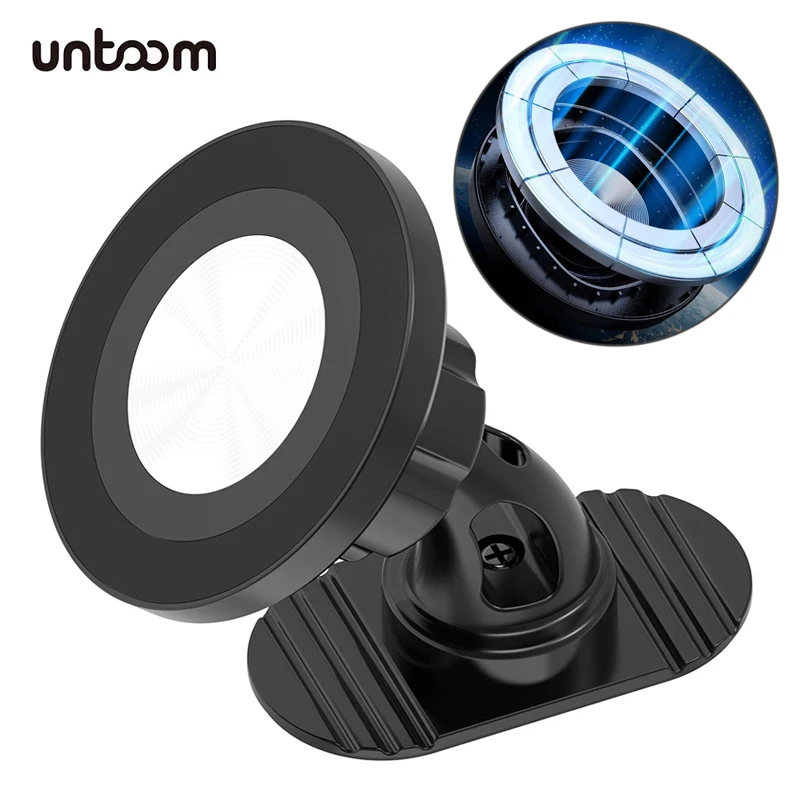
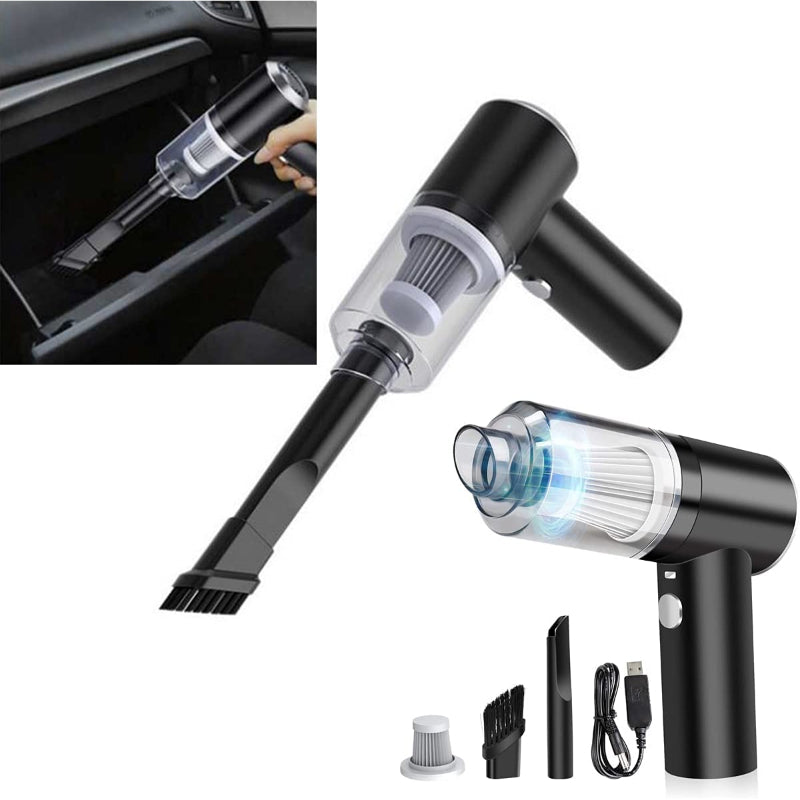
If you are putting together a boot kit, these three listings sit in the same part of the catalogue.

Frequently asked questions about the portable tire inflator
How often should I check my tire pressure?
Once a month is a sensible baseline, and before any long drive. Tires lose air slowly all by themselves, so a monthly top-up with a portable tire inflator is normal maintenance rather than a sign of a leak.
Should I check tires hot or cold?
Cold, meaning the car has been parked for several hours or driven less than a couple of kilometres. Pressures rise as tires warm, and adjusting a hot tire to the placard number leaves it underinflated once it cools.
Can a portable tire inflator inflate a completely flat tire?
Usually yes, if the tire is still seated on the rim and the damage is a slow leak rather than a tear. Expect it to take several minutes and expect the unit to get warm.
Is PSI or bar the right unit?
Either, as long as you match the placard. Most units let you switch, and mixing them up is the most common cause of a wildly wrong reading. Set the unit once and leave it.
Will it work on bicycle tires?
With the correct valve adaptor, yes. Bicycle tires run at much higher pressures than car tires, so check what maximum your particular portable tire inflator supports before relying on it for a road bike.
Where should I keep it in the car?
In the boot, in its case, rather than in the cabin where sunlight and heat are harsher. Somewhere you can reach without unloading luggage is ideal, because the whole point is that using it stays easy.
A portable tire inflator is a small investment that protects a much larger one, since tires are among the most expensive consumables a car has. Choose one for gauge clarity and reliable auto-shutoff, keep it charged, and check pressures cold once a month. You can review the current listing on the product page or browse the wider automotive range in the Car Accessories section.




Add comment