A kitchen utensils set is how most people go from an empty drawer to a working kitchen in a single purchase. Buying tools one at a time sounds sensible until you are halfway through a recipe with nothing to turn the meat with.
This guide covers what a complete collection should actually contain, which materials suit which pans, how to store the tools so the drawer stays usable, and what a set will not cover. It also introduces the 19-piece set WLD Store stocks for Saudi Arabia, with a buying checklist and six common questions.
Why buy a kitchen utensils set rather than single tools
The first argument is simply coverage. Cooking is a sequence of small physical tasks: lifting, turning, straining, whisking, scraping, serving. Missing one tool interrupts the whole sequence, and a kitchen utensils set is designed so no obvious gap is left open.
The second is consistency. Tools bought together usually share a handle style, a heat rating and a hanging loop, so they behave predictably. Tools bought over three years rarely do, and you end up learning which spatula melts and which handle gets hot.
The third is the moment of need. New flats, newly married couples and anyone moving city all face the same week where nothing exists yet. A kitchen utensils set turns that from a shopping project into one delivery, which is exactly why it is such a common housewarming and Eid gift.
The last argument is storage. A matching collection usually comes with a holder or hanging arrangement, so the tools live somewhere sensible instead of tangled in a drawer with the tin opener.
What makes a good kitchen utensils set
Sets vary far more than the photographs suggest, and piece count is the least useful number on the box. These are the things worth examining before choosing any kitchen utensils set.
What the pieces actually are
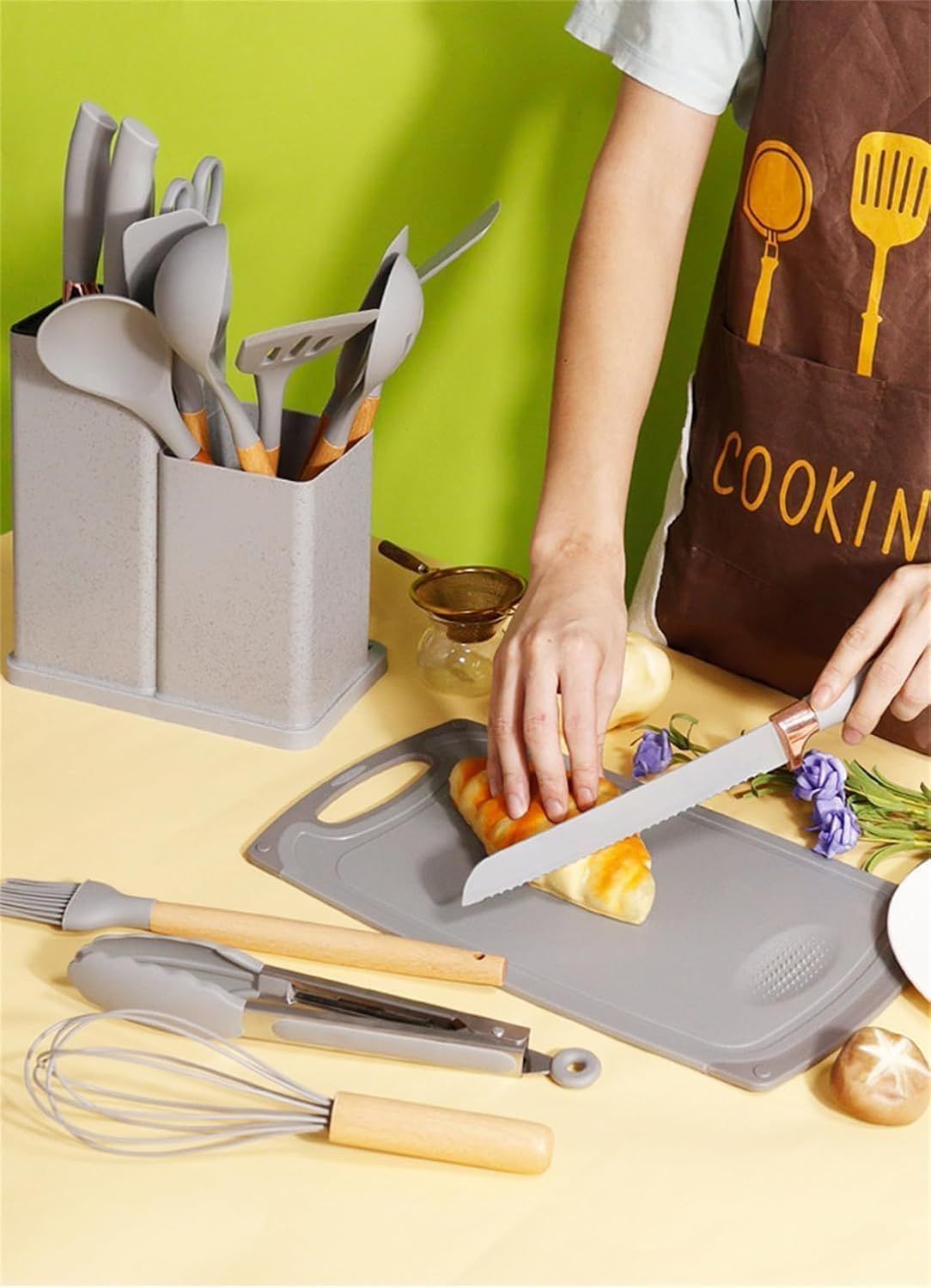
A high piece count can hide duplication. Two similar spoons and three near-identical spatulas add to the total without adding capability. Read the list rather than the number, and check for the tools you genuinely use: a turner, a slotted spoon, a ladle, tongs, a whisk and something for scraping a bowl clean.
Material and pan compatibility
This is the decision that matters most. Silicone and nylon are gentle on non-stick coatings; stainless steel and metal edges are not. Wood is kind to pans but needs hand washing. If your pans are coated, a soft-edged kitchen utensils set is not a preference, it is a requirement.
Heat resistance
Every listing in this category mentions heat-resistant materials, and the number that matters is the maximum temperature printed on the packaging. A utensil left resting in a hot pan is the situation that finds the limit, and a tool that softens once never recovers its edge.
Handles and grip
Handle length decides whether your knuckles sit above a hot pan or beside it. Thickness decides comfort during a long stir. A hanging loop decides whether the tool ends up on a rail or at the back of a drawer. None of this appears in a specification list, so judge it in the hand where you can.
Cleaning and construction
One-piece tools have nowhere for food to hide. Tools with a joint between head and handle collect residue exactly there, and that seam is also where they eventually fail. Check whether the packaging says dishwasher safe, and treat that as the manufacturer’s own guidance rather than an assumption.
The WLD Store pick: Kitchen Utensils 19-Piece Set
For readers who want a specific product, this is the set WLD Store stocks for the Saudi market. Everything below comes from the product listing, with nothing added.
- Product: 19 PC Kitchen Utensils Set, described as a comprehensive cooking tool collection.
- Contents: the listing names spatulas, tongs, ladles and whisks among the pieces.
- Materials: the listing describes heat-resistant, dishwasher-safe materials.
- Suggested use: the listing positions it for new homes, newlyweds and Eid gifts.
- Category: Home & Kitchen, also listed under Kitchen Tools. Brand: WLD.
- SKU: WLD-KSA-0023-(KD-KD0121).
- Market: available across Saudi Arabia through secure checkout.
Current images, the full piece list and the order page are on the Kitchen Utensils 19-Piece Set product page. Exact dimensions, the specific polymer used and the stated maximum temperature are things to confirm on that page and on the packaging rather than take from a guide.
What 19 pieces usually covers, and what it does not
It helps to know where a large kitchen utensils set stops, because no collection is truly complete on its own.
Usually covered: turning, stirring, serving, straining, whisking, tossing salad, scraping bowls and basic measuring. That is the daily core of most home cooking and it is where a set earns its place.
Usually not covered: knives worth using, a chopping board, a colander, a can opener, a peeler and a grater. These are bought separately almost every time, and a first kitchen still needs them.
Sometimes covered: a masher, a pizza cutter, a basting brush and measuring spoons. Read the listing rather than assuming, since these are the pieces that vary most between sets.
Plan on a kitchen utensils set plus a knife, a board and a peeler as the realistic minimum for a working kitchen. That combination handles almost everything a home cook does in a normal week.
Matching a kitchen utensils set to your pans
The single most expensive mistake in this category is putting metal tools into coated pans. It is worth being precise about what goes with what.
Non-stick and ceramic-coated pans. Use silicone, nylon or wood only. One careless scrape with a metal edge creates a scratch that spreads, and once the coating is broken the pan is on a countdown.
Stainless steel pans. Tolerant of almost anything, including metal. This is where a stainless tool is genuinely better, because you can scrape the browned base of a pan without worrying.
Cast iron. Metal and wood are both fine. Avoid soft silicone for scraping, since it flexes instead of lifting what has stuck.
Enamelled cast iron. Treat it like a coated pan and keep metal edges away, because enamel chips rather than scratches.
If your cupboard is a mixture, the safe default is a soft-edged kitchen utensils set plus one or two stainless tools kept specifically for steel pans.
Storing a kitchen utensils set so the drawer stays usable
A collection of nineteen items becomes a problem if it has nowhere to live. There are three workable approaches and one that always fails.
A crock or holder on the worktop. Fast to reach, and the tools you use most stay visible. It takes worktop space and collects cooking dust, so wash the holder occasionally.
A rail with hooks. Excellent use of wall space and very easy to keep tidy, provided every tool in the set has a hanging loop.
A deep drawer with a divider. Keeps the worktop clear and works well if you separate a kitchen utensils set into daily tools and occasional tools, storing the occasional ones elsewhere.
What fails is one undivided drawer holding everything. Tools tangle, the drawer jams, and you buy a second spatula because you cannot find the first.
Care and maintenance for a kitchen utensils set
These are low-maintenance items, which is precisely why they get treated badly until something warps or stains.
Wash before first use. Warm soapy water, rinse, dry. This removes manufacturing residue and is worth doing even with dishwasher-safe pieces.
Do not leave tools resting in hot pans. This is the main cause of warped, softened or discoloured utensils. Use a spoon rest and the tools last for years.
Dry wooden pieces immediately. Wood should never soak or go in a dishwasher. Wash, rinse, dry with a cloth, and oil occasionally with a food-safe oil if the piece is untreated.
Watch the joints. On any tool with a separate head and handle, check the seam for trapped food and for movement. A wobbling head means the tool is near the end of its life.
Retire damaged pieces. A melted spatula edge, a cracked handle or a rough silicone surface that will not come clean should be replaced rather than tolerated.
Setting up a new kitchen in the first week
Unpacking a kitchen utensils set is the easy part. Deciding where each piece lives is what determines whether the kitchen feels organised a month later.
Day one: wash and sort. Wash everything, dry it, then lay the whole collection on the worktop and split it into two piles: tools you will use this week and tools you will use occasionally.
Day two: place the daily pile. The everyday tools go in a holder beside the hob or on a rail within arm’s reach. If you have to cross the kitchen to reach a turner, you will end up using a fork instead.
Day three: store the rest. Occasional pieces go into a drawer with a divider. This is where most of a nineteen-piece kitchen utensils set should live, and that is fine.
End of the first month: adjust. Anything in the daily holder you have not touched goes to the drawer, and anything you keep fetching from the drawer moves to the holder. Two minutes of honesty here saves a year of small irritations.
Reading a listing without being misled
Descriptions in this category use a fairly standard vocabulary, and knowing what each phrase does and does not promise helps you compare fairly.
“Complete” or “comprehensive” describes the intent of the collection, not a guarantee that nothing else is needed. Knives, boards and peelers are usually outside any kitchen utensils set.
“Heat resistant” always refers to a specific temperature printed on the packaging. If the figure is not on the listing, look for it on the box before using the tools in a very hot pan.
“Dishwasher safe” is the manufacturer’s own guidance and is worth following exactly, including any note about which rack to use.
“Non-stick safe” means soft-edged materials such as silicone or nylon. Where a set mixes materials, check each piece rather than trusting the headline.
Piece counts sometimes include the holder, spare heads or measuring spoons. None of that is dishonest, but it does mean two sets with the same number can differ a lot in what they actually do.
Common problems and quick fixes
- Tomato or turmeric staining on silicone. Cosmetic rather than harmful. Wash promptly, and a spell in direct sunlight often lightens it considerably.
- A utensil has warped. It was left in a hot pan or run through a very hot dishwasher cycle. Warped tools do not recover, so replace that piece.
- A greasy film that will not wash off. Very hot water plus a degreasing detergent, and check the dishwasher is not overloaded, which stops water reaching everything.
- The holder tips over. Too many long tools on one side. Redistribute the weight, or move the longest pieces from the kitchen utensils set to a drawer.
- Handles feel hot. The tool is resting against the pan rim while cooking. Lift it out between stirs rather than parking it in the pan.
Buying a kitchen utensils set as a gift
This is one of the safest practical gifts available, and it is worth knowing why it works and when it does not.
It works because it needs no sizing, no colour matching and no knowledge of the recipient’s taste. For a new home, a new marriage or a first flat, a kitchen utensils set fills a real gap on day one rather than sitting in a cupboard.
It works for Eid and for housewarmings because it is generous without being personal, and because a full holder of tools looks substantial when presented.
Where it works less well is with an experienced cook who already owns good tools, since they will have strong preferences and probably better knives than anything in a set. In that case a single excellent piece is a better gift than a large collection.
If you are gifting, check the material against what the recipient cooks with. A soft-edged set suits almost everyone; a metal set suits only someone with steel or cast iron pans.
Kitchen utensils set, individual tools or a knife block
These three purchases get compared often, and they are not really alternatives to each other.
Individual tools let you buy exactly what you want at the quality you want. The cost is time, repeated shipping and the near-certainty of discovering a gap mid-recipe.
A knife block covers cutting, which almost no kitchen utensils set does properly. It is a genuine second purchase rather than a competing one.
A full set covers everything that happens after cutting: heat, liquid, turning and serving. It is the fastest route to a functioning kitchen and the easiest to give as a gift.
The sensible sequence for a new kitchen is a set first, then a decent knife and board, then individual upgrades over time as you learn what you reach for most.
Who a kitchen utensils set is not for
Not everyone should buy one, and it is more useful to say so plainly.
If you already have a drawer of tools you like, adding nineteen more creates a storage problem rather than solving a cooking one. Buy the two pieces you are missing instead.
If you cook seriously and have strong opinions about weight and balance, a general kitchen utensils set will disappoint you in exactly the pieces you care about most. Buy those individually and keep a basic set for everything else.
And if all your pans are coated, avoid any set with metal edges however good the price looks, because the pans will cost far more to replace than the tools saved.
Buying checklist for a kitchen utensils set
- Have you read the actual piece list rather than just the headline number?
- Is the material safe for the pans you already own?
- Does the packaging state a maximum temperature and dishwasher guidance?
- Do the pieces have hanging loops, and is there a holder in the box?
- Where will nineteen items live, and does that space exist in your kitchen today?
Other Home and Kitchen picks at WLD Store
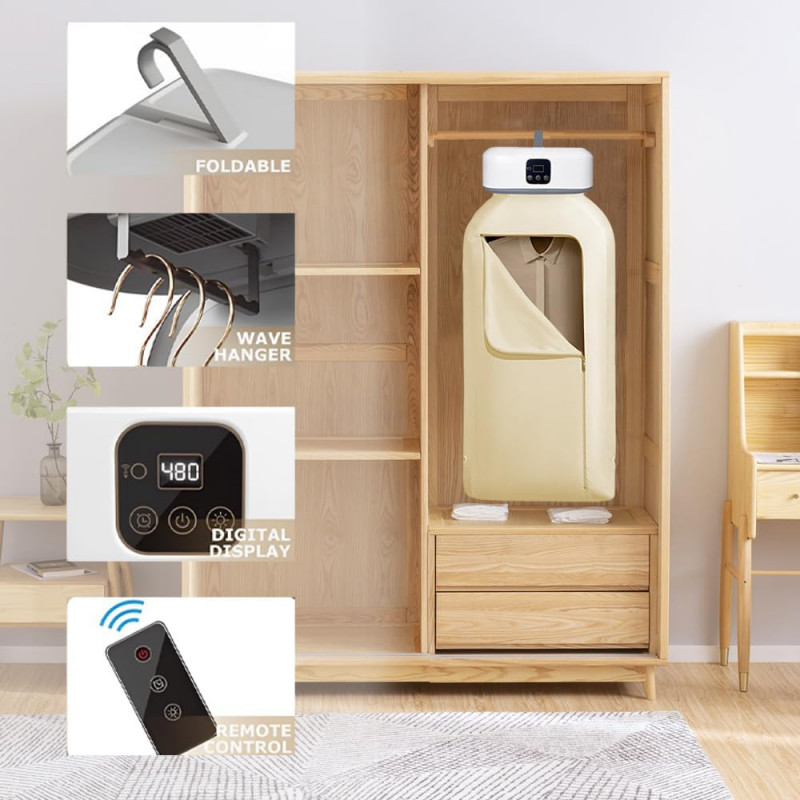
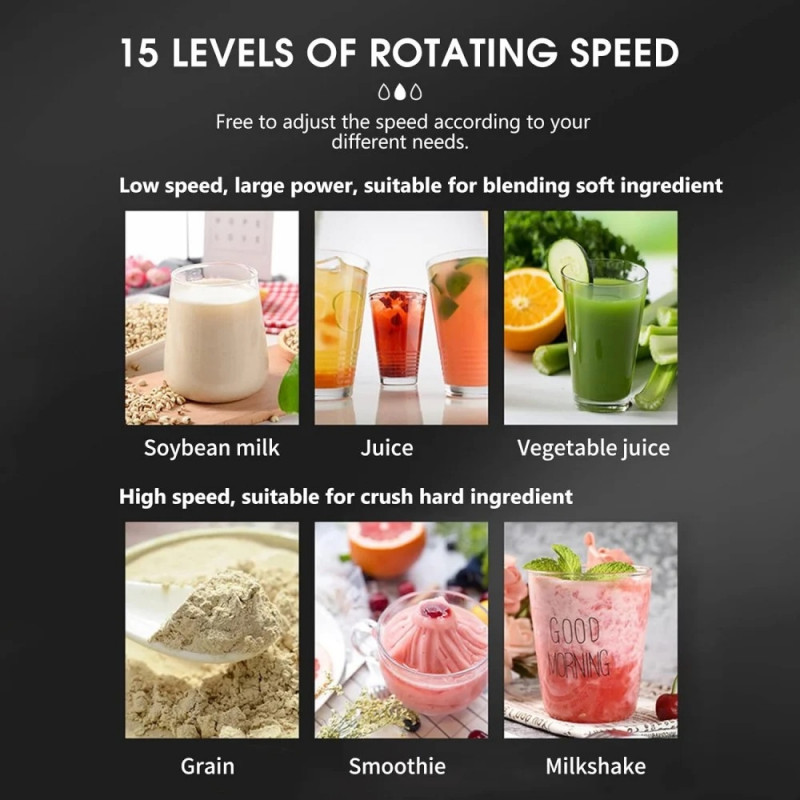
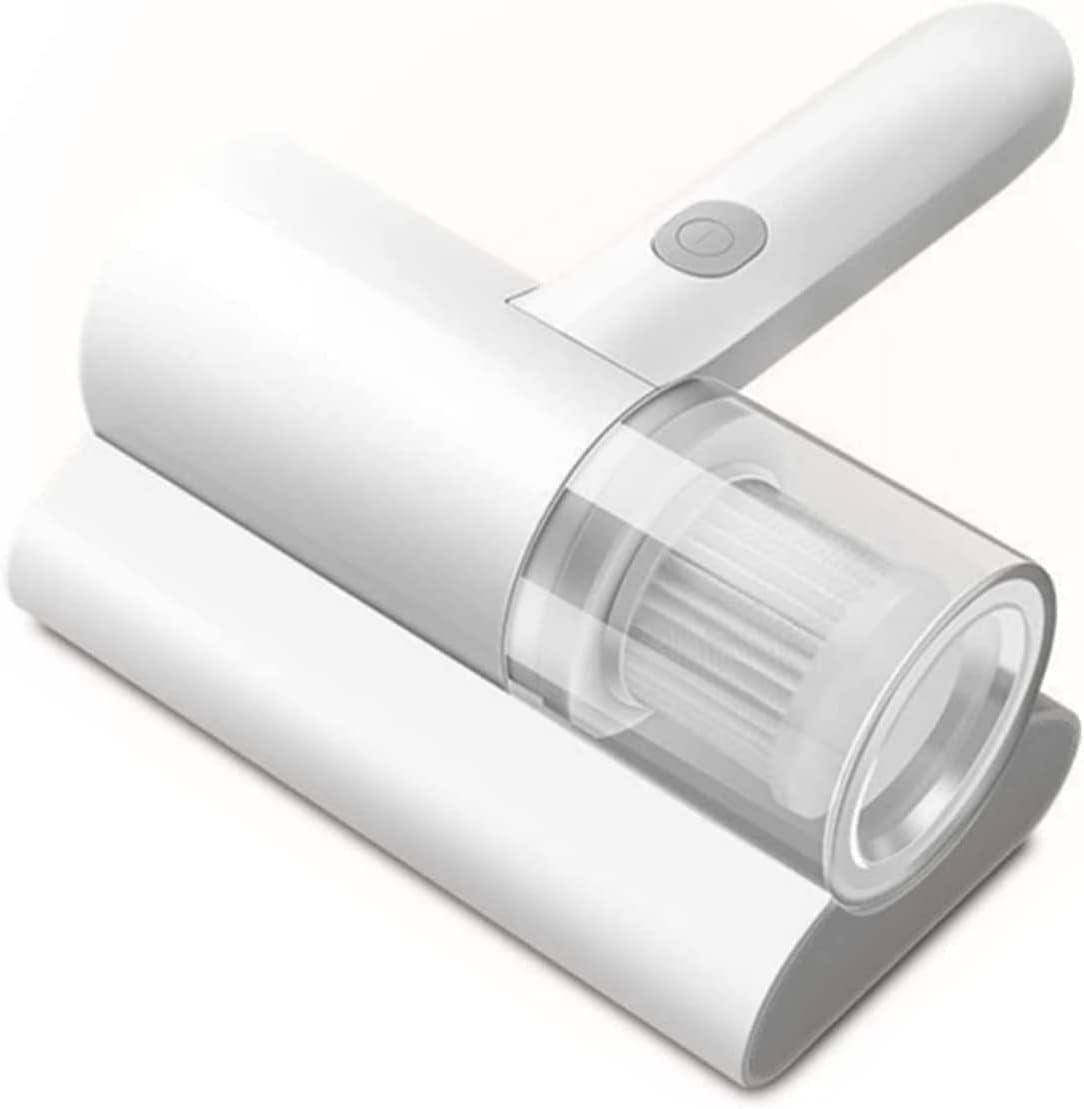
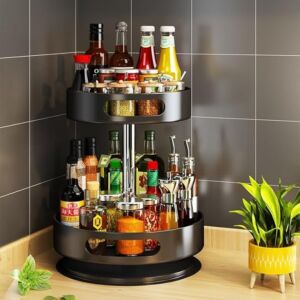
If you are equipping a whole home rather than one drawer, these three sit nearby in the catalogue and pair naturally with a kitchen utensils set.
Frequently asked questions about the kitchen utensils set
How many pieces does a kitchen utensils set really need?
Most home cooking is covered by six or seven tools: a turner, a slotted spoon, a solid spoon, a ladle, tongs, a whisk and a scraper. Larger sets add convenience and reduce washing up mid-cook, but the core is small.
Are these tools safe for non-stick pans?
Silicone, nylon and wood are safe on coated pans; metal is not. Check the material of every piece rather than the description of the set as a whole, since mixed sets exist and one metal edge is enough to damage a coating.
Can a kitchen utensils set go in the dishwasher?
Follow the packaging. Where a set is described as dishwasher safe, use the top rack and avoid the hottest cycle, which is gentler on polymer handles. Wooden pieces should always be washed by hand regardless of what the rest of the set allows.
What does heat resistant actually mean?
It means the material holds its shape up to a stated temperature, printed on the packaging. It does not mean a tool can rest in a hot pan indefinitely. Lift the utensil out between uses and the rating will never be tested.
Is a kitchen utensils set a good wedding or Eid gift?
It is one of the more reliable practical gifts, because it needs no sizing and fills a genuine gap in a new home. Pair it with a chopping board or a knife if you want the gift to feel more complete.
How long should a set last?
Well-treated tools last for years; the usual causes of early failure are heat damage and dishwasher abuse rather than normal use. Replace individual pieces as they wear rather than buying a whole new collection.
A kitchen utensils set is the least glamorous purchase in a kitchen and one of the most used. Choose it by the piece list and the material rather than the number on the box, match it to the pans you own, keep the tools out of hot pans, and it will quietly do its job for years. You can see the 19-piece option on its product page, read more about the history of the kitchen utensil on Wikipedia, or browse the wider range in the Kitchen Tools section.


Add comment