A good kitchen cleaning powder does something sprays struggle with: it gives you gentle physical scrubbing action as well as chemistry. Baked-on grease around a burner, tea stains in a sink and grey film on tiles all give up faster to a paste than to a mist that runs off before it has time to work.
This guide explains how powders differ from sprays and creams, which surfaces they suit and which they can damage, how much to use, how to build a five-minute daily routine around one, and how to store a kitchen cleaning powder safely in a busy household. The WLD Store pick for Saudi Arabia is described in full below.
Why a kitchen cleaning powder still beats a spray
Grease is the problem a kitchen cleaning powder is really built for. Cooking oil vapour settles on every surface near a stove and then bakes into a sticky film that ordinary detergent slides across. Breaking that film needs either strong chemistry, heat and time, or mild abrasion. A kitchen cleaning powder gives you the third option.
Powders also stay where you put them. Mix a spoonful with a little water into a paste and it sits on a vertical surface long enough to work, which is exactly what a liquid spray cannot do on the side of a cooker hood.
Concentration is another quiet advantage. A spray bottle is mostly water, which is heavy to carry and takes up storage space. A tub of kitchen cleaning powder gives you many more cleans per unit of shelf room, which matters in a small kitchen.
Finally, there is control. You decide the strength: a light dusting on a damp cloth for daily wiping, a thick paste for a burnt pan. One product covers both jobs, which is why powders survived the arrival of a hundred specialised sprays.
How cleaning powders actually work
Most kitchen cleaning powder formulas combine three things. A mild abrasive provides physical scrubbing, surfactants lift oil and let water carry it away, and alkaline salts soften and break down fats. The proportions decide whether a product is gentle or aggressive.
The abrasive is the part to understand. Fine particles polish and lift residue without cutting into the surface underneath; coarse ones cut faster and leave scratches. This is why the same kitchen cleaning powder can be perfect on a stainless sink and wrong on a glossy acrylic bath.
Water changes how a kitchen cleaning powder behaves. Used dry, a powder is at its most abrasive. Made into a wet paste, the water cushions the particles and the chemistry does more of the work. For most jobs, wet is the right choice and it is gentler on the surface.
Contact time is the most underused tool in cleaning. Leaving a paste on a greasy hob for five minutes before scrubbing does more than five minutes of extra effort, because the alkaline component needs time to break the fat down.
What to look for in a kitchen cleaning powder
Tubs of powder look much the same. Four things separate a product you keep buying from one that stays at the back of the cupboard.
Abrasiveness
The finer the particle, the safer the powder is across a range of surfaces. If you have a mixed kitchen with stainless steel, ceramic tile, glass and some plastic, a finer kitchen cleaning powder is more useful than an aggressive one that only suits pans.
You can judge it roughly by feel: rub a pinch between finger and thumb. Gritty like sand means aggressive; smooth and chalky means fine.
Bleach-free or not
Bleach-based powders whiten stains quickly and bring real drawbacks: fumes, damage to some materials, colour loss on grout and fabrics, and a hard rule about never mixing with other cleaners. A bleach-free kitchen cleaning powder is the more flexible choice for surfaces that touch food.
Whichever you choose, never mix cleaning products together. Combining products is the single most common cause of dangerous fumes in a home, and it is entirely avoidable.
Scent
Scent is not just marketing in a kitchen. Cooking smells linger, and citrus in particular reads as clean to most people. What matters is that the scent rinses away rather than lingering on a chopping board, so a light fragrance is preferable to a heavy one.
Dosing and the container
A powder you cannot dose neatly gets over-used. Look for a container that lets you shake a controlled amount out, or use your own measuring spoon. Over-dosing is the main reason people find a kitchen cleaning powder leaves residue.
Powder, cream, spray or bar
Kitchen cleaners come in four common forms and each is best at something different. Owning one of each is overkill; understanding the differences means you can own two and cover everything.
Powder is the most concentrated and the most adjustable. You control the strength by how much water you add, it stores compactly, and it is the strongest option on baked-on grease and stained stainless steel. The trade-offs are that it needs mixing, it can clump if it gets damp, and an over-generous scoop leaves residue.
Cream cleaners are pre-mixed powder in suspension. They are convenient, consistent and gentle, and they suit people who clean little and often. Against that, you are paying to transport water, the abrasive level is fixed, and they take more cupboard space per clean than a kitchen cleaning powder does.
Sprays are unbeatable for speed on light soil: wiping a worktop, a fridge door or a splash on a tile. They have no abrasion at all, so anything baked on defeats them, and on vertical surfaces they run off before the chemistry has had time to work.
Bar and paste cleaners are applied with a damp sponge and sit between powder and cream. They are tidy and travel well, but they are slower to load onto a cloth and offer less control over strength.
The practical combination for most kitchens is a spray for daily wiping and a kitchen cleaning powder for the weekly jobs that actually need scrubbing. That covers everything from a quick worktop wipe to a burnt pan without a cupboard full of bottles.
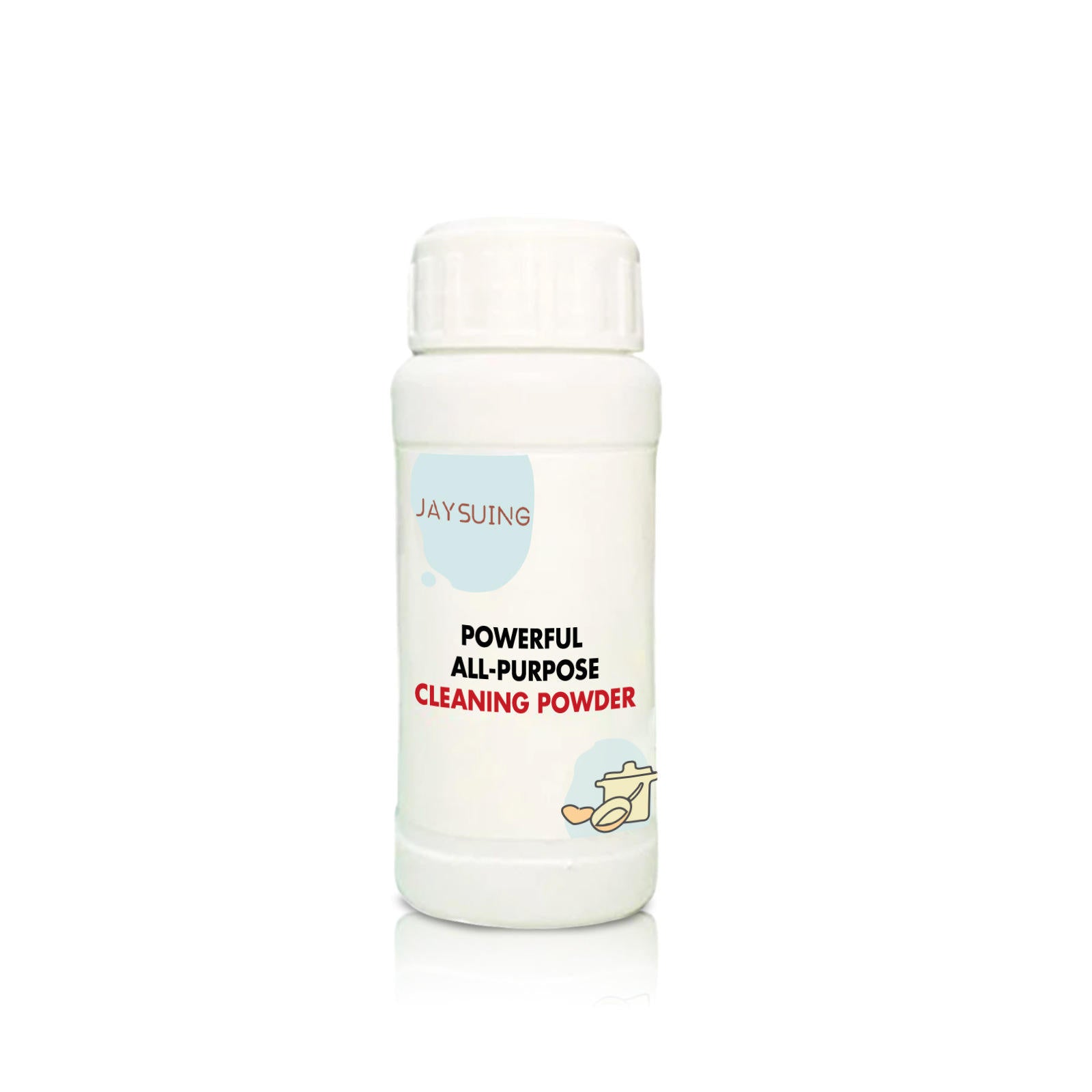
The WLD Store pick: Powerful All Purpose Kitchen Cleaning Powder
These are the details WLD Store publishes for this product:
- Product: Powerful All Purpose Kitchen Cleaning Powder
- Brand: WLD
- Categories: Home & Kitchen, Kitchen Tools
- Described as: cutting through grease and stains, and working on stovetops, sinks, tiles and cookware
- Formula: bleach-free and stated as safe for food surfaces, citrus-scented
- Usage: one scoop cleans multiple surfaces
- SKU: WLD-KSA-0132-(KD-138)
- Availability: available across Saudi Arabia through secure checkout
The bleach-free part is the detail worth noting, because it is what makes a kitchen cleaning powder usable on the surfaces where food is actually prepared. Full images and current options are on the Powerful All Purpose Kitchen Cleaning Powder product page.
How to use it properly
- Start with the smallest amount. One scoop goes further than people expect. You can always add more; removing excess residue takes longer than the cleaning did.
- Make a paste for tough jobs. A little water turns powder into something that clings to vertical and sloped surfaces instead of sliding off.
- Give it time. Five minutes of contact on baked-on grease is worth more than any amount of extra scrubbing.
- Use a non-scratch pad. The powder supplies the abrasion. Adding a harsh scourer on top is what puts scratches into stainless steel.
- Work in one direction on brushed metal. Following the grain keeps the finish even; circular scrubbing shows up as swirls under kitchen lighting.
- Rinse thoroughly. This is the step people skip. Any kitchen cleaning powder left behind dries to a dull film and can leave a taste on food surfaces.
Dry the surface afterwards with a clean cloth. Air-drying leaves water marks, particularly with hard water, and undoes the appearance of the clean you just did.
Where it works well
Stainless steel sinks are the classic use for a kitchen cleaning powder. Powder lifts tea and coffee staining, water marks and the greasy film around a plughole in one pass, and stainless steel is hard enough to take mild abrasion without marking.
Stovetops and burner surrounds are the second obvious job. A paste left on burnt-on splatter softens it enough to wipe away, which saves both scraping and the sharp tools that damage enamel.
Ceramic tiles and grout respond well, because the abrasive reaches into the texture that a cloth alone skates over. Work a kitchen cleaning powder into grout lines with an old toothbrush and rinse well.
Cookware is where powders earn their reputation. Stainless pans, the outside bases of pots and heat-stained trays all clean up far better with a paste than with detergent alone.
Bins, drainer trays and the inside of a microwave all suit powder too, provided you rinse properly afterwards.
Where to be careful
Test any new kitchen cleaning powder on a small hidden area first. That single habit prevents almost every cleaning accident in a kitchen.
Be cautious on soft or coated surfaces: non-stick pan interiors, anodised or painted aluminium, acrylic, laminate worktops with a printed finish, and anything with a lacquered coating. Abrasion removes coatings, and the damage is permanent.
Glossy black or dark surfaces show fine scratches far more than pale ones, so use a kitchen cleaning powder as a wet paste and a soft cloth rather than a pad on those.
Natural stone such as marble is generally a no. It is porous and reactive, and stone needs its own dedicated products.
Wear gloves if you have sensitive skin or are cleaning for a long session. Alkaline cleaners are drying to hands even when they are mild.
A five-minute daily kitchen routine
A kitchen cleaning powder works best in a routine that is frequent and shallow rather than rare and deep. A short daily pass keeps grease from ever reaching the baked-on stage.
After cooking, wipe the hob while it is still warm but not hot. Warm grease moves; cold grease sets. A damp cloth with a light dusting of kitchen cleaning powder handles most of it in under a minute.
Do the sink last, after the washing up. Sprinkle, scrub, rinse, dry. Thirty seconds and the sink stays bright rather than gradually dulling over a month.
Once a week, take five minutes for the extractor filter, the tiles behind the hob and the handles that everyone touches. These are the areas that make a kitchen look neglected even when the surfaces are clean.
Once a month, do the deeper jobs: oven door glass, the tops of cupboards, and the base of pots. Spreading them across the month is easier than a single exhausting session.
Storage and safety
Keep it dry. Powders clump when damp. Store the tub away from the sink and the kettle, and close the lid properly every time.
Store it high or locked. Any cleaning product should be out of reach of children and pets. A tub of kitchen cleaning powder looks harmless and is not something a child should investigate.
Keep it in its own container. Never decant cleaning products into food containers. This is a genuine cause of accidents and it costs nothing to avoid.
Never mix products. Not with bleach, not with acids such as vinegar or descaler, not with anything. Use one product, rinse fully, then use another if you must.
Ventilate. Open a window while you clean, particularly in a small kitchen and particularly in hot weather when everything evaporates faster.
Common problems and quick fixes
- A white film after cleaning. Too much product or not enough rinsing. Rinse with clean water and buff dry, and use less next time.
- Fine scratches on stainless steel. An abrasive pad rather than the powder. Switch to a soft cloth, use a wet paste, and always work with the grain.
- The powder has set solid in the tub. Moisture has got in. Break it up, and store it somewhere dry with the lid firmly closed.
- Grease keeps coming back on the wall. It is condensing from cooking vapour. Clean the extractor filter, which is almost certainly saturated, and the wall will stay clean far longer.
Hot climates and hard water
In a hot climate, kitchen grease behaves differently. Warm air keeps oil vapour airborne longer, so it settles more widely, and surfaces that are already warm bake residue faster. More frequent, lighter cleaning beats occasional heavy sessions.
Hard water leaves limescale and chalky marks around taps and in sinks. Abrasive powder helps mechanically, but a dedicated descaler is the right tool for heavy scale, used separately and never mixed with a kitchen cleaning powder.
Air conditioning cuts humidity and speeds drying, which is useful. Rinse and dry immediately rather than leaving surfaces wet, or you will trade grease marks for water marks.
Households across Saudi Arabia often cook with more oil and at higher heat, which makes the extractor filter the highest-value thing to clean regularly. Everything else in the kitchen stays cleaner when it is doing its job.
Buying checklist
- How fine is the abrasive, and does that match the surfaces you actually have?
- Is it bleach-free, and does that matter for the food surfaces in your kitchen?
- Can you dose it in controlled amounts rather than tipping it out?
- Does the scent rinse away cleanly rather than lingering on boards and pans?
- Do you have a dry, secure place to store it away from children?
Those five cover the practical decisions. Matching abrasiveness to your surfaces is the one that prevents the only expensive mistake in this category.
Other Home and Kitchen picks at WLD Store
Three more from the WLD Store range in Saudi Arabia:

Foldable Electric Clothes Dryer — a folding electric dryer, for the laundry half of keeping a home running.

Smart Blender 15-Speed — a multi-speed blender, and one more thing whose base will need wiping after every use.
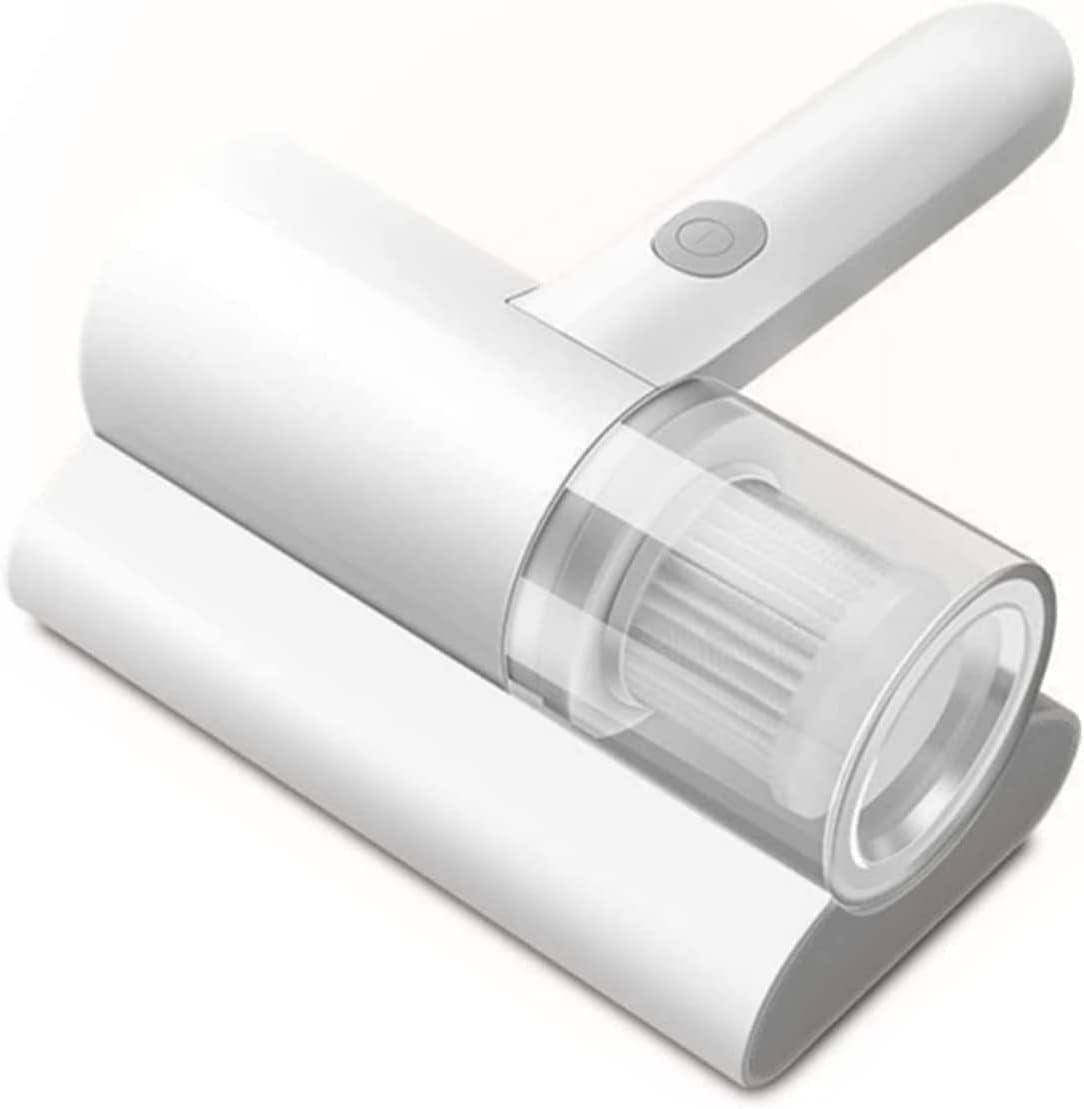
Dust & Mite Vacuum Cleaner — for mattresses and soft furnishings, where a powder is no help at all.
Everything else is at the WLD Store shop.
Frequently asked questions about kitchen cleaning powder
Will kitchen cleaning powder scratch my stainless steel sink?
Used as a wet paste with a soft cloth and worked along the grain, it should not. Scratches almost always come from the pad rather than the powder, so avoid harsh scourers on any visible surface.
Is it safe on surfaces where I prepare food?
A bleach-free formula stated as safe for food surfaces is designed for exactly that, provided you rinse thoroughly with clean water afterwards. Rinsing is the step that matters, whatever product you use.
Can I use it on non-stick pans?
No. Abrasives damage non-stick coatings permanently, and once the coating is scratched the pan is finished. Use hot water and washing-up liquid on non-stick, and keep the powder for stainless and enamel.
How much should I use?
Start with a single scoop and add more only if you need it. Over-dosing is the main cause of the chalky residue people complain about, and it wastes the tub twice as fast.
Can I mix kitchen cleaning powder with vinegar or bleach?
Never mix cleaning products. Mixing can produce harmful fumes and it rarely improves the result. Use one product, rinse the surface completely, and only then use another if the job needs it.
Does it work on grout?
Yes, and it is one of the better uses for a powder. Work it into the grout lines with an old toothbrush, leave it a few minutes, then rinse well and dry.
The short version
Match the abrasive to your surfaces, use a wet paste rather than dry powder, give it five minutes of contact time before scrubbing, rinse properly and dry with a cloth. Never mix products, and store the tub dry and out of reach.
The WLD Store option described above is the Powerful All Purpose Kitchen Cleaning Powder, a bleach-free citrus-scented powder for stovetops, sinks, tiles and cookware, available across Saudi Arabia through secure checkout. Browse the rest in the Kitchen Tools section. If you want to understand why detergents lift grease at all, the English Wikipedia article on the surfactant explains the mechanism clearly.



Add comment