A facial moisturizing lotion is the least glamorous product in any routine and usually the one that decides whether the rest of it works. Serums and treatments do their job on skin whose barrier is intact; on skin that is dry, tight and irritated, they mostly sting.
This guide explains what a moisturizer actually does, why air conditioning and Saudi heat make daily use non-negotiable, how lotions differ from creams and gels, how to match one to your skin type, where it belongs in your routine, and six questions answered for shoppers in Saudi Arabia.
What a facial moisturizing lotion actually does
The outer layer of skin is a barrier. It holds water in and keeps irritants out, and it does this using a mixture of cells and lipids that behaves rather like brickwork with mortar between the bricks.
When that mortar is depleted, water escapes faster than the skin can replace it. The result is the tight, flaky, slightly sore feeling most people call dryness, and it happens on oily skin just as readily as on dry skin.
A facial moisturizing lotion works on that problem from three directions at once. Humectants attract water into the upper layers, emollients smooth the gaps between cells so the surface feels soft, and occlusives slow the rate at which water leaves. The broader category is described on the Wikipedia page for moisturizers.
None of this changes the skin permanently. It supports the barrier while the barrier repairs itself, which is why consistency matters far more than any single application.
Why the Saudi climate makes it non-negotiable
Two things dry out skin here, and most people only think about one of them.
The obvious one is heat and sun. High temperatures increase water loss from the skin surface, and ultraviolet exposure damages the barrier over time even when nothing visibly burns.
The less obvious one is air conditioning. Cooled indoor air holds far less moisture than it seems to, and most of us spend the majority of the day in it. Hours in a cold, dry office pull water out of skin as effectively as an afternoon outdoors.
Moving repeatedly between the two is harder on skin than either alone. A daily facial moisturizing lotion is the simplest way to buffer those swings, which is why dermatologists in hot climates put it ahead of almost everything else.
Facial moisturizing lotion, cream, gel or oil
These words describe texture rather than quality, and the differences are practical.
A lotion is a lighter emulsion with a higher proportion of water. It spreads easily, sinks in quickly and rarely leaves a film, which makes a facial moisturizing lotion a comfortable choice for daytime and for warm weather.
A cream is thicker and richer, with more oil in the mix. It suits genuinely dry skin, cold dry air and overnight use, but under makeup in summer it can feel heavy.
A gel is mostly water with very little oil. It feels wonderfully cool on oily skin, though it often lacks the emollient content to keep dry skin comfortable for a full day.
A facial oil is all occlusive and no water. It seals in what is already there, so it works best layered over a damp face rather than used alone on dry skin.
What makes a good facial moisturizing lotion
The label rarely tells you how a product will feel. These five points do more to predict whether you will actually use it every day.
Texture and absorption
A lotion you dislike wearing is a lotion you will skip. If it stays tacky for ten minutes or pills under sunscreen, it will quietly migrate to the back of the cabinet.
A good facial moisturizing lotion disappears into the skin within a minute or two and leaves a soft, slightly cushioned finish rather than a slick one.
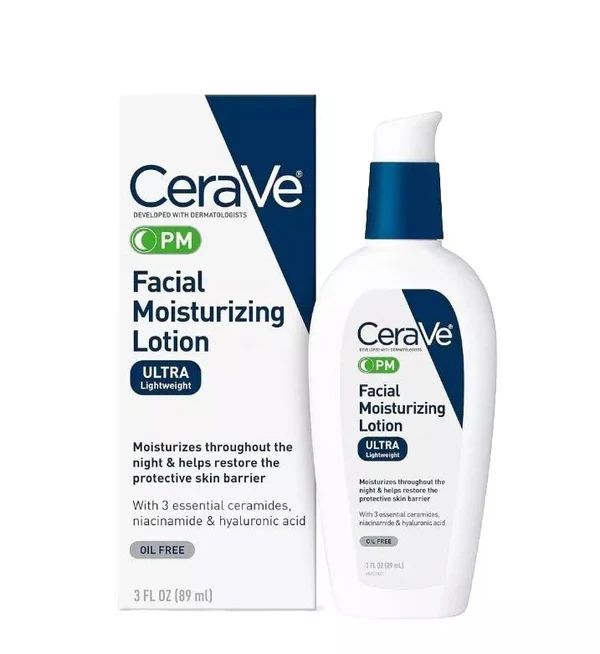
Non-comedogenic formulation
Non-comedogenic means the formula is designed not to block pores. It is a formulation goal rather than a guarantee for every individual, but it is a meaningful filter if you are prone to congestion.
Anyone with oily or breakout-prone skin should treat this as the first thing to check on a facial moisturizing lotion, ahead of any other claim on the packaging.
Suitability for sensitive skin
Fragrance, essential oils and high concentrations of alcohol are the usual triggers for stinging and redness. Products aimed at sensitive skin generally keep those to a minimum.
Whatever the label says, patch test. A small amount on the inner forearm or behind the ear for a couple of days tells you more than any marketing description.
A match for your actual skin type
Skin type is not fixed. It shifts with season, age, medication and how much time you spend in air conditioning, so the right facial moisturizing lotion for you in January may not be the right one in July.
Judge by how your skin feels four hours after application, not four minutes. Still comfortable means the match is good.
Packaging that protects the formula
A pump or a tube limits how much air and how many fingers reach the product. Wide open jars are pleasant to use and expose the contents to both.
This matters most for formulas containing antioxidants or other unstable ingredients, which degrade faster once repeatedly exposed to air.
The WLD Store pick: Facial Moisturizing Lotion
WLD Store lists this product for shoppers in Saudi Arabia. Everything below comes from the listing itself, with no added specifications.
- Product: Facial Moisturizing Lotion, a daily moisturizer
- Category: Beauty and Personal Care, filed under Skin Care
- Brand: WLD
- SKU: WLD-KSA-0048-(KD-KD0165)
- Texture: described as lightweight and fast-absorbing
- Stated purpose: presented as restoring the skin’s natural moisture barrier for all-day softness
- Stated suitability: listed as suitable for all skin types including sensitive skin, with a non-comedogenic formula
- Market: available across Saudi Arabia
Current photographs, options and stock status are on the Facial Moisturizing Lotion product page. Claims beyond those listed above are not made by the listing, and no skincare product replaces advice from a dermatologist for a diagnosed condition.
How to use a facial moisturizing lotion properly
Most of the value comes from technique rather than quantity, and one detail matters more than the rest.
- Apply to slightly damp skin. Straight after cleansing, while the face is still faintly moist, is when a facial moisturizing lotion has water available to seal in.
- Use less than you think. A pea-sized amount covers a face; more does not hydrate more, it just sits on the surface.
- Warm it briefly between fingertips, then press it in rather than rubbing hard.
- Work outward and upward, and do not stop at the jawline. The neck ages faster than the face and is routinely forgotten.
- Wait a minute before sunscreen or makeup so the layers do not roll into pills.
- Do it twice a day, morning and night, every day. Consistency is the entire mechanism.
If your skin still feels tight an hour later, the answer is usually a richer texture rather than a thicker layer of the same product.
Where a facial moisturizing lotion fits in a routine
The general rule is thinnest to thickest, because a light fluid cannot penetrate a layer of oil.
In the morning: cleanse, apply any water-based serum, then a facial moisturizing lotion, then sunscreen as the final step. Sunscreen always goes last, over the moisturizer, never mixed into it.
In the evening: cleanse, apply any treatment product, then moisturizer. If you use retinoids or acids, moisturizer afterwards reduces the irritation that makes people abandon them.
Two products do not need to be applied at the same moment. Waiting a minute between steps is not a rule, but it does stop layers from balling up.
Matching it to your skin type
Oily skin still needs moisture. Skipping it often makes oil production worse, because the skin compensates for what it has lost. A light, non-comedogenic facial moisturizing lotion is usually the right texture.
Dry skin wants more emollient and occlusive content, particularly at night. Applying to damp skin makes a bigger difference here than on any other type.
Combination skin is best handled by amount rather than by buying two products. Use a little more through the cheeks and less across the forehead and nose.
Sensitive skin does best with short ingredient lists, no added fragrance and a slow introduction of anything new. Patch test first and change one product at a time so you know what caused a reaction.
Care and storage of a facial moisturizing lotion
Skincare is more fragile than it looks, and heat is the main threat in this part of the world.
Store a facial moisturizing lotion somewhere cool and dark, away from a sunlit windowsill and out of a hot car. Heat degrades active ingredients and can separate an emulsion.
Close the cap properly every time. Air exposure oxidises ingredients and invites contamination, which is the practical reason pumps outlast jars.
Check the period-after-opening symbol, the small jar icon with a number such as 6M or 12M. That is how long the product is intended to stay good once opened.
Wash your hands before dipping into any open container. Most contamination arrives on fingers, not from the air.
If a product changes colour, separates or smells different, stop using it. That is the formula telling you it has gone off.
Common facial moisturizing lotion problems and fixes
- It pills under sunscreen or makeup. Too much product, or not enough time between layers. Use less and wait a full minute.
- The skin feels tight again within an hour. The texture is too light for your current needs. Move to a richer formula at night and keep the lotion for daytime.
- Stinging on application. Stop and patch test. Stinging is not a sign that something is working; it usually means a compromised barrier or an ingredient that does not suit you.
- New congestion after starting. Give it two to three weeks, since skin adjusts, but if bumps persist, switch to a formula labelled non-comedogenic and simplify the rest of the routine.
Who a facial moisturizing lotion is not for
It is not a treatment for a diagnosed skin condition. Eczema, rosacea, persistent acne and dermatitis need a professional opinion, and a moisturizer supports that care rather than replacing it.
It is not sun protection. No moisturizer without a stated sun protection factor shields against ultraviolet light, and in this climate that is a gap worth closing separately.
It is not a substitute for cleansing. Moisturizer applied over the day’s sunscreen, sweat and dust traps all of it against the skin.
It is also not an overnight fix. Barrier repair happens over weeks, so judge any facial moisturizing lotion after a month rather than after a weekend.
Building a simple routine around it
Complicated routines fail because they are hard to keep up. A short one, done every day, beats a ten-step ritual done twice a week.
Three products cover most people: a gentle cleanser, a facial moisturizing lotion and a sunscreen for daytime. That is a complete, defensible routine on its own.
Add treatments one at a time and only for a specific goal, leaving a couple of weeks between additions. If something goes wrong, you will know exactly which product caused it.
Keep the moisturizer constant while you experiment with the rest. It is the stabilising element, and changing everything at once tells you nothing.
Reading an ingredient list without a chemistry degree
Ingredient lists look impenetrable, but you only need to recognise three families to make a sensible judgement about any facial moisturizing lotion.
Humectants pull water into the upper layers of skin. Glycerin and hyaluronic acid are the common ones, and glycerin appearing near the top of a list is a good sign rather than a cheap filler.
Emollients fill the gaps between skin cells so the surface feels smooth. Squalane, fatty alcohols such as cetyl alcohol, and plant oils all do this work, and they are what give a lotion its comfortable finish.
Occlusives slow water loss by forming a light film. Dimethicone and petrolatum are the best studied, and despite their reputation neither is inherently pore-blocking for most people.
Ingredients are listed in descending order of concentration until you reach the ones below one percent, after which the order means little. That is why a headline ingredient sitting last on the list is usually there for the label rather than for your skin.
If you react easily, look for where parfum or fragrance appears. High on the list means a meaningful amount, and it is the single most common cause of irritation in an otherwise well-made product.
Adjusting for season and travel
Skin does not need the same thing in August that it needs in January, and the routine that works at home can fail on a trip.
Through the hottest months, indoor air conditioning is the dominant influence for most people. A lighter facial moisturizing lotion twice a day usually handles it, with a richer layer at night if the skin still feels tight.
In the cooler months the air outside is drier and the skin often wants more. Many people keep the same daytime lotion and simply add a heavier cream before bed rather than replacing anything.
Travel is harder on skin than most of us expect. Cabin air is very dry, and arriving in a different climate resets what your skin needs for a few days. Take the moisturizer you already trust rather than experimenting on the road.
Decant into a small travel container rather than carrying a full bottle, and keep it in hand luggage. A product that has spent hours in a hot vehicle boot is not the product you bought.
Buying checklist
- Does the texture suit the climate you spend most of your day in, indoors and out?
- Is it labelled non-comedogenic if you are prone to congestion?
- Is there added fragrance, and does your skin tolerate it?
- Is the packaging a pump or tube rather than an open jar?
- Is the size realistic for twice-daily use before the period after opening expires?
Other picks at WLD Store
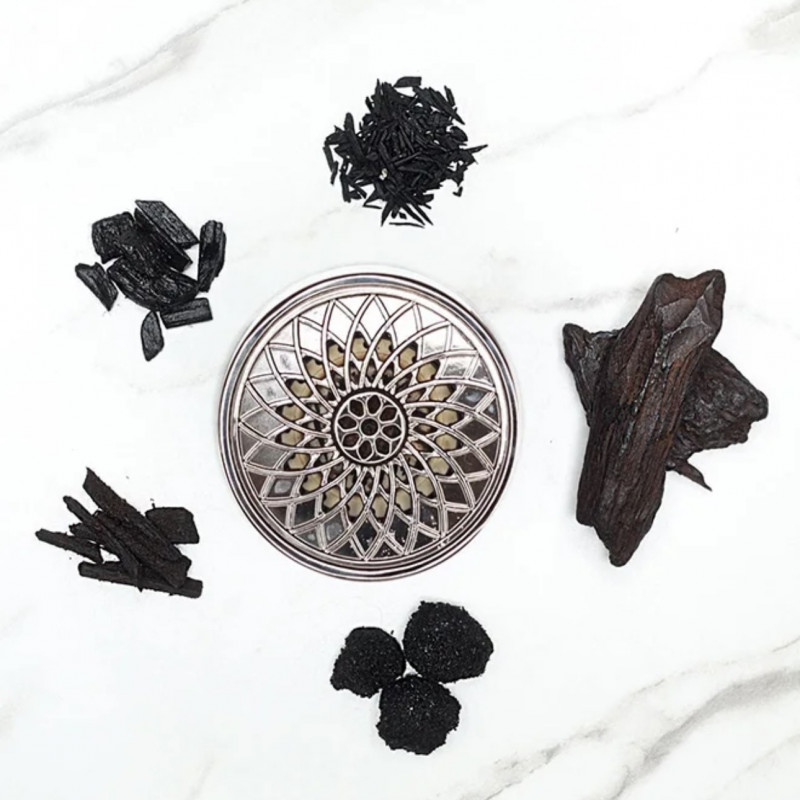
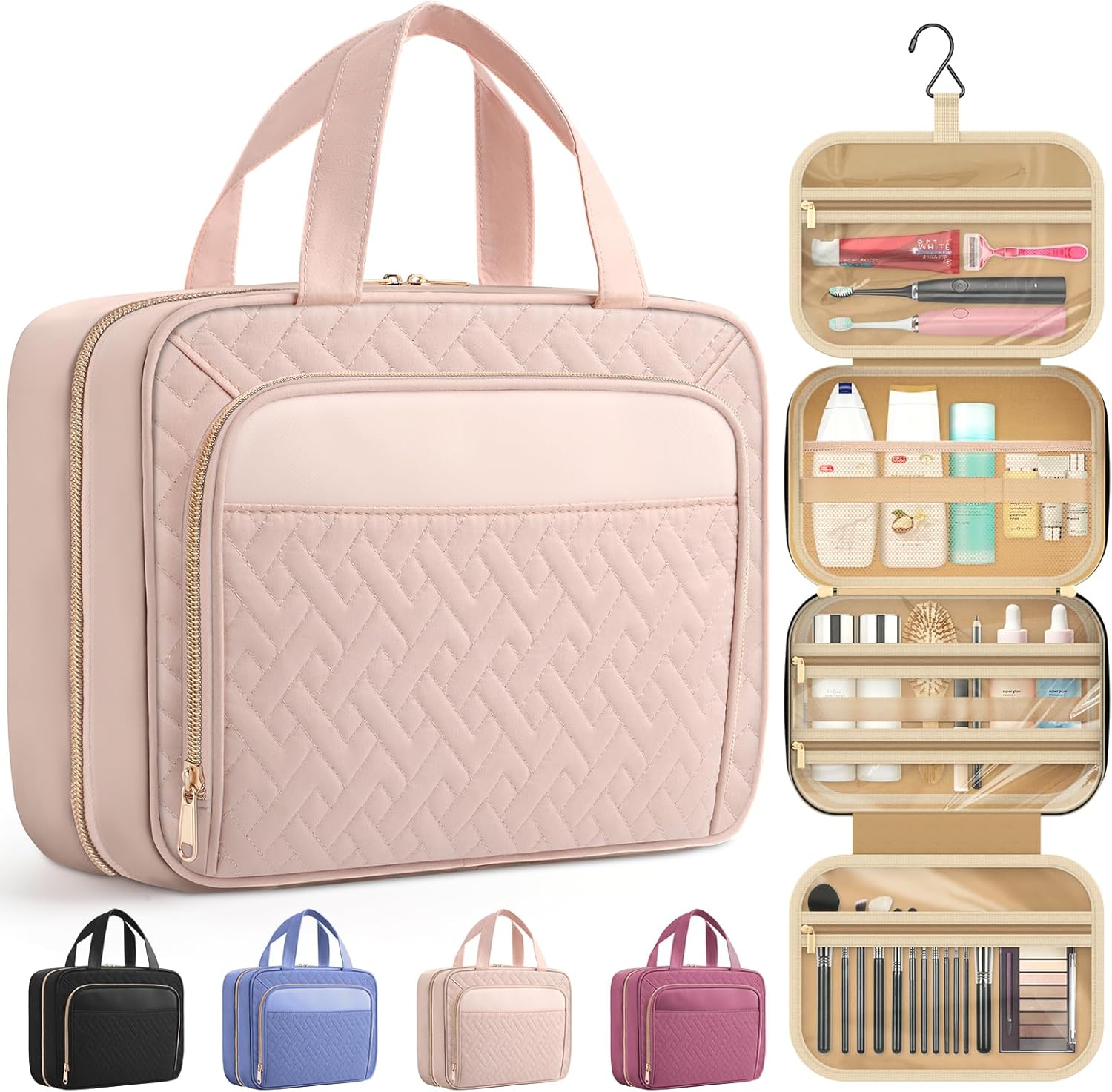
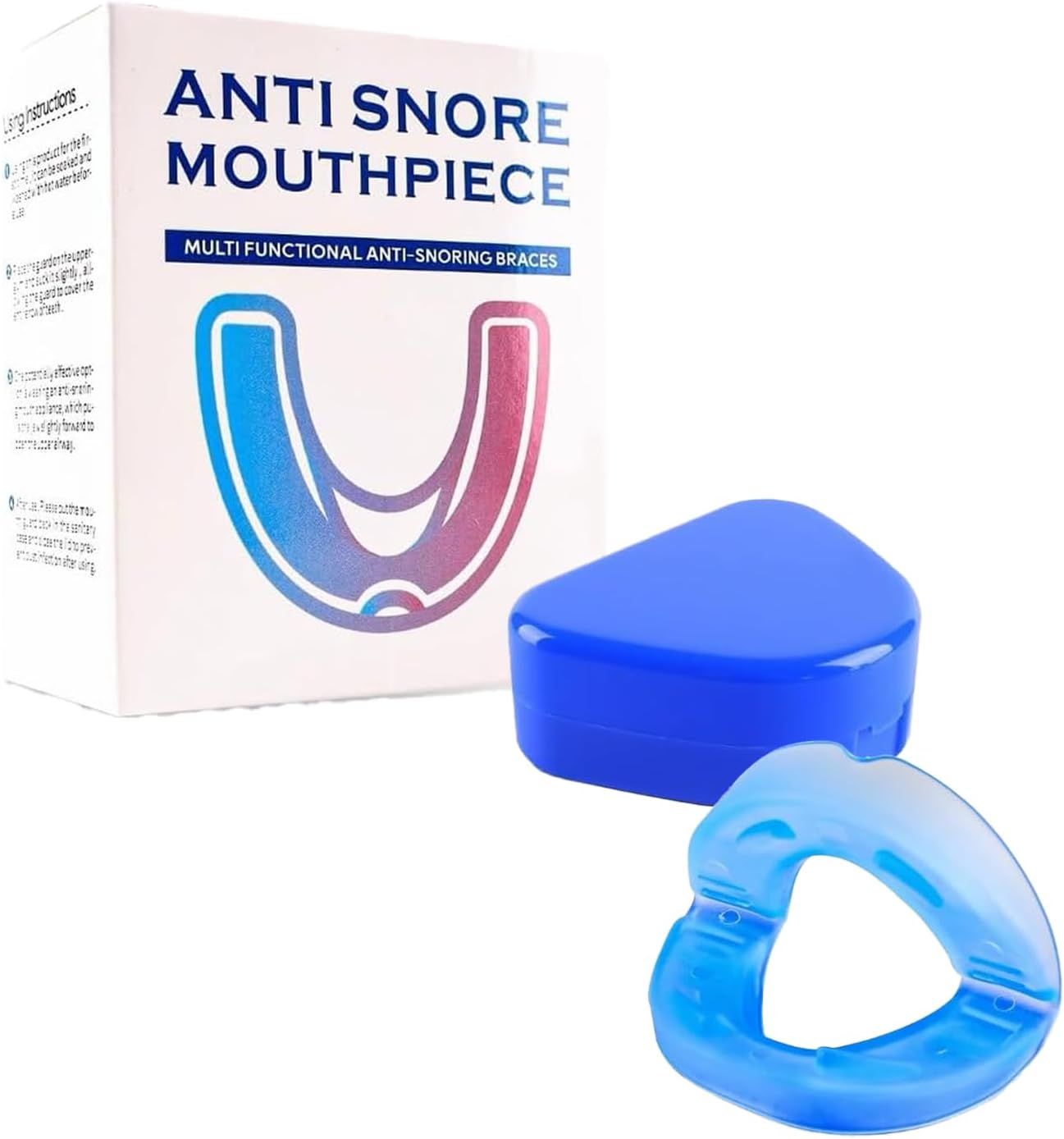
These three listings sit nearby in the WLD Store catalogue if you are shopping for more than skincare.
Frequently asked questions about facial moisturizing lotion
Does oily skin need a facial moisturizing lotion?
Yes. Oil and water are different things, and oily skin can be dehydrated. A light non-comedogenic lotion often reduces the greasy feeling rather than adding to it.
Morning, night, or both?
Both. Skin loses water overnight and faces heat, sun and air conditioning by day, so a facial moisturizing lotion twice daily is the standard recommendation.
Can I use body lotion on my face?
It is not ideal. Body formulas are usually heavier and more heavily fragranced, and facial skin is thinner and more reactive. In a pinch it is better than nothing, but not as a habit.
Should moisturizer go before or after sunscreen?
Before. Apply your facial moisturizing lotion, wait a minute, then sunscreen as the final layer of the morning routine so the protective film sits on top undisturbed.
How long before I see a difference?
Surface softness usually improves within days. Genuine barrier improvement takes about four weeks of consistent use, which is the fairest point at which to judge a product.
What does non-comedogenic actually mean?
It means the formula has been designed to avoid ingredients known to block pores. It is a useful indicator rather than a promise, since individual skin varies more than any label can account for.
A facial moisturizing lotion is the quiet foundation of a routine that works: barrier support, applied twice a day, on slightly damp skin. Choose a texture you enjoy wearing, keep it out of the heat, and give it a month before judging. You can review the current listing on the product page or browse the wider beauty range in the Skin Care section.





Add comment